
Charcoal Toothpaste Benefits: What Holds Up and What Does Not
The claimed benefits of charcoal toothpaste, checked one by one against the research.
- The headline benefit people want from charcoal toothpaste is whitening, and the evidence for it is weak: it removes some surface stain by abrasion but does not bleach the tooth's internal color.
- Broader claims that charcoal detoxifies, kills bacteria or freshens breath are largely unsubstantiated; a major dental-journal review flagged these as unproven marketing claims.
- Charcoal's one measurable property, abrasiveness, is also its main risk, because it can increase enamel and surface roughness over time.
- Most charcoal pastes omit fluoride, so a claimed cosmetic benefit often comes at the cost of proven cavity protection.
- If a specific benefit matters to you, there is usually a better-evidenced ingredient for it, from peroxide for whitening to fluoride or hydroxyapatite for enamel.
Charcoal toothpaste's claimed benefits mostly do not hold up. It can lift some surface stain by abrasion, but claims of detoxifying, killing germs or strengthening enamel are unsupported, and reviews find insufficient evidence for its safety and efficacy. Its one measurable property is abrasiveness, which is a risk rather than a benefit.
What charcoal can genuinely do
Activated charcoal is carbon that has been processed to be extremely porous, giving it a large surface area that can bind, or adsorb, certain molecules on contact. In a toothpaste, two things follow from that. First, the powder is physically gritty, so brushing with it polishes the outside of the tooth and can lift the surface film of stain left by coffee, tea and tobacco. That is a genuine, if modest, cosmetic effect, and it is the honest core of any charcoal benefit. Second, on contact it can bind some of the pigment particles it meets. What neither of these amounts to is a deep or lasting change to the tooth. Adsorbing a pigment on the surface is not the same as bleaching the color inside the dentin, and polishing off today's stain does nothing to prevent tomorrow's. It is also worth knowing what is often in the tube alongside the charcoal: a dental-journal survey found about a third of charcoal dentifrices also contained bentonite clay, and formulations vary widely from product to product, which makes blanket benefit claims even harder to justify. So the realistic list of what charcoal can do is short: it can make a stained surface look cleaner for a while. Everything beyond that, the detox promises, the germ-killing, the enamel-strengthening, belongs to the claims column rather than the evidence column, and that distinction is the whole point of reading a charcoal label critically.
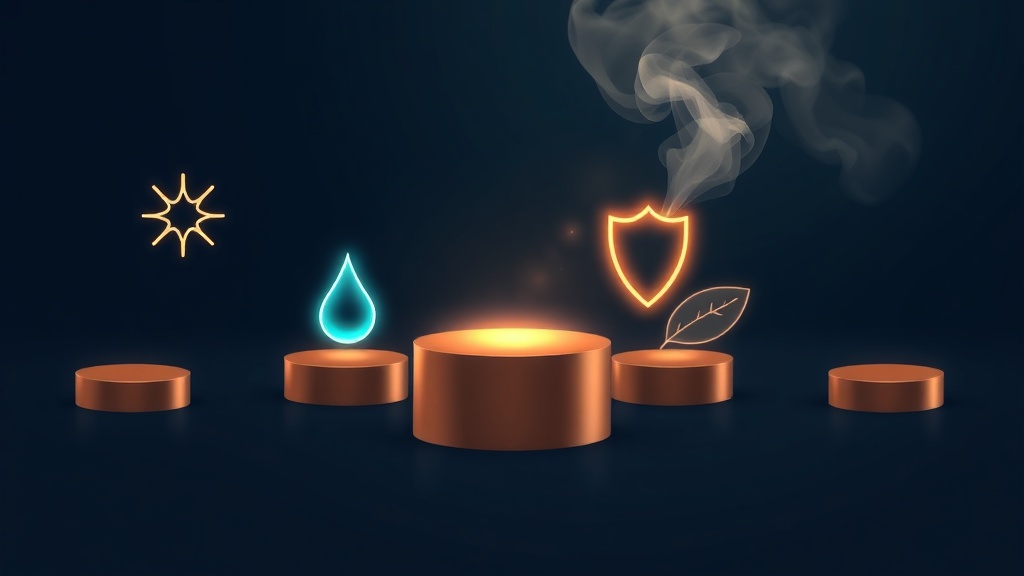
Only one common charcoal claim, mild surface-stain removal, is supported; the rest largely dissolve under scrutiny.
What the research actually shows
Every claim below maps to a named, peer-reviewed source in the Sources section. According to PubMed.
| Claim | Evidence | Source |
|---|---|---|
| Charcoal dentifrice ads make unsubstantiated claims (antibacterial, antifungal, antiviral, detoxification); there is insufficient data to substantiate safety and efficacy. | JADA literature review; 50 products surveyed. | Brooks et al., 2017 |
| Charcoal toothpaste has a lower whitening effect than alternatives and a higher abrasive potential. | Systematic review of in vitro studies. | Montero Tomas et al., 2022 |
| Charcoal formulations increase the surface roughness of teeth and restorations. | Comprehensive review of whitening toothpastes. | Kim et al., 2025 |
| Fluoride toothpaste has a firmly established caries-prevented fraction of about 24 percent, a benefit most charcoal pastes forgo. | Cochrane review of 70 trials. | Marinho et al., 2003 |
| Below about 500 ppm fluoride there is no significant cavity benefit; many charcoal pastes contain no fluoride at all. | Cochrane concentration review. | Walsh et al., 2019 |
Claimed benefit versus the evidence
| Claimed benefit | What the evidence shows |
|---|---|
| Whiter teeth | Weak: removes some surface stain by abrasion; no intrinsic bleaching |
| Detoxifies or removes toxins | Unsupported: no clinical evidence in the mouth |
| Antibacterial or kills germs | Unsubstantiated marketing claim |
| Fresher breath | Not demonstrated for charcoal specifically |
| Strengthens or remineralizes enamel | No: charcoal is abrasive and usually fluoride-free |
Where the claims outrun the evidence
The gap between charcoal marketing and charcoal science is unusually wide, and a literature review in the Journal of the American Dental Association documented it directly. Surveying charcoal products and their advertising, the authors found therapeutic claims such as antibacterial, antifungal, antiviral and oral detoxification presented without the clinical or laboratory data to back them, and concluded there was insufficient evidence to substantiate the safety and efficacy claims being made. The detox framing in particular borrows from charcoal's use in emergency medicine, where it can bind certain swallowed poisons in the gut, and stretches it into the mouth, where there is simply no equivalent evidence that it removes meaningful toxins or improves health. Meanwhile the one property that is measurable, abrasiveness, cuts against the product rather than for it: systematic-review evidence shows charcoal pastes deliver less whitening than alternatives while being more abrasive, and other work shows they roughen tooth and restoration surfaces. Add the fact that most charcoal pastes contain no fluoride, and the benefit picture inverts. Fluoride toothpaste has one of the best evidence bases in all of dentistry, with a caries-prevented fraction around 24 percent, and choosing a fluoride-free charcoal paste as an everyday toothpaste means giving that up for claims that do not hold. The fair conclusion is not that charcoal is dangerous in a single use, but that its list of real benefits is far shorter than its label suggests, and that nearly every benefit people buy it for is better and more safely delivered by an ingredient with actual evidence behind it.
Evidence you can act on.
Occasional emails — new research, new protocols, no noise.
How to get the benefit you actually want
Most people reach for charcoal chasing one specific outcome. It is almost always better served by a targeted, evidence-backed choice. None of this treats a disease; it is about cosmetics and enamel care.
- 1
If you want whiter teeth
as directedUse a low-abrasion whitening or hydroxyapatite paste for surface stain, or peroxide strips and professional whitening for a true shade change. These reach further than charcoal with less wear.
- 2
If you want stronger enamel
twice dailyChoose a fluoride or hydroxyapatite toothpaste, which have real remineralization and cavity-prevention evidence. Charcoal offers neither.
- 3
If you want fresher breath
dailyFocus on tongue cleaning, flossing and treating the source of odor rather than a charcoal paste, whose breath benefit is not demonstrated.
- 4
If you still want to try charcoal
occasionalKeep it occasional rather than daily, use a soft brush and light pressure, and pair it with a protective fluoride paste so you do not lose cavity protection.
- 5
Check the label for fluoride
before buyingIf a charcoal paste has no fluoride and no hydroxyapatite, it is a cosmetic product, not a protective one, and should not be your only toothpaste.
Charcoal is at best a cosmetic surface polish; enamel protection comes from fluoride or hydroxyapatite.
If you are using charcoal to fix discoloration, sensitivity or bad breath, it is worth having a dentist find the cause first, since each of those has better solutions than a charcoal paste. See a dentist too if you notice growing sensitivity or teeth that look worn or translucent at the edges, which can signal enamel loss from abrasion. A professional can point you to a benefit-for-benefit alternative that is both safer and better supported.
Frequently asked questions
Sources
- 1.
- 2.
- 3.
- 4.
- 5.

Fix your breath at the source.
The complete science-backed protocol — engineered to eliminate volatile sulfur compounds at the biological source.
Start the Breath Protocol →Related reading
Educational purposes only. The content on this page is not medical advice and is not a substitute for consultation with a qualified dental or medical professional.
More from the library
 Ingredients9 min
Does Charcoal Whiten Teeth? An Honest Reality Check
The whitening claim, weighed against what abrasion can and cannot actually do.
Read →→ Ingredients8 min
Hydroxyapatite Toothpaste: How It Remineralizes and Strengthens Enamel
The mineral your enamel is already made of, in a tube: what nano-hydroxyapatite does to the tooth surface, what the evidence shows, and where it stops.
Read →→ Guides8 min
Fluoride-Free Toothpaste: An Honest, Balanced Guide
What a fluoride-free toothpaste can and cannot do, why nano-hydroxyapatite is the ingredient that matters, and a fair account of fluoride rather than a scare.
Read →→ Best Of8 min
How to Choose the Best Remineralizing Toothpaste
How to pick a remineralizing toothpaste by the evidence — not the marketing — and match it to your needs.
Read →→ Answers8 min
How to Get Rid of White Spots on Teeth: Your Options, Ranked
An honest, evidence-based ladder of options, from what you can do at home to what only a dentist can fix.
Read →→ Ingredients8 min
Hydroxyapatite Toothpaste Benefits: What the Evidence Actually Supports
A calm, science-first look at what hydroxyapatite toothpaste can genuinely do for your enamel, and where the evidence stops.
Read →→