What Causes Tonsil Stones? The Biology Behind Them
Why some people get tonsil stones again and again, explained by the anatomy of the tonsil crypts.
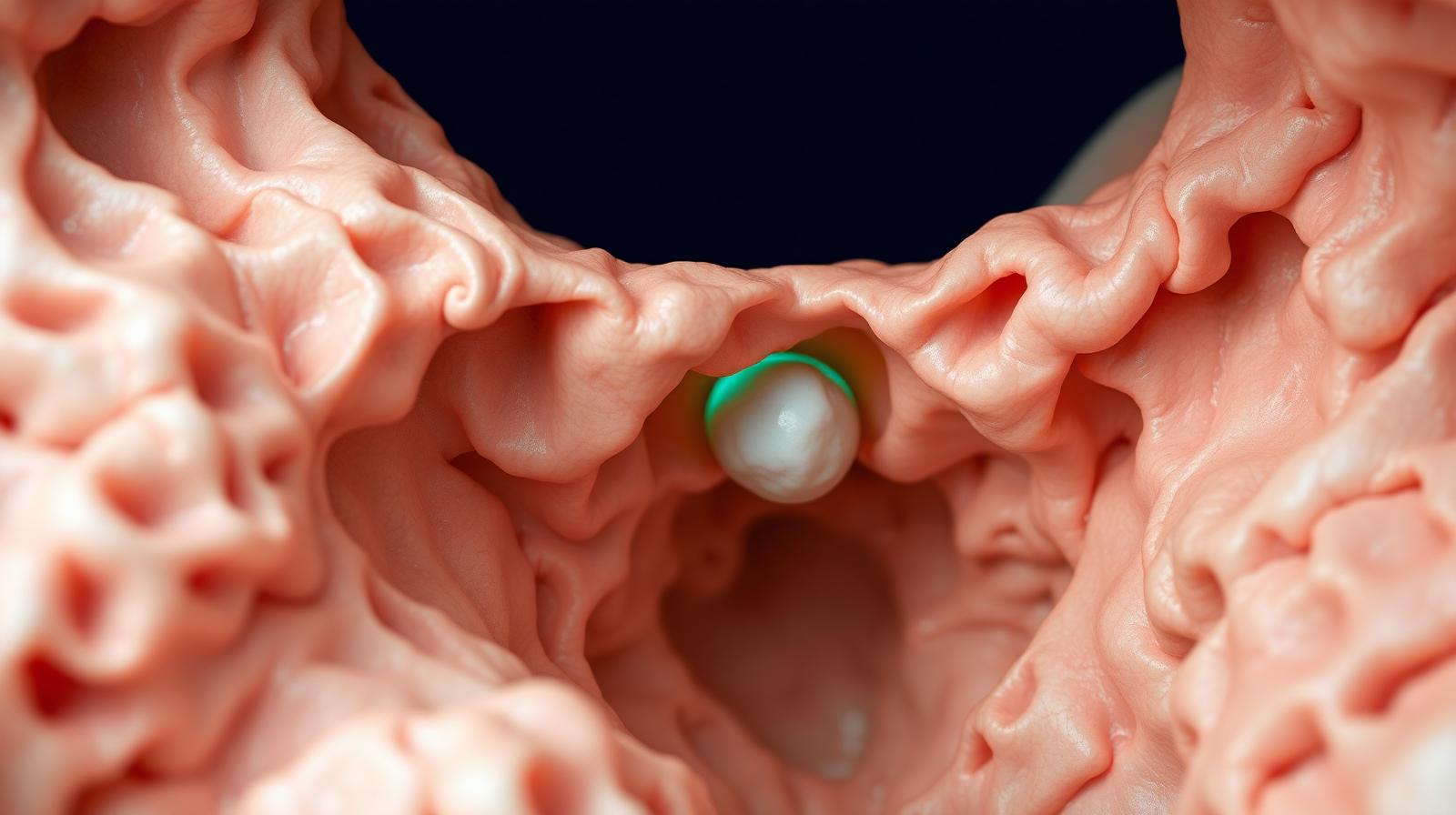
- Tonsil stones form when food debris, dead cells, mucus and bacteria collect in the tonsil crypts and slowly compact and calcify into pale lumps.
- The single biggest driver is crypt anatomy: deep, branching tonsil crypts trap debris far more easily than shallow smooth ones, which is why some people get stones repeatedly and others never do.
- The bacteria that colonise the trapped debris are mostly anaerobes, and they produce the volatile sulfur compounds that make stones smell.
- CT imaging studies show tonsil stones are common and become more frequent with age, and repeated tonsil inflammation such as chronic sinusitis is associated with a higher rate.
- Poor oral hygiene, chronic post-nasal drip and a dry mouth all add debris or reduce natural clearance, but you do not need any of these to form stones if your crypts are deep.
Tonsil stones form when debris, dead cells, mucus and bacteria get trapped in the pockets, or crypts, of the tonsils and gradually compact and calcify. Deep crypt anatomy is the main reason some people get them repeatedly. Anaerobic bacteria in the trapped material produce the sulfur gases that make the stones smell.
How a tonsil stone forms, step by step
The palatine tonsils are lymphoid tissue whose surface is folded into deep pits called crypts, which increase the surface area the tonsil uses to sample passing microbes. In some people these crypts are shallow; in others they are deep and branching. Every day, food particles, shed epithelial cells, saliva proteins and mucus wash across the tonsil, and some of that material lodges in the crypts. Where it sits undisturbed, bacteria colonise it. Because the deeper part of a crypt has very little oxygen, the colonisers are dominated by anaerobic species. As these bacteria feed on trapped proteins, the debris consolidates, mineral salts from saliva begin to deposit, and over days to weeks the soft mass hardens into a tonsillolith. According to PubMed, molecular analysis of real stones found them built from anaerobic genera including Fusobacterium, Prevotella, Porphyromonas, Selenomonas and Tannerella, the same organisms that release volatile sulfur compounds. So a tonsil stone is not an infection and not a sign you did anything wrong; it is trapped material plus the bacteria that inevitably settle into a low-oxygen pocket.
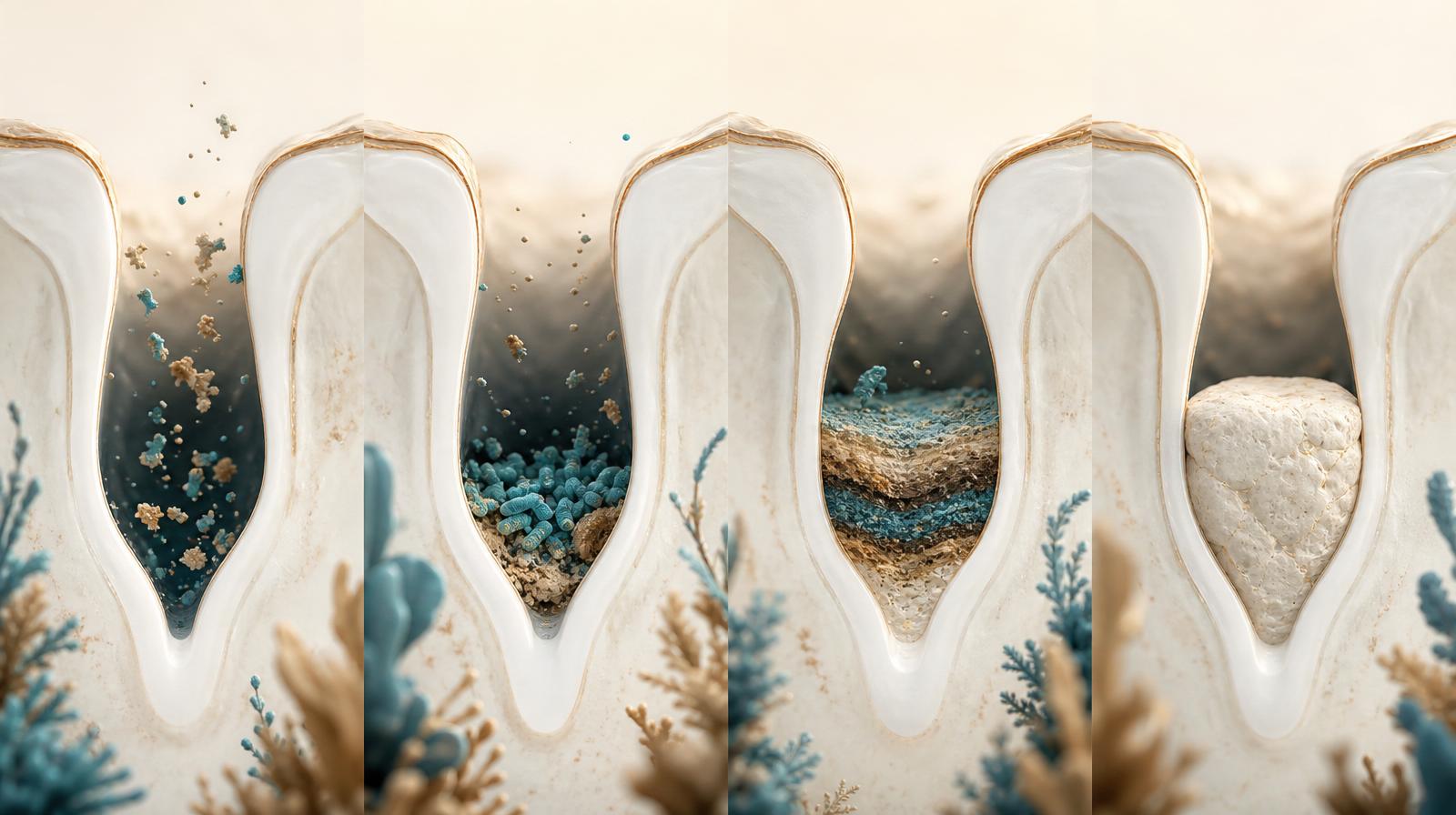
Trapped debris plus low-oxygen anaerobic bacteria in the crypt is the recipe for a tonsillolith.
What the research actually shows
Each row maps to a named, peer-reviewed source in the Sources section. According to PubMed.
| Claim | Evidence | Source |
|---|---|---|
| Tonsil stones are common and become more frequent with age; CT found them in about 40 percent of 2,873 patients, most often in ages 50 to 69. | Retrospective CT study of prevalence and size across a large patient sample. | Takahashi et al., ScientificWorldJournal 2014 |
| Stones sit in the centre of the tonsil crypts; most are small (1 to 2 mm) and people average around 2 to 3 per person. | CT imaging analysis of tonsilloliths in 3,886 examinations. | Kim et al., Oral Surg Oral Med Oral Pathol Oral Radiol 2018 |
| The trapped material is colonised by anaerobic bacteria that produce volatile sulfur compounds, linking stone formation to odour. | 16S rDNA sequencing and electron microscopy of tonsil stones. | Tsuneishi et al., Microbes Infect 2006 |
| Repeated tonsil inflammation matters: tonsil stones were significantly more common in people with chronic rhinosinusitis than in controls. | Retrospective CT study comparing chronic-rhinosinusitis and control groups. | Kaleemullah et al., Indian J Otolaryngol Head Neck Surg 2023 |
What raises the odds of tonsil stones
| Factor | How it contributes | Can you change it? |
|---|---|---|
| Deep, branching crypts | More pockets that trap debris; the dominant cause | No; this is your anatomy |
| Age | Stones accumulate and are found more often in older adults | No, but hygiene still helps |
| Repeated tonsil inflammation | Chronic irritation reshapes and deepens crypts | Partly; treat the underlying cause |
| Post-nasal drip and chronic sinusitis | Adds mucus and debris that settle in the crypts | Partly; manage the sinus issue |
| Dry mouth | Less saliva means less natural flushing of debris | Often; hydration and saliva support help |
| Inconsistent oral hygiene | Higher overall bacterial load feeding the crypts | Yes; daily hygiene reduces the load |
Why some people get them and others never do
The most common question is why one person forms stones every week while a friend with the same diet and habits never has. The honest answer is anatomy. Deep, wide, branching crypts create many sheltered pockets where debris can settle out of reach of the tongue, saliva flow and normal swallowing. Shallow crypts self-clean. This is also why the usual advice to just brush more only goes so far: better oral hygiene lowers the overall bacterial load feeding the crypts, but it cannot flatten a deep crypt. Layered on top of anatomy are amplifiers rather than root causes. Repeated tonsil inflammation, as seen with chronic sinusitis, can deepen and scar the crypts over time. Post-nasal drip delivers extra mucus and debris. A dry mouth removes the saliva that would otherwise rinse pockets out. None of these is required, and none guarantees a stone; they simply tilt the odds for someone whose crypts already trap material. Understanding this is freeing: recurrent tonsil stones are usually a plumbing feature, not a hygiene failure or a disease.
Evidence you can act on.
Occasional emails — new research, new protocols, no noise.
How to lower your odds of new stones
You cannot change your crypt anatomy, but you can reduce the debris and bacterial load that feed the crypts. Consistency matters more than intensity.
- 1
Gargle daily
30 to 60 secondsA warm salt-water or alcohol-free gargle after meals agitates and flushes debris out of shallow crypts before it can compact. Doing it daily is what shifts how often stones form, not the occasional deep clean.
- 2
Keep the mouth hydrated
ongoingSaliva is your built-in rinse. Sipping water through the day, and easing mouth-breathing where you can, keeps saliva flowing so debris is carried away rather than settling into crypts overnight.
- 3
Lower the bacterial load
twice dailyBrushing, cleaning the back of the tongue and flossing reduce the overall population of odour-producing bacteria in the mouth, which means fewer of them available to colonise trapped debris in the tonsils.
- 4
Address post-nasal drip and dry mouth
as neededIf chronic sinus drainage or a persistently dry mouth is feeding the problem, treating that source with a clinician does more than any tonsil trick, because it removes debris and restores natural clearance.
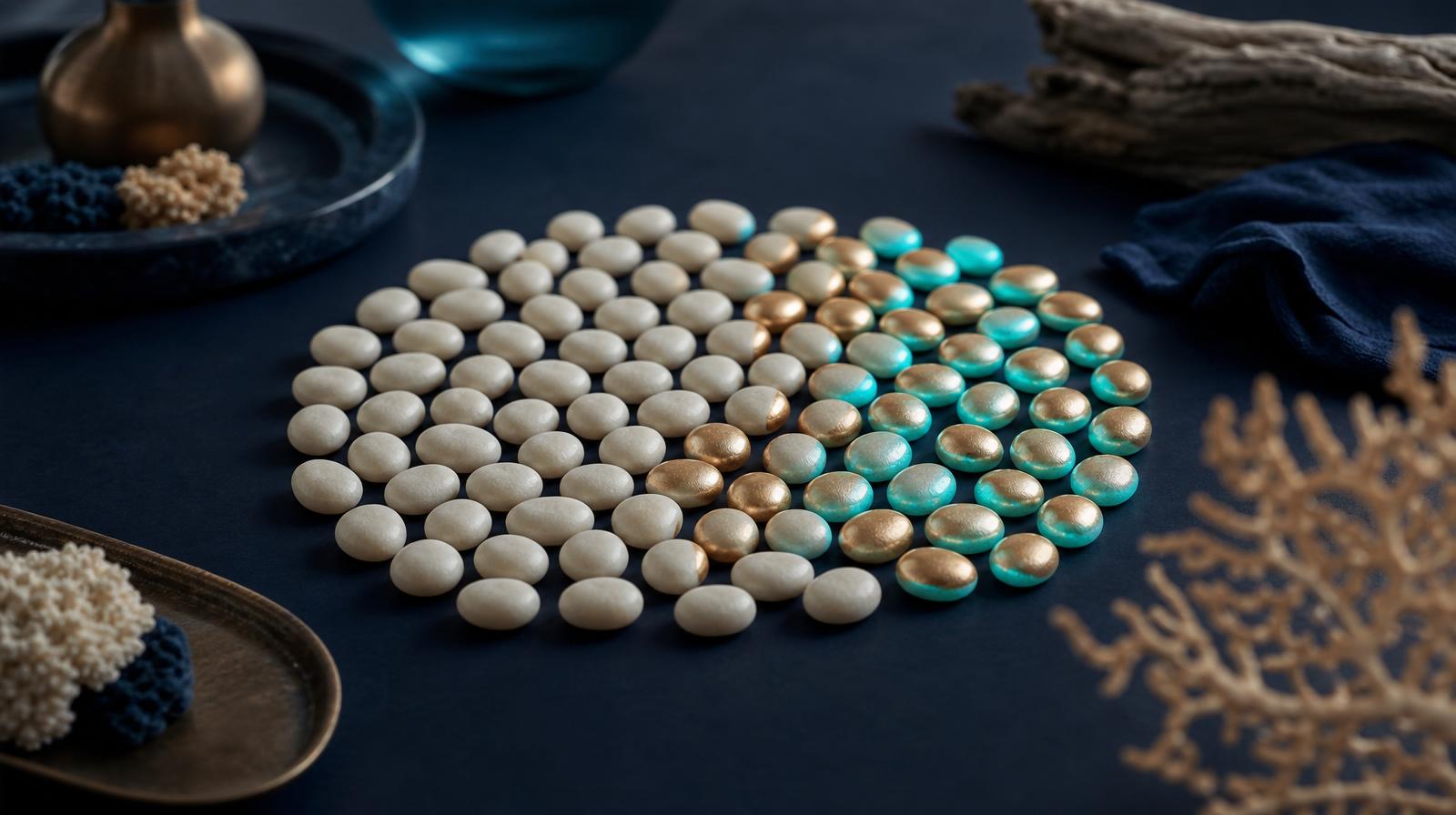
Imaging studies suggest tonsil stones affect a large share of adults, with the rate climbing with age.
Most tonsil stones are harmless. See a doctor or ENT if stones are large or recurrent enough to affect your comfort or breath, or if you have persistent one-sided throat pain, difficulty swallowing, ear pain, swelling, or repeated bouts of tonsillitis. A clinician can look at the crypt anatomy driving the problem and discuss options such as crypt cleaning, laser cryptolysis or, in selected cases, tonsillectomy.
Frequently asked questions
Sources
- 1.
- 2.
- 3.
- 4.

Fix your breath at the source.
The complete science-backed protocol — engineered to eliminate volatile sulfur compounds at the biological source.
Start the Breath Protocol →Related reading
Educational purposes only. The content on this page is not medical advice and is not a substitute for consultation with a qualified dental or medical professional.
More from the library
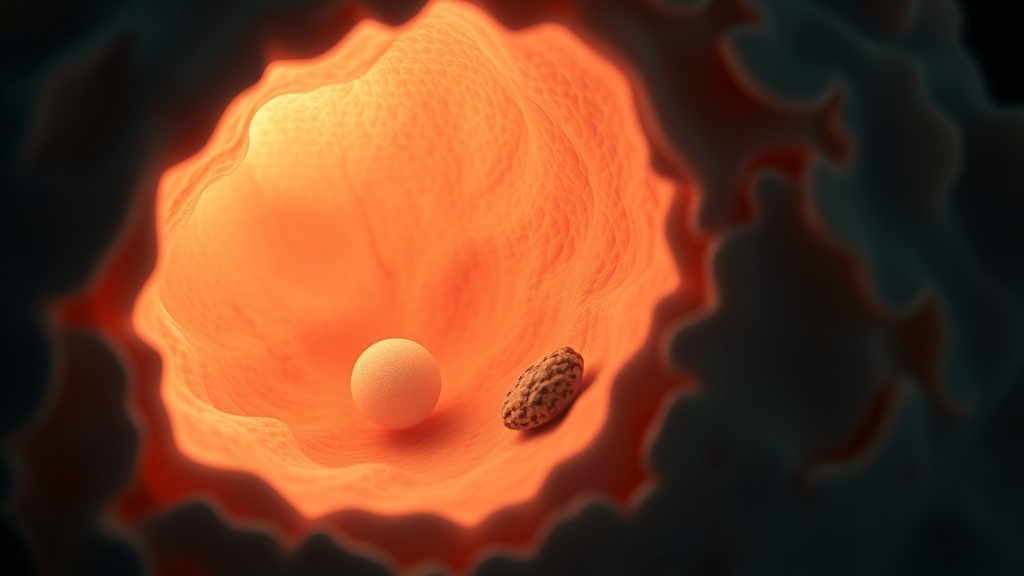 Causes8 min
How Do Tonsil Stones Form? The Biology, Honestly Explained
The unglamorous truth about what a tonsil stone is, how it builds up in the folds of your tonsils, and why the crypts that make them are simply part of your anatomy.
Read →→ Answers8 min
Can Tonsil Stones Make You Sick? An Honest Look
A calm, honest look at whether tonsil stones can actually make you unwell, the local nuisances they do cause, and the red flags worth taking seriously.
Read →→ Answers8 min
Can a Dentist Remove Tonsil Stones? Your Professional Options
Who actually removes tonsil stones, the in-office options from simple expression to crypt reshaping, and how to know when a professional is worth it.
Read →→ Answers8 min
Why Do My Tonsil Stones Smell So Bad? The Sulfur Science
The unmistakable, sulfurous smell of a tonsil stone has a specific bacterial chemistry behind it — and understanding it points straight to what actually helps.
Read →→ Best Of8 min
Best Mouthwash for Tonsil Stones: What Actually Helps
A rinse can freshen and flush, but it cannot dislodge a deep stone. Here is how to choose well.
Read →→ Guides8 min
How to Get Rid of Tonsil Stones: A Step-by-Step Guide
The safe, evidence-informed way to dislodge tonsil stones and keep the crypts from refilling.
Read →→