Best Mouthwash for Tonsil Stones: What Actually Helps
A rinse can freshen and flush, but it cannot dislodge a deep stone. Here is how to choose well.

- No mouthwash dissolves a lodged tonsil stone, but the right rinse, used as a vigorous gargle, can flush shallow stones, lower odour-producing bacteria and help freshen breath.
- Look for alcohol-free formulas: alcohol dries the mouth, and a drier mouth clears crypt debris less well, which can be counterproductive over time.
- Oxygenating rinses are a sensible fit because the bacteria inside stones are anaerobes that dislike oxygen; the goal is to disrupt that low-oxygen environment.
- Strong antibacterial rinses such as chlorhexidine work but are trade-offs: with weeks of use they can stain teeth and alter taste, so they are short-course tools, not daily staples.
- The rinse is a supporting act; gargling technique, a low-pressure water flosser and daily consistency do most of the real work.
The best mouthwash for tonsil stones is an alcohol-free, oxygenating rinse used as a vigorous gargle. It can flush shallow stones, lower odour-causing anaerobic bacteria and freshen breath. No rinse dissolves a deep stone, so pair it with gentle water flossing and daily consistency for the real effect.
What a mouthwash can and cannot do
It helps to be clear about the mechanism before choosing a product. A tonsil stone is a compacted, partly calcified lump wedged in a tonsil crypt. No over-the-counter rinse dissolves calcified material, so no mouthwash will make a lodged stone disappear. What a rinse can do is act on the environment around the stone. Used as a vigorous gargle rather than a passive swish, it mechanically agitates and can flush loose, shallow debris and small stones out of the crypts. It also lowers the overall population of odour-producing bacteria in the mouth and can mask smell for a while. According to PubMed, the bacteria packed inside tonsil stones are anaerobes, organisms that thrive in low oxygen, which is the reasoning behind oxygenating rinses: raising oxygen and disrupting that sheltered environment is less hospitable to them. So the honest framing is that a mouthwash is a helpful supporting tool for freshness and for flushing shallow debris, not a treatment that removes established stones. That job belongs to gargling technique, gentle water flossing, and, when needed, a clinician.

A rinse works best inside a daily gargle-and-flush routine; consistency, not the product alone, carries the effect.
What the research actually shows
Each row maps to a named, peer-reviewed source in the Sources section. According to PubMed.
| Claim | Evidence | Source |
|---|---|---|
| The bacteria inside tonsil stones are anaerobes that produce volatile sulfur compounds, which is why disrupting their low-oxygen environment is the target. | 16S rDNA sequencing and electron microscopy of tonsil stones from six people. | Tsuneishi et al., Microbes Infect 2006 |
| Visible tonsil stones are strongly associated with higher breath-sulfur readings, so reducing the bacterial load is a reasonable freshness goal. | Halitometry study of 49 patients with chronic caseous tonsillitis. | Dal Rio et al., Br Dent J 2007 |
| Chlorhexidine rinses reduce bacteria strongly but cause tooth staining and taste disturbance with four or more weeks of use, so they suit short courses only. | Cochrane systematic review of chlorhexidine mouthrinse. | James et al., Cochrane Review 2017 |
| Small tonsil stones are managed expectantly and often pass on their own, so a rinse is a supportive measure rather than a cure. | Clinical review of tonsillitis and tonsillolith management. | Smith et al., Am Fam Physician 2023 |
Mouthwash types compared for tonsil stones
| Rinse type | How it helps | Best use | Downsides |
|---|---|---|---|
| Alcohol-free oxygenating rinse | Disrupts the anaerobic environment; freshens; flushes as a gargle | Daily maintenance gargle | Effect on odour is short-lived; needs consistency |
| Alcohol-free antibacterial (e.g. CPC) | Lowers bacterial load; freshens breath | Daily, alongside flushing | Mainly masks; does not remove stones |
| Salt water (saline) | Cheap, gentle agitation that flushes shallow debris | Several times daily | No lasting antibacterial effect |
| Chlorhexidine | Strong short-term bacterial reduction | Short courses only, if advised | Tooth staining and taste change with weeks of use |
| High-alcohol rinse | Brief fresh feeling | Not recommended here | Dries the mouth, which can worsen debris clearance |
Why alcohol-free and why gargle, not swish
Two details separate a rinse that helps from one that quietly works against you. The first is alcohol. High-alcohol rinses give a sharp, clean feeling, but alcohol dries the oral tissues, and a drier mouth produces less saliva to naturally flush the crypts. Over time that can leave more debris behind, the opposite of what you want with tonsil stones, so alcohol-free is the sensible default. The second is technique. Most people use mouthwash as a passive swish around the teeth, which never reaches the tonsils. To do anything for tonsil stones, the rinse has to be gargled: head tilted back, throat engaged, for a full thirty to sixty seconds so the liquid agitates the crypts at the back of the throat. That mechanical action is what flushes shallow debris, more so than the specific active ingredient. This is also why strong antibacterial rinses like chlorhexidine are a poor everyday choice here: the Cochrane evidence shows they stain teeth and disturb taste with prolonged use, so their trade-offs outweigh the benefit for a maintenance routine. Reserve them for short, clinician-advised courses, and let a gentle alcohol-free gargle carry the daily load.
Evidence you can act on.
Occasional emails — new research, new protocols, no noise.
How to use a rinse effectively
The product matters less than how you use it. Treat the rinse as one part of a flush-and-freshen routine.
- 1
Pick an alcohol-free, oxygenating rinse
one-time choiceChoose a formula without alcohol, ideally oxygenating or with a gentle antibacterial like cetylpyridinium chloride. This targets the anaerobic environment of the stones without drying the mouth the way alcohol does.
- 2
Gargle, do not just swish
30 to 60 secondsTilt your head back and gargle so the rinse reaches the back of the throat and agitates the tonsil crypts. This mechanical flushing, not passive swishing around the teeth, is what dislodges shallow debris and small stones.
- 3
Pair it with a water flosser
1 to 2 minutesFollow the gargle with a low-pressure water flosser aimed at the crypts from a small distance. The rinse and the flush together do far more than either alone, dislodging stones and washing out debris.
- 4
Keep it daily and stay hydrated
ongoingBecause the freshening effect is short-lived, daily use is what maintains it. Sipping water through the day keeps saliva flowing so the crypts self-clean between rinses. Save strong chlorhexidine rinses for short courses only.
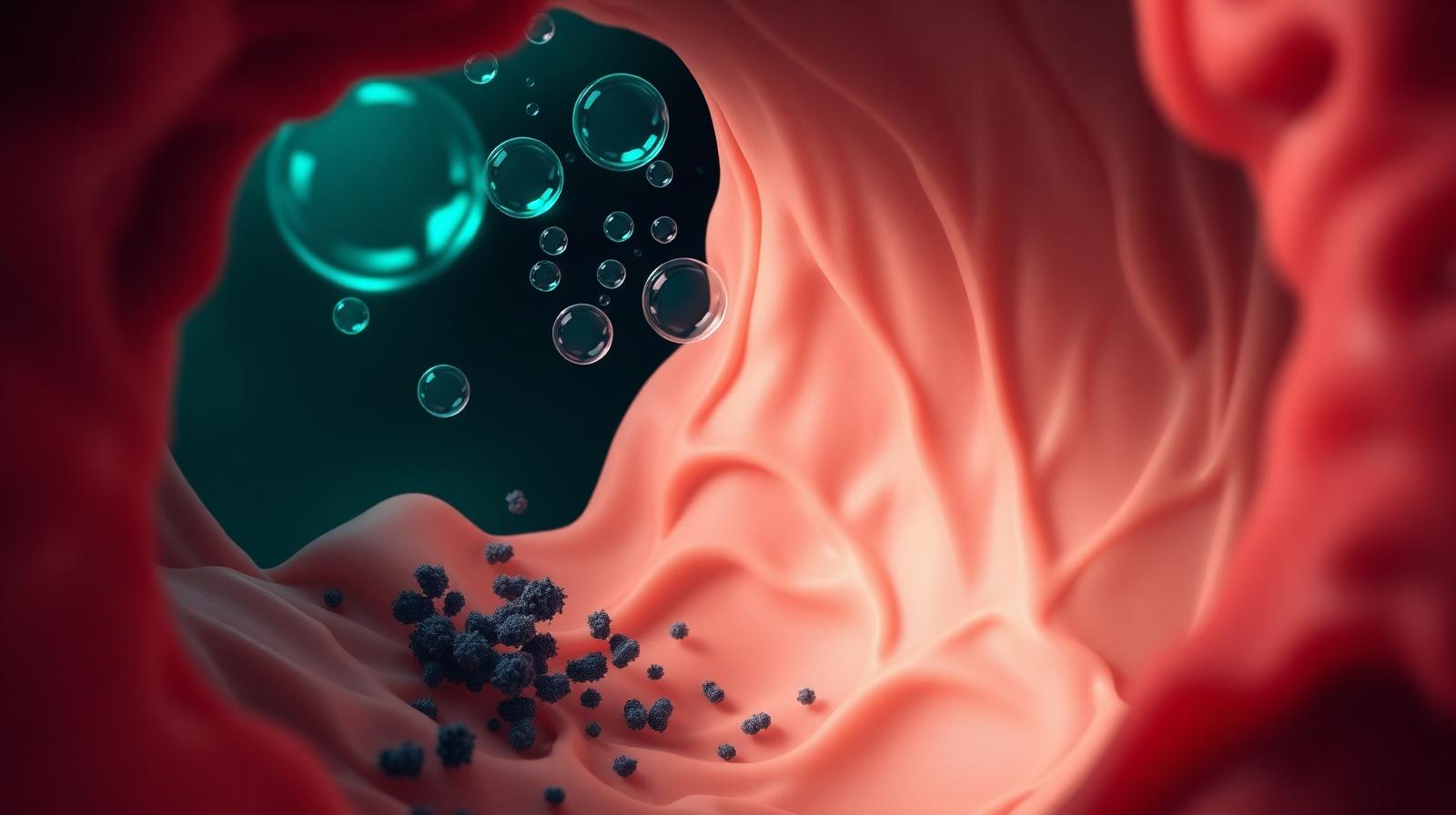
Oxygenating rinses target the low-oxygen environment where the stone''s anaerobic bacteria thrive.
A mouthwash is for freshness and flushing, not for removing established stones. See a doctor or ENT if you have large or recurrent stones, persistent one-sided throat pain, difficulty swallowing, swelling, or breath odour that does not improve despite gargling, water flossing and good oral hygiene. Persistent cases can be managed professionally with crypt cleaning, laser cryptolysis, or in selected cases tonsillectomy.
Frequently asked questions
Sources
- 1.
- 2.
- 3.
- 4.

Fix your breath at the source.
The complete science-backed protocol — engineered to eliminate volatile sulfur compounds at the biological source.
Start the Breath Protocol →Related reading
Educational purposes only. The content on this page is not medical advice and is not a substitute for consultation with a qualified dental or medical professional.
More from the library
 Causes8 min
How Do Tonsil Stones Form? The Biology, Honestly Explained
The unglamorous truth about what a tonsil stone is, how it builds up in the folds of your tonsils, and why the crypts that make them are simply part of your anatomy.
Read →→ Answers8 min
Can Tonsil Stones Make You Sick? An Honest Look
A calm, honest look at whether tonsil stones can actually make you unwell, the local nuisances they do cause, and the red flags worth taking seriously.
Read →→ Answers8 min
Can a Dentist Remove Tonsil Stones? Your Professional Options
Who actually removes tonsil stones, the in-office options from simple expression to crypt reshaping, and how to know when a professional is worth it.
Read →→ Answers8 min
Why Do My Tonsil Stones Smell So Bad? The Sulfur Science
The unmistakable, sulfurous smell of a tonsil stone has a specific bacterial chemistry behind it — and understanding it points straight to what actually helps.
Read →→ Guides8 min
How to Get Rid of Tonsil Stones: A Step-by-Step Guide
The safe, evidence-informed way to dislodge tonsil stones and keep the crypts from refilling.
Read →→ Guides8 min
Chronic Tonsil Stones: Why They Keep Coming Back
Recurring tonsil stones are driven by anatomy you cannot change — so the honest goal is steady control, not a one-time cure.
Read →→