Can Tonsil Stones Cause Bad Breath? What the Evidence Says
Why a small stone in the throat can create an outsized smell, and how to know if it is yours.

- Yes: tonsil stones are a recognised cause of bad breath, because they are dense clusters of anaerobic bacteria that release smelly volatile sulfur compounds.
- In one halitometry study, a visible tonsil stone was linked to roughly a tenfold higher chance of abnormal breath sulfur readings.
- Molecular analysis of real stones found them dominated by sulfur-producing anaerobes, which is the direct mechanism behind the odour.
- A telltale sign is bad breath that persists despite thorough brushing, flossing and tongue cleaning, sometimes with a bad taste or the occasional gritty white lump you cough up.
- Clearing the stone and keeping the crypts flushed usually freshens breath; if it does not, the odour source is probably elsewhere, such as the tongue, gums or sinuses.
Yes. Tonsil stones can cause bad breath. Each stone is a packed colony of anaerobic bacteria that release volatile sulfur compounds, the same gases behind halitosis. Studies link visible stones to markedly higher breath-sulfur readings. Removing the stone and keeping the crypts clear usually freshens breath noticeably.
Why a tiny stone smells so strong
Bad breath is mostly a chemistry problem. Certain bacteria break down proteins and release volatile sulfur compounds (VSCs), chiefly hydrogen sulfide, which smells of rotten eggs, and methyl mercaptan, which is sharper and more offensive. These bacteria are anaerobes: they thrive where oxygen is scarce. A tonsil stone is an almost perfect home for them. It sits deep in a tonsil crypt, its interior is low in oxygen, and it is made of exactly the protein-rich debris these bacteria feed on. According to PubMed, when researchers sequenced the bacteria inside real tonsil stones, they found genera such as Fusobacterium, Prevotella, Porphyromonas, Selenomonas and Tannerella, all associated with VSC production. So although a stone may be only a few millimetres across, it is a concentrated, continuous source of the exact gases that other people notice as bad breath. That concentration is why the smell can be strong out of proportion to the stone's size, and why brushing your teeth does little: the source is at the back of the throat, not on the teeth.
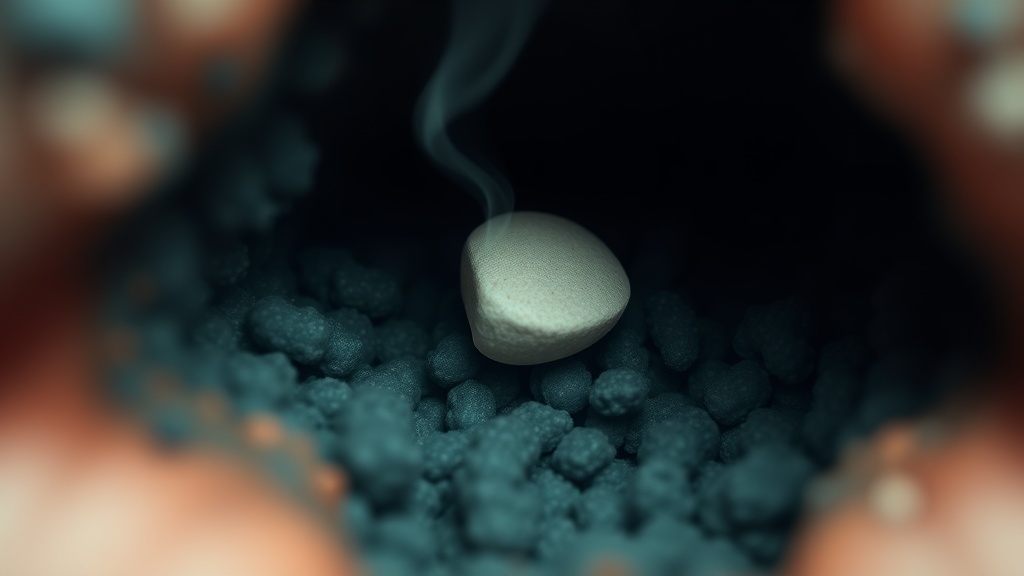
A stone concentrates sulfur-producing anaerobes in one low-oxygen pocket, so a small lump can drive a strong smell.
What the research actually shows
Each row maps to a named, peer-reviewed source in the Sources section. According to PubMed.
| Claim | Evidence | Source |
|---|---|---|
| A visible tonsillolith was associated with roughly a tenfold increased risk of abnormal breath VSC readings; stones were present in 75 percent of people with abnormal halitometry versus 6 percent with normal. | Halitometry study of 49 patients with chronic caseous tonsillitis and halitosis. | Dal Rio et al., Br Dent J 2007 |
| The bacteria inside tonsil stones are anaerobes that produce volatile sulfur compounds, supporting the stone as an origin of oral malodour. | 16S rDNA sequencing and electron microscopy of stones from six people. | Tsuneishi et al., Microbes Infect 2006 |
| Tonsilloliths are described as tonsillar biofilms that cause halitosis, foreign-body sensation and recurrent sore throats. | Review of 500 in-office laser tonsil cryptolysis cases. | Krespi and Kizhner, Am J Otolaryngol 2013 |
| Tonsil stones are a common and recognised cause of bad breath, formed from calcified debris and microorganisms in the tonsil crypts. | Clinical case report and literature review of tonsillolith. | Alfayez et al., Saudi Med J 2018 |
Is it tonsil stones or another cause?
| Clue | Points toward tonsil stones | Points elsewhere |
|---|---|---|
| Timing of odour | Persists after brushing, flossing and tongue cleaning | Improves markedly right after oral hygiene |
| Visible signs | Occasional white or yellow lumps you cough up; specks on the tonsils | No lumps; a coated tongue or bleeding gums instead |
| Sensation | Foreign-body or full feeling in the throat, mild bad taste | Dry mouth, sinus drainage, heartburn, or gum soreness |
| What helps | Gargling and gentle crypt flushing freshen breath | Tongue scraping, gum care or treating reflux or sinuses helps more |
When your bad breath is NOT the stones
Tonsil stones are a real and common cause of halitosis, but they are not the only one, and it is worth being honest about that. Roughly the largest share of everyday bad breath comes from the tongue, where a bacterial coating on the back produces the same sulfur gases. Gums affected by inflammation, a chronically dry mouth, post-nasal drip from the sinuses, and acid reflux can each generate odour independently of your tonsils. This matters because if you fixate on the stones and the smell persists after you clear them, you may miss the actual source. A useful self-test: clear any visible stones, keep the crypts flushed for a couple of weeks alongside thorough brushing, flossing and tongue cleaning, and see whether the breath improves. If it does, the stones were likely the driver. If a sour or stale smell lingers regardless, the cause is probably elsewhere and worth investigating rather than scraping harder at your tonsils. Both can also be true at once, with stones adding to a tongue-driven baseline.
Evidence you can act on.
Occasional emails — new research, new protocols, no noise.
How to tell if tonsil stones are your problem
A short, structured check beats guessing. Do this over a couple of weeks before drawing conclusions.
- 1
Look and listen for the signs
a few minutesWith a light and mirror, check the tonsils for white or yellow specks in the crypts. Note whether you occasionally cough up small gritty lumps or feel a foreign-body sensation at the back of the throat; these point toward stones.
- 2
Rule out the obvious mouth sources
2 weeksBrush twice daily, floss, and clean the back of the tongue every morning. If breath is fine right after this routine but returns quickly, and you can see specks on the tonsils, the tonsils are a likely contributor.
- 3
Clear and flush the crypts
daily for 2 weeksGargle warm salt water and use a low-pressure water flosser to dislodge and flush stones. If breath noticeably freshens and stays fresher, the stones were driving it. Keep the daily flush going to maintain the effect.
- 4
Reassess honestly
end of 2 weeksIf the smell persists despite clear crypts and good oral hygiene, the source is probably the tongue, gums, sinuses or gut. That is the point to see a dentist or doctor rather than keep targeting the tonsils.
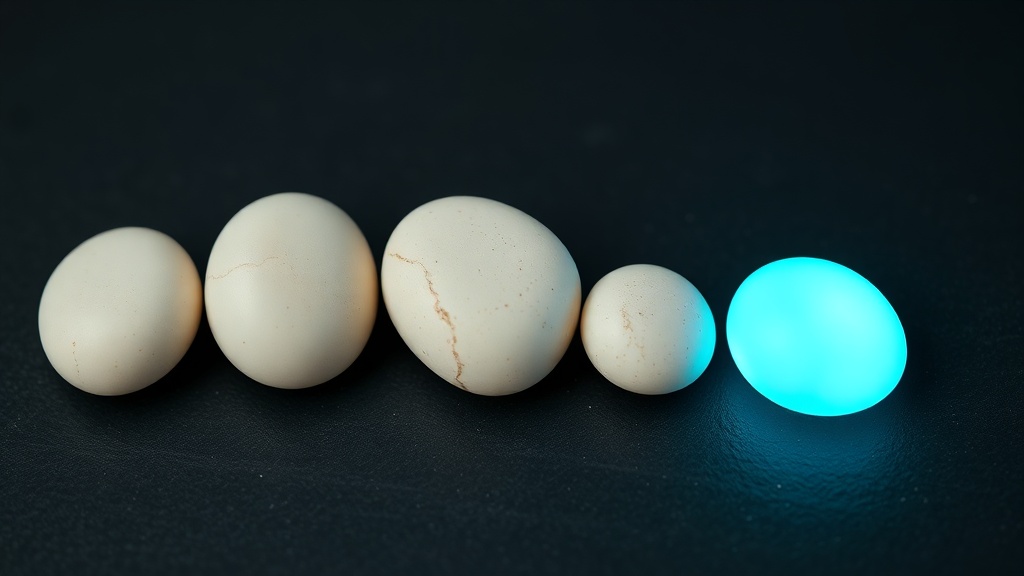
Work through the likely sources in order so you treat the real driver rather than guessing.
See a dentist or doctor if bad breath persists despite clearing tonsil stones and good oral hygiene, or if you have one-sided throat pain, difficulty swallowing, ear pain, swelling, or large or frequently recurring stones. Persistent halitosis sometimes points to gum disease, a sinus problem, reflux or another condition that home care will not resolve, and recurrent troublesome stones can be managed professionally.
Frequently asked questions
Sources
- 1.
- 2.
- 3.
- 4.

Fix your breath at the source.
The complete science-backed protocol — engineered to eliminate volatile sulfur compounds at the biological source.
Start the Breath Protocol →Related reading
Educational purposes only. The content on this page is not medical advice and is not a substitute for consultation with a qualified dental or medical professional.
More from the library
 Causes8 min
How Do Tonsil Stones Form? The Biology, Honestly Explained
The unglamorous truth about what a tonsil stone is, how it builds up in the folds of your tonsils, and why the crypts that make them are simply part of your anatomy.
Read →→ Answers8 min
Can Tonsil Stones Make You Sick? An Honest Look
A calm, honest look at whether tonsil stones can actually make you unwell, the local nuisances they do cause, and the red flags worth taking seriously.
Read →→ Answers8 min
Can a Dentist Remove Tonsil Stones? Your Professional Options
Who actually removes tonsil stones, the in-office options from simple expression to crypt reshaping, and how to know when a professional is worth it.
Read →→ Answers8 min
Why Do My Tonsil Stones Smell So Bad? The Sulfur Science
The unmistakable, sulfurous smell of a tonsil stone has a specific bacterial chemistry behind it — and understanding it points straight to what actually helps.
Read →→ Best Of8 min
Best Mouthwash for Tonsil Stones: What Actually Helps
A rinse can freshen and flush, but it cannot dislodge a deep stone. Here is how to choose well.
Read →→ Guides8 min
How to Get Rid of Tonsil Stones: A Step-by-Step Guide
The safe, evidence-informed way to dislodge tonsil stones and keep the crypts from refilling.
Read →→