Why Do My Tonsil Stones Smell So Bad?
The unmistakable, sulfurous smell of a tonsil stone has a specific bacterial chemistry behind it — and understanding it points straight to what actually helps.
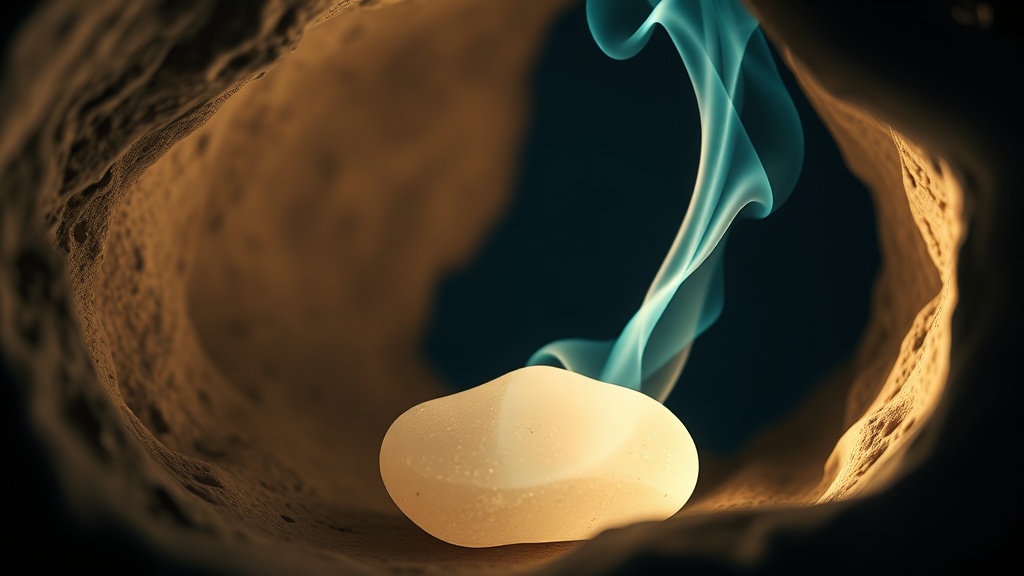
- The smell is chemistry, not dirtiness: the bacteria packed inside a tonsil stone give off volatile sulfur compounds (VSCs) — mainly hydrogen sulfide and methyl mercaptan — the same gases behind everyday bad breath, only concentrated.
- That rotten-egg, decaying odor is the signature of low-oxygen bacteria. A tonsil stone core is nearly oxygen-free, exactly the environment sulfur-producing anaerobes thrive in.
- Having a tonsil stone carries roughly a tenfold higher chance of an abnormal breath-sulfur reading — the single strongest link between these stones and odor.
- This is why brushing and mouthwash alone do not fix it: a toothbrush and a rinse never reach inside the crypt where the smell is made, so the tonsillar odor persists even when the rest of the mouth is clean.
- The smell is managed by physically clearing the debris and neutralizing the gases — not cured; the crypts that hold the stones are part of your anatomy and do not disappear.
Tonsil stones smell so bad because they are packed with sulfur-producing anaerobic bacteria that release volatile sulfur compounds — hydrogen sulfide and methyl mercaptan, the gases of rotten eggs and decay. Concentrated inside the stone oxygen-starved core, these compounds create an odor far stronger than ordinary breath, which is why it is so distinct and hard to ignore.
Where the smell actually comes from
Break a tonsil stone smell down to its chemistry and you find a small number of gases doing all the damage. The two that matter are hydrogen sulfide, the gas of rotten eggs, and methyl mercaptan, a sharper note of decaying cabbage and stale sewage. Together these are called volatile sulfur compounds, or VSCs, and they are the same molecules responsible for ordinary morning breath — the difference with a tonsil stone is concentration and source. A tonsil stone is not an inert pebble; under the microscope it behaves as a living biofilm, an organised bacterial community whose core is starved of oxygen. In one landmark study its centre held only about a tenth of the oxygen of the surrounding fluid, and feeding it sugar dropped its internal pH from 7.3 to 5.8. That low-oxygen pocket is the perfect home for anaerobic bacteria, and when researchers sequenced what actually lives inside tonsil stones they found a roll-call of sulfur-producing anaerobes — Fusobacterium, Porphyromonas, Prevotella, Tannerella and their relatives — all associated with the production of volatile sulfur compounds. These bacteria feed on the sulfur-containing amino acids in the trapped debris and give off VSCs as waste. Of the two main gases, methyl mercaptan is the one your nose registers as genuinely offensive; it is the compound most closely tied to breath that other people actually notice. So the foul smell is not a sign that you are unclean — it is the exhaust of a dense, sheltered bacterial colony doing exactly what its chemistry dictates.
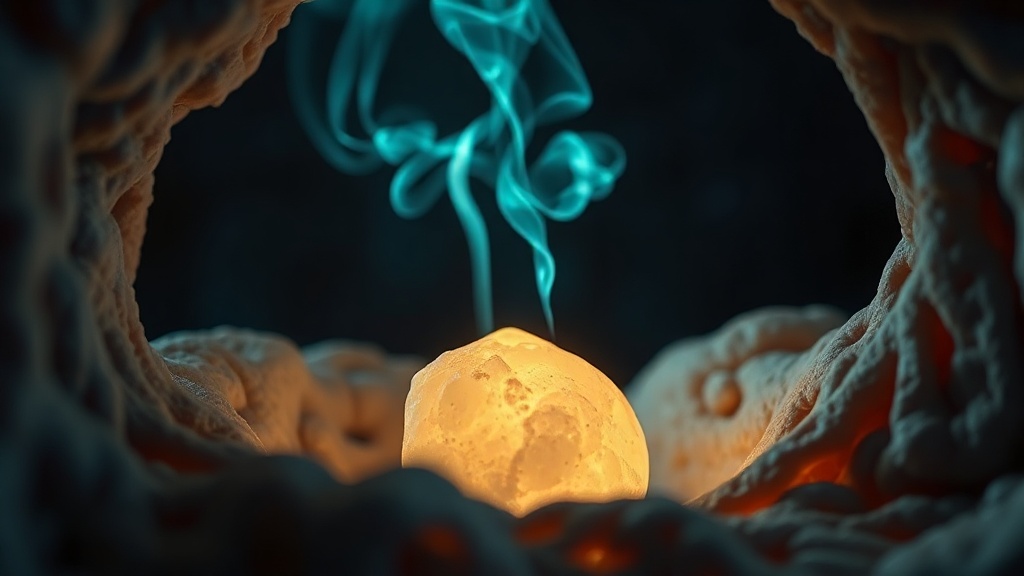
Inside a tonsil stone, oxygen-starved bacteria break down trapped debris and release volatile sulfur compounds — the source of the smell.
What the research actually shows
Every claim below maps to a named, peer-reviewed source in the Sources section. According to PubMed.
| Claim | Evidence | Source |
|---|---|---|
| Having a tonsil stone carried about a tenfold higher chance of abnormal breath-sulfur readings — present in 75% of the abnormal-breath group versus 6% of the normal group. | Halitometry study of chronic caseous-tonsillitis patients (n=49). | Dal Rio et al., 2007 |
| The bacteria found inside tonsil stones are sulfur-compound-producing anaerobes — the same class behind oral malodour. | 16S rDNA analysis of tonsillolith specimens. | Tsuneishi et al., 2006 |
| A tonsil stone is a living biofilm with a nearly oxygen-free core — the low-oxygen setting sulfur-producing bacteria favour. | Confocal microscopy and microelectrode study of 16 adults. | Stoodley et al., 2009 |
| Methyl mercaptan is the volatile sulfur compound most closely tied to breath odour that others actually notice. | Clinical halitometry with ROC-threshold analysis. | Awano et al., 2004 |
| Tonsil odour persists after ordinary hygiene: a month of tongue scraping plus a zinc rinse cut general mouth odour but barely moved tonsil odour. | One-month oral-hygiene intervention study. | Talebian et al., 2008 |
What drives the smell
| The odour factor | What it means | Can you change it? |
|---|---|---|
| Sulfur-producing bacteria in the crypt | They generate the hydrogen sulfide and methyl mercaptan you smell | Partly — clearing debris starves them |
| The oxygen-starved stone core | It shelters the anaerobes that make the worst gases | Yes — disrupting the stone breaks the pocket |
| Deep or branched tonsil crypts | They hold debris long enough for it to ferment and smell | No — it is your anatomy |
| Dry mouth (mornings, after alcohol) | Less saliva means the gases concentrate and linger | Partly — hydration helps |
| Overall mouth bacteria | They add background breath odour on top of the stone | Yes — brushing and tongue cleaning |
Why ordinary brushing and mouthwash do not touch it
If you have scrubbed, flossed, scraped and rinsed and the smell still comes back, that is not a personal failing — it is a geography problem. In one month-long study, tongue scraping plus a zinc rinse clearly reduced general mouth odour but barely moved the odour coming from the tonsils; the two sources decoupled, because a toothbrush and a swish of mouthwash simply never reach inside a deep crypt. Chemistry alone struggles too. Laboratory work on dental biofilm shows that even after ten minutes of chlorhexidine — one of the strongest antiseptic rinses there is — the deep core of a biofilm is still respiring and fermenting, protected by its own structure. The lesson is that the smell is generated in a sheltered pocket that rinses wash over but do not enter. What does help is a two-part approach that matches the chemistry: physically flush the debris out before it ferments, and neutralize the sulfur gases that remain. A single cycle of gentle water irrigation has been shown to significantly lower total VSCs and methyl mercaptan — direct evidence that flushing reduces the odour gases. And zinc, used in many breath rinses, works by binding sulfide into non-volatile, odourless zinc compounds — a genuinely cosmetic deodorant action rather than any kind of cure. Combine the two and you address the smell where it is actually made, instead of masking it a few inches away.
Evidence you can act on.
Occasional emails — new research, new protocols, no noise.
How to keep the smell down
You cannot stop your crypts from collecting debris, but you can keep the smell in check by clearing that debris early and neutralizing the gases it produces. None of this treats a disease — it simply keeps the odour down.
- 1
Flush the crypts gently and regularly
under a minute dailyDebris that is rinsed out early never gets the chance to ferment and smell. A gentle, low-pressure water rinse aimed at the tonsil area is the most sensible tool; a single irrigation cycle has been shown to lower the sulfur gases behind the odour. Keep the pressure low — forceful jets can bruise or bleed the tissue.
- 2
Neutralize the sulfur gases
twice dailyAn alcohol-free rinse containing zinc (and often cetylpyridinium chloride) binds sulfide into odourless compounds and lowers the general bacterial load. This is a cosmetic deodorant action that freshens breath; it works alongside physical clearing, not instead of it.
- 3
Keep your mouth from drying out
all daySaliva is the mouth built-in rinse, and a dry mouth lets gases concentrate — which is part of why the smell is often worst first thing in the morning. Sip water through the day, especially after coffee or alcohol, and breathe through your nose where you can.
- 4
Lower the background bacterial load
twice dailyThorough brushing, flossing and tongue cleaning reduce the general population of odour-producing bacteria in the mouth. Be honest about the limit: this supports the whole environment but does not reach inside the crypt, so it complements gentle clearing rather than replacing it.
- 5
Never gouge with sharp or metal tools
—Digging at a tonsil with a metal pick, a bobby pin or a fingernail risks puncturing the delicate tissue, bleeding and infection. If a stone will not release with gentle rinsing or a soft swab, leave it — most work loose on their own — or see a professional.
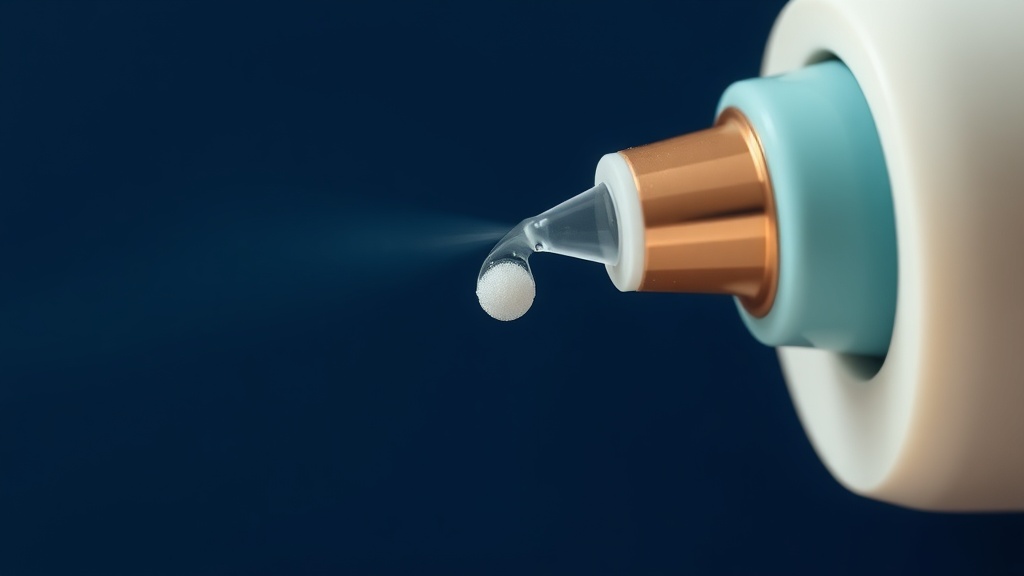
Flushing debris out early and neutralizing the sulfur gases is what keeps the smell down — gently, at low pressure.
Most tonsil-stone odour is harmless and manageable at home. See a dentist or an ENT if the smell comes with one tonsil that stays visibly larger than the other, ongoing pain or difficulty swallowing, repeated throat infections, persistent ear pain, or bleeding. A lasting one-sided tonsil enlargement in particular should always be assessed in person, because a persistent asymmetry needs a professional to rule out other causes — it is not something to judge from a mirror.
Frequently asked questions
Sources
- 1.
- 2.
- 3.
- 4.
- 5.
- 6.
- 7.
- 8.
- 9.
- 10.
- 11.
- 12.

Fix your breath at the source.
The complete science-backed protocol — engineered to eliminate volatile sulfur compounds at the biological source.
Start the Breath Protocol →Related reading
Educational purposes only. The content on this page is not medical advice and is not a substitute for consultation with a qualified dental or medical professional.
More from the library
 Answers8 min
Can Tonsil Stones Cause Bad Breath? What the Evidence Says
Why a small stone in the throat can create an outsized smell, and how to know if it is yours.
Read →→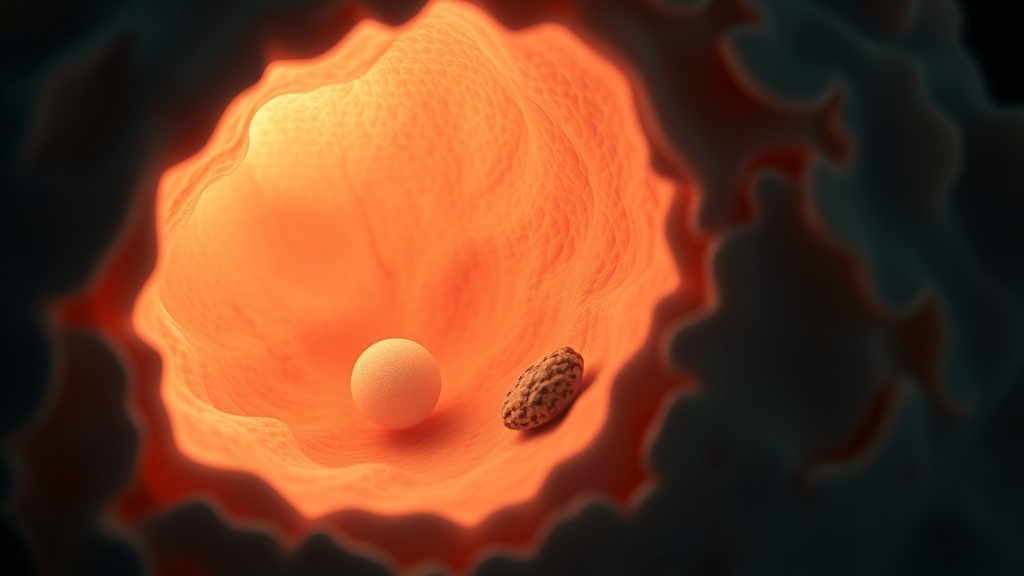 Causes8 min
How Do Tonsil Stones Form? The Biology, Honestly Explained
The unglamorous truth about what a tonsil stone is, how it builds up in the folds of your tonsils, and why the crypts that make them are simply part of your anatomy.
Read →→ Best Of8 min
Best Mouthwash for Tonsil Stones: What Actually Helps
A rinse can freshen and flush, but it cannot dislodge a deep stone. Here is how to choose well.
Read →→ Guides8 min
How to Get Rid of Tonsil Stones: A Step-by-Step Guide
The safe, evidence-informed way to dislodge tonsil stones and keep the crypts from refilling.
Read →→ Answers8 min
Can Tonsil Stones Make You Sick? An Honest Look
A calm, honest look at whether tonsil stones can actually make you unwell, the local nuisances they do cause, and the red flags worth taking seriously.
Read →→ Answers8 min
Can a Dentist Remove Tonsil Stones? Your Professional Options
Who actually removes tonsil stones, the in-office options from simple expression to crypt reshaping, and how to know when a professional is worth it.
Read →→