
Can a Dentist Remove Tonsil Stones?
Who actually removes tonsil stones, the in-office options from simple expression to crypt reshaping, and how to know when a professional is worth it.
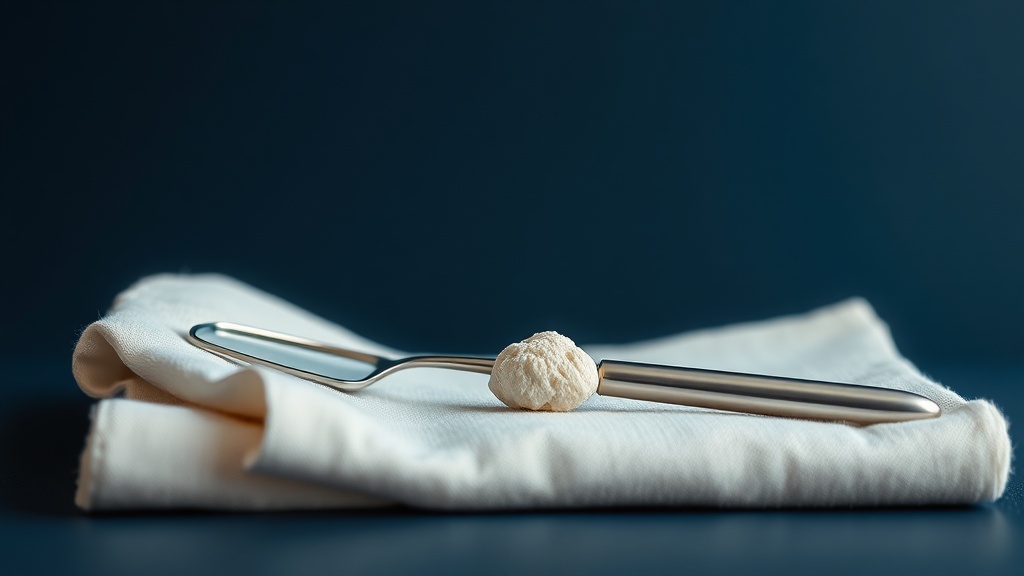
- Yes, a professional can remove tonsil stones. In practice a general dentist often spots them and refers you, while an ear, nose and throat (ENT) specialist is the clinician who usually performs in-office removal.
- Most tonsil stones never need a procedure at all. They are common, usually harmless and often clear on their own, so professionals manage them expectantly and reserve any intervention for stones that keep coming back or cause real bother.
- In-office options range from simple manual expression and gentle suction or irrigation to crypt-reshaping procedures such as laser or coblation cryptolysis for stubborn, recurrent cases.
- Removing the tonsils entirely is a genuine last resort, not a first step, because the tonsil bed can bleed and recovery is real; it is a medical decision made with an ENT.
- The reason to see a professional rather than dig at home is safety: the throat tissue is delicate, and forceful self-instrumentation with picks or metal tools risks trauma, bleeding and infection.
Yes. A dentist can identify tonsil stones and usually refers you to an ENT, who can remove them in the office by gently expressing, suctioning or irrigating them, and for stubborn recurrent cases can reshape the crypts with laser or coblation. Most stones never need any of this and are simply managed as they come.
Who actually removes tonsil stones, and how
There is a small division of labour here. A general dentist is often the first person to notice tonsil stones, because they look inside your mouth regularly and may see them on an examination or an x-ray. A dentist can offer advice, and may gently dislodge an obvious surface stone, but for anything more involved they will usually refer you to an ear, nose and throat (ENT) specialist, who is the clinician trained to work at the back of the throat. In the office, the gentlest options come first. A clinician can express a visible stone by pressing carefully on the tissue around it, lift it with a blunt instrument, or flush the crypts with low-pressure irrigation and suction, none of which requires cutting. When stones are frequent and genuinely disruptive, the conversation turns to reshaping the crypts themselves. Cryptolysis uses a laser, radiofrequency, or coblation energy to smooth and shallow out the deep pockets so debris has fewer places to lodge. Authoritative reviews describe small tonsil stones as common findings that are managed expectantly, with a procedure reserved for the minority that keep returning, so removal is best understood as a ladder you climb only as far as you need.
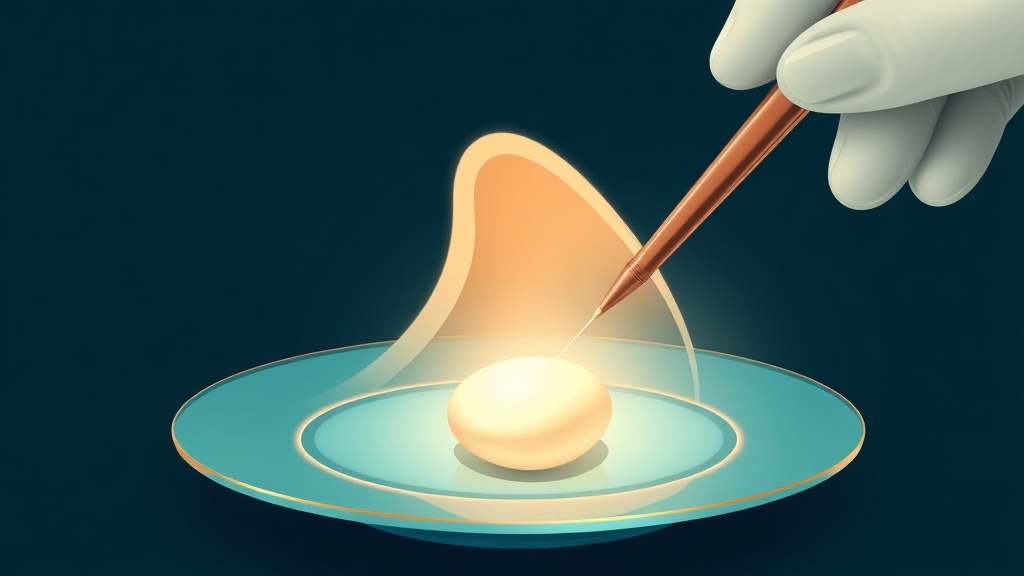
In-office removal starts gently: expressing, lifting or irrigating a stone free before any thought of a procedure.
What the research actually shows
Every claim below maps to a named, peer-reviewed source in the Sources section. According to PubMed.
| Claim | Evidence | Source |
|---|---|---|
| Small tonsil stones are common clinical findings that are managed expectantly; surgery is rarely required unless they grow too large to pass. | Am Fam Physician clinical review of tonsilloliths. | Smith et al., 2023 |
| Both radiofrequency and CO-laser cryptolysis were effective and safe for stubborn cases, with the laser causing significantly less pain and bleeding. | Randomised controlled trial (n=62), the strongest design in this niche. | Hashemian et al., 2018 |
| In 500 in-office laser cryptolysis cases, bleeding occurred in only 1.2%, 16% needed a second session, and just 3.6% went on to full tonsillectomy. | Consecutive case series, 1-8 year follow-up. | Krespi and Kizhner, 2013 |
| A single coblation session left 82.1% of patients free of caseum at six months, with symptom scores falling from 8.0 to 1.25. | Single-session coblation cryptolysis series (n=28). | Erdur et al., 2021 |
| Tonsillectomy done for tonsil stones carried the highest raw post-operative bleed rate (17.9%) among indications, which is why it is a last resort. | Retrospective cohort of adult tonsillectomy indications (n=574). | Patel et al., 2022 |
Ways a professional can clear or reduce tonsil stones
| Approach | What it involves | Typically for |
|---|---|---|
| Manual expression or suction | A clinician gently presses out, lifts or suctions a stone in the office | An occasional visible stone |
| Oral irrigation | Low-pressure water flushes debris from the crypts | Ongoing debris, in office or at home |
| Laser cryptolysis | A laser reshapes and smooths the crypts so debris cannot lodge | Frequent, recurrent stones |
| Coblation cryptolysis | Radiofrequency energy shallows the crypts at a lower temperature | Recurrent stones, under local or general anaesthetic |
| Tonsillectomy | The tonsils are removed entirely | A true last resort for severe, persistent cases |
Why a procedure is rarely the first answer
It is easy to assume that a professional will always want to do something, but the evidence points the other way. Tonsil stones are so common, and so often harmless, that the default in the literature is watchful management rather than intervention. On repeat imaging most stones that move drift toward the throat opening, where they are swallowed or coughed out, and a meaningful share disappear entirely without anyone touching them. Guidance on managing halitosis linked to the tonsils explicitly treats procedures as contraindicated when the odour is subjective, when the cause is not actually the tonsils, or when simple measures already settle it, which places conservative, at-home care first. There is also a real trade-off to respect: removing the tonsils outright carries the highest raw post-operative bleed rate among the reasons people have the surgery, so it is reserved for cases that truly warrant it. For most people, a light routine of gentle low-pressure rinsing does the job, and a single irrigation cycle has been shown to lower the sulfur gases behind the smell, which is why a professional will usually start by helping you manage stones at home rather than reaching for a procedure.
Evidence you can act on.
Occasional emails — new research, new protocols, no noise.
How to decide whether to see a professional
Think of this as a ladder: start with the gentlest step, and only climb higher if stones keep returning or something feels wrong. None of this treats a disease; it is about clearing debris safely and knowing when to get eyes on it.
- 1
Try gentle clearing at home first
a week or twoA low-pressure water rinse aimed at the tonsil area clears most occasional stones and freshens the breath. Keep the pressure low to protect the tissue, and give it a fair trial before assuming you need a clinic.
- 2
Book a dentist if you are unsure what you are seeing
as neededIf you cannot tell whether it is a stone, and you want reassurance, a dentist is an easy first stop. They can confirm what they are looking at, rule out other causes, and point you onward if needed.
- 3
Ask for an ENT referral if they keep coming back
as neededRecurrent, disruptive stones are the reason to see a specialist. An ENT can express them properly and talk you through whether crypt-reshaping options such as laser or coblation make sense for you.
- 4
Go sooner if there are red-flag signs
promptlyOne tonsil that stays larger than the other, bleeding, ongoing trouble or pain swallowing, or persistent ear pain deserve a prompt in-person look rather than more home care.
- 5
Never use sharp or metal tools to dig
alwaysPicks, bobby pins and fingernails can puncture the delicate throat tissue and cause bleeding or infection. If a stone will not release gently, leave it for a professional.
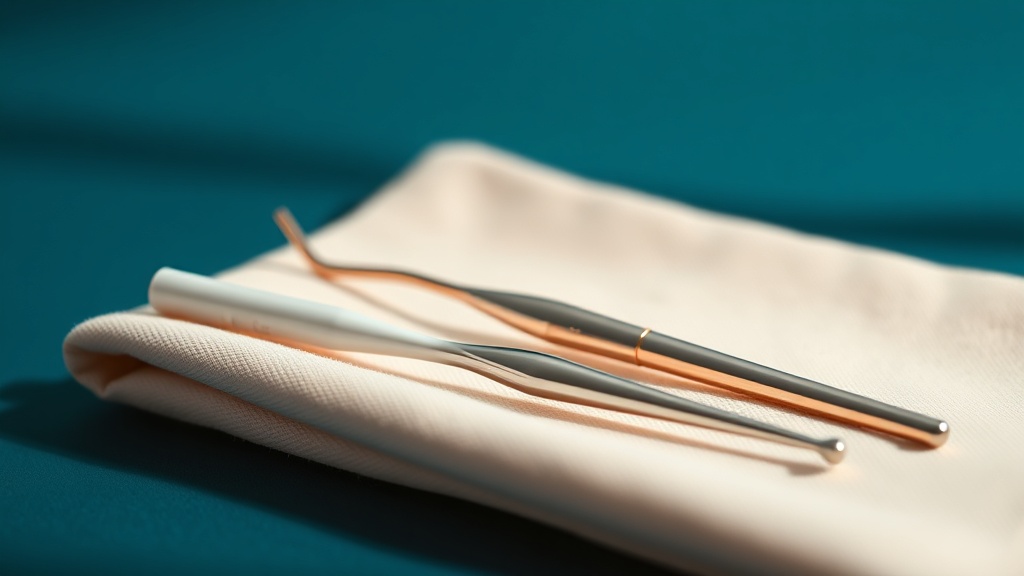
Professional removal favours gentle, blunt instruments and irrigation over anything sharp.
Book an in-person visit, and do not simply keep self-treating, if one tonsil stays visibly larger than the other, if you have bleeding, ongoing difficulty or pain swallowing, or persistent ear pain. A lasting one-sided difference in particular should always be assessed by a clinician. And remember that a high fever or a severe, worsening sore throat is a sign of possible infection rather than a simple stone; note too that a peritonsillar abscess is often afebrile, so the absence of a fever is not on its own reassurance.
Frequently asked questions
Sources
- 1.
- 2.
- 3.
- 4.
- 5.
- 6.
- 7.
- 8.
- 9.
- 10.
- 11.
- 12.

Fix your breath at the source.
The complete science-backed protocol — engineered to eliminate volatile sulfur compounds at the biological source.
Start the Breath Protocol →Related reading
Educational purposes only. The content on this page is not medical advice and is not a substitute for consultation with a qualified dental or medical professional.
More from the library
 Answers8 min
ENT Specialist for Tonsil Stones: When You Actually Need One
The honest guide to when a tonsil stone is a job for an ear, nose and throat specialist — and the red flags you should never sit on.
Read →→ Guides8 min
How to Get Rid of Tonsil Stones: A Step-by-Step Guide
The safe, evidence-informed way to dislodge tonsil stones and keep the crypts from refilling.
Read →→ Best Of8 min
The Best Tonsil Stone Removal Tools (and the One to Never Use)
A calm, evidence-led guide to the tools that clear tonsil stone debris without hurting the delicate crypt tissue — and the one category you should never put near your throat.
Read →→ Guides8 min
Chronic Tonsil Stones: Why They Keep Coming Back
Recurring tonsil stones are driven by anatomy you cannot change — so the honest goal is steady control, not a one-time cure.
Read →→ Causes8 min
How Do Tonsil Stones Form? The Biology, Honestly Explained
The unglamorous truth about what a tonsil stone is, how it builds up in the folds of your tonsils, and why the crypts that make them are simply part of your anatomy.
Read →→ Answers8 min
Can Tonsil Stones Make You Sick? An Honest Look
A calm, honest look at whether tonsil stones can actually make you unwell, the local nuisances they do cause, and the red flags worth taking seriously.
Read →→