Teething and Fever: What's Normal and When to Call a Doctor
A teething baby who feels warm worries every parent. Here is the honest science on teething and temperature, and the fever signs that mean it is time to call.
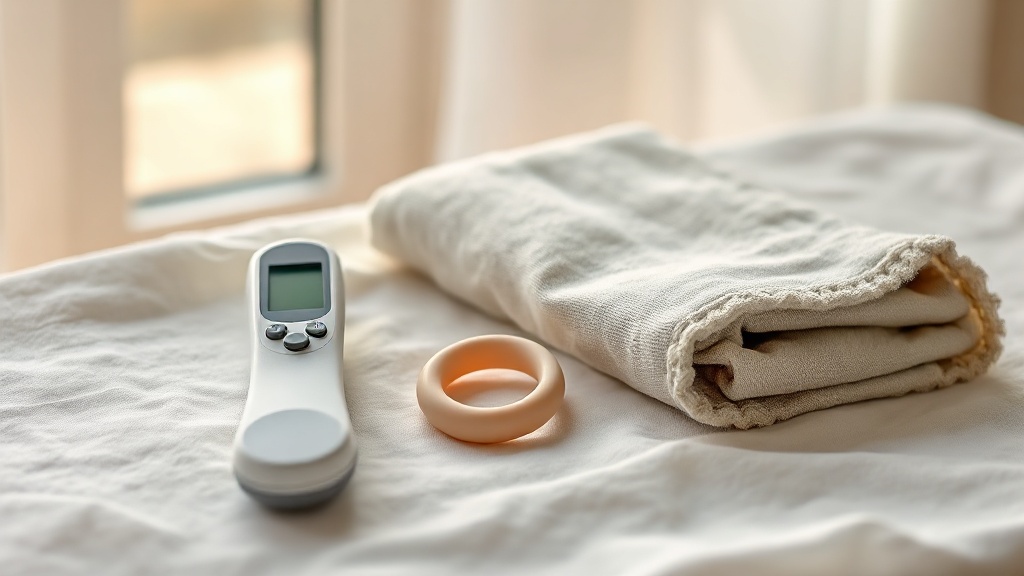
- Teething is a local event in the gums, not a whole-body illness. It can leave a baby a little warm, but it does not cause a true fever of 38 C (100.4 F) or higher.
- In the best daily-tracking study, babies' temperatures were essentially the same on the days a tooth was breaking through as on any other day.
- The teething window, roughly 6 to 24 months, is exactly when babies start catching more infections as their mother's antibodies fade, so a real fever during teething is usually a coincidence, not the teeth.
- Read a fever as a signal, not a teething symptom: look at the whole child, and call your doctor if a young baby is hot, very sleepy, feeding poorly, or the fever is high or lasting.
- Skip the risky shortcuts. Benzocaine gels and amber necklaces carry real, documented dangers and do nothing for a fever anyway.
No, teething does not cause a true fever. An erupting tooth can nudge a baby's temperature up by a few tenths of a degree at most, but a reading of 38 C (100.4 F) or higher is a real fever with another cause. It deserves a proper look rather than being waved away as teething.
Why everyone blames the teeth
The belief that teething causes fever is one of the oldest in parenting, and it is easy to see why it survives. Teething and the first year of infections happen at the same time, a baby who is uncomfortable does feel warmer to a worried hand, and once a tooth finally appears it seems to confirm the whole story. Biologically, though, teething is a small, local process. As a tooth pushes through the gum it releases inflammatory signals in that one spot, which is why the gum looks red and puffy and why babies gnaw on everything to counter-pressure the ache. That local inflammation can raise a baby's overall temperature by a tiny amount, but it does not flip the body into the coordinated, brain-driven response that produces a true fever. When researchers actually measured children day after day, the numbers were strikingly calm: a slight bump at most, never the spike that parents fear. The comfort here is real. If your baby has a genuine fever, you do not have to guess whether the teeth are to blame, because they almost never are.

A tooth breaking through can lift a baby's temperature a fraction, but a genuine fever climbs into a different range entirely.
What the research actually shows
Every claim below maps to a named, peer-reviewed source in the Sources section. According to PubMed.
| Claim | Evidence | Source |
|---|---|---|
| Across 16 studies of 3,506 children, about 70.5% showed some sign during tooth eruption, most often gum irritation, irritability and drooling. Temperature could rise, but it was not characterised as a fever. | Systematic review and meta-analysis of primary tooth eruption. | Massignan et al., 2016 |
| When 21 infants were tracked daily, average temperature was essentially identical on the days around a tooth erupting and on other days (36.21 C vs 36.18 C). | Prospective daily-measurement cohort study. | Wake et al., 2000 |
| The same cohort found no reliable statistical link between tooth eruption and either low or high fever once age was accounted for. | Logistic regression adjusted for age and within-child clustering. | Wake et al., 2000 |
| US regulators have warned since 2011 against benzocaine teething gels in children under 2 because of methemoglobinemia, yet 63% of surveyed pharmacists would still recommend one. | Survey of 200 pharmacists on infant-teething advice. | Ip et al., 2017 |
| Amber teething necklaces have caused documented harm, including a reported case of non-fatal infant strangulation on first use. | Emergency-medicine case report and review. | Cox et al., 2016 |
Teething, or something else?
| What you notice | Typical of teething | What it may mean |
|---|---|---|
| Mild warmth, under 38 C (100.4 F) | Can happen, and settles quickly | Usually fine to comfort and watch |
| A true fever of 38 C (100.4 F) or higher | Not caused by teething | Likely an infection, call your doctor |
| Drooling, gum-rubbing, wanting to chew | Classic teething | Reassuring, ease it with safe comfort |
| Diarrhoea, vomiting, or a cough | Not caused by teething | A separate illness, watch and call if it persists |
| Very sleepy, floppy, refusing all fluids | Never just teething | Seek medical care promptly |
Where the fever is really coming from
Here is the piece that makes the whole picture click. Babies are usually born with a supply of their mother's antibodies, and that borrowed protection fades over the first six months or so. From about six months, just as the first teeth arrive, an infant's own immune system is meeting the everyday world of colds, ear infections and stomach bugs for the first time, often while starting daycare or putting every object into their mouth. In other words, the exact months we label teething are also the months of a child's first real run of infections. So when a genuine fever lands in the middle of teething, the timing feels like proof, but the far more likely explanation is an ordinary childhood infection that would have happened whether or not a tooth was on the way. This matters for one practical reason: if you assume a hot, unwell baby is just teething, you may wait on a fever that actually needs attention. Treat teething and fever as two separate stories that happen to share a calendar. Comfort the gums, but investigate the fever.
Evidence you can act on.
Occasional emails — new research, new protocols, no noise.
What to do when your teething baby feels warm
None of this is about treating a disease. It is a calm, ordered way to tell mild teething warmth apart from a fever that needs a professional, and to keep your baby comfortable either way.
- 1
Take an accurate temperature
2 minutesA worried hand is not a thermometer. Use a proper digital thermometer and note the actual number. Under 38 C (100.4 F) is not a fever; 38 C or above is. Having the real figure, and the time you took it, turns guesswork into something your doctor can act on.
- 2
Look at the whole child, not just the gums
a few minutesIs your baby drooling and chewing but otherwise bright, feeding and playing? That fits teething. Are they also coughing, vomiting, unusually sleepy, or pulling at an ear? Those point away from teething and toward an infection that deserves a call.
- 3
Offer safe comfort for the gums
as neededA clean chilled (not frozen) solid teether, or a gentle rub of the gum with a clean finger or a cool damp washcloth, eases the local ache. Chilled, never frozen, because rock-hard frozen objects can bruise delicate gums.
- 4
Keep fluids going
through the dayA warm or sore baby can go off feeds. Offer milk feeds as usual and, for older babies, small sips of water. Steady wet nappies are a reassuring sign; far fewer than usual is a reason to call.
- 5
Know your call-the-doctor line
anytimeAny fever in a baby under 3 months is an emergency, full stop. Above that age, call for a high fever, a fever lasting beyond a day or two, or any baby who seems genuinely unwell. When in doubt, a phone call to your doctor is always the right move.
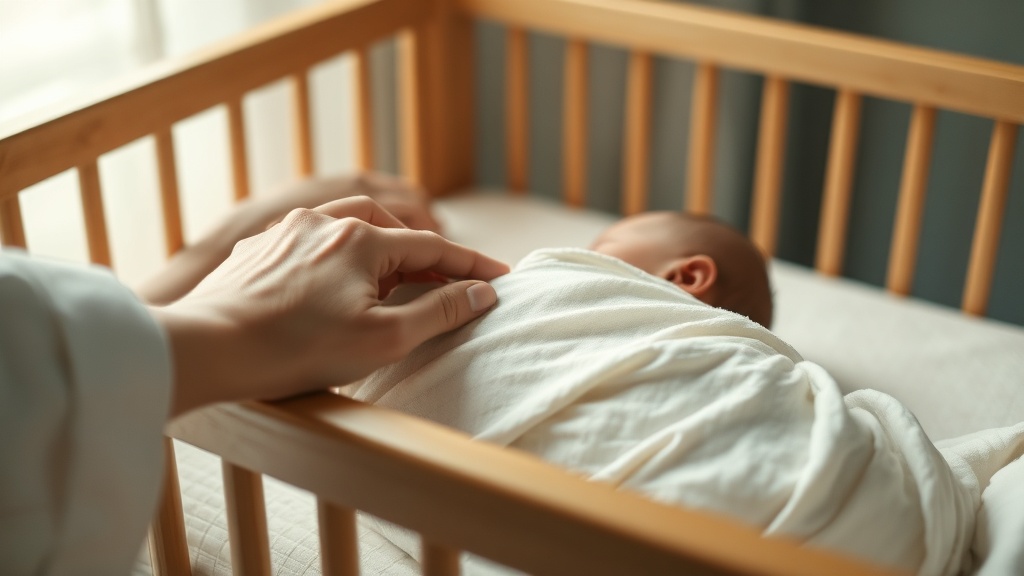
Comfort the gums and watch the whole child. A fever is a separate signal that deserves its own attention.
Call your doctor or seek urgent care for any fever of 38 C (100.4 F) or higher in a baby under 3 months, a fever of 39 C (102 F) or higher at any age, a fever lasting more than 24 to 48 hours, or a child who is very drowsy, floppy, breathing fast, refusing fluids, or has a rash that does not fade under gentle pressure. A brief whole-body stiffening or jerking with a high fever (a febrile convulsion) also needs prompt medical assessment. None of these is teething, and none should be managed at home on the assumption that it is.
Frequently asked questions
Sources
- 1.
- 2.
- 3.
- 4.

Fix your breath at the source.
The complete science-backed protocol — engineered to eliminate volatile sulfur compounds at the biological source.
Start the Breath Protocol →Related reading
Educational purposes only. The content on this page is not medical advice and is not a substitute for consultation with a qualified dental or medical professional.
More from the library
 Answers8 min
Signs of Teething: How to Tell Your Baby Is Teething
What teething actually looks like, and the warning signs that are not teething at all.
Read →→ Answers8 min
How Long Does Teething Last? Timeline by Tooth
How long teething really lasts — a reassuring timeline by tooth, why each tooth is only briefly uncomfortable, and safe soothing (no benzocaine, no amber necklaces).
Read →→ Guides9 min
Teething Pain Relief: How to Soothe Your Baby Without Medicine
When a teething baby is in real distress, you want relief that is both effective and safe. Here is the step-by-step ladder, from cold and cuddles to careful use of medicine.
Read →→ Guides9 min
Natural Teething Remedies: Safe, Gentle Ways to Soothe Sore Gums
Sore gums, endless drool, a miserable baby. Here are the gentle, genuinely safe natural teething remedies, and the natural-sounding ones that are best left on the shelf.
Read →→ Guides9 min
Early Childhood Caries: Gentle Prevention for Little Smiles
What early childhood caries is, why it happens, and the calm daily habits - diet, bottle routines, brushing, dental visits - that lower a young child's risk.
Read →→ Best Of8 min
Best Teething Gel for Babies: Safer Soothing Options Compared
Why the honest best is non-medicated relief - and why the FDA warns against benzocaine and lidocaine teething gels for babies and toddlers.
Read →→