
How Much Does Teeth Whitening Cost? At-Home vs In-Office
The real price range for every route, and the studies that show where spending more buys faster results versus where it buys no extra whitening at all.
- Teeth whitening spans a wide price range: a few dollars for whitening toothpaste, roughly $20–60 for over-the-counter strips, $100–400 for a dentist-made take-home tray kit, and often $300–1,000+ for an in-office session.
- The uncomfortable truth from the research: at-home peroxide and a single in-office visit end up in a similar place on colour — you are largely paying in-office for speed and supervision, not a whiter final result.
- The most expensive add-ons — laser and LED light activation — do not add measurable whitening over peroxide alone, so a premium light package is mostly paying for the experience.
- At-home value comes from contact time, not concentration, so a modest strip or tray kit used consistently can rival pricier options; the result then stays visible for a year or more with only a small rebound over several years.
- Match the spend to the goal: strips or a tray kit for cost-effective gradual whitening, in-office when you need it fast or supervised, and a dentist's opinion first if you have dental work that whitening cannot match.
At-home whitening typically costs about $20–60 for strips or $100–400 for a dentist-made tray kit, while in-office whitening usually runs $300–1,000 or more per session. Studies show at-home and in-office reach a similar final colour, so the higher price mostly buys speed and supervision, not extra whitening.
What you are actually paying for
It helps to separate two things that a whitening price bundles together: the active ingredient and everything around it. The active ingredient — peroxide — is chemically similar whether it comes in a drugstore strip or a dentist's in-office gel; the in-office version is simply more concentrated and applied under supervision. What the higher price mostly buys is the wrapper: a professional appointment, custom-fitted trays, gum protection, chair time and speed. That is genuinely worth something if you want a result in one visit or you want a clinician watching for sensitivity. But it is important to see it for what it is, because the evidence is consistent that the final colour you can reach at home and in the chair is broadly similar. In other words, most of the price gap between a $40 box of strips and a $700 in-office session is not buying you a whiter endpoint — it is buying convenience, speed and oversight. Once you can see that split clearly, choosing the right option becomes a question of what you value, not of which one works.
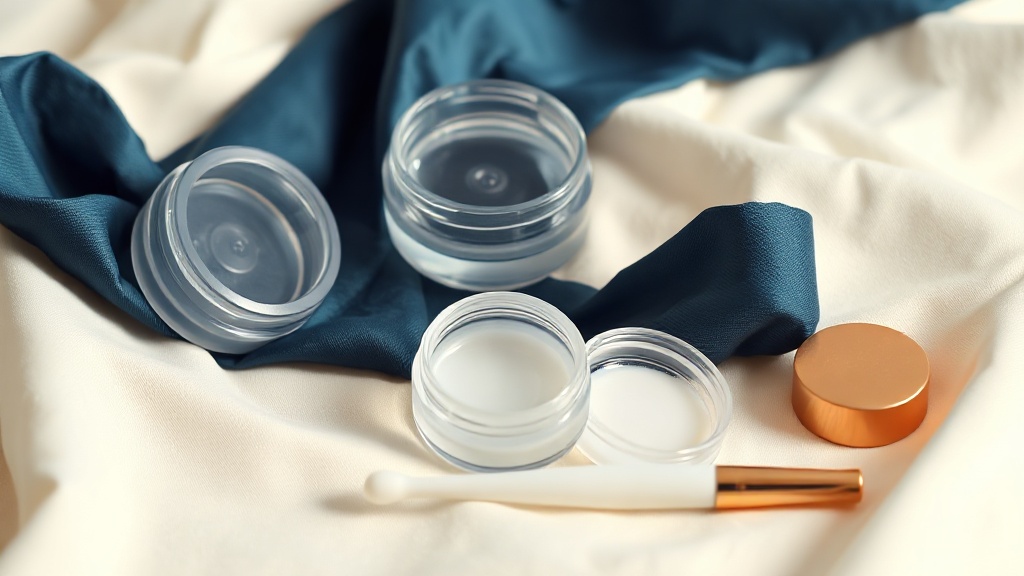
A modest at-home kit — strips or a tray with gel — is where most of the cost-effective whitening happens.
What the research actually shows
Every claim below maps to a named, peer-reviewed source in the Sources section. According to PubMed.
| Claim | Evidence | Source |
|---|---|---|
| At-home and in-office whitening reach a similar final colour — no significant difference in shade-guide units. | Updated systematic review and meta-analysis. | de Geus et al., 2025 |
| At-home 10% carbamide peroxide matched or slightly beat a strong in-office 35% peroxide gel short-term. | Clinical comparison of at-home vs in-office. | Donassollo et al., 2021 |
| Among over-the-counter products, 6% peroxide strips and 10% carbamide peroxide gels rank at the top for whitening. | Network meta-analysis of OTC options. | de Oliveira et al., 2024 |
| Adding a laser or LED light gives no measurable extra whitening over peroxide alone. | Network meta-analysis of 28 randomised trials. | Maran et al., 2019 |
| Whitening is durable: at about 4.5 years only ~2.1 shade units of rebound, so the result holds for years. | Long-term follow-up of at-home whitening. | Hortkoff et al., 2025 |
Teeth whitening cost by option
| Option | Typical US cost | What the price gets you |
|---|---|---|
| Whitening toothpaste / baking soda | $5–15 | Surface-stain brightening only, no bleaching |
| Over-the-counter strips | $20–60 | Real peroxide whitening, one-size fit |
| Dentist take-home tray kit | $100–400 | Custom trays plus professional-strength gel |
| In-office session | $300–1,000 | Fastest result, dentist-supervised, gum protection |
| In-office laser / light-activated | $500–1,500+ | Premium price; the light adds no extra whitening |
Where extra money helps — and where it does not
Not all spending on whitening is equal, and the research draws a fairly clean line. Money spent moving from surface-stain products to a genuine peroxide method is money well spent, because that is the jump from brightening to actually lightening the tooth. Money spent on a dentist take-home kit buys custom trays that hold the gel evenly and a professional-strength concentration, which many people find worth it. Money spent on an in-office session buys speed and supervision — a visible change in one sitting and a clinician managing sensitivity — which matters if you have a deadline like a wedding. Where the evidence says the extra money stops paying off is the light. Laser and LED add-ons are among the priciest line items, yet network meta-analyses of dozens of trials find they do not improve the colour result over peroxide on its own. The same goes for chasing ever-higher concentrations at home: because contact time matters more than strength, a gentler gel worn consistently reaches a similar place with less sensitivity. So the value-maximising path is to pay for real peroxide and, if you want, for fit and speed — but not for a glowing light.
Evidence you can act on.
Occasional emails — new research, new protocols, no noise.
How to get the most whitening per dollar
A simple order of operations for spending efficiently on a cosmetic result. This is about value, not medical care; if you have dental work or sensitivity concerns, price in a dentist's opinion first.
- 1
Rule out a dental mismatch before you spend
one checkWhitening only changes natural enamel, so crowns, veneers and fillings will not lighten with it. A quick dentist check — sometimes free with a cleaning — stops you paying for a result that leaves visible mismatches.
- 2
Start with the cheapest real whitener
1–2 weeksFor most people, over-the-counter peroxide strips are the best value entry point: a genuine colour change for $20–60. Give them a full one-to-two-week course before deciding you need anything pricier.
- 3
Step up to a dentist tray kit if you want fit
a few weeksIf strips do not fit your teeth well or you want a professional-strength gel, a take-home tray kit at $100–400 is the mid-tier sweet spot — noticeably cheaper than in-office and reaching a similar endpoint.
- 4
Pay for in-office only for speed or supervision
one visitChoose the $300–1,000 in-office route when you need a visible change fast, want gum protection and oversight, or have had trouble with sensitivity. You are buying time and care, not a whiter final colour.
- 5
Skip the light upgrade and protect your result
ongoingDecline the laser or LED premium — it adds cost, not whitening. Then protect what you paid for: rinse or use a straw with staining drinks and do a short top-up every few months, since the result lasts for years with only a small rebound.
An in-office session costs more mainly for speed, custom fit and supervision — not for a whiter endpoint than a good home kit.
Before spending on whitening, see a dentist if you have crowns, veneers or front-tooth fillings, which will not change colour and can end up mismatched, or if you have untreated decay or sore gums. Also get an in-person opinion if a single tooth is much darker than the rest, since that can signal something whitening alone will not address and is worth checking before you pay for a course.
Frequently asked questions
Sources
- 1.
- 2.
- 3.
- 4.
- 5.
- 6.
- 7.
- 8.
Fix your breath at the source.
The complete science-backed protocol — engineered to eliminate volatile sulfur compounds at the biological source.
Start the Breath Protocol →Related reading
Educational purposes only. The content on this page is not medical advice and is not a substitute for consultation with a qualified dental or medical professional.
More from the library
 Guides9 min
In-Office Teeth Whitening Cost: What Dentists Charge (2026)
An honest, evidence-based look at chairside whitening prices — and whether the convenience premium is really worth it.
Read →→ Guides10 min
Professional Teeth Whitening Cost: In-Office vs Take-Home Prices (2026)
In-office, take-home, and over-the-counter whitening prices for 2026, and an honest look at what the research says each tier actually buys you.
Read →→ Guides9 min
Laser Teeth Whitening Cost: Prices, Value, and Cheaper Alternatives (2026)
What laser whitening really costs — and the research showing the light adds no extra whitening over the gel alone.
Read →→ Guides10 min
Zoom Teeth Whitening Cost: Is It Worth $500? (2026 Prices)
What Zoom whitening costs in 2026, what the blue lamp actually contributes, and how it stacks up against gentler, cheaper options.
Read →→ Answers8 min
Does Teeth Whitening Damage Enamel? The Evidence-Based Answer
The honest, evidence-based answer to whether whitening harms enamel — what peroxide really does to the surface, why sensitivity is not damage, and the DIY methods that actually cause wear.
Read →→ Answers8 min
Does Baking Soda Whiten Teeth? What the Evidence Says
An honest look at what baking soda can and cannot do for a whiter smile.
Read →→