
Teeth Grinding: How to Manage It
Grinding is a behaviour, not a disease to cure — here is what actually helps.
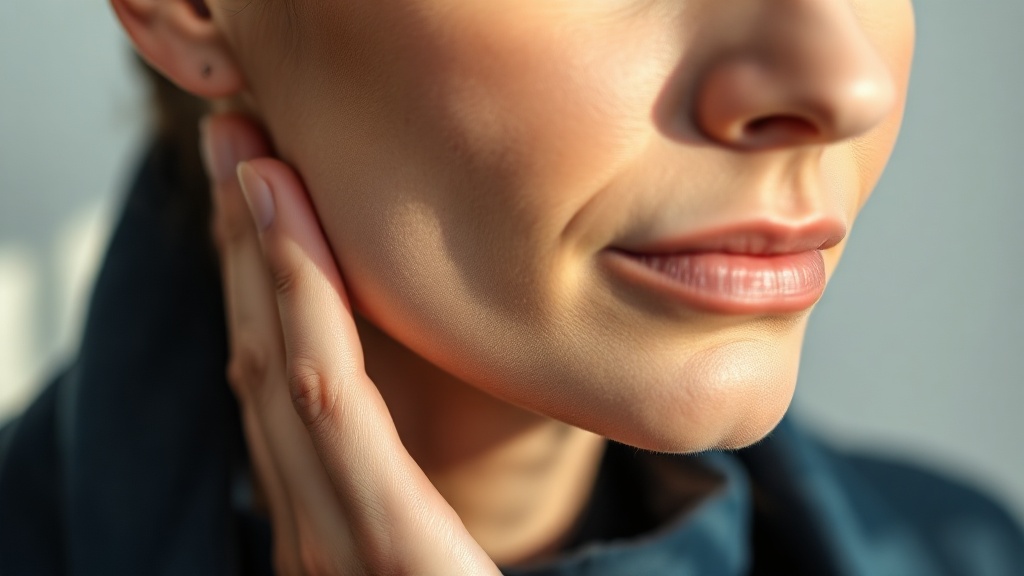
- Teeth grinding (bruxism) is best understood as a behaviour, not a disease to be cured. International experts describe it as an activity — often linked to sleep arousals, stress or breathing patterns — that can be a risk factor rather than a disorder in otherwise-healthy people.
- It is common: pooled research puts overall bruxism at roughly 22% of adults, split fairly evenly between night-time grinding and daytime clenching.
- Sleep grinding is driven mostly from the brain and nervous system — brief night-time arousals — not by the way your teeth meet, which is why adjusting the bite is no longer a first step.
- A night guard protects your teeth from the wear of grinding, but the evidence that it relieves jaw pain is weak, and it does not stop the grinding itself.
- The most useful everyday steps are gentle: easing stress and jaw tension, protecting your enamel, and seeing a dentist for lasting pain — or a sleep clinician if loud snoring or gasping suggests a breathing issue.
Teeth grinding, or bruxism, is a common behaviour in which you clench or grind — usually during sleep or under stress — rather than a disease to cure. You cannot switch it off directly, but you can protect your teeth from wear, ease jaw tension, and address stress and sleep, seeing a professional for pain that lasts.
What teeth grinding actually is
Bruxism is the medical word for clenching or grinding your teeth. It comes in two forms that behave quite differently: sleep bruxism, which happens without your awareness during the night, and awake bruxism, the daytime clenching many people do while concentrating or under pressure. For years grinding was blamed on a bad bite — the idea that crooked teeth or an uneven contact triggered it. That explanation has largely fallen apart. Sleep studies show grinding episodes cluster around brief micro-arousals: moments when the sleeping brain shifts a little toward wakefulness and the jaw muscles fire in a short rhythmic burst. In other words, the signal comes from the nervous system, not from the surface of your teeth. That is why a leading international consensus reframed bruxism in otherwise-healthy people as a behaviour that can be a risk or even a protective factor, rather than a disorder to be diagnosed and fixed. Seeing it this way changes the goal. Instead of chasing a cure that does not exist, you manage the load grinding places on your teeth and jaw, and you pay attention to what is driving it underneath.
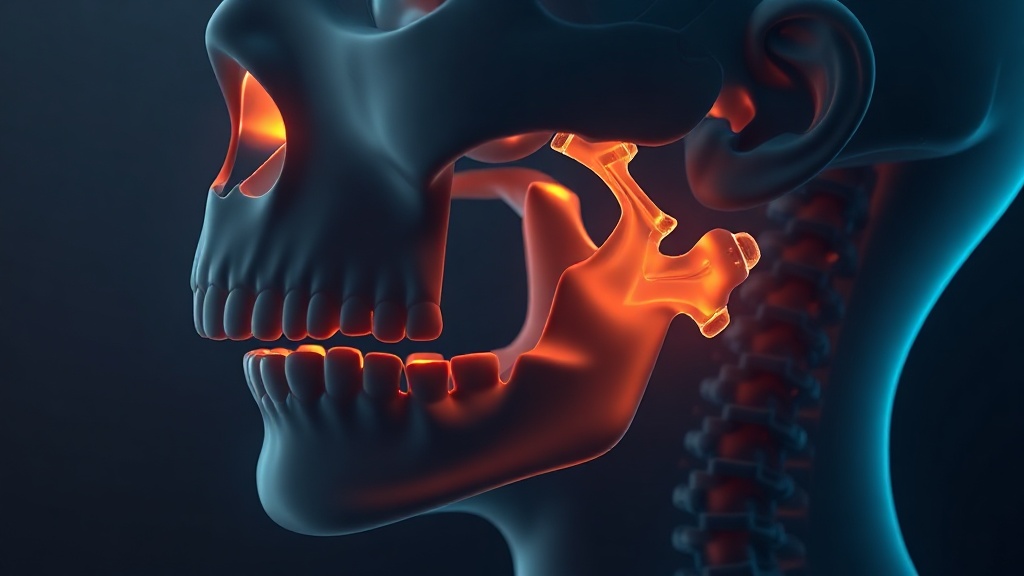
Grinding is powered by the jaw muscles firing during brief night-time arousals — not by the way your teeth happen to meet.
What the research actually shows
Every claim below maps to a named, peer-reviewed source in the Sources section. According to PubMed.
| Claim | Evidence | Source |
|---|---|---|
| In otherwise-healthy people, bruxism is best classified as a behaviour that can be a risk or protective factor — not a disorder to be cured. | International expert consensus definition. | Lobbezoo et al., 2018 |
| Overall bruxism affects roughly 22% of adults, with sleep and awake forms at about 21% and 23%. | Meta-analysis of prevalence studies. | Zielinski et al., 2024 |
| Sleep grinding is driven by brief night-time arousals of the nervous system, not by how the teeth meet. | Polysomnography research on rhythmic jaw-muscle activity. | Lavigne et al., 2008 |
| Long-term grinding is associated with far higher odds of an enlarged jaw muscle (about 15-fold) and visible tooth wear (about 7-fold). | Case-control imaging study. | Popescu et al., 2025 |
| Guards and splints protect the teeth, but a Cochrane review found insufficient, very-low-certainty evidence that they relieve jaw symptoms. | Cochrane systematic review of occlusal splints. | Singh et al., 2024 |
Sleep grinding vs daytime clenching
| Feature | Sleep bruxism | Awake bruxism |
|---|---|---|
| When it happens | During sleep, unaware | While awake, often under stress or focus |
| Main driver | Brief brain arousals during sleep | Emotional tension and concentration habits |
| Typical sign | Worn teeth, tight jaw on waking | Catching yourself clenching, cheek and jaw fatigue |
| What helps most | Protecting teeth, plus sleep and stress care | Noticing the habit and relaxing the jaw through the day |
| When to escalate | Loud snoring or gasping — see a sleep clinician | Persistent daytime jaw pain — see a dentist |
Where grinding is NOT the whole story
Two threads run alongside grinding and are worth separating out. The first is stress. Daytime clenching in particular tracks with tension and concentration, which is why people notice their jaw aching after a hard week rather than a relaxed one. Grinding here is closer to nail-biting than to a disease — a physical habit the body reaches for under load, and one that eases when the load does. The second thread is breathing. Some sleep grinding clusters around the same night-time arousals that accompany disrupted breathing, so loud snoring, choking or gasping, or waking unrefreshed can be a signal that a breathing problem deserves attention in its own right. This distinction matters because a night guard does nothing for a breathing issue, and a genuine sleep-breathing disorder is identified with a proper sleep study, not a phone app or a symptom quiz. The honest takeaway is to treat grinding as a clue rather than the whole diagnosis. If the clue points to stress, work on the load; if it points to how you breathe at night, get that looked at by a clinician who can test for it properly.
Evidence you can act on.
Occasional emails — new research, new protocols, no noise.
How to manage teeth grinding day to day
None of this cures grinding — nothing switches the behaviour off directly. The aim is to protect your teeth and lower the strain on your jaw while you address what is driving it underneath.
- 1
Protect your teeth from wear
nightlyIf you grind in your sleep, a well-fitted guard puts a layer between your upper and lower teeth so the force wears the guard instead of your enamel. Be clear about what it does: it shields the teeth from grinding damage; it does not stop the grinding or reliably ease jaw pain. A dentist-made guard fits best, but a good over-the-counter one is far better than nothing while you arrange one.
- 2
Unclench through the day
ongoingFor awake clenching, the lever is awareness. Rest your tongue lightly on the roof of your mouth with your teeth slightly apart and your lips together — the natural resting position that keeps the jaw muscles switched off. Small cues, such as a sticky note on your screen or a phone reminder, help you catch and release the clench before it builds into an ache.
- 3
Lower the stress load
dailyBecause tension feeds clenching, anything that genuinely lowers your stress tends to ease the jaw too — regular movement, a real wind-down before bed, and cutting late-evening screens and stimulants. This is supportive rather than a guaranteed off-switch, but it targets one of the actual drivers instead of only the symptom.
- 4
Ease a tight, tired jaw
a few minutesGentle warmth over the jaw muscles and slow, careful jaw and neck stretches can relieve the muscular tightness that grinding leaves behind. Keep everything gentle and pain-free; forcing a stiff jaw or over-stretching can aggravate things rather than settle them.
- 5
Check your night-time breathing
as neededIf you snore loudly, gasp, or wake unrefreshed, mention it to a doctor. Grinding that travels with disrupted breathing is a reason to look at your sleep properly — and mouth-taping hacks are not a safe substitute for a real assessment, which uses a sleep study rather than guesswork.

A night guard shields enamel from the force of grinding — but it does not stop the grinding or reliably relieve jaw pain.
See a dentist if you notice flattened, chipped or increasingly sensitive teeth, ongoing jaw or facial pain, headaches on waking, or a jaw that locks or is hard to open. See a doctor or sleep clinician if you have loud snoring, gasping or pauses in breathing at night, or you wake unrefreshed — these can point to a sleep-breathing problem that needs proper testing rather than a home fix. Persistent pain is always worth an in-person assessment; grinding is common, but lasting symptoms should be checked.
Frequently asked questions
Sources
- 1.
- 2.
- 3.
- 4.
- 5.
- 6.
- 7.

Fix your breath at the source.
The complete science-backed protocol — engineered to eliminate volatile sulfur compounds at the biological source.
Start the Breath Protocol →Related reading
Educational purposes only. The content on this page is not medical advice and is not a substitute for consultation with a qualified dental or medical professional.
More from the library
 Guides8 min
How to Stop Grinding Teeth in Your Sleep, Naturally
Grinding your teeth at night is an involuntary, arousal-driven movement — here is what natural care can and cannot do about it.
Read →→ Best Of8 min
The Best Night Guards for Teeth Grinding: An Honest Guide
Custom, boil-and-bite or over-the-counter, soft or hard — an honest look at night guards for grinding, where protection is the real job.
Read →→ Best Of8 min
Best Mouth Guard for TMJ: An Honest 2026 Buyer's Guide
A night guard reliably protects your teeth from grinding, but the evidence that it eases jaw pain is surprisingly thin, so choose one with clear eyes.
Read →→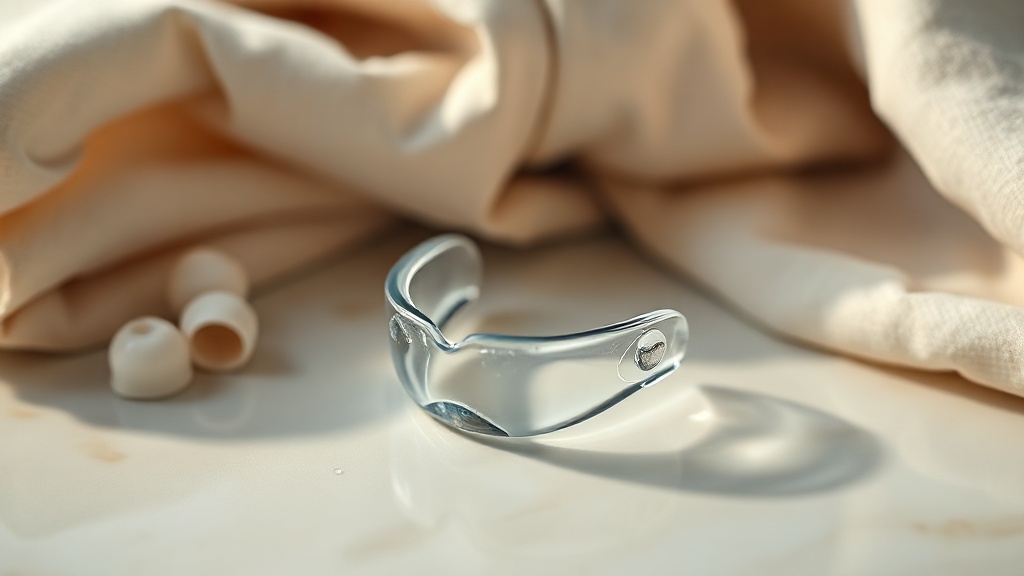 Reviews9 min
NTI Night Guard Review: Honest Look at Benefits, Risks & Cost
An honest review of the NTI anterior night guard - what it does for clenching, the bite-change risk sellers skip, and how it compares to a full night guard and self-care.
Read →→ Guides8 min
Jaw Relaxation Exercises: A Step-by-Step Comfort Guide
A step-by-step down-regulation routine for a tight, clenched jaw, built on gentle relaxation rather than force.
Read →→ Guides9 min
Does Mewing Actually Work? An Honest, Evidence-Based Breakdown
The honest, evidence-based answer to whether tongue posture can reshape an adult jaw — what the research really shows, and why forcing it can backfire.
Read →→