Best Mouth Guard for TMJ: What Actually Helps (2026)
A night guard reliably protects your teeth from grinding, but the evidence that it eases jaw pain is surprisingly thin, so choose one with clear eyes.
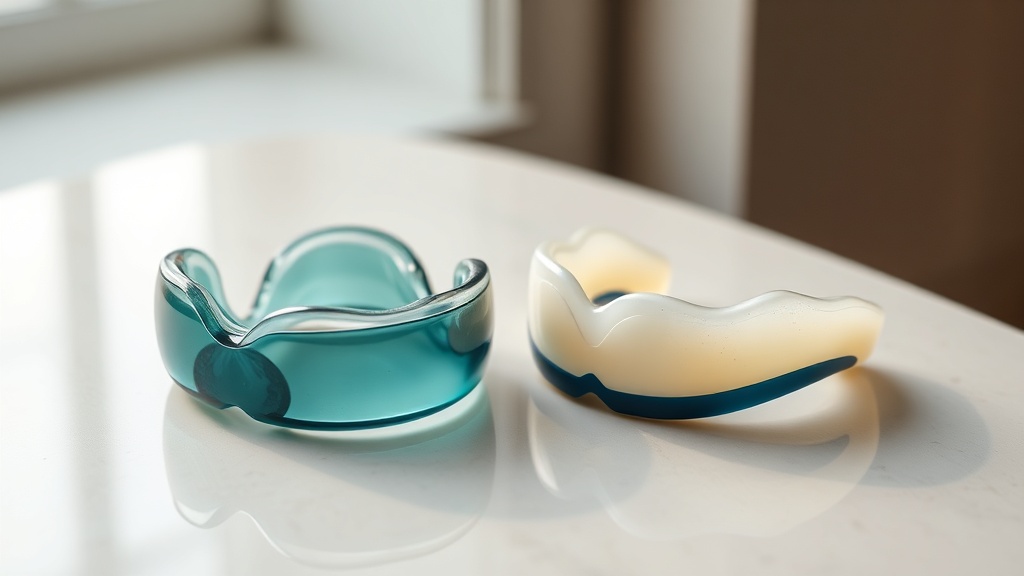
- A night guard's most reliable job is mechanical: it puts a protective layer between your teeth so grinding and clenching wear the guard instead of your enamel and dental work.
- The evidence that a mouth guard actually reduces TMJ pain is weak. A Cochrane review of 57 trials rated the certainty very low, and a landmark 200-person study found a splint offered no advantage over simple self-care.
- There is no single best guard for everyone. The right pick depends on why your jaw hurts, how hard you grind, and whether a dentist has looked at your bite.
- Custom guards made by a dentist fit better and last longer than boil-and-bite versions, but a higher price does not guarantee more pain relief.
- A guard is a comfort-and-protection tool, not a cure. Persistent jaw pain, locking, or painful clicking deserves a professional assessment, not just a bigger purchase.
The best mouth guard for TMJ is a well-fitting one you will actually wear every night, chosen with a dentist if your grinding is heavy or your bite is off. A guard reliably protects your teeth from grinding, but the evidence that it relieves jaw pain is limited, so pair it with gentle self-care rather than expecting a cure.
What a TMJ mouth guard actually does
A mouth guard for TMJ goes by several names: night guard, occlusal splint, bite guard. Whatever the label, its proven job is mechanical protection. It places a durable layer over your teeth so the forces of grinding and clenching wear the appliance instead of your enamel, fillings and crowns. That is genuinely useful, and it is the clearest reason to own one. What a guard does not do is switch off the behaviour driving the grinding. In otherwise-healthy people, an international expert consensus concluded that bruxism is best understood not as a disorder to be cured but as a behaviour that can be a risk factor. Sleep grinding is driven largely by brief brain arousals during sleep, not by the shape of your bite, so a piece of plastic over your teeth cannot stop the muscles from firing. Some people do feel their jaw muscles are calmer with a guard in, and that comfort is real and worth having. But feeling calmer is different from fixing the underlying joint or muscle problem. Hold that distinction and you will buy sensibly instead of chasing a guaranteed fix that no guard can deliver.
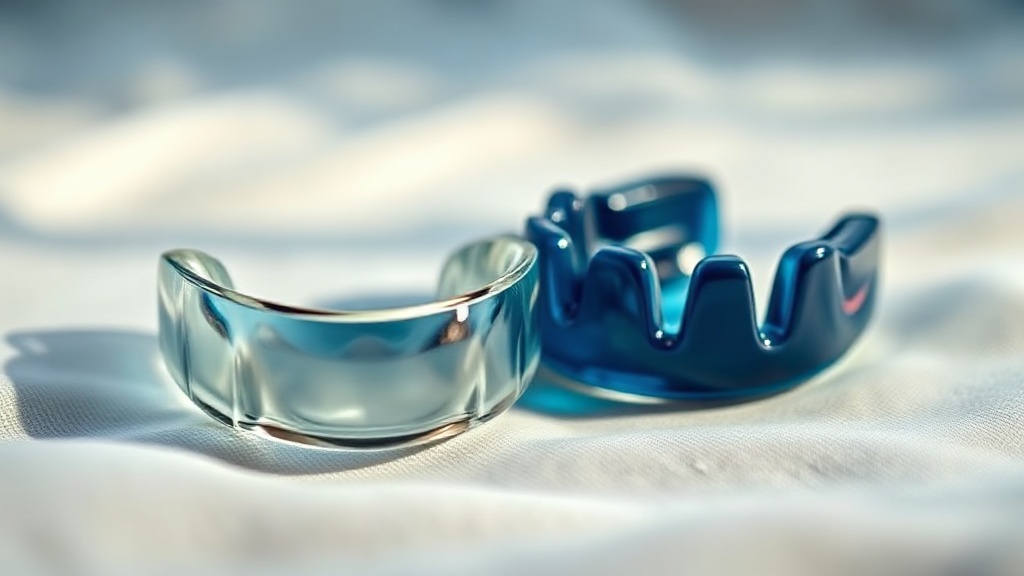
A mouth guard's most reliable role is protecting the teeth from grinding wear, not repositioning or fixing the joint itself.
What the research actually shows
Every claim below maps to a named, peer-reviewed source in the Sources section. According to PubMed.
| Claim | Evidence | Source |
|---|---|---|
| A conventional hard splint and a soft mouth guard both matched simple dentist-prescribed self-care for TMD symptoms at 3, 6 and 12 months, so neither guard beat self-care alone. | Randomized controlled trial of 200 TMD patients. | Truelove et al., 2006 |
| Across 57 randomized trials and 2,846 people, the evidence that occlusal splints relieve TMD was rated very low certainty, with only one trial at low risk of bias. | Cochrane systematic review. | Singh et al., 2024 |
| An international clinical practice guideline issued a conditional recommendation against reversible occlusal splints for chronic TMD pain. | GRADE clinical practice guideline. | Busse et al., 2023 |
| Guided jaw exercise was not significantly different from an occlusal splint for reducing pain in people with painful TMD. | Systematic review and meta-analysis of 498 patients. | Zhang et al., 2021 |
| Oral appliances primarily protect the teeth from grinding damage; a guard may reduce muscle activity but is not a cure for bruxism. | Clinical overview of sleep bruxism. | Beddis et al., 2018 |
The main types of guard, compared honestly
| Type | How it fits and costs | Honest take |
|---|---|---|
| Custom stabilization splint (dentist-made) | Impression or digital scan, hard acrylic; usually the most expensive | Best fit and durability, and the standard a dentist prescribes for heavier grinders, but not proven to out-relieve simple self-care |
| Boil-and-bite (OTC) | Softened in hot water and moulded at home; low cost | A reasonable, low-cost way to protect teeth; bulkier, shorter-lived, and fit varies with how well you mould it |
| Soft or dual-laminate night guard | Cushioned material, mid cost, OTC or dental | Comfortable for light grinders; heavy clenchers can chew through soft guards quickly and some feel they clench more |
| Anterior (NTI-style) device | Small guard on the front teeth only; dental fitting advised | May reduce clenching force for some, but needs professional oversight; misuse risks bite changes or swallowing the small device |
| Stock one-size guard | Pre-formed, cheapest | Poor fit and often uncomfortable; usually the weakest choice for nightly wear |
Why the best guard depends on why your jaw hurts
TMJ is an umbrella term, not one problem. Around 31% of adults carry a sign or symptom of a temporomandibular disorder, and those cases are not all alike: some are muscle-driven from clenching and tension, some involve the joint's cushioning disc slipping, and many are a mix of both. A mouth guard mainly acts on the tooth-contact side of that story, which is why it tends to help most when night grinding is visibly damaging teeth. If your trouble is muscular tension from daytime clenching, learning to notice and release that clench, rest the jaw, and manage stress can do more than any appliance. If the joint itself clicks and locks, a guard will not slide the disc back into place; that needs a hands-on assessment. This is also why price is a poor guide to relief. A premium custom guard fits beautifully and protects teeth superbly, yet the trials keep showing it does not reliably beat low-cost self-care for pain. The smart move is to match the tool to your actual problem, ideally with a dentist who has examined your bite, rather than buying the most expensive option and hoping it doubles as a treatment.
Evidence you can act on.
Occasional emails — new research, new protocols, no noise.
How to choose and use a guard sensibly
None of this treats a disorder; it helps you protect your teeth and stay comfortable while you sort out the cause.
- 1
Get the cause looked at first
before you buy, if you canIf you have ongoing pain, painful clicking, or you wake with headaches, see a dentist before spending on guards. A short exam can tell muscle tension from a joint problem, and that distinction changes what will actually help you.
- 2
Match the guard to your grind
5 minutesHeavy grinders and clenchers usually need a firm, durable guard, often custom, because they destroy soft ones fast. Light grinders can start with a well-moulded boil-and-bite. Upper or lower is usually fine; comfort and consistent nightly wear matter more than the arch.
- 3
Fit it properly
10 to 15 minutesA guard only works if it seats snugly without rocking. Follow boil-and-bite instructions carefully, or have a dentist adjust a custom one. A guard that hurts, gags you, or falls out at night is a guard you simply will not wear.
- 4
Wear it consistently and keep it clean
nightlyProtection comes from consistent use. Rinse it, brush it gently with a soft brush, let it dry, and store it in a ventilated case. Replace it when it thins, cracks, warps, or the bite marks flatten out.
- 5
Add the free habits that also help
dailyGentle jaw rest, warmth, soft foods during a flare-up, and catching yourself clenching during the day are all low-cost and evidence-backed. A guard plus these habits reliably beats a guard on its own.
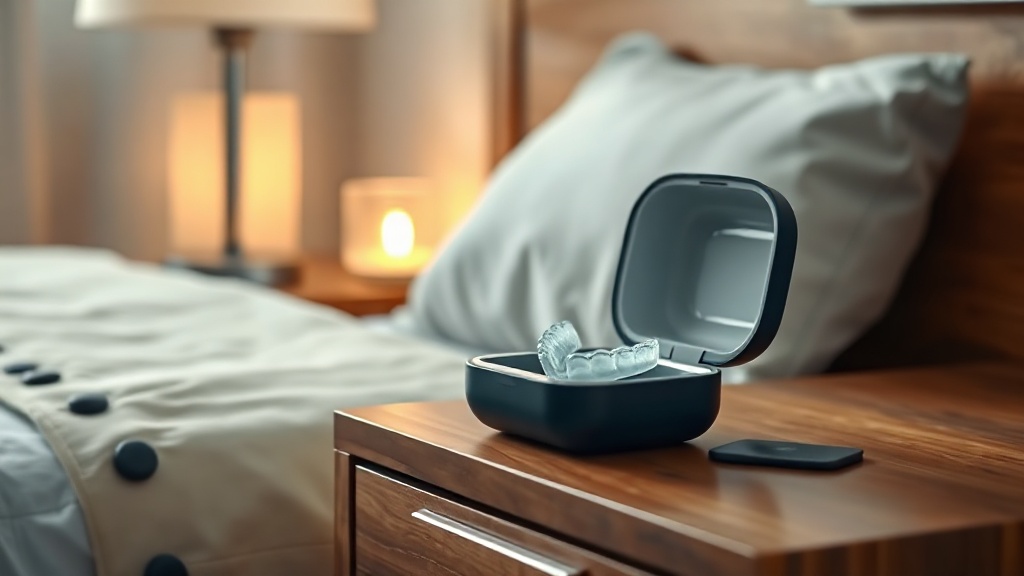
A guard you will actually wear every night beats an expensive one that sits unused in a drawer.
See a dentist or TMJ specialist rather than relying on a guard if you have jaw pain lasting more than a few weeks, a jaw that locks or catches, pain that comes with clicking, difficulty opening or chewing, or morning headaches and tooth damage from grinding. If your jaw suddenly locks open, follows an injury, or comes with facial swelling or a fever, seek urgent care. A guard protects teeth; it does not diagnose what is wrong.
Frequently asked questions
Sources
- 1.
- 2.
- 3.
- 4.
- 5.
- 6.
- 7.
- 8.

Fix your breath at the source.
The complete science-backed protocol — engineered to eliminate volatile sulfur compounds at the biological source.
Start the Breath Protocol →Related reading
Educational purposes only. The content on this page is not medical advice and is not a substitute for consultation with a qualified dental or medical professional.
More from the library
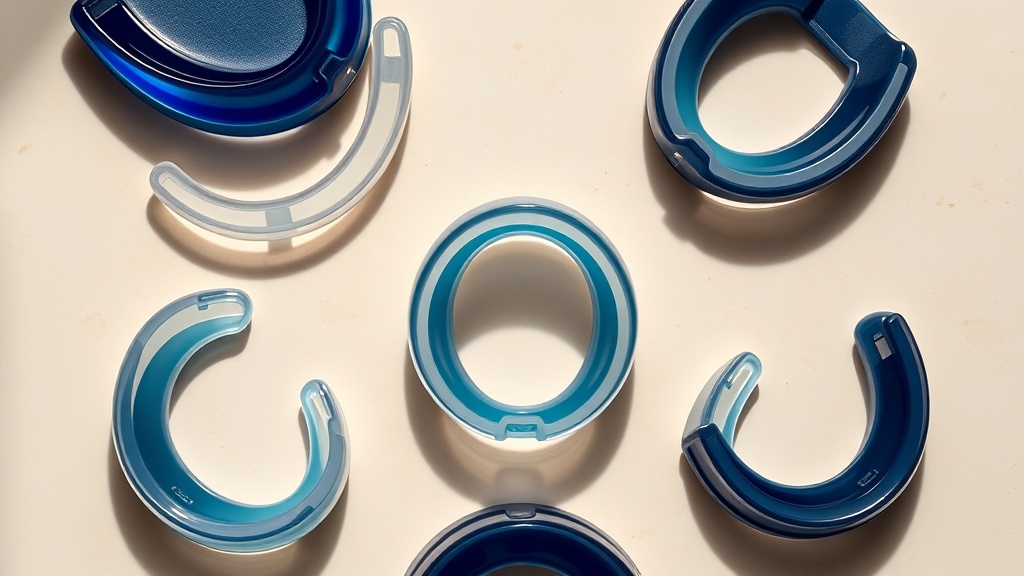 Best Of8 min
The Best Night Guards for Teeth Grinding: An Honest Guide
Custom, boil-and-bite or over-the-counter, soft or hard — an honest look at night guards for grinding, where protection is the real job.
Read →→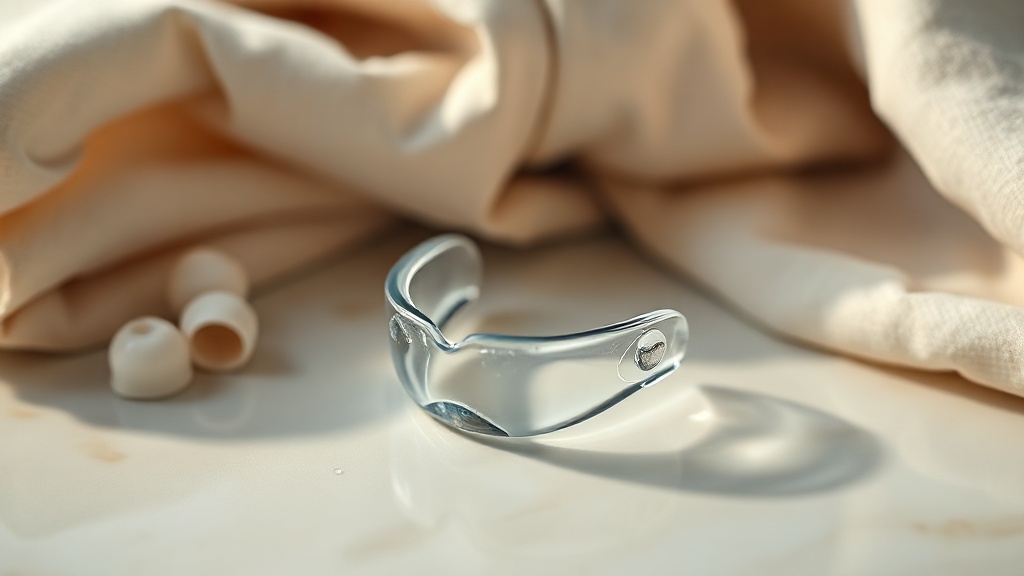 Reviews9 min
NTI Night Guard Review: Honest Look at Benefits, Risks & Cost
An honest review of the NTI anterior night guard - what it does for clenching, the bite-change risk sellers skip, and how it compares to a full night guard and self-care.
Read →→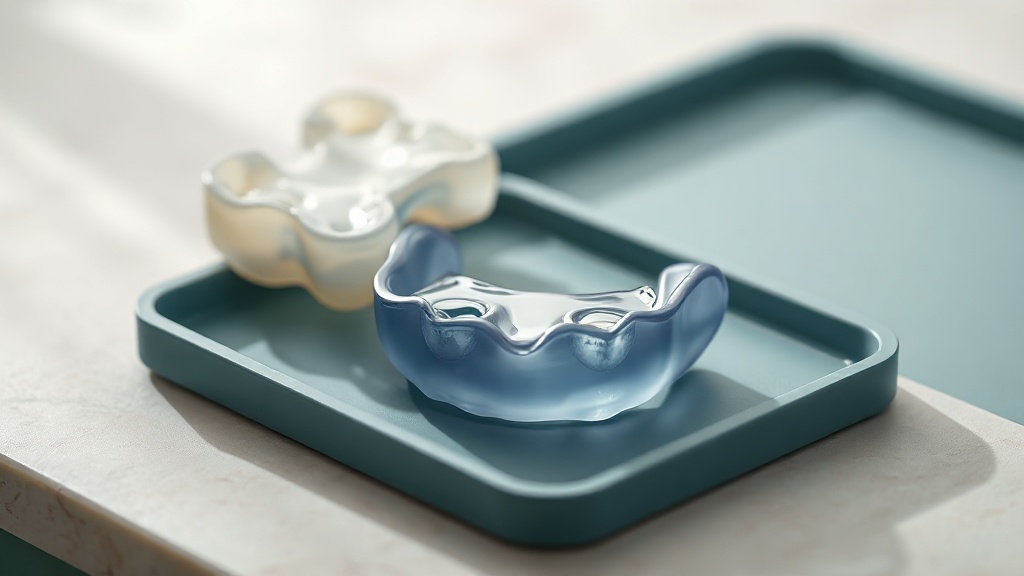 Guides8 min
How Much Does a Mouth Guard Cost? OTC vs Dentist Prices, Honestly
A clear, honest breakdown of what night guards cost — from boil-and-bite to custom lab-made — what actually drives the price, and how to decide when the pricier option is worth it.
Read →→ Guides8 min
How to Get Rid of TMJ: The Honest, Step-by-Step Conservative-Care Path
The honest conservative-care ladder for managing TMJ (TMD), from self-care to professional treatment, and when to escalate to a specialist.
Read →→ Guides8 min
Jaw Relaxation Exercises: A Step-by-Step Comfort Guide
A step-by-step down-regulation routine for a tight, clenched jaw, built on gentle relaxation rather than force.
Read →→ Guides9 min
Does Mewing Actually Work? An Honest, Evidence-Based Breakdown
The honest, evidence-based answer to whether tongue posture can reshape an adult jaw — what the research really shows, and why forcing it can backfire.
Read →→