Home Remedies for Sensitive Teeth: What Actually Helps
A no-hype home routine for sensitive teeth — what the evidence supports, what only soothes, and when to stop self-treating.
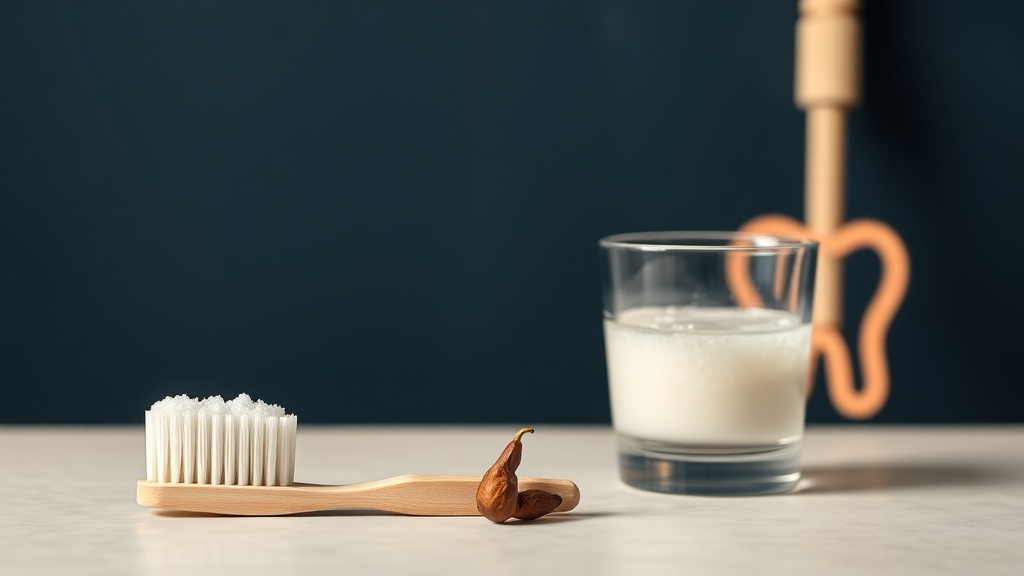
- The most effective home remedy for sensitive teeth is not exotic: a proper desensitising toothpaste used twice daily, given about two weeks to build up.
- You can boost it by dabbing that paste onto the tender spots at night and not rinsing, so the active ingredients stay in contact while you sleep.
- Gentle habits do the quiet heavy lifting — a soft brush, light pressure, easing off acidic foods and drinks, and waiting to brush after acid.
- A warm salt-water rinse can soothe irritated gums and is harmless, but there is no good evidence it remineralises enamel or seals dentine, so treat it as comfort, not a fix.
- Home remedies manage sensitivity; they do not cure it or repair a cavity or crack — persistent, one-sided, or lingering pain is a signal to see a dentist, not to try harder at home.
The home remedy that actually works for sensitive teeth is a desensitising toothpaste used consistently for about two weeks, ideally left on the sore spots overnight, alongside a soft brush and fewer acidic foods. Salt rinses and clove can soothe but do not repair the tooth. If sensitivity lingers, throbs, or fixes on one tooth, see a dentist.
Why the boring routine is the one that works
Search for home remedies and you will find a long list — oil pulling, garlic, guava leaves, hydrogen peroxide, charcoal. The honest picture is narrower. Sensitivity comes from exposed dentine whose microscopic tubules are open to the mouth, so anything that genuinely helps has to do one of two things: calm the nerve that sits inside those tubules, or physically seal the tubule mouths. That is exactly what a proper desensitising toothpaste is built to do. Potassium-based formulas quiet the nerve over about two weeks of daily use; formulas built around stannous fluoride, arginine with calcium carbonate, or hydroxyapatite lay down a mineral-like plug that narrows the openings. Most kitchen remedies do neither. They may freshen the mouth or briefly numb sore gums, but they leave the tubules open, so the twinge returns the moment a trigger arrives. This is why the least glamorous option — a sensitivity toothpaste used properly, plus gentler habits — outperforms the viral ones. The goal at home is modest and achievable: shield the surface and settle the signal, day after day.
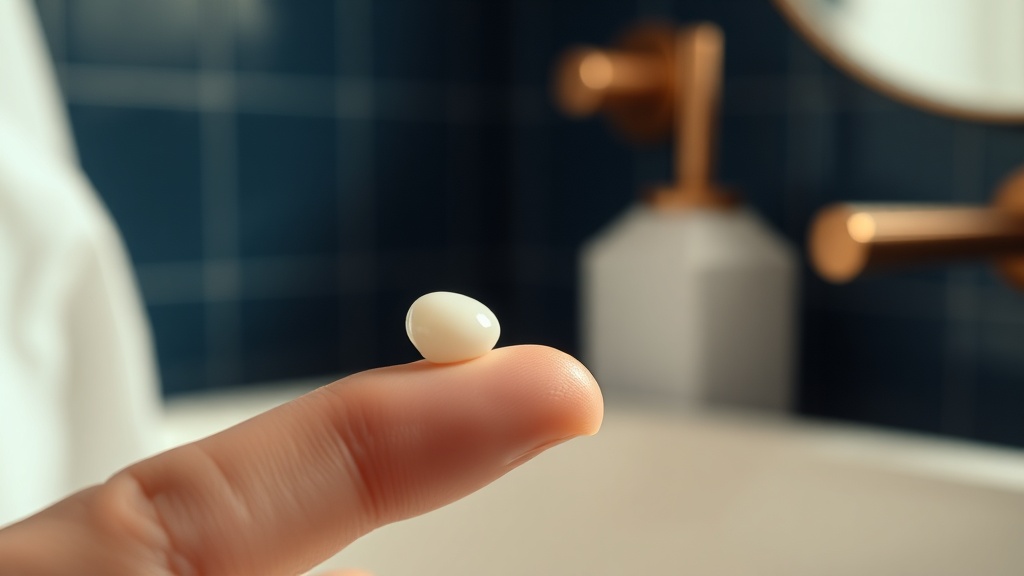
Rubbing desensitising paste onto the tender spots at night and leaving it on gives the active ingredients hours of contact time.
What the research actually shows
Every claim below maps to a named, peer-reviewed source in the Sources section. According to PubMed.
| Claim | Evidence | Source |
|---|---|---|
| A potassium-nitrate desensitising toothpaste cut iced-water sensitivity by about 81% at 7 days and 88.6% at 14 days — the core of an effective home routine. | Randomised, examiner-blind clinical trial. | Seong et al., 2021 |
| A stannous-fluoride toothpaste sealed open tubules (82% vs 35% control) and reduced tactile sensitivity by about 42% at 8 weeks. | Laboratory and clinical evaluation. | Hines et al., 2019 |
| Toothpaste technologies that block tubules are considered proven for sensitivity, while fluoride toothpaste alone offers little direct relief — so a purpose-built paste matters. | Review of toothpaste treatment of dentine hypersensitivity. | Addy & West, 2013 |
| Dietary acid is the dominant driver of the enamel erosion that opens tubules — making cutting acids one of the most useful home habits. | Review of aetiological factors. | Addy & Pearce, 1994 |
| Sensitive dentine has tubules open to the pulp, so any lasting remedy must either calm the nerve or seal those openings. | Review of the mechanism of dentine hypersensitivity. | Addy, 1992 |
Home remedies, honestly graded
| Remedy | What it really does | Honest verdict |
|---|---|---|
| Desensitising toothpaste (twice daily) | Calms the nerve and/or seals tubules | Works — the backbone of home care |
| Leaving that paste on overnight | Extends contact time on exposed dentine | Helpful boost |
| Soft brush + gentle pressure | Stops further wear and recession | Works — prevents worsening |
| Cutting and rinsing off acids | Reduces the erosion that opens tubules | Works — high-value habit |
| Warm salt-water rinse | Soothes irritated gum tissue | Comfort only — no repair |
| Clove or clove oil | Mild, brief numbing of the area | Temporary relief only — keep off open sores |
The remedies that soothe but do not fix
Some popular remedies are worth keeping in perspective rather than dismissing. A warm salt-water rinse genuinely calms inflamed gum tissue and is cheap and safe, which is why it feels helpful — but it does not remineralise enamel, seal tubules, or reach the cause of the twinge, so it is best thought of as a comfort measure. Clove and clove oil contain eugenol, which really does have a mild numbing effect on nerve endings; that is short-lived symptom relief, not healing, and clove oil can irritate soft tissue, so it should never be packed onto an open or broken tooth. Oil pulling, herbal pastes, and charcoal add nothing that seals dentine and, in the case of abrasive charcoal, can make wear worse. And the whole category of remedies that promise to reverse a cavity at home crosses a hard line: once a tooth has actually cavitated, no rinse, paste, or diet closes the hole — attempting to do so can let an infection take hold. Home care is for calming exposed dentine and protecting what is there, and it is genuinely good at that. It is not a substitute for a dentist when the problem is structural.
Evidence you can act on.
Occasional emails — new research, new protocols, no noise.
A simple two-week home routine
Give this a fair, consistent two weeks before judging it. None of it treats a disease — it soothes exposed dentine and protects the tooth while you arrange a check-up if you need one.
- 1
Brush with a desensitising toothpaste, twice a day
~2 minutes, morning and nightPick one built for sensitivity — potassium nitrate to calm the nerve, or stannous fluoride, arginine, or hydroxyapatite to seal tubules — and use it every time. Consistency over two weeks is what unlocks the effect, especially for the nerve-calming type.
- 2
Leave a dab on the sore spots at night
before bedAfter your evening brush, spit out the excess but do not rinse with water. Then rub a little extra paste directly onto the tender areas with a clean finger and leave it. Overnight contact gives the actives their best shot.
- 3
Swap to a soft brush and lighten up
every brushHard bristles and heavy pressure wear the gum line and worsen sensitivity. Use a soft brush, hold it gently, and angle it toward the gums rather than scrubbing side to side.
- 4
Manage acids and mind your timing
dailyReduce soda, citrus, and other acids; when you do have them, rinse with water afterward and wait about an hour before brushing so you are not scrubbing softened enamel. A soothing warm salt-water rinse here is fine for comfort.
- 5
Keep the mouth moist
all daySip water, chew sugar-free gum to stimulate saliva, and breathe through your nose. Saliva naturally bathes exposed dentine in minerals and is your best free remedy — if your mouth is persistently dry, tell your dentist.
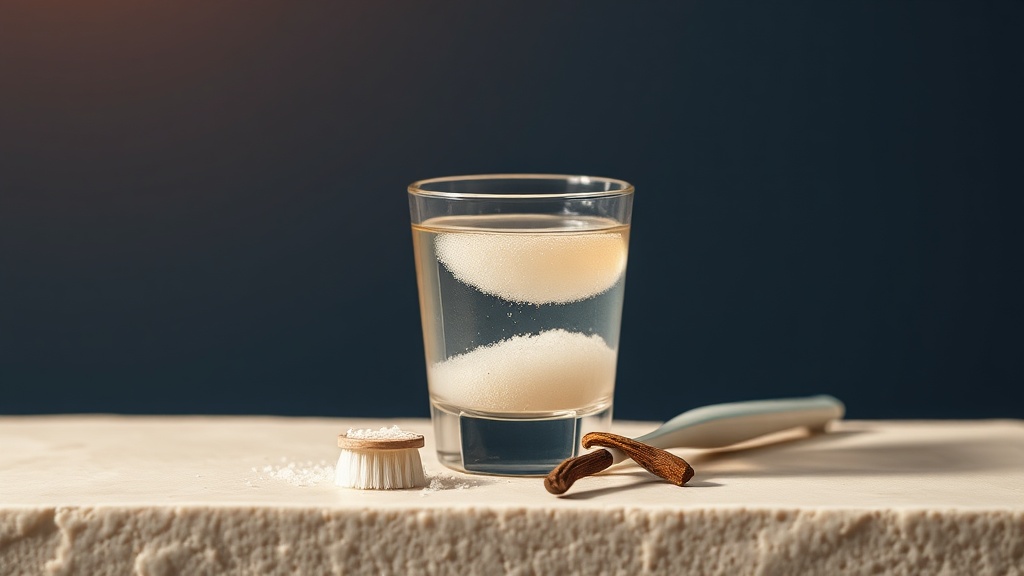
A warm salt-water rinse and clove can soothe, but they are comfort measures — the desensitising toothpaste routine is what reduces the twinge.
Home remedies are for mild, provoked, short-lived sensitivity. Stop self-treating and see a dentist if the pain lingers after the trigger is gone, throbs, wakes you, arrives on its own, is fixed to one tooth, or comes with swelling, a bad taste, or a visible hole or chip — and if two weeks of a proper desensitising routine changes nothing. Never try to remineralise or seal an open, broken, or cavitated tooth at home; that needs professional care, and delaying it can let an infection set in.
Frequently asked questions
Sources
- 1.
- 2.
- 3.
- 4.
- 5.

Fix your breath at the source.
The complete science-backed protocol — engineered to eliminate volatile sulfur compounds at the biological source.
Start the Breath Protocol →Related reading
Educational purposes only. The content on this page is not medical advice and is not a substitute for consultation with a qualified dental or medical professional.
More from the library
 Guides9 min
Sensitive Teeth: What They Are and How to Get Relief
A plain-language guide to what sensitive teeth feel like, why the twinge happens, and the gentle steps that help most people find relief.
Read →→ Guides9 min
Tooth Sensitivity: Causes, Triggers and Types
The causes-and-types companion to our sensitive-teeth guide: what exposes dentine, why the nerve fires, and when a twinge is really something else.
Read →→ Ingredients9 min
Desensitizing Toothpaste: How It Works and What to Look For
A clear guide to the two mechanisms behind desensitizing toothpaste, which ingredient does what, and how to pick and use one.
Read →→ Ingredients9 min
Potassium Nitrate Toothpaste: How It Calms Sensitive Teeth
A focused guide to potassium nitrate toothpaste: how the nerve-calming mechanism works, the honest evidence, the two-week timeline, and how to use it.
Read →→ Answers8 min
How to Get Rid of White Spots on Teeth: Your Options, Ranked
An honest, evidence-based ladder of options, from what you can do at home to what only a dentist can fix.
Read →→ Ingredients8 min
Hydroxyapatite Toothpaste Benefits: What the Evidence Actually Supports
A calm, science-first look at what hydroxyapatite toothpaste can genuinely do for your enamel, and where the evidence stops.
Read →→