
Home Remedies for Mouth Ulcers: What Actually Helps, Honestly
Most mouth ulcers heal on their own in a week or two. Home remedies buy comfort and cleaner healing, not a cure — here is an honest look at which ones have evidence behind them.
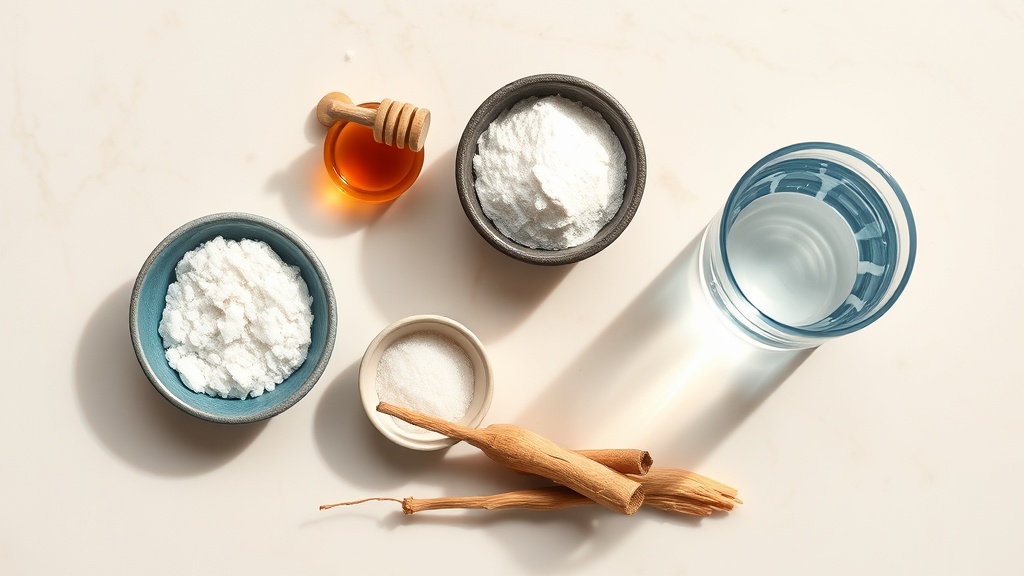
- A mouth ulcer (canker sore) heals on its own in about one to two weeks. Home remedies ease discomfort and keep the area clean; none is a cure.
- Of the kitchen options, honey has the most trial support: applied to minor ulcers it reduced pain, size and redness in a randomized study, with no side effects reported.
- Salt-water and baking-soda rinses are gentle, cheap ways to keep the sore clean and soothe it — comfort measures rather than proven healers.
- Licorice, a traditional soother available as a paste or patch, reduced pain, size and healing time across several small trials.
- See a professional if a sore lasts more than two to three weeks, is unusually large, keeps returning in crops, or comes with fever or sores elsewhere on the body.
The most useful home remedies for mouth ulcers keep the sore clean and comfortable while it heals on its own. A warm salt-water or baking-soda rinse soothes and cleans; dabbing honey reduced pain and size in a trial; licorice helped in several small studies. Avoid acidic, spicy foods and SLS toothpaste. None cures the ulcer — they make the week easier.
Why home remedies help with comfort, not cure
A mouth ulcer of the common kind is a canker sore, known clinically as recurrent aphthous stomatitis: a shallow ulcer with a pale centre and red halo on the soft lining of the mouth. It is not a cold sore, which is a viral blister on the outer lip. The exact trigger is not fully understood — it is thought to be an immune and inflammatory response in predisposed people, sometimes set off by stress, a minor bite or injury, certain foods, or a run-down period — and, importantly, there is no curative treatment. The ulcer runs its course and heals over on its own. That single fact is the honest foundation for every home remedy. Nothing in your kitchen cupboard changes the underlying biology or removes the one-to-two-week timeline. What good home care can do is make that time far more bearable and give the sore a clean, undisturbed environment to settle in. A gentle rinse washes away debris and lowers irritation; a soothing dab lays a comforting layer over the raw spot; and cutting out the things that sting it — sharp crisps, citrus, spicy sauces, harsh toothpaste — stops you re-injuring it between meals. Seen this way, home remedies are not a lesser version of medicine; they are exactly the right tool for a self-limiting sore, provided you keep your expectations honest about what they can and cannot do.
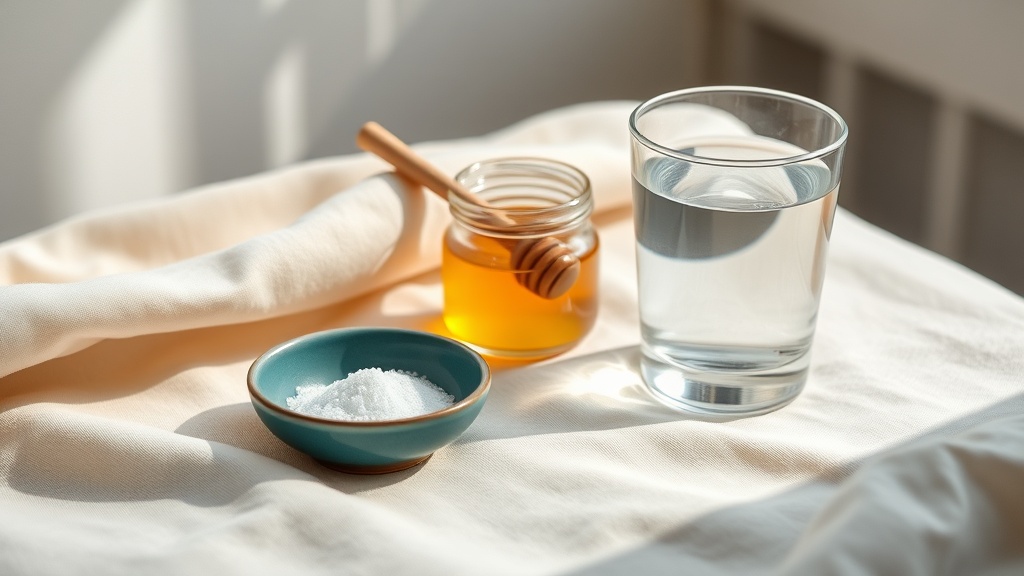
The evidence-backed home kit is simple: a rinse to keep the sore clean, and a soothing dab such as honey.
What the research actually shows
Every claim below maps to a named, peer-reviewed source in the Sources section. According to PubMed.
| Claim | Evidence | Source |
|---|---|---|
| In a randomized clinical trial, honey applied to minor recurrent mouth ulcers significantly reduced ulcer size, days of pain and redness compared with a corticosteroid and a barrier paste, with no side effects reported. | Randomized, blind, controlled trial in 94 subjects (180 ulcers). | El-Haddad et al., Quintessence Int 2014 |
| A systematic review of six trials found topical licorice, a traditional soother, reduced pain, ulcer size and healing time — typically within four to eight days — with no adverse effects reported. | Systematic review of 6 clinical trials (314 subjects). | Dorsareh et al., Iran J Med Sci 2023 |
| In a network meta-analysis, honey and licorice (glycyrrhiza) were among the topical options with better efficacy for aphthous ulcers, though effects across interventions were generally modest. | Network meta-analysis of 72 trials (5,272 subjects, 29 interventions). | Liu et al., Medicina 2022 |
| A chlorhexidine antiseptic rinse eased ulcer pain in a trial, showing that a stronger medicated rinse can outperform a simple home swish when a sore is stubborn. | Randomized controlled trial across 35 ulcer episodes. | Miles et al., Oral Surg Oral Med Oral Pathol 1993 |
| Aphthous ulcers are the most common oral mucosal ulcer, affecting roughly 5 to 25 percent of people, and at present there is no curative treatment — they resolve on their own. | Narrative review of recurrent aphthous stomatitis. | Conejero Del Mazo et al., Med Clin 2023 |
The home remedies, honestly compared
| Home remedy | How it may help | Best for | Honest limit |
|---|---|---|---|
| Warm salt-water rinse | Cleans and gently soothes the raw area | Everyday hygiene while a sore settles | Comfort only; no trial evidence it speeds healing |
| Baking-soda rinse or dab | Neutralises acidity; mild soothing | When acidic food is stinging the sore | Comfort measure; keep it a weak, gentle solution |
| Honey applied to the sore | Reduced pain, size and redness in a trial | A single reachable minor ulcer | Not for infants under one year; sticky to apply |
| Licorice (paste or patch) | Reduced pain and healing time in trials | You prefer a botanical soother | Studies are small; effects are modest |
| Cold: ice chips or cold water | Numbs the area briefly for relief | A quick break from the sting | Very short-lived; does nothing for healing |
| Avoiding irritants and SLS toothpaste | Stops re-injury between meals | Everyone with an active sore | Prevents aggravation; not a treatment itself |
Which home remedies are worth it, and which are just folklore
Home remedies for mouth ulcers range from genuinely evidence-supported to pleasant folklore, and it helps to know which is which. At the stronger end sits honey: in a randomized trial, dabbing honey on minor ulcers reduced their size, the number of painful days and the redness, and it did so with no reported side effects — a rare case of a kitchen staple standing up in a controlled study. Licorice earns its place too, having reduced pain, size and healing time across several small trials, which is why it turns up in traditional pastes and patches. A warm salt-water swish and a weak baking-soda rinse are the sensible everyday backbone: they are gentle, cheap and soothing, and they keep the sore clean, even if no trial credits them with faster healing. Cold — an ice chip or cold water held against the spot — gives a brief, honest hit of numbness. Beyond these, the internet overflows with remedies that are best treated with caution, from undiluted essential oils to harsh astringents, which can irritate an open sore more than they help. And when a sore is genuinely stubborn, it is fair to admit a medicated option can outperform the cupboard: a chlorhexidine rinse eased pain in a trial where a home swish would not. The throughline is honest expectation. Use the gentle, supported remedies for a more comfortable week, and do not ask any of them to do the one thing none can — cure a sore your body will heal by itself.
Evidence you can act on.
Occasional emails — new research, new protocols, no noise.
A simple home routine for a mouth ulcer
Good relief at home is mostly about keeping the sore clean, soothing it, and not re-injuring it. This sequence puts the evidence-backed steps in order.
- 1
Confirm it is a canker sore, not a cold sore
one minuteA canker sore is a single round ulcer inside the mouth on soft tissue. A cold sore blisters on the outer lip and is viral. If it is on the lip border or blistering, these remedies do not apply — that is a different condition.
- 2
Rinse gently to keep it clean
about 30 seconds, a few times a daySwish a warm salt-water or weak baking-soda solution slowly around the sore, then spit. This washes away debris and soothes without stinging. Skip strong, high-alcohol mouthwashes on an open ulcer — they burn and add nothing.
- 3
Soothe with a supported dab
as neededOn a clean, dried sore, dab a little honey or apply a licorice paste, the two home options with trial support. Reapply through the day. Do not give honey to children under one year old.
- 4
Numb briefly before a painful meal
as neededHolding an ice chip or cold water against the spot for a moment dulls the sting enough to get through eating. It is short-lived relief, so time it around meals rather than expecting it to last.
- 5
Remove the everyday irritants
while it settlesGo easy on sharp, acidic and spicy foods that sting the raw spot, and try a toothpaste without sodium lauryl sulfate (SLS), which some people find aggravates sores. Staying hydrated and rested supports the body doing the actual healing.
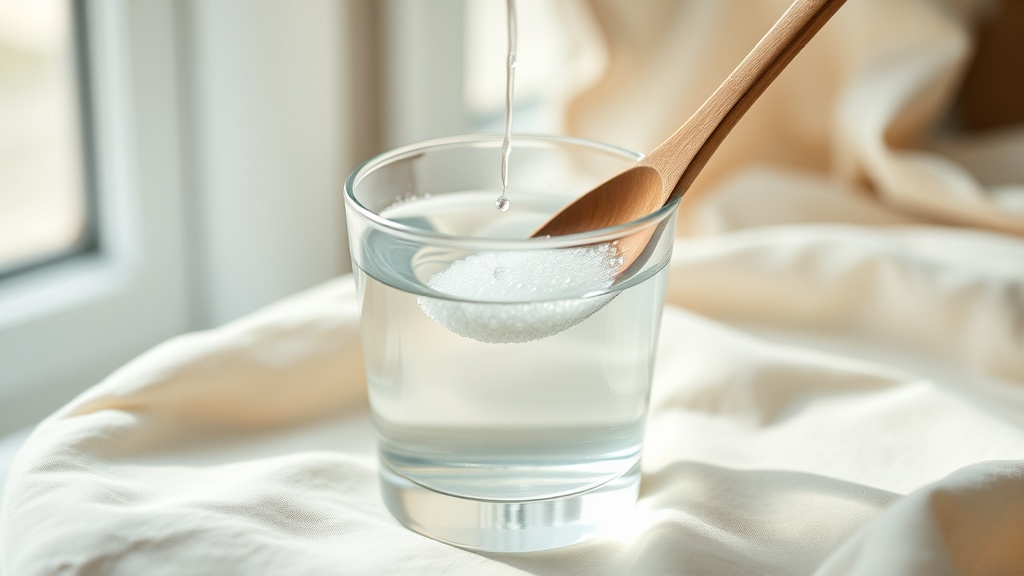
A warm salt-water swish is the honest backbone of home care: gentle, cheap, and soothing while the sore settles.
Most mouth ulcers settle on their own within a week or two. See a dentist or doctor if a sore lasts longer than two to three weeks, is unusually large or deep, keeps returning in crops, makes eating or drinking very difficult, or comes with a fever, swollen glands, or sores elsewhere on the body. A single ulcer that will not heal should always be assessed in person rather than treated at home indefinitely, so a professional can rule out other causes.
Frequently asked questions
Sources
- 1.
- 2.
- 3.
- 4.
- 5.
- 6.

Fix your breath at the source.
The complete science-backed protocol — engineered to eliminate volatile sulfur compounds at the biological source.
Start the Breath Protocol →Related reading
Educational purposes only. The content on this page is not medical advice and is not a substitute for consultation with a qualified dental or medical professional.
More from the library
 Best Of9 min
The Best Canker Sore Medicine: OTC Options Compared
Canker sores (aphthous ulcers) settle on their own — the right over-the-counter product mainly buys comfort and protection while they do. Here is what the evidence supports.
Read →→ Guides8 min
Home Remedies for Bad Breath: What the Evidence and Tradition Say
Salt water, baking soda, parsley and oil pulling, weighed honestly by both evidence and tradition, so you know what removes the source of odour and what only masks it.
Read →→ Guides9 min
Bad Breath Remedies That Actually Work
We ranked the popular fixes by how strong the evidence really is, so you know what to do first.
Read →→ Best Of8 min
The Best Mouthwash for Bad Breath, by Active Ingredient
There is no single winner, only the right rinse for the right job. Here is how the active ingredients compare on the evidence, and which suits everyday fresh breath.
Read →→ Guides8 min
How to Get Rid of Bad Breath Permanently: An Evidence-Based Plan
The honest version: "permanently" means ongoing control, not a one-time fix. Here is the daily routine the research actually supports, and when to get help.
Read →→ Guides7 min
Bad Breath Even After Brushing? The Biological Reason (and Fix)
You brushed, flossed and rinsed — and the smell is still there. The reason usually isn't hygiene; it's where the odour-causing bacteria actually live.
Read →→