
Dry Mouth and Diabetes: Why They Are Linked and How to Get Relief
Diabetes and dry mouth often travel together — here is the honest evidence on why, what it means for your teeth, and how to get relief alongside your diabetes care.
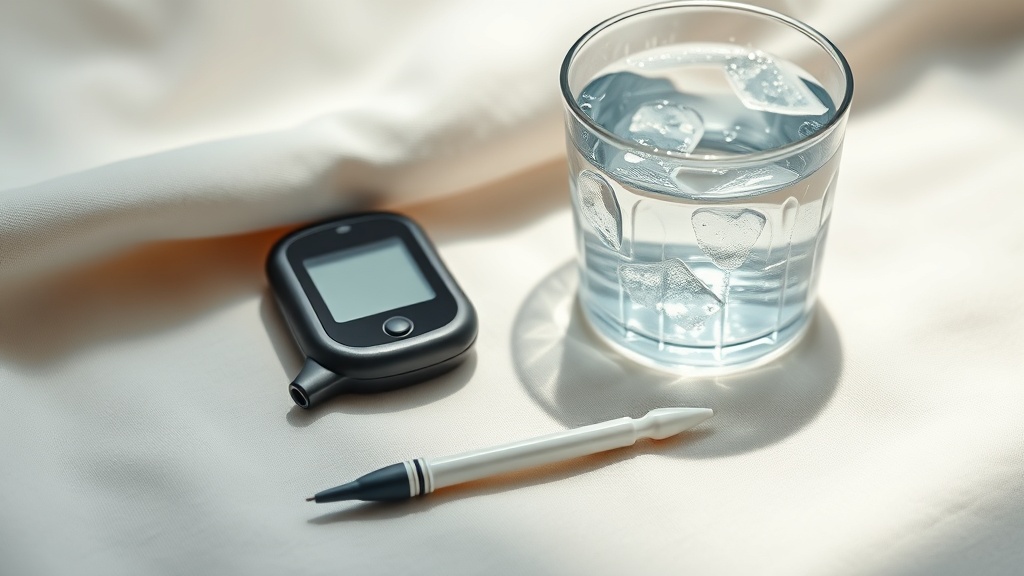
- Diabetes and dry mouth genuinely travel together — pooled research shows adults with diabetes tend to have lower saliva flow than people without it.
- The link runs through several overlapping routes: high blood sugar pulling fluid from the body, small changes in nerves and blood vessels over time, and the drying medicines often taken alongside diabetes.
- Blood-sugar control matters for the mouth too — in type 2 diabetes, better metabolic control is tied to better saliva flow, and the feeling of dry mouth tends to track with how long diabetes has been present.
- Dry mouth plus diabetes stacks two oral risks: more tooth decay and more oral thrush, especially when blood sugar runs high, so protecting the teeth and watching for infection is important.
- Comfort products and habits support saliva and ease the dryness; they do not treat diabetes — that stays with your medical team, and the two plans work best together.
Yes, diabetes and dry mouth are linked. Adults with diabetes tend to have lower saliva flow, partly from high blood sugar drawing off body fluid, partly from long-term nerve and vessel changes, and partly from drying medications. Managing blood sugar with your care team helps, while comfort steps ease the dryness. The products support moisture, not the diabetes itself.
Why diabetes and dry mouth go together
The connection between diabetes and dry mouth is real and reasonably well studied. A systematic review pooling many studies found that adults with diabetes have significantly lower saliva flow, both at rest and when stimulated, than people without diabetes. There is no single reason for this; several routes overlap. The most intuitive is blood sugar itself: when glucose runs high, the body sheds the excess partly through the urine, which pulls fluid with it and can leave the whole body — mouth included — drier, along with the familiar increased thirst and urination. Over longer stretches, diabetes can also bring subtle changes to small blood vessels and nerves, and the salivary glands rely on both a good blood supply and nerve signalling to do their work, so those changes can blunt how much saliva is produced. Layered on top is medication: many people with diabetes also take drugs for blood pressure or other conditions that list dry mouth among their most common effects. It is worth being honest about the nuance — the size of the effect varies between studies and people, and dry mouth is not inevitable with diabetes. But the association is consistent enough that if you have diabetes and a dry mouth, the two are very likely related.

High blood sugar and long-term vessel and nerve changes can thin the mouth's moisture — which is why saliva tends to run lower in diabetes.
What the research actually shows
Every claim below maps to a named, peer-reviewed source in the Sources section. According to PubMed.
| Claim | Evidence | Source |
|---|---|---|
| Adults with diabetes have significantly lower saliva flow — both unstimulated and stimulated — than people without diabetes. | Systematic review and meta-analysis of 22 studies (over 2,100 adults). | Marques et al., 2022 |
| In type 2 diabetes, better blood-sugar control is tied to better saliva flow and buffering, and the subjective feeling of dry mouth tracks with how long diabetes has been present. | Cross-sectional study comparing well- and poorly-controlled patients. | Rahiotis et al., 2021 |
| Oral thrush is significantly more common in people with diabetes, and more so when blood sugar is poorly controlled. | Comparative study of 149 diabetic and 102 non-diabetic adults. | Bissong et al., 2015 |
| Low saliva itself raises the risk of oral thrush roughly two to three times, so dry mouth compounds the infection risk diabetes already carries. | Meta-analysis of xerostomia and oral candidiasis. | Molek et al., 2022 |
| Reduced saliva is one of the strongest risk factors for tooth decay, carrying a caries incidence rate ratio of 5.30 with hyposalivation. | 18-month cohort of high-risk adults. | Bulthuis et al., 2022 |
The routes from diabetes to a dry mouth
| Route | What it does | What helps |
|---|---|---|
| High blood sugar | Excess glucose pulls fluid out through urine, drying the body and mouth | Blood-sugar control with your care team; steady hydration |
| Nerve and small-vessel changes | Can blunt the blood supply and signalling salivary glands rely on | Long-term diabetes management; regular dental review |
| Co-medications | Blood-pressure and other drugs add their own drying effect | Review drying medicines with the prescriber |
| Higher infection susceptibility | Favours oral thrush, especially when sugar runs high | Good hygiene, dental care, better glycemic control |
Why it matters — the oral risks that ride along
Dry mouth is uncomfortable in its own right, but with diabetes the bigger reason to take it seriously is what it does to the rest of the mouth. Saliva is the mouth's natural defence: it rinses away food, neutralises acid and helps hold minerals in the enamel. When it runs low, two risks climb. The first is tooth decay — reduced saliva is one of the strongest risk factors there is, and studies in people with diabetes show more cavities, particularly when blood sugar is poorly controlled. The second is oral thrush, a yeast overgrowth that is already more common in diabetes and is made more likely again by a dry mouth, which roughly doubles to triples the risk on its own. The encouraging thread running through the research is that these risks are modifiable. Better metabolic control is linked with better saliva and fewer oral problems, and diligent dental care blunts the decay risk. This is exactly why the honest framing here is about managing risk and comfort together, not about any product treating diabetes. Comfort products and habits support moisture and protect the mouth; the diabetes itself is managed by your medical team. The best results come when those two plans — your diabetes care and your mouth care — are joined up rather than run separately.
Evidence you can act on.
Occasional emails — new research, new protocols, no noise.
Managing dry mouth when you have diabetes
This is a comfort and risk-reduction plan for the mouth. It supports saliva and protects your teeth — it does not treat diabetes, which stays with your medical team. Bring the two together for the best outcome.
- 1
Work with your care team on blood sugar
ongoingBlood-sugar control is the upstream lever: better metabolic control is linked with better saliva flow and fewer mouth problems. This is medical management with your diabetes team, and it is the single most valuable thing for the dry mouth as well as everything else.
- 2
Tell your dentist you have diabetes
regularlyLet your dentist know, and keep to regular visits — more often if your dentist advises. They can watch for early decay and thrush, apply stronger fluoride if needed, and tailor advice to a mouth that is at higher risk. Diabetes and dental care work best coordinated.
- 3
Review drying medicines with the prescriber
as advisedIf you take blood-pressure or other medicines that dry the mouth, ask the prescriber whether anything can be adjusted. Never stop a prescribed medicine yourself. Sometimes a small change helps; when it cannot, the plan shifts to comfort and protection.
- 4
Hydrate and stimulate saliva — sugar-free
all daySip water through the day, and if your glands still respond, use sugar-free gum or lozenges to nudge saliva up. Sugar-free matters twice over here: it protects your teeth and avoids adding to your glucose load. Go easy on caffeine and alcohol, which are drying.
- 5
Protect your teeth and watch for thrush
dailyBrush with fluoride, and ask about higher-strength fluoride if your risk is high. Add moisture sprays or gels for comfort, especially overnight. See your dentist or doctor if you notice white patches, soreness, a burning tongue or new cavities, which can signal thrush or decay taking hold.

The best results come when diabetes care and mouth care are joined up — blood-sugar control is also the upstream lever for saliva.
Tell your doctor or dentist if you have diabetes and a persistent dry mouth, and see them promptly if you notice white patches or soreness in the mouth (possible thrush), new or fast-spreading cavities, a burning tongue, or trouble swallowing. Sudden, severe thirst and dry mouth with frequent urination can be a sign that blood sugar needs attention, so do not ignore a marked change — contact your diabetes team. Never stop or change a prescribed medicine on your own; ask whether a safe adjustment is possible.
Frequently asked questions
Sources
- 1.
- 2.
- 3.
- 4.
- 5.
- 6.
- 7.

Fix your breath at the source.
The complete science-backed protocol — engineered to eliminate volatile sulfur compounds at the biological source.
Start the Breath Protocol →Related reading
Educational purposes only. The content on this page is not medical advice and is not a substitute for consultation with a qualified dental or medical professional.
More from the library
 Guides8 min
What Causes Dry Mouth? The Common Triggers, Explained
Dry mouth almost always has an identifiable trigger, and knowing yours is the first step toward relief.
Read →→ Answers8 min
What Is Dry Mouth a Sign Of?
What a persistently dry mouth can and cannot tell you — the common and the medical causes, honestly, with a clear line on when to get it checked.
Read →→ Guides9 min
Dry Mouth Treatment: Relief Options and Care, Explained
A calm, honest map of the dry mouth treatment ladder - what each option does, how strong the evidence is, and when to bring in a professional.
Read →→ Guides8 min
Home Remedies for Dry Mouth: Practical Habits That Help
The everyday habits that genuinely ease a dry mouth, what the evidence says about each, and the popular acidic home fixes that can quietly wear down your teeth.
Read →→ Guides8 min
How to Fix Dry Mouth: An Evidence-Based Guide
Dry mouth is usually manageable once you know what is driving it and which supportive habits actually move the needle.
Read →→ Guides8 min
Dry Mouth at Night: Why It Happens and How to Sleep Easier
Nighttime dryness is common because your saliva naturally slows while you sleep, and a few targeted habits can make a real difference.
Read →→