
What Is Dry Mouth a Sign Of? An Honest Overview
What a persistently dry mouth can and cannot tell you — the common and the medical causes, honestly, with a clear line on when to get it checked.

- Dry mouth is a symptom, not a diagnosis — it points toward a cause rather than proving any single condition, so this page helps you narrow it down, not self-diagnose.
- By far the most common everyday cause is medication; dehydration and mouth-breathing are close behind and usually straightforward to address.
- It can also accompany medical conditions — type 2 diabetes and Sjogren are the ones most worth knowing about — which is why a persistent dry mouth deserves a professional look.
- Dry mouth together with dry eyes, or with thirst and frequent urination, is a particularly useful combination to report to a doctor.
- A one-off dry mouth is rarely a worry; a constant one, or one with other symptoms, should be assessed — and you should never stop a prescribed medicine on your own to relieve it.
Dry mouth is most often a sign of a medication side effect, dehydration, or mouth-breathing. Less commonly it can accompany conditions such as type 2 diabetes or Sjogren syndrome, especially when it is persistent or paired with other symptoms. It is a clue to investigate with a professional, not a diagnosis on its own.
Dry mouth is a symptom, not a diagnosis
The honest starting point is that a dry mouth tells you saliva is not keeping the tissues comfortably coated — but it does not, by itself, tell you why. Many different things can lower saliva or dry the film faster than it is replaced, and most of them are common and manageable. So the useful question is not what disease does this prove, but what is it pointing at in my case. It also helps to know that the feeling of dryness and a measured drop in saliva do not always match: people can feel parched with near-normal flow, or have genuinely low flow with little complaint. That is one reason self-diagnosis from a symptom alone is unreliable. What raises or lowers the odds is context. A dry mouth that appeared with a new prescription points one way; a dry mouth alongside dry eyes points another; a dry mouth with unusual thirst, frequent urination and fatigue points to a conversation about blood sugar. None of these are things to conclude on your own — they are patterns to notice and bring to a dentist or doctor, who can measure saliva, review your medicines, and order any checks that make sense. Treat the sections below as a map of possibilities, not a verdict.

One symptom, many possible origins: dry mouth can point to a medicine, hydration, breathing, or a medical cause.
What the research actually shows
Every claim below maps to a named, peer-reviewed source in the Sources section. According to PubMed.
| Claim | Evidence | Source |
|---|---|---|
| Most often, dry mouth is a sign of a medication side effect — it is the single most frequently reported cause. | Widely cited clinical review of xerostomia etiology and management. | Guggenheimer & Moore, 2003 |
| Dry mouth is commonly reported in type 2 diabetes: pooled xerostomia prevalence was about 42%, so unexplained persistent dryness is worth a blood-sugar conversation. | Systematic review and meta-analysis of 23 studies (2,486 patients with type 2 diabetes). | Huang et al., 2025 |
| It can be a sign of Sjogren syndrome, an autoimmune condition that reduces saliva and tears — uncommon overall and far more frequent in women. | Systematic review of primary Sjogren epidemiology (pooled ~60.8 per 100,000; female-to-male ~10.7 to 1). | Qin et al., 2015 |
| Because Sjogren carries an elevated lymphoma risk, a persistent dry mouth with dry eyes is a combination worth having assessed rather than ignoring. | Meta-analysis of non-Hodgkin lymphoma risk in Sjogren (standardized incidence ratio ~8.8). | Ansari & Salesi, 2024 |
| Sometimes dry mouth is simply a sign of how you are breathing: mouth-breathing significantly lowers measured oral moisture and worsens the dry feeling. | Direct human measurement of oral moisture during mouth versus nasal breathing (p=0.001). | Oto et al., 2013 |
What a dry mouth can be pointing to
| Possible sign of | Clues that often come with it | Sensible response |
|---|---|---|
| A medication side effect | Started with a new drug; several medicines at once | Tell the prescriber; do not stop on your own |
| Dehydration or lifestyle | Hot days, exercise, alcohol, caffeine | Steady your fluids and reassess |
| Type 2 diabetes | Extra thirst, frequent urination, fatigue | Ask your doctor about a blood-sugar check |
| Sjogren or autoimmune disease | Dry eyes alongside the dry mouth | See a doctor; they may involve a rheumatologist |
| Stress or anxiety | Dryness in tense moments, then it settles | Manage the stressor; watch the pattern |
| Mouth-breathing | Worse overnight and on waking; blocked nose | Address nasal congestion |
When dry mouth is worth a closer look
Most dry mouths are explained by ordinary things, so the goal is not to worry but to know which signals deserve attention. A single dry morning after a salty meal or a late night is not a medical event. What changes the picture is persistence and company. Persistence means the dryness is there most days and does not settle when you address the obvious — you are hydrated, you are not obviously mouth-breathing, and nothing new has started. Company means other symptoms travelling alongside it. Dry eyes with a dry mouth is the classic pairing that points toward Sjogren and is worth reporting, partly because the condition carries a raised lymphoma risk that makes assessment sensible rather than optional. Unusual thirst, frequent urination and fatigue with a dry mouth point toward a blood-sugar conversation. Dryness that began within weeks of a new prescription points squarely at that medicine. None of these mean you have a disease — they mean the pattern is worth a professional eye. The reassuring counterpart is that the same visit that rules things in or out also protects your teeth, because a dry mouth of any cause leaves enamel more exposed and benefits from a fluoride plan. So a closer look is rarely wasted: at worst it reassures you, and at best it catches something early.
Evidence you can act on.
Occasional emails — new research, new protocols, no noise.
How to figure out what yours is a sign of
These steps help you gather the right clues and get the right assessment. They are not a way to diagnose yourself, and a persistent dry mouth should be reviewed by a professional.
- 1
Note when it started and what else is going on
a few daysDid it begin with a new medicine? Is it worse overnight? Are your eyes dry too, or are you unusually thirsty and urinating more? These pairings are the most useful information a dentist or doctor can have, because the company dry mouth keeps often points to the cause.
- 2
Rule the easy things in or out first
a week or soSteady your fluids, ease off alcohol and caffeine, and notice whether you are breathing through your mouth, especially at night. If the dryness clears when you fix these, you likely had a simple cause. If it persists despite them, that itself is a useful clue to bring to a professional.
- 3
List your medicines for the prescriber
10 minutesBecause medication is the most common cause, a full list — prescriptions, over-the-counter drugs and supplements — helps a clinician spot a likely culprit. Note the timing against when the dryness began. Reviewing or adjusting a drug is their decision; never change one yourself.
- 4
Book an assessment if it persists or pairs up
book a visitA constant dry mouth, or one with dry eyes, thirst and frequent urination, or difficulty swallowing, deserves a proper look. A doctor or dentist can measure saliva, review medicines, and order checks for things like blood sugar or Sjogren if the picture warrants it.
- 5
Protect your teeth while you sort out the cause
ongoingWhatever the underlying sign, a dry mouth leaves enamel more exposed, so a high-fluoride routine and regular dental care matter in the meantime. Comfort products such as gels, sprays and sugar-free gum can ease the feeling while the cause is worked out.

A persistent dry mouth, or one with other symptoms, is a clue to bring to a professional who can measure saliva and review your medicines.
See a dentist or doctor if your dry mouth is persistent, or if it comes with dry eyes, unusual thirst and frequent urination, difficulty swallowing, mouth sores, or a burning tongue. Dry mouth plus dry eyes together, and dry mouth with thirst and frequent urination, are two combinations especially worth reporting. A professional can measure your saliva, review your medicines, and arrange checks for causes such as diabetes or Sjogren. This page maps possibilities; it does not diagnose. And never stop a prescribed medicine on your own to relieve dryness — that decision belongs to the doctor who manages it.
Frequently asked questions
Sources
- 1.
- 2.
- 3.
- 4.
- 5.
- 6.
- 7.
- 8.
- 9.

Fix your breath at the source.
The complete science-backed protocol — engineered to eliminate volatile sulfur compounds at the biological source.
Start the Breath Protocol →Related reading
Educational purposes only. The content on this page is not medical advice and is not a substitute for consultation with a qualified dental or medical professional.
More from the library
 Guides8 min
What Causes Dry Mouth? The Common Triggers, Explained
Dry mouth almost always has an identifiable trigger, and knowing yours is the first step toward relief.
Read →→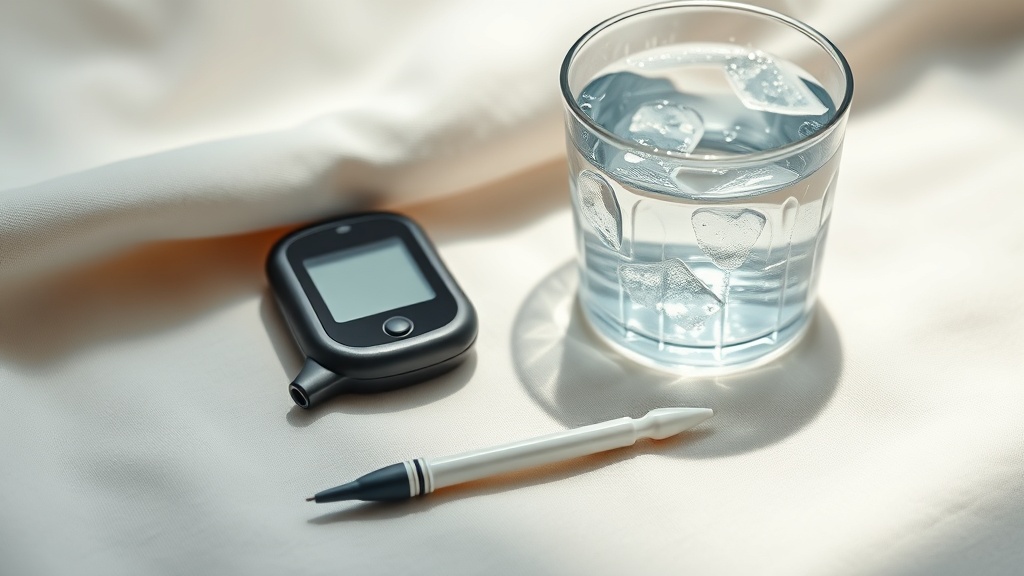 Guides9 min
Dry Mouth and Diabetes
Diabetes and dry mouth often travel together — here is the honest evidence on why, what it means for your teeth, and how to get relief alongside your diabetes care.
Read →→ Causes8 min
Can a CPAP Cause Dry Mouth? Why It Happens and How to Fix It
A dry mouth is one of the most common CPAP complaints, and it almost always has a fixable cause. Here is what is really drying you out overnight, and how to fix it without giving up the therapy that helps you breathe.
Read →→ Answers8 min
Can You Cure Dry Mouth? What Actually Helps
Dry mouth is usually a symptom, not a disease — here is why it is managed rather than cured, and the realistic steps that bring relief.
Read →→ Guides8 min
How to Fix Dry Mouth: An Evidence-Based Guide
Dry mouth is usually manageable once you know what is driving it and which supportive habits actually move the needle.
Read →→ Guides8 min
Dry Mouth at Night: Why It Happens and How to Sleep Easier
Nighttime dryness is common because your saliva naturally slows while you sleep, and a few targeted habits can make a real difference.
Read →→