Dry Mouth Treatment: Your Options, Explained
A calm, honest map of the dry mouth treatment ladder - what each option does, how strong the evidence is, and when to bring in a professional.
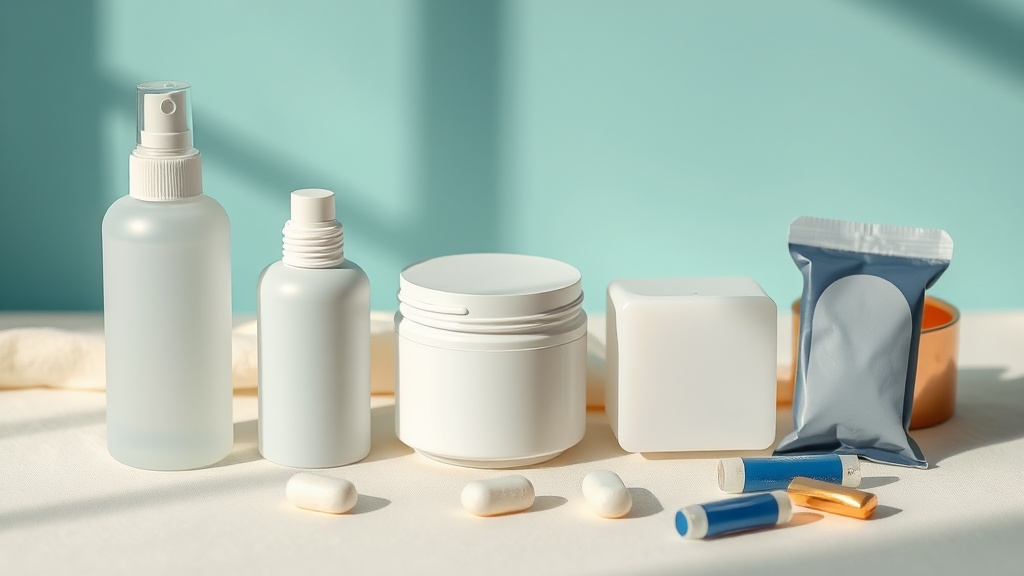
- Dry mouth treatment is a ladder, not a single pill: it runs from simple self-care up to prescription saliva stimulants, matched to how severe the dryness is and what is causing it.
- The honest evidence is that no product reliably cures dry mouth, but several give real, partial relief - so good treatment stacks approaches rather than relying on one.
- Saliva substitutes such as sprays and gels add a moisture layer; salivary stimulants such as sugar-free gum and gustatory lozenges coax your own glands where function remains.
- Prescription secretagogues like pilocarpine can help selected patients, but they are physician-managed, take weeks to judge, and are not for everyone.
- Protecting the teeth with high-fluoride care and treating the underlying cause matter as much as easing the symptom - and severe or lasting dryness needs a professional.
Dry mouth treatment works as a ladder: start with self-care and hydration, add saliva substitutes and stimulants like sugar-free gum, protect teeth with high-fluoride care, and treat the cause - often a medication review. Selected patients may be prescribed saliva-stimulating drugs by a doctor. Relief is real but usually partial, so professional guidance matters.
How dry mouth treatment is organised
There is no single treatment for a dry mouth, and any honest guide has to start there. Instead, clinicians work through a ladder, matching the effort to the severity and, crucially, to the cause. The first rung is self-care: hydration, easing drying habits, and protecting the teeth. The second is replacing moisture with saliva substitutes - sprays, gels and rinses that coat the mouth. The third is stimulating your own saliva, either mechanically and by taste (chewing sugar-free gum, sucking a gustatory lozenge) or, for selected patients, with a prescription drug that switches the glands on. Running alongside all of it are two things that matter as much as symptom relief: defending the teeth, because a dry mouth loses saliva protection, and treating whatever is causing the dryness in the first place. That cause matters enormously. Dry mouth from mild dehydration is a world away from dry mouth after radiation to the head and neck, or from Sjogren syndrome - and the higher rungs of the ladder, especially the prescription ones, belong to a dentist or doctor who can weigh them for you.

Treatment is a ladder of options - moisture replacement, stimulation, protection - matched to severity and cause.
What the research actually shows
Every claim below maps to a named, peer-reviewed source in the Sources section. According to PubMed.
| Claim | Evidence | Source |
|---|---|---|
| No topical therapy reliably relieves dry mouth; the strongest signal, an oxygenated glycerol spray, gave about a 2-point gain on a 10-point dryness scale. | Cochrane review of 36 randomised trials (1,597 participants). | Furness et al., 2011 |
| Saliva substitutes reduced dryness versus baseline, but none reached the pre-set 50% improvement target - partial relief, not resolution. | Multicentre crossover randomised trial. | Salom et al., 2015 |
| Chewing sugar-free gum significantly raised unstimulated saliva flow in elderly and medically compromised people. | Systematic review and meta-analysis (SMD 0.44). | Dodds et al., 2023 |
| Prescription pilocarpine improved dry-mouth symptoms and saliva flow after radiotherapy, with benefit typically needing more than eight weeks. | Landmark randomised controlled trial. | LeVeque et al., 1993 |
| High-fluoride (5000 ppm) toothpaste hardened and arrested root lesions significantly better than standard toothpaste - the caries defence a dry mouth needs. | Randomised clinical trial in older adults. | Srinivasan et al., 2014 |
The treatment ladder at a glance
| Option | What it is | Who it tends to suit |
|---|---|---|
| Self-care | Hydration, easing drying habits, tooth protection | Everyone, as the foundation |
| Saliva substitutes | Sprays, gels and rinses that add moisture | Day-to-day and night-time comfort |
| Salivary stimulants | Sugar-free gum, gustatory lozenges, malic-acid sprays | People with some gland function left |
| Prescription secretagogues | Doctor-managed drugs such as pilocarpine | Selected patients, often post-radiation or Sjogren |
| Caries prevention | High-fluoride toothpaste, fluoride varnish | Anyone with lasting dry mouth |
| Treating the cause | Medication review, managing an underlying condition | When a drug or illness is the driver |
Substitutes, stimulants and prescriptions - what actually differs
The two big families of dry-mouth product work in opposite directions. Saliva substitutes replace what is missing: a spray, gel or rinse lays down a moisture film so the mouth feels coated. They ask nothing of your glands, which is why they are the mainstay when flow is genuinely low, and gels are especially handy overnight because they cling longer than a rinse. Salivary stimulants do the reverse - they nudge your own glands to make more. The everyday versions are mechanical and gustatory: the act of chewing sugar-free gum or sucking a lozenge is the real driver of flow, and a mild acid such as malic acid can prompt more through taste. These only work where some functioning gland tissue remains, so they help mild-to-moderate dryness more than severe. At the top of the ladder sit prescription secretagogues - drugs like pilocarpine and cevimeline that stimulate the glands directly. They can genuinely help selected patients, particularly after head-and-neck radiation or in Sjogren syndrome, but they take weeks to judge, carry side effects such as sweating, and are strictly a physician decision. None of these is a cure. The point of naming them clearly is so you and your dentist can pick the right rung rather than expecting any one product to do everything.
Evidence you can act on.
Occasional emails — new research, new protocols, no noise.
How to work through your options
This is a general map, not a prescription. Use the early rungs yourself; bring the later ones to a dentist or doctor. Everything here is about comfort and protecting your teeth, not treating a disease at home.
- 1
Lay the foundation with self-care
dailySip water steadily, ease off alcohol, tobacco and heavy caffeine, and switch to an alcohol-free mouthwash. Simple, but it takes real load off glands that are already struggling.
- 2
Add moisture with a saliva substitute
as neededA spray or gel gives immediate coverage when your own saliva is short. Try a gel before bed for longer-lasting overnight comfort, and keep a spray handy for daytime dryness.
- 3
Stimulate your own flow
as neededIf some gland function remains, sugar-free gum, a gustatory lozenge or a malic-acid product can coax more saliva. Choose sugar-free and tooth-friendly formulas so you are not trading dryness for decay.
- 4
Protect the teeth deliberately
twice dailyA dry mouth loses its natural defence, so a high-fluoride toothpaste and, where a dentist advises, a fluoride varnish help harden and protect vulnerable surfaces. This step is easy to skip and important not to.
- 5
Bring the cause and the prescriptions to a professional
one appointmentIf a medication is behind the dryness, ask your prescriber about a review - never stop a drug yourself. For severe or persistent dry mouth, a dentist or doctor can assess prescription saliva stimulants and check for an underlying condition.
The higher rungs - prescriptions and treating the cause - belong with a dentist or doctor who can weigh them for you.
Self-care and over-the-counter products are a reasonable first step, but make an appointment if your mouth has been dry for more than a couple of weeks, if you suspect a medication is the cause, if you also have dry eyes or trouble swallowing, or if you are getting more cavities, mouth sores or a burning tongue. Prescription saliva stimulants, treating an underlying condition, and the management of dry mouth after radiation or in Sjogren syndrome all need a dentist or doctor. Never stop or change a prescribed medicine on your own to chase relief.
Frequently asked questions
Sources
- 1.
- 2.
- 3.
- 4.
- 5.
- 6.
- 7.
- 8.

Fix your breath at the source.
The complete science-backed protocol — engineered to eliminate volatile sulfur compounds at the biological source.
Start the Breath Protocol →Related reading
Educational purposes only. The content on this page is not medical advice and is not a substitute for consultation with a qualified dental or medical professional.
More from the library
 Ingredients10 min
Pilocarpine for Dry Mouth: What to Know
A neutral, educational look at pilocarpine, the prescription salivary-stimulant medicine doctors use for severe dry mouth.
Read →→ Ingredients8 min
High-Fluoride Toothpaste for Dry Mouth: A Practical Guide
What prescription-strength fluoride toothpaste does for a dry mouth, why a dentist prescribes it, and how to use it well.
Read →→ Best Of8 min
Best Dry Mouth Sprays: What the Evidence Actually Shows
The honest, evidence-led guide to choosing a dry mouth spray that genuinely eases the dry feeling.
Read →→ Guides8 min
What Causes Dry Mouth? The Common Triggers, Explained
Dry mouth almost always has an identifiable trigger, and knowing yours is the first step toward relief.
Read →→ Guides8 min
How to Fix Dry Mouth: An Evidence-Based Guide
Dry mouth is usually manageable once you know what is driving it and which supportive habits actually move the needle.
Read →→ Guides8 min
Dry Mouth at Night: Why It Happens and How to Sleep Easier
Nighttime dryness is common because your saliva naturally slows while you sleep, and a few targeted habits can make a real difference.
Read →→