Burning Mouth Syndrome Relief: How to Calm and Manage It
A supportive, honest guide to easing the burning of BMS while you work with a clinician on the underlying cause.
- Burning mouth syndrome (BMS) is a real, recognised condition — a persistent burning or scalded feeling of the tongue, lips or mouth with no visible cause — and it is understood as a nerve (neuropathic) problem, not something you imagined.
- Because a burning mouth can also signal other issues — dry mouth, a nutritional deficiency, thrush, reflux, a medication effect, or diabetes — the first and most important step is a professional diagnosis to rule those out.
- True (primary) BMS has no instant cure, but it is manageable: many people gain meaningful, lasting relief, and symptoms can ease over time.
- Everyday comfort measures — avoiding triggers, protecting saliva, and steering clear of harsh mouth products — can genuinely reduce the burning while you work with a clinician on a longer-term plan.
- Clinicians have several evidence-supported options, from topical approaches to certain medications and behavioural support; these are decisions to make together, not to self-prescribe.
Burning mouth syndrome is a real neuropathic condition — a lasting burning feeling with no visible cause. There is no instant cure, but it is genuinely manageable. The essential first step is a professional diagnosis to rule out other causes; from there, simple comfort habits plus clinician-guided options can bring real relief.
What burning mouth syndrome actually is
Burning mouth syndrome describes a chronic burning, tingling or scalded sensation — most often on the tongue, but also the lips, palate or whole mouth — in a mouth that looks entirely normal to the eye. That mismatch between a very real symptom and a healthy-looking mouth is the defining feature, and it is why BMS is now understood as a neuropathic condition: the nerves that carry taste and sensation are misfiring, sending pain where there is no injury. Clinicians divide it in two. Secondary burning mouth is a burning caused by something identifiable — a dry mouth, an iron, B12 or folate deficiency, an oral thrush infection, acid reflux, poorly fitting dentures, diabetes, or a side effect of certain medications. Primary BMS is what remains when all of those have been excluded; here the nerve dysfunction itself is the problem. It is most common in peri- and post-menopausal women, and the burning classically builds through the day, sometimes easing while eating or drinking. None of this means it is an infection, that it is contagious, or that it is all in your head. It is a recognised disorder of nerve signalling, and naming it correctly is the first real step toward relief.
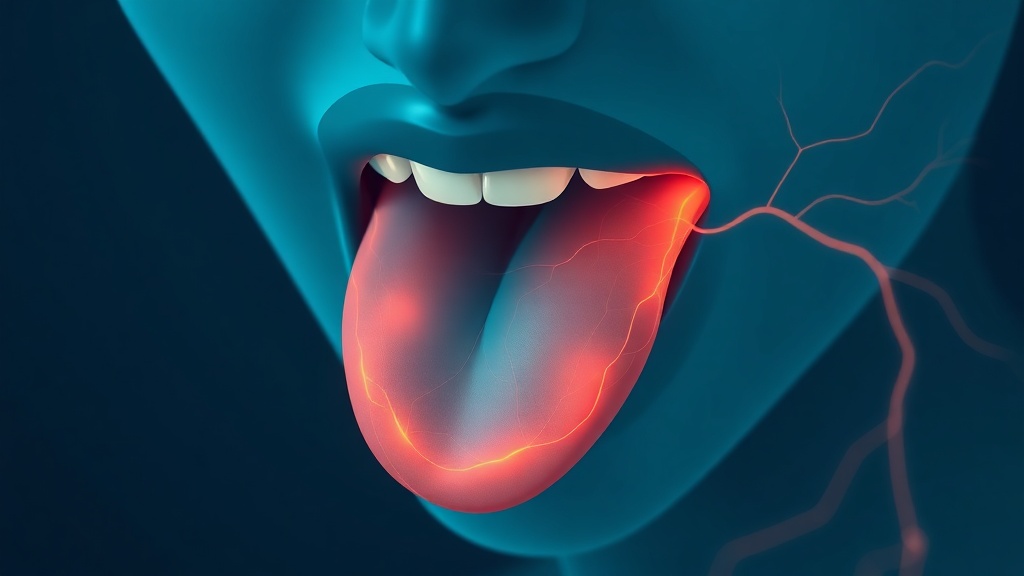
In BMS the mouth looks normal while the sensory nerves misfire — a burning signal without a visible injury.
What the research actually shows
Every claim below maps to a named, peer-reviewed source in the Sources section. According to PubMed.
| Claim | Evidence | Source |
|---|---|---|
| BMS is defined as a chronic intraoral burning with no identifiable medical or dental cause, now classed as a neuropathic pain condition. | Clinical review of burning mouth syndrome. | Dental Clinics review, 2022 |
| Guidance stresses ruling out secondary causes — deficiencies, dry mouth, candidiasis, medications — before diagnosing primary BMS. | Review of burning mouth syndrome evaluation and diagnosis. | Clinical review, 2016 |
| Management reviews describe topical and systemic options and behavioural support, chosen case by case with realistic expectations. | Review of the management of burning mouth syndrome. | Management review, 2023 |
| Because oral and facial burning pain overlaps with other neuralgias, careful differential diagnosis guides safe management. | Review of differential diagnosis of facial pain and management guidelines. | Br J Anaesth review, 2013 |
| Reviews note diagnosis is often delayed and that multidisciplinary care tends to improve outcomes. | Literature review of the challenges of diagnosing and managing BMS. | Literature review, 2024 |
Where each approach fits
| Approach | What it is for | Where it fits |
|---|---|---|
| A professional diagnosis first | Ruling out treatable secondary causes | The essential starting point |
| Trigger avoidance and saliva care | Reducing the day-to-day burning | Self-care you can begin now |
| Gentle, alcohol-free products | Not irritating already-sensitised tissue | Self-care |
| Clinician-guided medication or therapy | Calming the over-active nerve signal | A decision to make with a professional |
Why comfort measures help, and why patience matters
When sensory nerves are already over-sensitised, ordinary things in the mouth become provocations. Spicy, acidic and very hot foods, alcohol, strong mint flavours, and the foaming agent sodium lauryl sulfate found in some toothpastes can all intensify the burning — not because they are damaging a healthy mouth, but because a sensitised nerve overreacts to them. That is exactly why removing triggers and switching to gentle, alcohol-free products can lower the volume of the burning even before any medical treatment begins. Two more things shape the experience. Stress, anxiety and poor sleep genuinely amplify how the brain perceives pain, so calming the nervous system is not a distraction from the problem but part of managing it. And BMS often waxes and wanes; for many people it gradually eases over months to years. The honest framing is that relief is usually about turning the burning down rather than flipping a switch off — a series of small, compounding adjustments, guided by a clinician, that together make the condition far more livable.
Evidence you can act on.
Occasional emails — new research, new protocols, no noise.
How to ease and manage the burning
None of this is a cure, and none of it replaces a diagnosis. These are supportive steps that can genuinely reduce the burning while you work with a professional on the underlying picture.
- 1
Get a diagnosis first
book promptlySee a dentist or doctor to have secondary causes checked — dry mouth, deficiencies, thrush, reflux, medications, diabetes. Bring a list of your symptoms and every medication and supplement you take; this is the single most valuable step.
- 2
Identify and ease off triggers
ongoingSpicy, acidic and very hot foods, alcohol and strong mint commonly flare BMS. Keep a simple note of what worsens yours and gently reduce those, rather than trying to change everything at once.
- 3
Protect and boost saliva
all dayA dry mouth makes burning worse. Sip water often, try sugar-free xylitol gum or lozenges to stimulate saliva, use a humidifier at night, and ask your clinician about dry-mouth products if needed.
- 4
Switch to gentle products
dailyUse an alcohol-free mouth rinse and consider a toothpaste without sodium lauryl sulfate, which irritates some people with BMS. Avoid harsh whitening products on already-sensitive tissue.
- 5
Support the nervous system, with guidance
ongoingBecause stress and poor sleep amplify pain, stress-reduction and good sleep genuinely help. For anything beyond self-care, work with your clinician on evidence-based options rather than self-medicating.
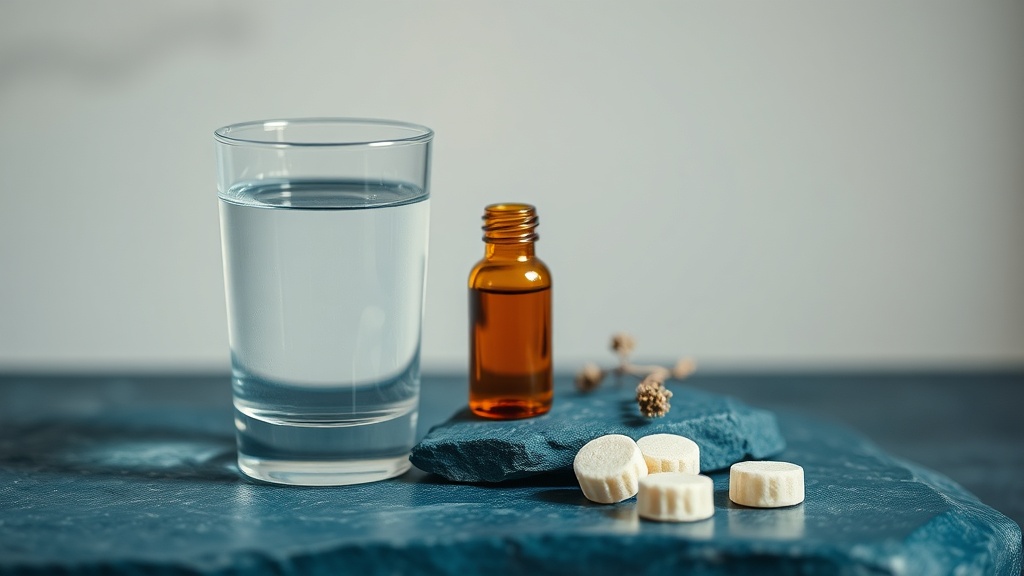
Protecting saliva and removing irritants turns the burning down while a clinician addresses the cause.
A burning mouth should always be assessed in person. See a dentist or doctor to get the right diagnosis and to discuss treatment — especially if it is persistent, worsening, or comes with dryness, taste changes, visible sores, white patches, or trouble eating. Self-care can ease symptoms, but it is not a substitute for a professional diagnosis, which is the only way to rule out treatable causes and build a proper management plan.
Frequently asked questions
Sources
- 1.
- 2.
- 3.
- 4.
- 5.

Fix your breath at the source.
The complete science-backed protocol — engineered to eliminate volatile sulfur compounds at the biological source.
Start the Breath Protocol →Related reading
Educational purposes only. The content on this page is not medical advice and is not a substitute for consultation with a qualified dental or medical professional.
More from the library
 Best Of8 min
The Best Alcohol-Free Mouthwash for Fresh Breath
Skip the burn. Alcohol-free rinses can freshen breath just as well, if you choose by active ingredient rather than by that stinging tingle. Here is what the evidence supports.
Read →→ Guides8 min
Home Remedies for Bad Breath: What the Evidence and Tradition Say
Salt water, baking soda, parsley and oil pulling, weighed honestly by both evidence and tradition, so you know what removes the source of odour and what only masks it.
Read →→ Answers9 min
How to Get Rid of White Tongue: The Coating, Cleared Honestly
The honest, science-based way to clear the soft coating behind a white tongue — and how to tell simple biofilm from a patch that needs a professional.
Read →→ Best Of7 min
Copper Tongue Scraper Benefits: What the Evidence Supports
Copper scrapers are having a moment — but which benefits are backed by research and which are marketing? Here is the honest, evidence-based breakdown.
Read →→ Guides8 min
How to Get Rid of Bad Breath Permanently: An Evidence-Based Plan
The honest version: "permanently" means ongoing control, not a one-time fix. Here is the daily routine the research actually supports, and when to get help.
Read →→ Guides7 min
Bad Breath Even After Brushing? The Biological Reason (and Fix)
You brushed, flossed and rinsed — and the smell is still there. The reason usually isn't hygiene; it's where the odour-causing bacteria actually live.
Read →→