Bad Breath After a Tooth Extraction
Some breath odour after an extraction is expected while the socket heals. Here is what is normal, how to keep the area clean without harming it, and the signs of dry socket worth a call.

- A mild change in breath and taste in the first few days after a tooth extraction is common and usually normal - the healing socket traps a little food and forms a blood clot, and bacteria act on both.
- The single most important thing you can do is protect the blood clot in the socket; disturbing it early is what leads to the painful complication called dry socket.
- Dry socket is not rare but not the norm either - one large study found it in about 2.3% of all extractions and 4.2% of patients - and its hallmark is worsening pain a few days after surgery, often with a bad taste or smell.
- Gentle care wins: after the first day, warm salt-water rinses, careful brushing away from the site, and staying hydrated keep the area clean without dislodging the clot.
- Breath odour that worsens after day three, throbbing pain, fever, or a foul taste that will not clear are reasons to call your dentist rather than wait it out.
Mild bad breath after a tooth extraction is usually normal: the healing socket traps food and forms a clot that bacteria act on. Protect the blood clot, and after the first day use gentle warm salt-water rinses and careful brushing. Worsening pain or odour after day three can signal dry socket - call your dentist.
Why your breath changes after an extraction
An extraction leaves an open socket where the tooth used to be, and for a few days that socket is a small, sheltered pocket while it heals. Two things happen there that can affect your breath. First, a blood clot forms over the socket - this is the body's own dressing, and it is essential to healing. Second, tiny food particles and the normal debris of the mouth can settle around the area, which you cannot fully brush because the site is tender. The bacteria that live in everyone's mouth act on that trapped material and on the healing tissue, and because most breath odour comes from the sulfur gases these bacteria release, a mild off smell or taste is a common and usually harmless part of early healing. The picture changes if the protective clot is lost. Without it, the socket is exposed, healing stalls, and a distinctly foul taste and smell can set in alongside pain - the pattern of dry socket. So the goal in the first days is simple: keep the area gently clean while doing nothing that disturbs the clot.
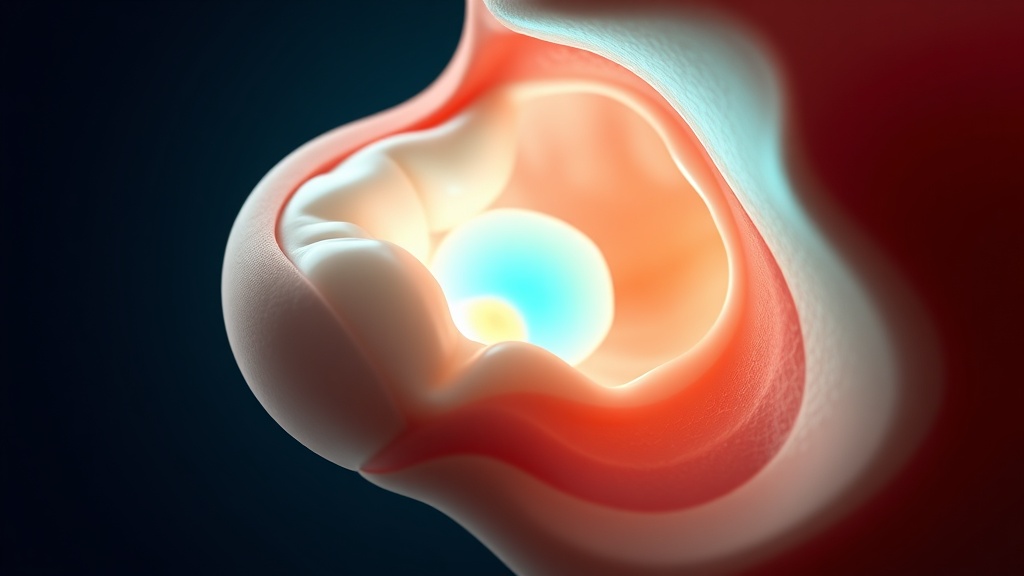
A blood clot seals the socket like a natural dressing; protecting it is the key to smooth healing and fresher breath.
What the research actually shows
Every claim below maps to a named, peer-reviewed source in the Sources section. According to PubMed.
| Claim | Evidence | Source |
|---|---|---|
| Dry socket (alveolar osteitis) occurred in about 2.3% of all teeth extracted and 4.2% of patients in a large prospective community study, with several identifiable risk factors. | Prospective multicentre study of extraction outcomes. | Parthasarathi et al., 2011 |
| Most breath odour is produced inside the mouth by bacteria acting on trapped debris and tissue, rather than arising from the stomach or lungs. | Clinical review of halitosis in the BMJ. | Scully & Porter, 2008 |
| Oral malodour comes from anaerobic bacteria breaking down proteins into volatile sulfur compounds - the same process at work around a healing socket. | Review of the microbiology and treatment of halitosis. | Loesche & Kazor, 2002 |
| A dry mouth is associated with halitosis, so staying hydrated after surgery supports fresher breath as well as comfort. | Clinical review in JAMA of common oral conditions. | Stoopler et al., 2024 |
| A chlorhexidine mouthrinse can reduce oral bacteria, but it stains and is best used on professional advice rather than routinely - relevant to post-extraction care choices. | Cochrane systematic review of chlorhexidine mouthrinse. | James et al., 2017 |
Normal healing versus a warning sign
| What you notice | Likely normal healing | Possible warning sign |
|---|---|---|
| Timing | Mild odour or taste in the first 1-3 days | Odour and pain that worsen after day 3 |
| Pain | Eases a little each day | Throbbing pain that spreads to the ear or jaw |
| Taste | A faint off taste that clears with rinsing | A persistent foul taste that will not clear |
| The socket | A dark clot sitting in place | An empty-looking socket or visible bone |
| Whole-body | You feel generally well | Fever or feeling unwell |
Protecting the clot is the whole game
Almost every piece of after-care advice comes back to one idea: keep the blood clot in place. That clot is the socket's natural dressing, and when it is lost too early the exposed bone and stalled healing produce the pain and foul odour of dry socket. This is why dentists ask you to avoid, for the first day or so, the everyday actions that can pull a clot free - vigorous rinsing or spitting, drinking through a straw, smoking, and poking the area with your tongue or a brush. It is also why the timing of cleaning matters: too much too soon risks the clot, while too little lets debris and bacteria build up and sour your breath. The sweet spot is gentle. For the first day you largely leave the site alone; after that you clean around it softly, letting warm salt water do the work that a brush cannot safely reach. Handled this way, the mild odour of early healing fades on its own as the socket closes over the following days.
Evidence you can act on.
Occasional emails — new research, new protocols, no noise.
Gentle after-care for a fresher, healthier socket
This routine keeps the extraction site clean while protecting the clot. Follow any specific instructions your dentist gave you first - they override general advice. None of this treats a disease; it supports normal healing.
- 1
Leave the site alone on day one
first 24 hoursGive the clot time to stabilise. Avoid rinsing, spitting forcefully, drinking through a straw, and smoking, all of which can pull the clot free. It is normal for breath to be a little off during this settling day.
- 2
Start warm salt-water rinses after day one
2-3 times dailyFrom the day after surgery, gently swish warm salt water (about half a teaspoon of salt in a cup of warm water) and let it fall out of your mouth rather than spitting hard. This lifts debris and freshens the area without disturbing the clot.
- 3
Brush carefully, around the site
twice dailyKeep brushing the rest of your mouth normally to control the bacteria behind bad breath, but steer the brush gently around the extraction area for the first several days. Clean approaching, not into, the socket.
- 4
Stay hydrated and eat soft
ongoingSip water through the day - a moist mouth means more saliva to rinse and deodorise, and less trapped debris. Choose soft foods and chew on the other side so you are not packing food into the healing socket.
- 5
Ask before using strong mouthwash
as advisedAntibacterial rinses such as chlorhexidine can lower bacteria but may stain and are best used on your dentist's advice rather than by default. Avoid high-alcohol rinses, which sting and dry the mouth. When in doubt, warm salt water is the safe choice.

After the first day, gentle warm salt-water rinses keep the socket clean without dislodging the healing clot.
Call your dentist promptly if pain worsens rather than eases after the third day, if you develop throbbing that spreads to the ear or jaw, if a foul taste or smell will not clear, or if the socket looks empty or exposes bone - these are the signs of dry socket, which a dentist can treat quickly and comfortingly. Also seek care for fever, spreading swelling, or bleeding that will not settle. Dry socket and infection are managed best early, so a phone call is always better than waiting it out.
Frequently asked questions
Sources
- 1.
- 2.
- 3.
- 4.
- 5.

Fix your breath at the source.
The complete science-backed protocol — engineered to eliminate volatile sulfur compounds at the biological source.
Start the Breath Protocol →Related reading
Educational purposes only. The content on this page is not medical advice and is not a substitute for consultation with a qualified dental or medical professional.
More from the library
 Guides8 min
Bad Breath That Won't Go Away: A Troubleshooting Guide
When the usual routine is not enough, the odour has a specific hiding place. Here is a calm, step-by-step way to find it and address it.
Read →→ Guides7 min
Bad Breath Even After Brushing? The Biological Reason (and Fix)
You brushed, flossed and rinsed — and the smell is still there. The reason usually isn't hygiene; it's where the odour-causing bacteria actually live.
Read →→ Guides9 min
How to Fix Bad Breath: A Practical, Step-by-Step Action Plan
The practical fix-it plan: four everyday moves — tongue, teeth, hydration, and microbiome — that target where bad breath actually starts.
Read →→ Best Of8 min
The Best Alcohol-Free Mouthwash for Fresh Breath
Skip the burn. Alcohol-free rinses can freshen breath just as well, if you choose by active ingredient rather than by that stinging tingle. Here is what the evidence supports.
Read →→ Guides8 min
How to Get Rid of Bad Breath Permanently: An Evidence-Based Plan
The honest version: "permanently" means ongoing control, not a one-time fix. Here is the daily routine the research actually supports, and when to get help.
Read →→ Best Of8 min
The Best Mouthwash for Bad Breath, by Active Ingredient
There is no single winner, only the right rinse for the right job. Here is how the active ingredients compare on the evidence, and which suits everyday fresh breath.
Read →→