Demineralization of Teeth: How Acid Dissolves Enamel
The step-by-step chemistry of how enamel loses its minerals, and the point at which that loss stops being reversible.
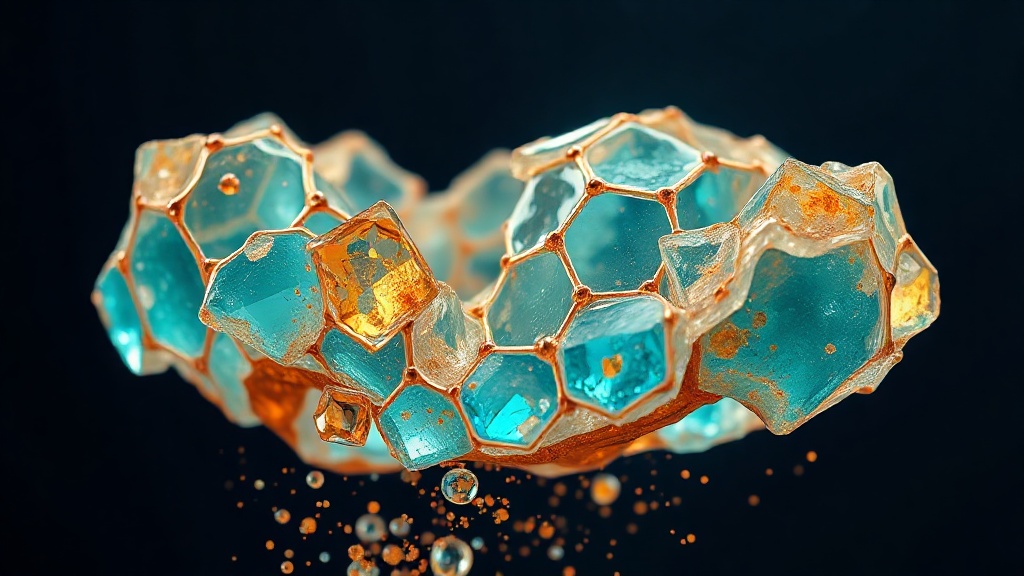
- Demineralization is the loss of calcium and phosphate from enamel when the surface is exposed to acid. It is the very first stage of tooth decay, long before any hole appears.
- It switches on at a critical pH of roughly 5.5. Below that point enamel starts to dissolve; above it, saliva can push minerals back in.
- The acid comes from two sources: plaque bacteria fermenting sugar, and acidic foods and drinks eroding the surface directly. Both drop the pH past the tipping point.
- Your saliva is a supersaturated mineral reservoir that constantly repairs this damage, which is why demineralization and remineralization are a continuous back-and-forth rather than a one-way street.
- Early demineralization is reversible, but only up to a point. Once the surface actually cavitates, the enamel cannot rebuild itself and the damage becomes permanent.
Demineralization of teeth is the acid-driven loss of minerals from enamel. When plaque bacteria ferment sugar, or acidic drinks hit the tooth, the pH at the surface falls below about 5.5 and calcium and phosphate dissolve out of the enamel. Saliva and fluoride reverse this while the surface is intact; once it cavitates, the loss is permanent.
What demineralization actually is
Enamel is roughly 96% mineral by weight, a dense lattice of a calcium-phosphate crystal called hydroxyapatite. That mineral is chemically stable only as long as the fluid around the tooth stays close to neutral. Dental caries is formally defined as a biofilm-mediated, sugar-driven, dynamic disease that swings between phases of demineralization and remineralization of the tooth surface, and demineralization is the losing phase. Here is the chemistry in plain terms. When the plaque sitting on a tooth becomes acidic, the hydrogen ions in that acid start pulling apart the hydroxyapatite lattice, stripping calcium and phosphate out of the enamel and into the surrounding fluid. Because the attack happens just beneath the outer skin of the enamel, the first visible sign is not a hole but a chalky white patch, a so-called white-spot lesion, where the underlying mineral has been hollowed out while the surface still looks intact. Every acidic episode does a little of this. What decides whether it matters is whether the mineral gets put back before the next attack, which is why understanding the trigger point, the critical pH, is the key to the whole process.
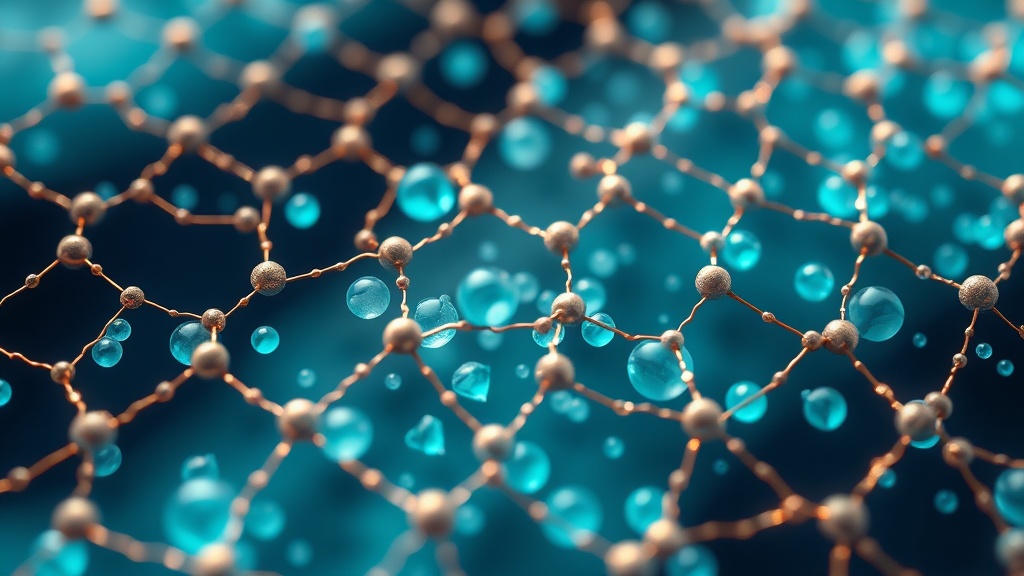
Demineralization: acid pulls calcium and phosphate out of the enamel crystal, hollowing it from just beneath the surface.
What the research actually shows
Every claim below maps to a named, peer-reviewed source in the Sources section. According to PubMed.
| Claim | Evidence | Source |
|---|---|---|
| Enamel begins to dissolve below a critical pH of roughly 5.5, which is not a fixed constant but depends on the calcium and phosphate around the tooth. | Review of erosion and demineralization chemistry. | Lussi et al., 2011 |
| Caries is a biofilm-mediated, sugar-driven, dynamic disease of alternating demineralization and remineralization. | Consensus disease definition. | Pitts et al., 2017 |
| Free sugars fermented by plaque bacteria are the single most important dietary driver of the acid that demineralizes enamel. | Systematic review underpinning WHO guidance. | Moynihan, 2016 |
| Saliva stays a supersaturated mineral reservoir partly because statherin is about 66 times more potent than whole saliva at holding calcium and phosphate in solution. | In vitro study of salivary proteins. | Tamaki et al., 2002 |
| Enamel remineralized with fluoride forms a mineral that is more acid-resistant than the original tooth. | Review of fluoride mechanisms. | Buzalaf et al., 2011 |
Two ways acid demineralizes a tooth
| Source of acid | How it works | Everyday examples |
|---|---|---|
| Bacterial (caries) | Plaque ferments sugar into acid against the tooth | Sipped sweet drinks, frequent snacking |
| Dietary (erosion) | Acidic food or drink dissolves enamel directly | Citrus, soda, wine, vinegar |
| Reflux or vomiting | Stomach acid reaches the teeth | Acid reflux, certain conditions |
| Dry mouth (amplifier) | Less saliva means less buffering and repair | Medications, dehydration |
The demineralization and remineralization cycle
The reason a single acidic drink does not wreck your teeth is that demineralization has a built-in counterpart. Saliva is not just water; it is naturally supersaturated with the same calcium and phosphate that enamel is made of, held in solution by proteins like statherin, and it carries a buffering system that neutralises acid. After an acid attack, saliva raises the pH back above the critical point and drives those minerals back into the hollowed enamel, a process called remineralization. Fluoride supercharges this repair, and the mineral that forms with fluoride present is actually more acid-resistant than the enamel it replaces. So the health of a tooth is really a running tally. Each sugary or acidic episode is a withdrawal; each stretch of neutral pH with saliva and fluoride present is a deposit. When deposits keep pace, the white-spot lesion can fully heal and you would never know it had been there. When withdrawals win, decade after decade at the same spot, the subsurface mineral is gradually emptied until the thin outer skin collapses. That collapse is the moment demineralization stops being a chemistry problem you can influence at home and becomes a cavity that needs a dentist, because once the surface breaks, enamel has no living cells with which to regenerate the lost structure.
Evidence you can act on.
Occasional emails — new research, new protocols, no noise.
How to shift the balance away from demineralization
You cannot stop acid from ever touching your teeth, but you can shorten each attack and strengthen the repair side. None of this treats a disease; it simply supports enamel chemistry.
- 1
Keep fluoride on your teeth
twice dailyFluoride is what tips remineralization ahead of demineralization and builds a more acid-resistant surface. Brush with a 1,000 to 1,500 ppm fluoride paste and, at night, spit without rinsing so it keeps working.
- 2
Reduce how often acid arrives
every dayBecause each exposure is a separate acid attack, spacing out sugary and acidic foods and drinks matters more than the total. Keep them to mealtimes and choose water in between.
- 3
Do not brush immediately after acid
wait ~30 to 60 minutesRight after an acidic drink the softened enamel is vulnerable, so rinse with water and wait before brushing. This protects the surface layer while saliva starts to re-harden it.
- 4
Protect and stimulate saliva
all daySaliva is your remineralizing fluid. Stay hydrated, and consider sugar-free gum after meals to boost flow. If your mouth is often dry, raise it with your dentist, as dry mouth strongly amplifies demineralization.
- 5
Catch white spots early
at check-upsA chalky white spot is demineralization you can still reverse. Having a dentist spot it early means it can be remineralized before it ever becomes a hole.
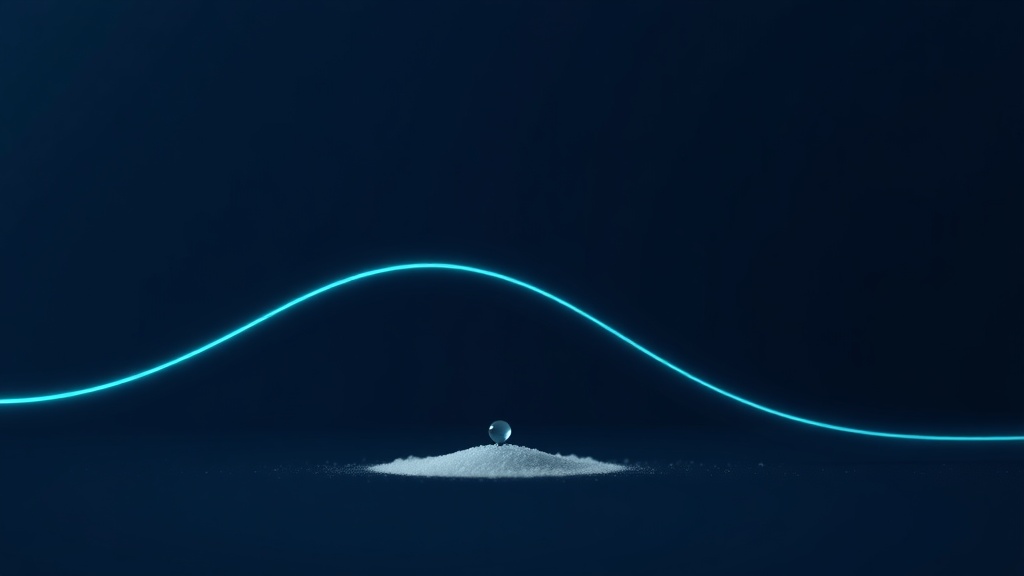
After each sugar hit, plaque pH plunges below the critical point, then saliva slowly restores it. Fewer dips means less mineral loss.
Demineralization is invisible until it is not. See a dentist if you notice chalky white patches, dull or matte areas, sensitivity to sweet, cold or acidic things, or any rough or catching spot. These can be early demineralized lesions that are still reversible with professional fluoride and better habits, which is exactly why catching them early matters. If a spot has darkened, roughened into a hole, or become sensitive to pressure, it may have crossed into a cavity that needs restoring. Only a dentist can reliably tell which side of that line a lesion is on, so do not try to judge, or fix, a suspicious spot yourself.
Frequently asked questions
Sources
- 1.
- 2.
- 3.
- 4.
- 5.
- 6.
- 7.
- 8.

Fix your breath at the source.
The complete science-backed protocol — engineered to eliminate volatile sulfur compounds at the biological source.
Start the Breath Protocol →Related reading
Educational purposes only. The content on this page is not medical advice and is not a substitute for consultation with a qualified dental or medical professional.
More from the library
 Answers8 min
How to Remineralize Teeth: An Honest, Practical Guide
The practical routine that supports enamel remineralization, and the clear line between the early lesions it can rebuild and the decay it cannot.
Read →→ Guides8 min
White Spots on Teeth: Causes and What to Do
The two common reasons enamel turns chalky white, and the honest guide to which spots you can rebuild at home and which need professional care.
Read →→ Ingredients8 min
How Fluoride Toothpaste Remineralizes Teeth
The chemistry behind fluoride's remineralizing power, and the honest line between the early lesions it can rebuild and the cavities it cannot.
Read →→ Guides8 min
How to Prevent Cavities: What Actually Works
The handful of habits that genuinely lower cavity risk, ranked by the strength of the science behind them.
Read →→ Answers8 min
How to Get Rid of White Spots on Teeth: Your Options, Ranked
An honest, evidence-based ladder of options, from what you can do at home to what only a dentist can fix.
Read →→ Ingredients8 min
Hydroxyapatite Toothpaste Benefits: What the Evidence Actually Supports
A calm, science-first look at what hydroxyapatite toothpaste can genuinely do for your enamel, and where the evidence stops.
Read →→