
Best Thumb Sucking Guards to Break the Habit
Most children stop thumb sucking on their own - here is an honest guide to guards and when a dentist-fitted option actually makes sense.

- Most children give up thumb sucking on their own, and a habit that stops before the permanent front teeth arrive rarely leaves a lasting mark on the bite.
- Thumb sucking guards - soft sleeves, rigid guards and bitter-tasting coatings - are reminders that support a child who wants to stop; they are not punishments and not a fix for a toddler who still needs the comfort.
- The evidence that guards, appliances and behaviour approaches help a child stop is real but low-quality, so a guard works best inside a calm, positive plan rather than on its own.
- A dentist-fitted appliance such as a palatal crib is a later-resort option - for an older child who cannot stop and whose bite is being affected - and should always be fitted and monitored by a pediatric dentist.
- Never tape a child's mouth, tie the hand, or shame the habit; force raises distress and does nothing about why the child is sucking in the first place.
The best thumb sucking guard is the gentlest one that works for a child who is actually ready to stop. Most children quit on their own, so guards - fabric sleeves, rigid shells or bitter coatings - are reminders paired with encouragement, not quick fixes. A dentist-fitted appliance is a later resort, used only when the bite is being affected.
Why thumb sucking affects the bite - and why timing is everything
Sucking is a normal, self-soothing reflex; nearly every baby does it, and on its own it is nothing to fear. The bite issue is about sustained force, not the act itself. When a thumb sits between the front teeth for hours a day, month after month, it can gently push the upper front teeth forward and hold the back teeth apart. Research in preschoolers found that children with more than a year of daily thumb or finger sucking were more likely to develop an increased overjet (top teeth jutting forward), a Class II relationship, and an anterior open bite - a gap where the front teeth no longer meet. In school-aged children, anterior open bite and thumb sucking each turn up in roughly a quarter of kids, and the size of the open bite tracks closely with how long and how intensely a child has sucked. Here is the reassuring half most product pages skip: baby teeth are temporary scaffolding. If the habit winds down before or around the time the permanent front teeth come in - usually near age six - a simple open bite often closes on its own as those adult teeth erupt into place. That is why a guard is really about beating a clock, not winning a fight with your child.
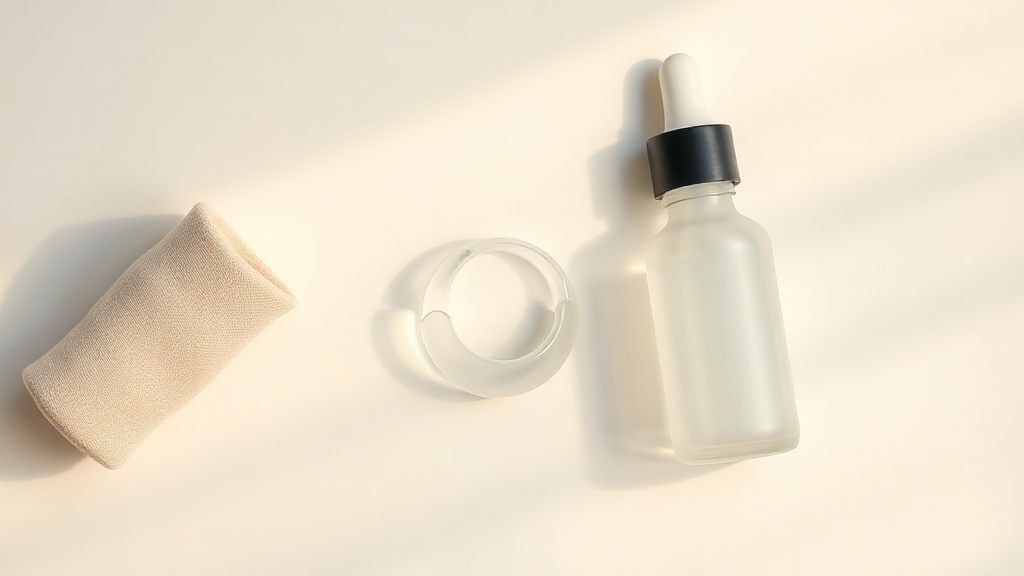
The three everyday guard types - a soft cloth sleeve, a rigid shell and a bitter-tasting coating - are all reminders, not locks. The right one is whichever fits a willing child.
What the research actually shows
Every claim below maps to a named, peer-reviewed source in the Sources section. According to PubMed.
| Claim | Evidence | Source |
|---|---|---|
| Thumb sucking is common and usually self-limiting: about 23% of primary-school children still sucked, and anterior open bite appeared in a similar share - so the habit is normal and most children move past it. | Cross-sectional study of 7-12 year-olds with neural-network analysis. | Tanny et al., 2021 |
| It is prolonged, daily sucking that shifts the bite - more than a year of it was linked to increased overjet, Class II relationships and anterior open bite in the primary dentition. | Cross-sectional study of 1,114 children aged 2-5. | Ling et al., 2018 |
| A simple open bite often corrects itself once the habit stops, as the permanent front teeth erupt into place; larger bites are the ones that may need orthodontic help. | Clinical review of anterior open bite aetiology and management. | Sandler et al., 2011 |
| Gentle, positive approaches stop the habit for most kids: a four-month non-orthodontic program saw 89.6% of children quit, with anterior open bite falling from 51% to 17% and overjet shrinking. | Clinical study of 91 children aged 4-12 (reminder aids plus positive reinforcement). | Huang et al., 2015 |
| When behaviour approaches are not enough, dentist-fitted appliances (palatal crib or arch) and reinforcement do help a child stop - but the underlying evidence is low quality, so a guard is a support, not a sure thing. | Cochrane systematic review of 6 trials, 246 children. | Borrie et al., 2015 (Cochrane) |
The main guard and deterrent options, honestly compared
| Option | How it works | Who it suits | The honest caveat |
|---|---|---|---|
| Soft fabric thumb sleeve | A cloth cover breaks the familiar feel and reminds the child not to suck | Daytime habit awareness in a cooperative preschooler | It is a reminder, not a lock - it slips off, and it does nothing for a toddler who still needs the comfort |
| Rigid plastic thumb guard | A harder shell physically interrupts the suck and the soothing seal | A determined child who keeps slipping past a soft sleeve | Can feel punishing if it is forced on a child who is not on board - buy-in comes first |
| Bitter-tasting deterrent coating | An unpleasant (harmless) taste interrupts the automatic, half-asleep habit | A child who wants to stop and welcomes a reminder | Never use it as a punishment; the taste fades, and you should check the age suitability on the specific product |
| Dentist-fitted appliance (palatal crib) | A fixed appliance removes the comfort of sucking around the clock | An older child who cannot stop and whose bite is clearly affected, after gentler steps | A later resort - it must be fitted and monitored by a pediatric dentist, and it is not for young toddlers |
When a guard is the right call - and when it is not
A guard earns its place only when three things line up: the child is old enough that the habit is no longer just a comfort need, the child actually wants help stopping, and gentle encouragement alone has not been enough. Reach for one too early and you are fighting a toddler for a coping tool they still rely on, which tends to backfire - the sucking often just moves to another moment or is replaced by a different comforter. The clock that matters is the arrival of the permanent front teeth, around age six. Before then, there is usually time for a calm, unhurried approach. If the habit is still strong as those adult teeth come in, or you can already see the front teeth being pushed forward or held apart, that is the signal to add a guard and to loop in a pediatric dentist. What never belongs in the plan is force. Taping a child's mouth, binding the hand, or shaming the habit does not teach a child to self-soothe a different way - it adds fear on top of the very stress that often drives sucking. Every credible approach, from a bitter coating to a dentist appliance, works best as a gentle reminder attached to praise and patience.
Evidence you can act on.
Occasional emails — new research, new protocols, no noise.
How to use a thumb sucking guard the gentle way
A guard is one part of a plan, not the whole plan. This sequence mirrors what the research found most effective - readiness and encouragement first, the device as a reminder, and a professional when the bite is at stake.
- 1
Start with the why, not the device
first, before anythingNotice when your child sucks - tiredness, boredom, worry - and meet that need. A child who sucks to fall asleep needs a comfort swap, not a guilt trip. Choosing to stop, with your support, is what makes every guard work; a device pushed onto an unwilling child rarely lasts.
- 2
Try the lightest reminder first
1-2 weeksBegin with the least intrusive option that fits your child - a soft daytime sleeve or a bitter-tasting coating they agree to. The goal is to interrupt the automatic, barely-conscious moments, not to stand guard every second. Keep it matter-of-fact and calm.
- 3
Pair it with real encouragement
ongoingThis is the evidence-backed core: a sticker chart, small daily wins, and warm praise for thumb-free stretches. In the studies, positive reinforcement paired with a reminder aid is what carried most children to stopping - the guard on its own is only half the tool.
- 4
Protect sleep and never restrain
every nightNighttime is the hardest because sucking is tied to settling. Offer a comfort object, extra cuddles, or a hand to hold. Do not tape the mouth or bind the hand - it is unsafe, distressing, and treats a soothing behaviour as if it were misbehaviour.
- 5
Bring in a pediatric dentist when the bite is affected
if it persists past age 6If the habit continues as the permanent front teeth arrive, or you can see an open bite or the top teeth pushing forward, ask a pediatric dentist. A dentist-fitted appliance is the point where a professional, not a store-bought guard, takes over.
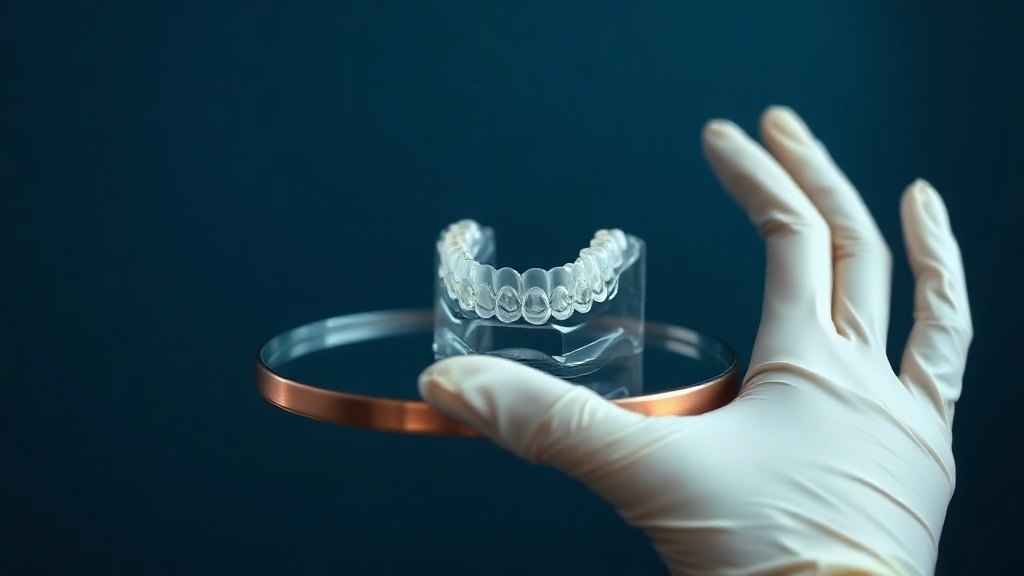
The last-resort option is not a store-bought guard at all - it is a fixed appliance fitted and monitored by a pediatric dentist, used only when the bite is being affected.
Check in with a pediatric dentist if thumb sucking continues as the permanent front teeth come in (around age six), if you can see an anterior open bite or the top front teeth being pushed forward, if there are new speech sounds you are unsure about, or if your child is clearly distressed by their own efforts to stop. A dentist can assess the bite, decide whether a fitted appliance is warranted, and rule out other causes - none of which a guard from a shelf can do.
Frequently asked questions
Sources
- 1.
- 2.
- 3.
- 4.
- 5.
- 6.

Fix your breath at the source.
The complete science-backed protocol — engineered to eliminate volatile sulfur compounds at the biological source.
Start the Breath Protocol →Related reading
Educational purposes only. The content on this page is not medical advice and is not a substitute for consultation with a qualified dental or medical professional.
More from the library
 Guides8 min
How to Stop Thumb Sucking: A Gentle, Age-Appropriate Guide
Most children give up thumb sucking on their own. Here is the calm, positive, no-shame way to help - and the honest signs it is time to involve a pediatric dentist.
Read →→ Causes8 min
Pacifier Teeth: How Prolonged Pacifier Use Affects Your Child's Bite
What 'pacifier teeth' really means, why it happens, and why stopping early usually lets the bite recover.
Read →→ Best Of8 min
Best Toothbrush for Kids by Age (2026 Buying Guide)
A calm, honest guide to choosing a child toothbrush by age — soft bristles, small head, and the habits that matter more than any brand.
Read →→ Guides8 min
Dental Sealants for Kids: Pros, Cons, and Cost
An honest guide to dental sealants for children — how they work, the pros and cons, typical cost, the BPA question, and when a dentist may suggest them.
Read →→ Guides9 min
Early Childhood Caries: Gentle Prevention for Little Smiles
What early childhood caries is, why it happens, and the calm daily habits - diet, bottle routines, brushing, dental visits - that lower a young child's risk.
Read →→ Best Of8 min
Best Teething Gel for Babies: Safer Soothing Options Compared
Why the honest best is non-medicated relief - and why the FDA warns against benzocaine and lidocaine teething gels for babies and toddlers.
Read →→