
The Best Canker Sore Patches: Protective Barrier Options Compared
Adhesive canker sore patches shield the ulcer from food and rubbing so the raw spot is left to heal on its own. They do not cure the sore — here is what a barrier can and cannot do.
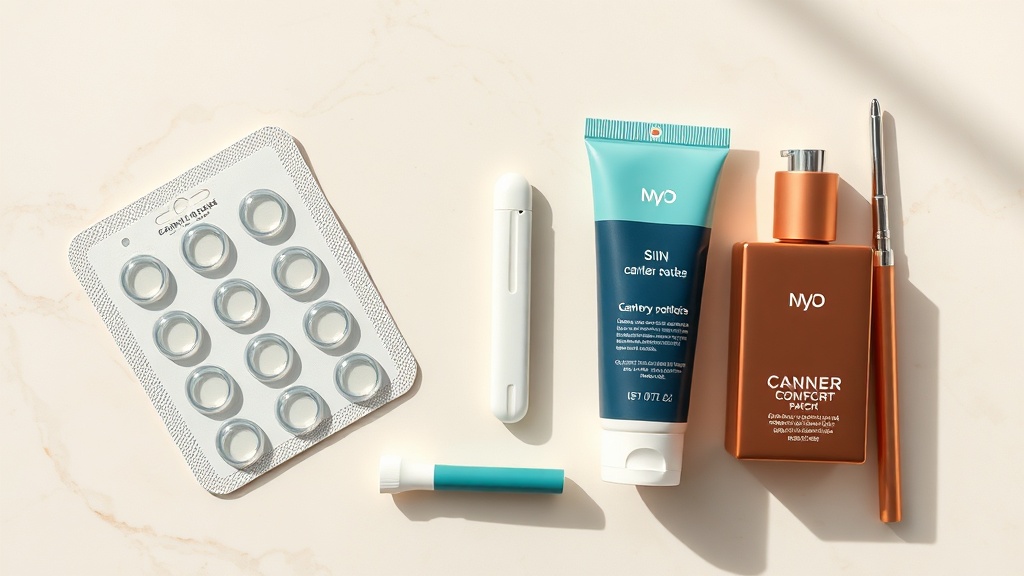
- A canker sore patch is a small adhesive disc or dissolving film that sticks over the ulcer to shield it from food, tongue and teeth while it heals on its own.
- A patch is a barrier, not a cure. Canker sores settle by themselves in about one to two weeks, and a patch mainly buys a more comfortable, better-protected week.
- In a clinical study, bioadhesive patches significantly reduced ulcer pain and clung longest to larger sores in their early, most painful days.
- Patches suit a single, reachable sore. They are hard to place on the tongue or deep in a fold, where a soothing gel or paste is often the more practical choice.
- See a professional if a sore lasts more than two to three weeks, is unusually large, keeps returning in crops, or comes with fever or sores elsewhere on the body.
The best canker sore patch is the one that stays put over your particular sore. Adhesive hydrogel discs give the sturdiest shield; dissolving gel films are gentler but shorter-lived; medicated adhesive discs add an anti-inflammatory. All work the same way — by covering the ulcer so it is left undisturbed. None cures the sore; they protect it while it settles on its own.
What a canker sore patch actually does
A canker sore, known clinically as recurrent aphthous stomatitis, is a shallow ulcer on the soft, movable lining of the mouth — the inside of the lips and cheeks, the floor of the mouth, or the underside of the tongue. It has a pale grey or yellowish centre and a red halo, and the single most important thing to get right before buying anything is that it is not a cold sore. Cold sores are clusters of fluid-filled blisters caused by the herpes simplex virus, and they appear on the outer lip, where canker sores never do. A patch is designed for the ulcer inside the mouth, not the blister outside it. What a patch does is simple and mechanical: it forms a physical barrier over the raw spot. Every time an unprotected ulcer is brushed by the tongue, scraped by a tooth, or splashed with acidic or salty food, the nerve endings in that open sore fire and it stings. Cover the sore, and that constant re-irritation stops. Adhesive hydrogel patches press onto the tissue and cling for a stretch of time; dissolving films melt into a protective gel layer; barrier pastes spread a thin protective coat. None of them changes the underlying biology of the ulcer, which is thought to be an immune and inflammatory response in people who are predisposed. The sore was always going to heal over on its own within a week or two — the patch just makes that week far more bearable and keeps the sore from being poked while it does.
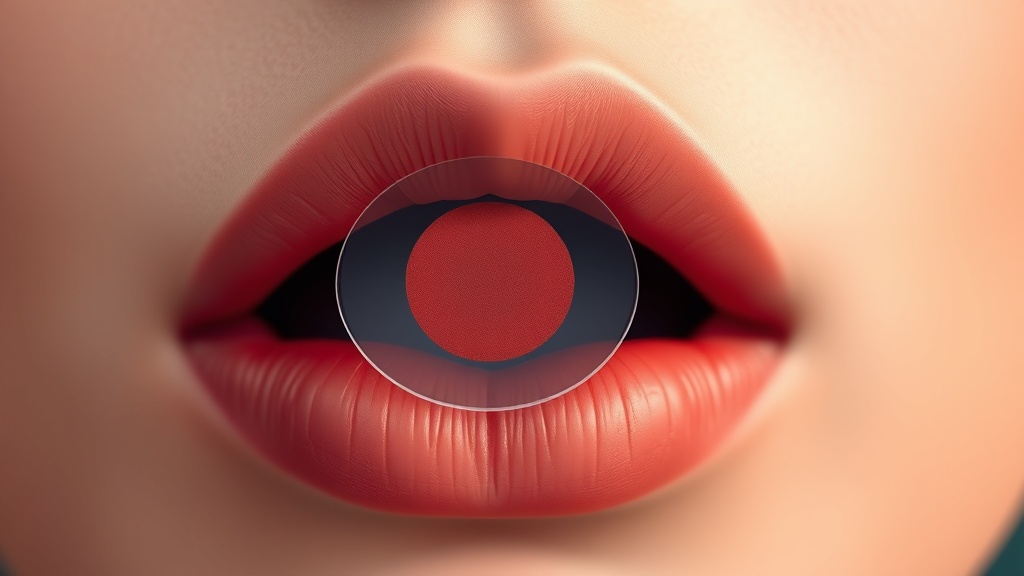
A patch works mechanically: it caps the ulcer so food, tongue and teeth cannot keep re-irritating the raw surface.
What the research actually shows
Every claim below maps to a named, peer-reviewed source in the Sources section. According to PubMed.
| Claim | Evidence | Source |
|---|---|---|
| In a clinical study, bioadhesive hydrogel patches applied over aphthous ulcers significantly reduced stimulated pain, and the patches adhered longest to larger ulcers in the early days, when their protective effect mattered most. | Clinical trial using a patient pain diary and an orange-juice challenge. | Mahdi et al., J Oral Pathol Med 1996 |
| Aphthous ulcers are the most common oral mucosal ulcer, affecting roughly 5 to 25 percent of people, and at present there is no curative treatment — they resolve on their own. | Narrative review of recurrent aphthous stomatitis. | Conejero Del Mazo et al., Med Clin 2023 |
| An amlexanox oral adhesive pellicle — a medicated patch pressed onto the ulcer — was evaluated as a treatment for recurrent aphthous stomatitis, combining a barrier with an anti-inflammatory. | Randomized clinical trial of an adhesive medicated pellicle. | Meng et al., Trials 2009 |
| In a randomized trial, 5 percent amlexanox paste significantly reduced ulcer size, pain and redness by day 6 versus a placebo paste — the same active used in some medicated adhesive discs. | Randomized, vehicle-controlled trial in 100 patients. | Bhat & Sujatha, Indian J Dent Res 2013 |
| A systematic review of nine trials found topical hyaluronic acid — the soothing agent in several patch and gel products — eased pain and shortened healing time, with no reported side effects. | Systematic review of 9 clinical trials (538 patients). | Al-Maweri et al., Clin Oral Investig 2021 |
The patch and barrier options, compared
| Barrier type | How it helps | Best when | Honest limit |
|---|---|---|---|
| Adhesive hydrogel patches | Stick over the sore as a firm physical shield | A single, reachable sore that food keeps hitting | Adhesion varies; hard to place on the tongue or deep folds |
| Dissolving gel-film discs | Melt into a protective film over the ulcer | You want cover without a rigid patch edge | The film is gentler but shorter-lived than an adhesive patch |
| Barrier pastes (Orabase-type) | Spread a thin protective coat over the sore | Irregular or awkwardly placed sores | Less durable than a patch; needs frequent reapplication |
| Medicated adhesive discs (amlexanox) | Combine a barrier with an anti-inflammatory | A stubborn ulcer you want to both cover and calm | Prescription in some regions; follow the label closely |
| Hyaluronic acid gels and films | Soothing film with trial evidence for comfort | Low-risk, gentle protection | Evidence is promising but the studies are small |
Why a barrier beats numbing for some people
It helps to see where a patch sits among the other things you could buy. A numbing gel deadens the surface of the sore for roughly half an hour, which is perfect right before a meal but does nothing once it wears off. A patch takes the opposite approach: instead of switching off the pain, it removes the cause of the flare-ups by keeping the sore covered for hours at a stretch, so the tissue is simply left alone. For a sore that only hurts when something touches it, that quiet protection can be more useful than a short burst of numbness. The two are not rivals — many people numb before eating and wear a patch or paste the rest of the day. What the evidence gently supports is the barrier idea itself: in a clinical study, adhesive patches reduced the pain provoked by an acidic challenge and clung best to larger sores in their early days, which is exactly when an ulcer is rawest. Medicated versions go a step further by carrying an anti-inflammatory such as amlexanox into the covered sore, and in trials that active cut ulcer size and pain when applied early. Even so, the honest limit is unchanged across every option here. A patch protects and comforts; it does not shorten the fundamental course of a sore that your body was always going to heal on its own.
Evidence you can act on.
Occasional emails — new research, new protocols, no noise.
How to use a canker sore patch well
A patch only works if it stays put, and getting good adhesion is mostly about technique and timing. A simple sequence gets the most out of any barrier product.
- 1
Confirm it is a canker sore, not a cold sore
one minuteA canker sore is a single round ulcer with a pale centre and red rim on the soft tissue inside the mouth. A cold sore blisters on the outer lip. If it is on the lip border or blistering, a canker sore patch is the wrong product — that is a different, viral condition.
- 2
Dry the spot before you apply
under a minutePatches and films need a dry surface to grip. Gently blot the sore and the tissue around it with a clean tissue or gauze so the adhesive can bond rather than slide off on a film of saliva.
- 3
Press and hold over the sore
30 to 60 secondsPlace the patch or film squarely over the ulcer and hold it with a clean fingertip for up to a minute so it sets. Resist the urge to keep prodding it afterward, which loosens the seal.
- 4
Reapply after meals and at bedtime
as directedCover the sore again after eating and before sleep, when an unprotected ulcer is most likely to be knocked. Follow the label on how many patches a day, and do not peel a patch off early — let it dissolve or lift on its own.
- 5
Remove the everyday irritants
while it settlesSwitch to a toothpaste without sodium lauryl sulfate (SLS), which some people find aggravates sores, and go easy on sharp, acidic and spicy foods. A protected sore that is not being re-irritated is a more comfortable sore.
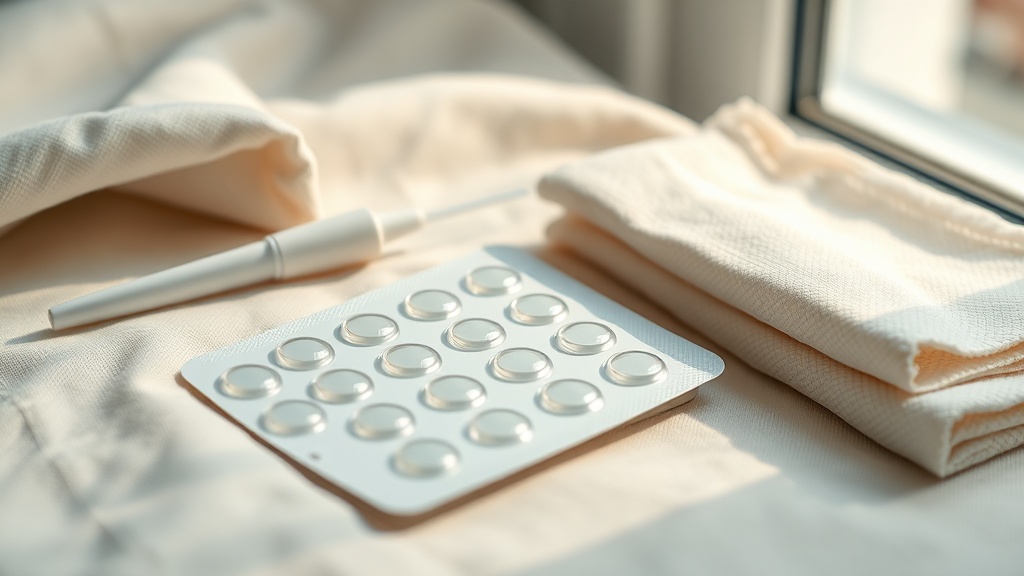
For a single sore, the kit is small: a pack of patches or films, a clean tissue to dry the spot, and a gentle rinse.
Most canker sores settle on their own within a week or two. See a dentist or doctor if a sore lasts longer than two to three weeks, is unusually large or deep, keeps returning in crops, makes eating or drinking very difficult, or comes with a fever, swollen glands, or sores elsewhere on the body. A single ulcer that will not heal should always be assessed in person rather than covered indefinitely, so a professional can rule out other causes.
Frequently asked questions
Sources
- 1.
- 2.
- 3.
- 4.
- 5.
- 6.

Fix your breath at the source.
The complete science-backed protocol — engineered to eliminate volatile sulfur compounds at the biological source.
Start the Breath Protocol →Related reading
Educational purposes only. The content on this page is not medical advice and is not a substitute for consultation with a qualified dental or medical professional.
More from the library
 Best Of9 min
The Best Canker Sore Medicine: OTC Options Compared
Canker sores (aphthous ulcers) settle on their own — the right over-the-counter product mainly buys comfort and protection while they do. Here is what the evidence supports.
Read →→ Best Of8 min
The Best Mouthwash for Bad Breath, by Active Ingredient
There is no single winner, only the right rinse for the right job. Here is how the active ingredients compare on the evidence, and which suits everyday fresh breath.
Read →→ Guides8 min
Home Remedies for Bad Breath: What the Evidence and Tradition Say
Salt water, baking soda, parsley and oil pulling, weighed honestly by both evidence and tradition, so you know what removes the source of odour and what only masks it.
Read →→ Answers7 min
Does Mouthwash Kill Good Bacteria? What the Evidence Says
Antibacterial rinses do not tell friendly bacteria from unfriendly ones. Here is what that means for your breath, and how to use mouthwash without working against yourself.
Read →→ Guides8 min
How to Get Rid of Bad Breath Permanently: An Evidence-Based Plan
The honest version: "permanently" means ongoing control, not a one-time fix. Here is the daily routine the research actually supports, and when to get help.
Read →→ Guides7 min
Bad Breath Even After Brushing? The Biological Reason (and Fix)
You brushed, flossed and rinsed — and the smell is still there. The reason usually isn't hygiene; it's where the odour-causing bacteria actually live.
Read →→