The Best Tongue Scraper
There is no single best tongue scraper — there is the one you will actually use every day. Here is an honest comparison of materials, shapes and features, and why technique matters more than the tool.

- There is no single best tongue scraper — the best one is simply the scraper you will reach for every day, because consistency drives almost all of the benefit.
- Any firm, broad, smooth edge clears the coating well; material matters far less than a comfortable width and an edge that reaches the back without gagging you.
- Copper, stainless steel and food-grade plastic all work: steel and copper are durable and easy to sanitise, while a good plastic scraper is light, cheap and travel-friendly.
- Ignore bold odour-killing claims on packaging — a scraper's job is mechanical, to lift the film that feeds odour bacteria, and reviews show clearing beats brushing for freshness.
- Skip anything with a rough, thin or sharp edge, since it can scratch the surface, and remember that price tells you little about how well a scraper actually cleans.
The best tongue scraper is the one you will use daily. Copper, stainless steel and food-grade plastic all clear the coating well, so choose by feel: a smooth, broad, U-shaped edge that reaches the back of your tongue comfortably and is easy to clean. Technique and consistency matter more than material or price.
What a good tongue scraper needs to do
A tongue scraper has one job: to lift the soft film of cells, food residue and bacteria off the surface of the tongue, especially the back third where odour-causing sulfur gases are mostly produced. Everything that makes one scraper better than another comes back to how well it does that one thing, comfortably, every day. That means a firm edge that does not flex away under light pressure, a broad and smooth contact surface that clears a wide band of coating in a single stroke, and a shape that lets you reach well back without triggering your gag reflex. Reviews of tongue-cleaning have found that scraping removes the odour-linked film more effectively than brushing it, simply because a straight edge collects more per pass than bristles. So the features worth paying attention to are practical ones — width, reach, edge smoothness and how easy the thing is to rinse and store — not the marketing language printed on the box.
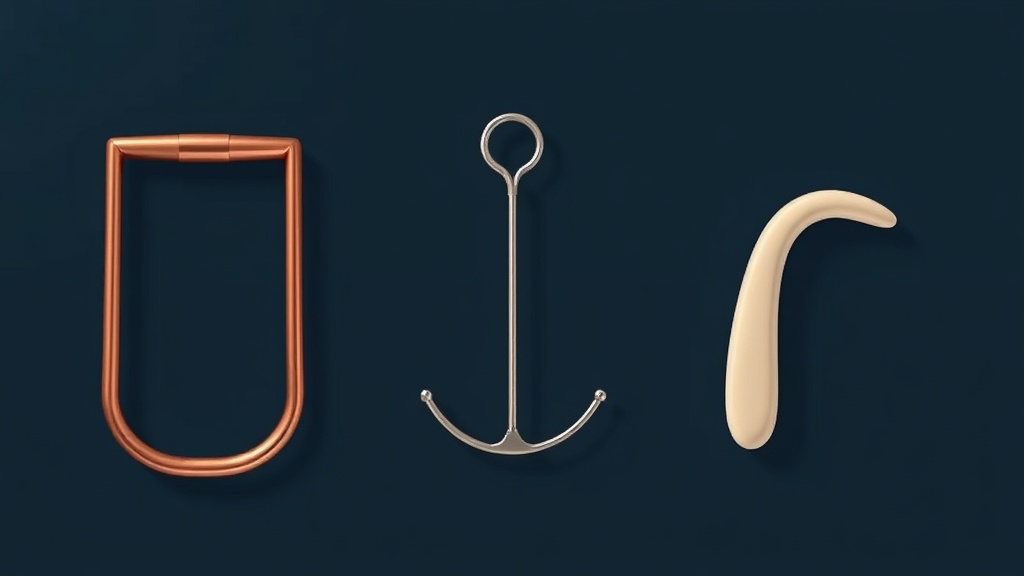
Shape and reach vary more than performance: a broad U-shape suits most mouths, a single handle suits smaller ones.
What the research actually shows
Every claim below maps to a named, peer-reviewed source in the Sources section. According to PubMed.
| Claim | Evidence | Source |
|---|---|---|
| Scraping the tongue removed volatile sulfur compounds more effectively than brushing the tongue. | Systematic review of tongue-cleaning for halitosis. | Outhouse et al., 2006 (Cochrane) |
| The back of the tongue is the principal intra-oral site where odour-causing volatile sulfur compounds are produced. | Review of the microbiology and treatment of oral malodour. | Loesche & Kazor, 2002 |
| Mechanical tongue cleaning is among the interventions shown to reduce malodour measures in the short term. | Cochrane review of interventions for halitosis. | Kumbargere Nagraj et al., 2019 (Cochrane) |
| The large majority of chronic bad breath originates inside the mouth, most often from the tongue coating. | Clinical review of halitosis. | Scully & Porter, 2008 |
Tongue scraper materials, compared
| Material | Strengths | Trade-offs |
|---|---|---|
| Copper | Durable, easy to sanitise, long traditional use in tongue-cleaning | Costs more; can tarnish and needs occasional polishing |
| Stainless steel | Very durable, dishwasher-safe, holds a smooth firm edge | Can feel cold or stiff; usually pricier than plastic |
| Food-grade plastic | Light, inexpensive, travel-friendly, gentle feel | Wears out sooner and can develop a rough edge over time |
| Toothbrush with a rear scraper pad | Free with a brush you already own | Least effective — a small ridge clears little film per stroke |
Why the best one is the one you will use
It is tempting to treat this as a gear decision, but the honest driver of results is habit. A scraper only works on the days you actually pick it up, so the winner is whichever one you find comfortable enough to use without thinking — which is why fit, feel and where it lives on your counter matter more than the metal it is made of. A few practical points separate a keeper from a drawer-dweller. An edge that is too thin or rough will scratch and put you off; one that is too narrow makes you take more strokes than you need. Two-handled U-shapes give most people the steadiest, most even pull, while single-handle designs suit smaller mouths. On copper specifically: it has a long tradition in tongue-cleaning and copper surfaces are inherently unfriendly to microbes, but there is no good evidence that a copper scraper freshens breath more than a well-used steel or plastic one — the cleaning is mechanical, so choose copper for durability and feel, not for a promised extra effect.
Evidence you can act on.
Occasional emails — new research, new protocols, no noise.
How to choose and set up your scraper
Use these practical filters rather than the claims on the box. The goal is a comfortable, well-made scraper you will happily use once a day — that habit matters far more than any single feature.
- 1
Choose a comfortable width and reach
—Pick a scraper broad enough to clear most of the tongue in one stroke but short enough to reach the back without gagging. A gentle U-shape suits most people; try a single-handle design if you have a smaller mouth.
- 2
Pick a material that fits your habit
—Choose steel or copper if you want something that lasts for years and sanitises easily, or plastic if you want light, cheap and travel-friendly. All three clear the coating; the right one is simply the one you will keep using.
- 3
Check the edge is smooth, not sharp
—Run a fingertip along the cleaning edge. It should feel firm and rounded, never rough or knife-like. A poorly finished edge can scratch the tongue and will quietly discourage you from reaching for it.
- 4
Plan for easy cleaning and storage
—Rinse and dry the scraper after each use and keep it beside your toothbrush. Steel and copper can be washed with soap or run through the dishwasher; replace a plastic scraper once its edge feels rough.
- 5
Do not overpay for claims
—Ignore packaging that promises to kill odour or cure bad breath. A scraper removes the film mechanically, and a modest, well-made one does that just as well as any luxury version.
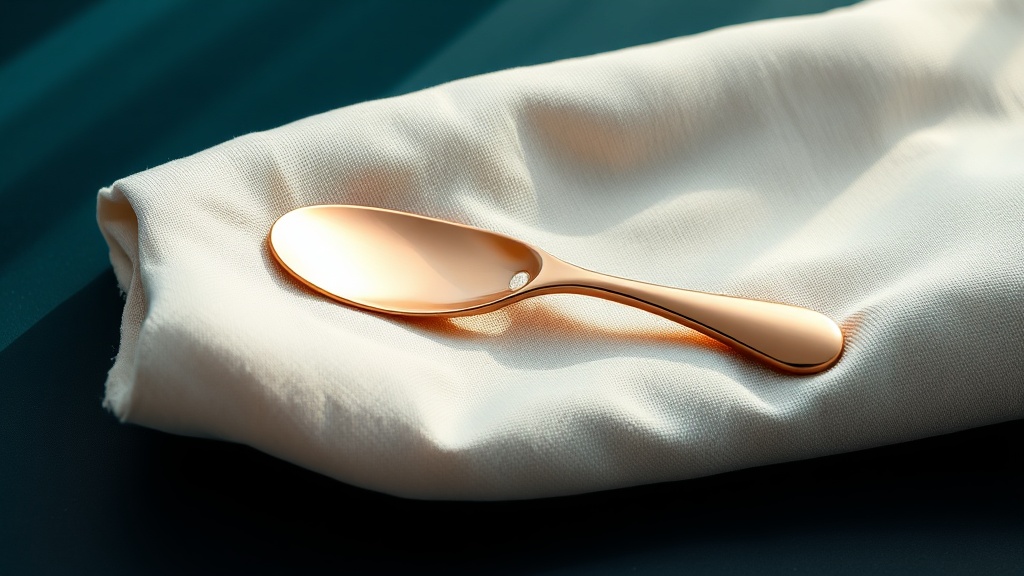
A steady two-handed hold and a smooth, firm edge do more for results than the material or the price.
A scraper is a cosmetic tool for everyday freshness, not a treatment. If bad breath lingers despite daily tongue-cleaning and good oral hygiene, see a dentist, as a persistent odour can point to gum problems or another cause worth assessing. Book a visit too if you notice a coating on only one side of the tongue, a patch that will not scrape away, soreness or bleeding — those deserve an in-person look.
Frequently asked questions
Sources
- 1.
- 2.
- 3.
- 4.
- 5.

Fix your breath at the source.
The complete science-backed protocol — engineered to eliminate volatile sulfur compounds at the biological source.
Start the Breath Protocol →Related reading
Educational purposes only. The content on this page is not medical advice and is not a substitute for consultation with a qualified dental or medical professional.
More from the library
 Best Of7 min
Copper Tongue Scraper Benefits: What the Evidence Supports
Copper scrapers are having a moment — but which benefits are backed by research and which are marketing? Here is the honest, evidence-based breakdown.
Read →→ Answers8 min
How to Use a Tongue Scraper: The Right Technique, Step by Step
The back of your tongue holds the film behind most everyday bad breath. Here is exactly how to scrape it away — reach, pressure, strokes and frequency — without gagging or overdoing it.
Read →→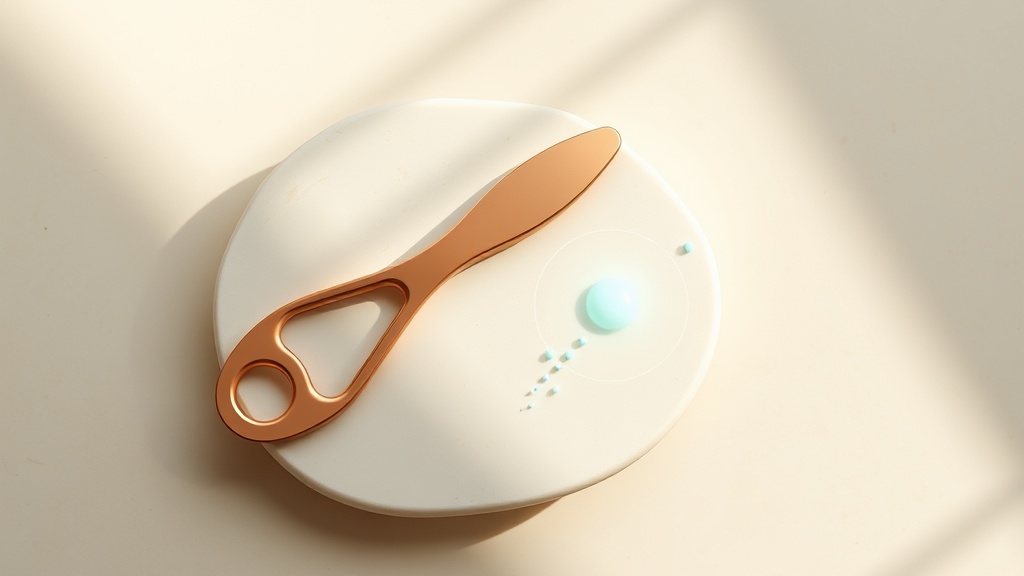 Guides8 min
The Best Way to Clean Your Tongue for Fresh Breath
Most bad breath starts on the back of the tongue — here is the gentle, evidence-based way to clean it for fresher breath.
Read →→ Answers6 min
How Often Should You Scrape Your Tongue?
Once a day? Twice? After every meal? Here is what the research on tongue cleaning actually supports — and why frequency matters less than consistency.
Read →→ Guides8 min
How to Get Rid of Bad Breath Permanently: An Evidence-Based Plan
The honest version: "permanently" means ongoing control, not a one-time fix. Here is the daily routine the research actually supports, and when to get help.
Read →→ Guides7 min
Bad Breath Even After Brushing? The Biological Reason (and Fix)
You brushed, flossed and rinsed — and the smell is still there. The reason usually isn't hygiene; it's where the odour-causing bacteria actually live.
Read →→