How to Use a Tongue Scraper
The back of your tongue holds the film behind most everyday bad breath. Here is exactly how to scrape it away — reach, pressure, strokes and frequency — without gagging or overdoing it.

- A tongue scraper works by physically lifting the soft, bacteria-rich film off the surface of your tongue — the single biggest source of the sulfur gases behind everyday bad breath.
- Technique matters far more than the tool: reach as far back as is comfortable, use light and even pressure, and pull forward in overlapping strokes, rinsing between each.
- In reviews of tongue-cleaning, scraping cleared volatile sulfur compounds more effectively than brushing the tongue, because a flat edge lifts more film per stroke than bristles.
- It is a cosmetic, odour-control habit rather than a cure: the coating rebuilds every day, so scraping is something you do once daily, gently, for the freshness to last.
- Gagging, soreness or any bleeding means you are pressing too hard or reaching too fast — the whole routine should feel light and take under thirty seconds.
To use a tongue scraper, stick your tongue out, set the scraper as far back as is comfortable, and draw it forward along the surface with light, even pressure. Rinse the scraper and repeat four to eight times until little coating comes off. Do it once daily, gently — it clears the film behind odour, it does not cure anything.
What a tongue scraper actually does
Most everyday bad breath is made in the mouth, not carried up from the stomach — and it is made mostly on the tongue. The upper surface, especially toward the back, is covered in tiny finger-like papillae, and between them collects a soft film of shed cells, food residue, saliva proteins and bacteria. Sheltered there from oxygen and the washing action of saliva, anaerobic bacteria break down proteins and release volatile sulfur compounds, the gases responsible for that classic rotten, sulfurous smell. A tongue scraper is simply a firm, broad edge you draw across this surface to lift the whole coating off in one pass. Because it presents a straight edge rather than a clump of bristles, it clears more of the film per stroke and reaches into the grooves a toothbrush tends to skate over. The goal is mechanical removal: you are physically taking away the raw material the odour-producing bacteria feed on, which is exactly why the effect is immediate but temporary.

The core motion: place the scraper far back, then draw forward in one light stroke to lift the coating.
What the research actually shows
Every claim below maps to a named, peer-reviewed source in the Sources section. According to PubMed.
| Claim | Evidence | Source |
|---|---|---|
| Scraping the tongue removed volatile sulfur compounds more effectively than brushing the tongue. | Systematic review of tongue-cleaning for halitosis. | Outhouse et al., 2006 (Cochrane) |
| The back of the tongue is the principal site inside the mouth where odour-causing volatile sulfur compounds are produced. | Review of the microbiology and treatment of oral malodour. | Loesche & Kazor, 2002 |
| The large majority of chronic bad breath originates inside the mouth, most often from the tongue coating rather than the gut. | Clinical review of halitosis. | Scully & Porter, 2008 |
| Mechanical tongue cleaning is among the interventions shown to reduce malodour measures in the short term. | Cochrane review of interventions for halitosis. | Kumbargere Nagraj et al., 2019 (Cochrane) |
| Mouthrinses can lower malodour as an adjunct, but they do not physically remove the coating the way cleaning does. | Cochrane review of mouthrinses for halitosis. | Fedorowicz et al., 2008 (Cochrane) |
How tongue-cleaning approaches compare
| Approach | What it does to the coating | Honest limit |
|---|---|---|
| Tongue scraper | Lifts the film off in broad, straight strokes | The coating returns daily — a habit, not a fix |
| Tongue brushing | Loosens some film, but bristles skate over the grooves | Less coating cleared per stroke than a scraper |
| Mouthwash alone | Lowers bacteria and masks odour briefly | Leaves the physical coating in place |
| Doing nothing | Coating and its sulfur gases build through the day | Odour is usually worst on waking |
Why technique beats the tool
People often blame the scraper when the real issue is how they use it. The three mistakes that undo the whole exercise are not reaching far enough back, pressing too hard, and going too fast. The film that matters most sits toward the rear third of the tongue, so a stroke that starts in the middle misses the busiest part entirely — yet that back region is also where the gag reflex lives, which is why most people instinctively stop short. The fix is not force but patience: relax, breathe out slowly through your mouth, and start a little further back each day as the reflex settles. Pressure is the other trap. A scraper needs only light, even contact; the flat edge does the work, and bearing down risks scratching or bruising the surface without clearing any more film. Whether the scraper is copper, stainless steel or plastic matters far less than reach, pressure and consistency — a plain scraper used well beats a premium one used timidly in the middle of the tongue.
Evidence you can act on.
Occasional emails — new research, new protocols, no noise.
How to use a tongue scraper, step by step
The whole routine should take under thirty seconds and feel light throughout. Do it once a day — most people find first thing in the morning works best, when the coating is heaviest. None of this treats a medical condition; it simply clears the film behind everyday odour.
- 1
Set up clean and relaxed
5 secondsStand at the sink in good light and stick your tongue out fully. Breathing out slowly through your mouth relaxes the throat and blunts the gag reflex before you start. Rinse the scraper under warm water so it glides.
- 2
Place it as far back as is comfortable
5 secondsOpen the scraper over your tongue and set the edge down toward the back third — as far as you can go without gagging. On the first day that may only be the middle, and that is fine; you will gain a little ground each day.
- 3
Pull forward with light, even pressure
10 secondsDraw the scraper slowly forward to the tip in one smooth stroke, using gentle contact only. You should see a thin, pale film collected on the edge. If it hurts or the tongue reddens, you are pressing far too hard — ease off at once.
- 4
Rinse and repeat in overlapping strokes
10 secondsRinse the film off under running water, then repeat four to eight times, shifting slightly to cover the whole width. Stop when little or no coating comes off — that is the signal the surface is clear, not a count to force past.
- 5
Rinse, clean the tool and leave it out
5 secondsSwish with water, wash the scraper and let it air-dry. Keeping it beside your toothbrush is the best way to make the habit stick. Resist scraping several times a day — once, gently, is enough.
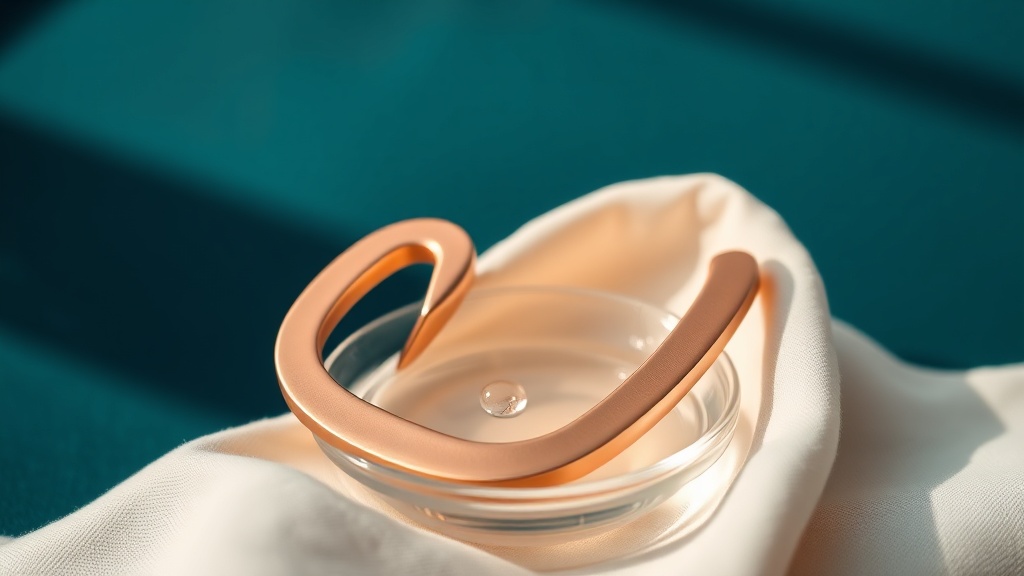
Light pressure and a quick rinse between strokes are what keep the habit gentle and effective.
Scraping is a cosmetic habit for everyday freshness, not a diagnosis. See a dentist or doctor if bad breath persists despite consistent daily cleaning, since a lasting odour can point to gum problems or another cause worth assessing. Book a check-up too if you notice a white or red patch that does not scrape away, a coating on only one side, ongoing soreness, or any bleeding — those deserve an in-person look rather than harder scraping.
Frequently asked questions
Sources
- 1.
- 2.
- 3.
- 4.
- 5.

Fix your breath at the source.
The complete science-backed protocol — engineered to eliminate volatile sulfur compounds at the biological source.
Start the Breath Protocol →Related reading
Educational purposes only. The content on this page is not medical advice and is not a substitute for consultation with a qualified dental or medical professional.
More from the library
 Answers6 min
How Often Should You Scrape Your Tongue?
Once a day? Twice? After every meal? Here is what the research on tongue cleaning actually supports — and why frequency matters less than consistency.
Read →→ Guides8 min
The Best Way to Clean Your Tongue for Fresh Breath
Most bad breath starts on the back of the tongue — here is the gentle, evidence-based way to clean it for fresher breath.
Read →→ Best Of7 min
Copper Tongue Scraper Benefits: What the Evidence Supports
Copper scrapers are having a moment — but which benefits are backed by research and which are marketing? Here is the honest, evidence-based breakdown.
Read →→ Best Of8 min
The Best Tongue Scraper: Materials, Shape and What Actually Matters
There is no single best tongue scraper — there is the one you will actually use every day. Here is an honest comparison of materials, shapes and features, and why technique matters more than the tool.
Read →→ Guides8 min
How to Get Rid of Bad Breath Permanently: An Evidence-Based Plan
The honest version: "permanently" means ongoing control, not a one-time fix. Here is the daily routine the research actually supports, and when to get help.
Read →→ Guides7 min
Bad Breath Even After Brushing? The Biological Reason (and Fix)
You brushed, flossed and rinsed — and the smell is still there. The reason usually isn't hygiene; it's where the odour-causing bacteria actually live.
Read →→