The Best Mouth Tape for Sleep (Safety-First, Honestly Compared)
The types of mouth tape compared honestly, what actually matters when choosing, and the safety rules that come before any purchase.
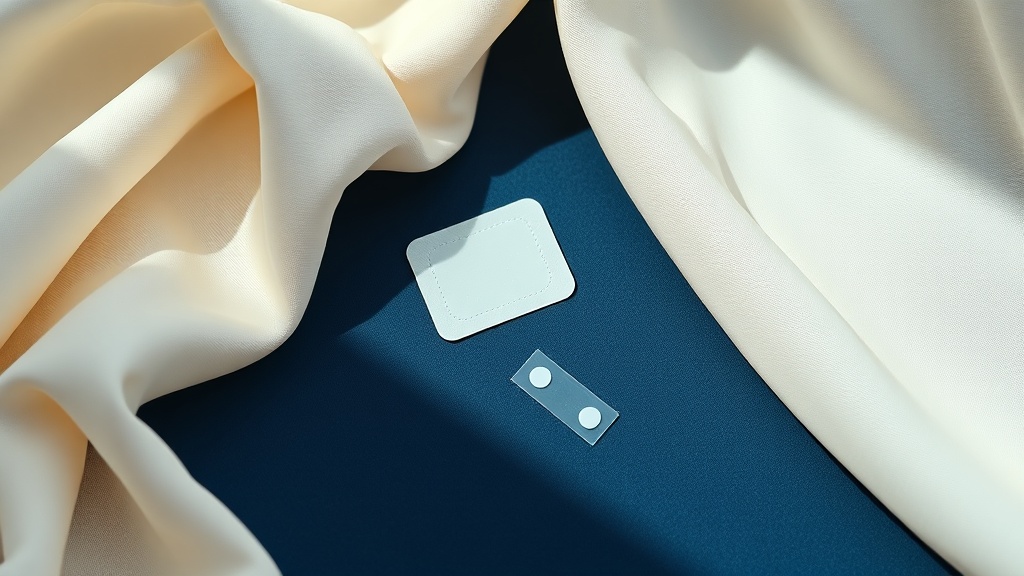
- Before choosing any product, read the safety guide: mouth taping is adults-only and unsafe for anyone with a blocked nose, sleep apnea, or who cannot remove the tape instantly.
- The best mouth tape is not the strongest — it is a hypoallergenic, skin-safe strip designed to peel off at the lightest pull, so your airway is never truly trapped.
- Purpose-made mouth strips, some with a small central vent or gap, are generally preferable to sealing the lips completely, because they lower the risk if your nose blocks up.
- No mouth tape is a medical device or a treatment for snoring, sleep apnea or bad breath; at best it may encourage nose breathing, which keeps the mouth moister overnight.
- We do not list prices or push brands, because the right choice depends on your skin and your safety screening far more than on marketing — the fundamentals matter, not the label.
The best mouth tape for sleep is a hypoallergenic, skin-safe strip that peels away at the lightest pull, ideally a purpose-made mouth strip rather than strong household tape. It is only appropriate for healthy adults with a clear nose and no sleep apnea. No tape treats a condition; it may simply encourage the nose breathing that keeps your mouth moist and breath fresher.
What actually makes a mouth tape good (and safe)
When people ask for the best mouth tape, they usually imagine that stronger and stickier is better. For an airway, the opposite is true. The single most important property is that the tape releases instantly — under a light pull, a yawn, or a moment of panic — because the whole safety case for taping rests on never truly trapping your mouth. That points you away from duct tape, packing tape and strong medical strapping, and toward gentle, hypoallergenic strips made for skin. The second thing that matters is skin tolerance: the strip sits on delicate lip and perioral skin for hours, so a hypoallergenic, latex-free adhesive that lifts off cleanly avoids irritation. Third is design that fails safe — many purpose-made products use a small central patch or a vent so that even when applied, a little air can still pass, which meaningfully lowers the risk if your nose blocks in the night. Notice what is not on this list: nothing about a good tape treats snoring, sleep apnea or bad breath. The most a well-chosen tape can do is gently keep your lips together so you breathe through your nose — and that only helps if your nose is clear and you have been properly screened.
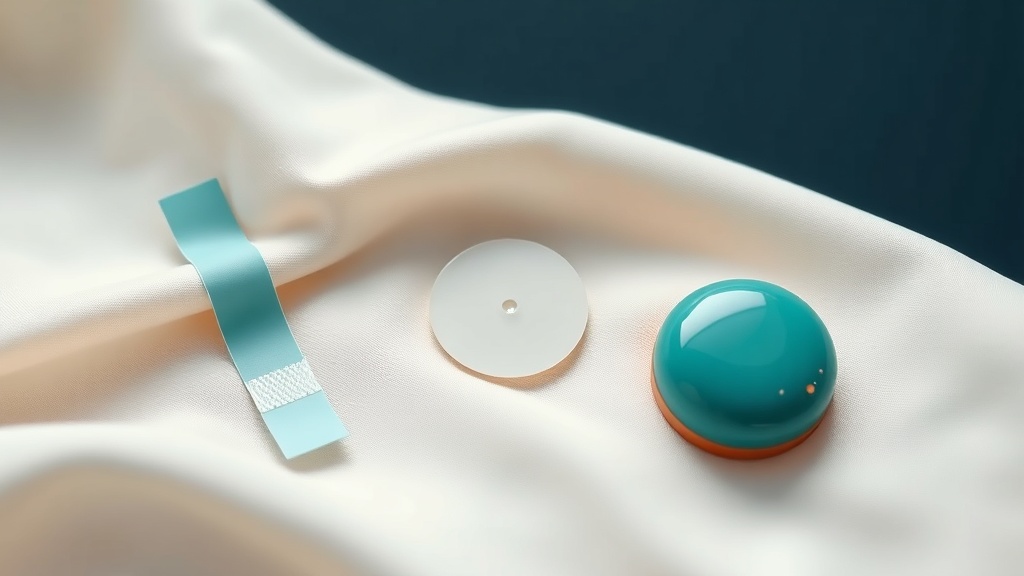
The best format is a gentle, skin-safe strip that peels off instantly — often a small vented patch rather than a full lip seal.
What the research actually shows
Every claim below maps to a named, peer-reviewed source in the Sources section. According to PubMed.
| Claim | Evidence | Source |
|---|---|---|
| A systematic review found a potentially serious risk of harm, including asphyxiation, for people taping without screening — so safety, not brand, should drive any choice. | PRISMA systematic review of 10 studies (213 patients). | Rhee et al., 2025 |
| The main positive study used a specific hypoallergenic silicone tape on carefully screened patients with only mild sleep apnea. | Preliminary study of 20 screened patients using 3M silicone hypoallergenic tape. | Lee et al., 2022 |
| Mouth breathing exacerbates dry mouth, so a tape that genuinely promotes nose breathing may support a moister mouth overnight. | Literature review of oral-health impacts of disordered breathing. | Maniaci et al., 2024 |
| A dry mouth lets odour bacteria accumulate, which is the mechanism by which keeping the mouth moist may support fresher breath. | Clinical review of halitosis in the BMJ. | Scully & Porter, 2008 |
| Oral malodour comes from volatile sulfur compounds made by anaerobic bacteria that thrive in dry conditions on the tongue. | Review of the microbiology and treatment of oral malodour. | Loesche & Kazor, 2002 |
Types of mouth tape compared
| Type | Best suited to | Watch-outs |
|---|---|---|
| Purpose-made vented mouth strip | Screened adults wanting a fail-safe design | Still requires a clear nose and screening |
| Hypoallergenic surgical-style strip | Sensitive skin; the format used in the main study | Applied lightly so it peels off instantly |
| Small central lip patch (partial) | Beginners gauging tolerance | Only a nudge to nose-breathe, not a full seal |
| Full-seal strip across the lips | Rarely the right choice | Highest risk if the nose blocks; use extreme caution |
| Strong household or duct tape | No one — avoid entirely | Does not release safely; can injure skin and trap the airway |
Why we do not rank brands or quote prices
Most best mouth tape lists are really affiliate pages, ranking products by commission and dressing up near-identical strips with borrowed medical language. We have chosen not to do that, for two honest reasons. First, the differences between reputable hypoallergenic strips are small and personal — what matters is how your skin tolerates the adhesive and whether the format fails safe, neither of which a star rating can tell you. Prices shift constantly and vary by region, so quoting them would only mislead. Second, and more importantly, ranking brands implies the choice of product is the important decision, when it is not. The important decision is whether you should be taping at all. A carefully chosen premium strip used by someone with undiagnosed sleep apnea or a chronically blocked nose is more dangerous than no tape and an early night. So the useful guidance is not a leaderboard but a filter: rule yourself out first using the safety guide, then, if you qualify, pick any gentle, hypoallergenic, easy-release strip — ideally one with a vent — and use it conservatively. The best tape, in other words, is a category defined by safety features, not a single product you can buy your way to.
Evidence you can act on.
Occasional emails — new research, new protocols, no noise.
How to choose and use mouth tape sensibly
If you are a healthy adult who has read the safety guide and qualifies, here is how to choose and use a product with the least risk. This is not a treatment for anything — stop at any sign of trouble.
- 1
Pass the safety screening before you buy anything
before purchaseConfirm you can breathe easily through your nose, have no sleep apnea signs, are an adult, and have no relevant medical condition. If any of these fails, no product is right for you. This screening matters far more than which brand you pick.
- 2
Choose hypoallergenic and easy-release over strong
when selectingPick a skin-safe, latex-free strip designed for the mouth that peels off at the lightest pull. Avoid anything strong or aggressive. The study that showed a benefit used a gentle hypoallergenic silicone tape, not heavy strapping.
- 3
Prefer a vented or partial design
when selectingA product with a small central vent, or a partial central patch rather than a full lip seal, lets a little air through if your nose blocks overnight. This fail-safe design lowers the core risk and is a sensible default for anyone new to it.
- 4
Patch-test your skin first
24 hours before night useApply a small piece to your inner forearm for a few hours to check for irritation, since the adhesive will sit on delicate lip skin for hours. If your skin reacts, do not use it on your face.
- 5
Trial while awake, and never after alcohol
first usesTry it during a daytime nap or quiet awake time first, tell someone in the home, and never use it after alcohol or sedatives. Remove it instantly at any breathlessness or anxiety, and stop if mouth breathing keeps returning.

A good strip lifts away at the lightest pull — the property that keeps the airway from ever being truly trapped.
No product replaces a professional assessment. See a doctor or sleep specialist before buying any mouth tape if you snore heavily, wake gasping or exhausted, or have a nose that never clears — these can signal sleep apnea, which mouth tape is not designed or proven to treat. For a persistently mouth-breathing child, see a paediatric professional rather than taping.
Frequently asked questions
Sources
- 1.
- 2.
- 3.
- 4.
- 5.

Fix your breath at the source.
The complete science-backed protocol — engineered to eliminate volatile sulfur compounds at the biological source.
Start the Breath Protocol →Related reading
Educational purposes only. The content on this page is not medical advice and is not a substitute for consultation with a qualified dental or medical professional.
More from the library
 Guides9 min
Is Mouth Taping Safe? An Honest Look at the Risks
The real risks of taping your mouth shut at night, who should never do it, and how to decide safely.
Read →→ Guides9 min
Mouth Taping Benefits: What the Evidence Actually Supports
The claimed benefits of mouth taping, weighed against what the research actually shows — and why safety comes first.
Read →→ Guides9 min
How to Stop Mouth Breathing at Night: A Sleep-Focused Guide
Why your mouth falls open in sleep, how it fuels morning breath, and the honest overnight fixes that help.
Read →→ Best Of8 min
The Best Mouthwash for Bad Breath, by Active Ingredient
There is no single winner, only the right rinse for the right job. Here is how the active ingredients compare on the evidence, and which suits everyday fresh breath.
Read →→ Guides8 min
How to Get Rid of Bad Breath Permanently: An Evidence-Based Plan
The honest version: "permanently" means ongoing control, not a one-time fix. Here is the daily routine the research actually supports, and when to get help.
Read →→ Guides7 min
Bad Breath Even After Brushing? The Biological Reason (and Fix)
You brushed, flossed and rinsed — and the smell is still there. The reason usually isn't hygiene; it's where the odour-causing bacteria actually live.
Read →→