Mouth Taping Benefits: Claimed vs Proven (an Honest Look)
The claimed benefits of mouth taping, weighed against what the research actually shows — and why safety comes first.

- The most plausible benefit of mouth taping is indirect: by keeping the lips closed, it may encourage nose breathing, which keeps the mouth moister overnight and can mean less dry, stale morning breath.
- Evidence is thin and early. In a small preliminary study of screened patients with mild sleep apnea, taping roughly halved snoring and apnea scores — but a systematic review found most studies showed no benefit at all.
- Mouth taping is an adults-only practice and is not a treatment for sleep apnea, snoring or any medical condition; the studies that showed a benefit were done in carefully selected, monitored patients.
- The same systematic review flagged a serious risk of harm, including asphyxiation, for anyone with a blocked nose — which is why safety screening matters more than any claimed benefit.
- For fresher breath specifically, the honest takeaway is that keeping the mouth moist is what helps; taping is only one, higher-risk way to encourage that, and gentler options exist.
The main realistic benefit of mouth taping is that it can promote overnight nose breathing, which keeps the mouth moister and may reduce dry morning breath. Some small studies also showed less snoring in screened patients, but the overall evidence is weak and mixed. It is adults-only, is not a medical treatment, and carries real risks if your nose is blocked.
How mouth taping is supposed to help your breath
The logic behind mouth taping and fresher breath is simple and, on its own terms, reasonable. Breath turns stale overnight mainly because an open mouth dries out for hours, and a dry mouth is a playground for the anaerobic bacteria that produce sulfur-smelling gases. If a light strip across the lips nudges you to keep your mouth closed and breathe through your nose instead, the mouth stays moister, saliva keeps doing its cleaning job, and the conditions that let odour build up are softened. That is the whole mechanism — taping does not clean anything or kill bacteria, it simply tries to change the route your air takes. This is worth being honest about, because it reframes the benefit. Taping is not a breath treatment; at best it is one way to encourage a moister, nose-breathing mouth. And crucially, the benefit only materialises if your nose is actually clear enough to breathe through. If it is not, taping does not deliver the benefit and instead removes your working airway — which is exactly why the practice is safety-gated rather than universally recommended.

The proposed benefit is indirect: closed lips redirect airflow to the nose, keeping the mouth moist rather than drying it out.
What the research actually shows
Every claim below maps to a named, peer-reviewed source in the Sources section. According to PubMed.
| Claim | Evidence | Source |
|---|---|---|
| In a small preliminary study, mouth taping in mouth-breathers with mild sleep apnea reduced the apnea-hypopnea and snoring indices by roughly half, with about 65% of patients responding. | Preliminary home-sleep-test study of 20 screened patients with mild OSA. | Lee et al., 2022 |
| A systematic review found only 2 of 10 studies showed measurable benefit; others showed no difference, and it concluded evidence of benefit is limited. | PRISMA systematic review of 10 studies (213 patients). | Rhee et al., 2025 |
| Mouth breathing exacerbates dry mouth, so encouraging nose breathing plausibly supports a moister mouth overnight. | Literature review of oral-health impacts of disordered breathing. | Maniaci et al., 2024 |
| A dry mouth lets odour-causing bacteria accumulate, which is the mechanism by which keeping the mouth moist may support fresher breath. | Clinical review of halitosis in the BMJ. | Scully & Porter, 2008 |
| Oral malodour is produced by volatile sulfur compounds from anaerobic bacteria on the tongue, which thrive in dry, low-oxygen conditions. | Review of the microbiology and treatment of oral malodour. | Loesche & Kazor, 2002 |
Claimed benefits, weighed honestly
| Claimed benefit | What the evidence says | Honest verdict |
|---|---|---|
| Fresher morning breath | Plausible via a moister, nose-breathing mouth; no direct breath trials | Reasonable but indirect — moisture is the real lever |
| Less snoring | One small screened study showed a reduction; not broadly confirmed | Possible for some, unproven in general |
| Better sleep quality | Mixed; most studies showed no clear difference | Not established |
| Treats sleep apnea | Studied only in mild, screened cases; a review warns of harm | Not a treatment — see a professional |
| Encourages nasal breathing | Directly plausible if the nose is clear | Its most defensible rationale |
Why the benefits are smaller and less certain than the hype
Mouth taping went viral because the before-and-after stories are compelling, but the science tells a more sober tale. The single most-cited positive study enrolled only twenty people, all pre-screened for mild sleep apnea and able to tolerate having their mouths sealed, and it measured them for a single week — useful as a signal, but far from proof that taping helps the average person. When researchers pooled all the available studies in a systematic review, only a minority showed any measurable benefit, and several showed none. Just as important, almost every study deliberately excluded people with a blocked nose, because taping them shut would be unsafe — which means the evidence base does not even cover many of the people most tempted to try it. So the honest position is not that mouth taping is worthless, but that its benefits are modest, uncertain, and conditional on already being able to breathe well through your nose. For the specific goal of fresher breath, that reframes the whole thing: the benefit you are chasing is moisture, and taping is just one comparatively risky route to it. Simpler steps — clearing the nose, humidifying the air, side-sleeping, hydrating — chase the same benefit without sealing your mouth.
Evidence you can act on.
Occasional emails — new research, new protocols, no noise.
How to pursue the real benefit safely
If the benefit you want is a moister, nose-breathing mouth and fresher morning breath, here is how to pursue it sensibly — starting with the gentler options and treating taping as an adults-only, screened last resort.
- 1
Chase moisture, not the tape itself
nightlyThe benefit that helps your breath is overnight moisture. Humidifying dry air, clearing the nose before bed, and keeping water by the bed all deliver that benefit with essentially no risk. Start here before considering anything across your lips.
- 2
Fix nose breathing first
as neededTaping only helps if you can already breathe through your nose. Treat congestion, allergies or a structural blockage with a clinician so nasal breathing is comfortable. If your nose is not clear, no benefit is available and the risk rises sharply.
- 3
Screen yourself honestly before ever taping
once, before tryingMouth taping is for healthy adults only. Rule out sleep apnea, heavy snoring, nasal obstruction, and any breathing or heart condition — ideally with professional input. Never use it on a child or anyone who cannot easily remove it themselves.
- 4
If you do try it, start minimal
if appropriate for youThose who proceed should use a product designed for the purpose, applied so it can be removed instantly, and stop at the first sign of difficulty. Read our dedicated safety guide in full first — this step is not for everyone and the benefit is modest.
- 5
Keep your daily fundamentals
twice dailyWhatever route you take, fresh breath still rests on tongue cleaning, hydration, and good overall oral hygiene. Taping is at most a small supporting act, never a substitute for the basics that actually keep odour bacteria in check.
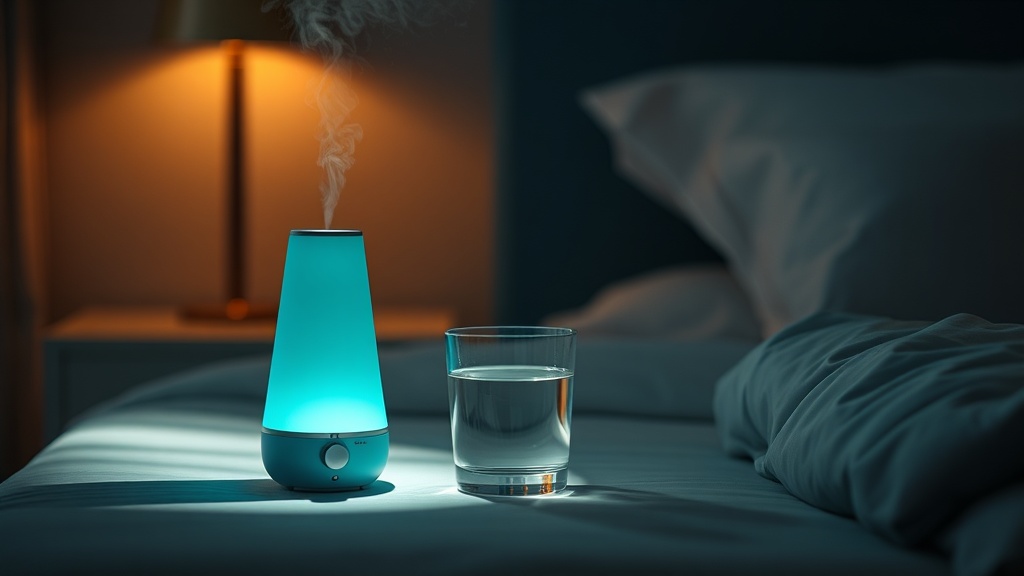
The benefit worth chasing is overnight moisture — often achievable with gentler, lower-risk steps than taping.
Before pinning any hopes on mouth taping, see a professional if you snore heavily, wake gasping or exhausted, or have a nose that never clears. These point to airway or sleep issues that need real assessment. Mouth taping is not a treatment for them, and using it to mask such signs can be dangerous — a clinician can find the actual cause and safer options.
Frequently asked questions
Sources
- 1.
- 2.
- 3.
- 4.
- 5.

Fix your breath at the source.
The complete science-backed protocol — engineered to eliminate volatile sulfur compounds at the biological source.
Start the Breath Protocol →Related reading
Educational purposes only. The content on this page is not medical advice and is not a substitute for consultation with a qualified dental or medical professional.
More from the library
 Guides9 min
Is Mouth Taping Safe? An Honest Look at the Risks
The real risks of taping your mouth shut at night, who should never do it, and how to decide safely.
Read →→ Best Of9 min
Best Mouth Tape for Sleep: Types Compared, Safety First
The types of mouth tape compared honestly, what actually matters when choosing, and the safety rules that come before any purchase.
Read →→ Guides9 min
How to Stop Mouth Breathing at Night: A Sleep-Focused Guide
Why your mouth falls open in sleep, how it fuels morning breath, and the honest overnight fixes that help.
Read →→ Guides9 min
How to Fix Bad Breath: A Practical, Step-by-Step Action Plan
The practical fix-it plan: four everyday moves — tongue, teeth, hydration, and microbiome — that target where bad breath actually starts.
Read →→ Guides8 min
How to Get Rid of Bad Breath Permanently: An Evidence-Based Plan
The honest version: "permanently" means ongoing control, not a one-time fix. Here is the daily routine the research actually supports, and when to get help.
Read →→ Guides7 min
Bad Breath Even After Brushing? The Biological Reason (and Fix)
You brushed, flossed and rinsed — and the smell is still there. The reason usually isn't hygiene; it's where the odour-causing bacteria actually live.
Read →→