
How Much Does a Mouth Guard Cost?
A clear, honest breakdown of what night guards cost — from boil-and-bite to custom lab-made — what actually drives the price, and how to decide when the pricier option is worth it.
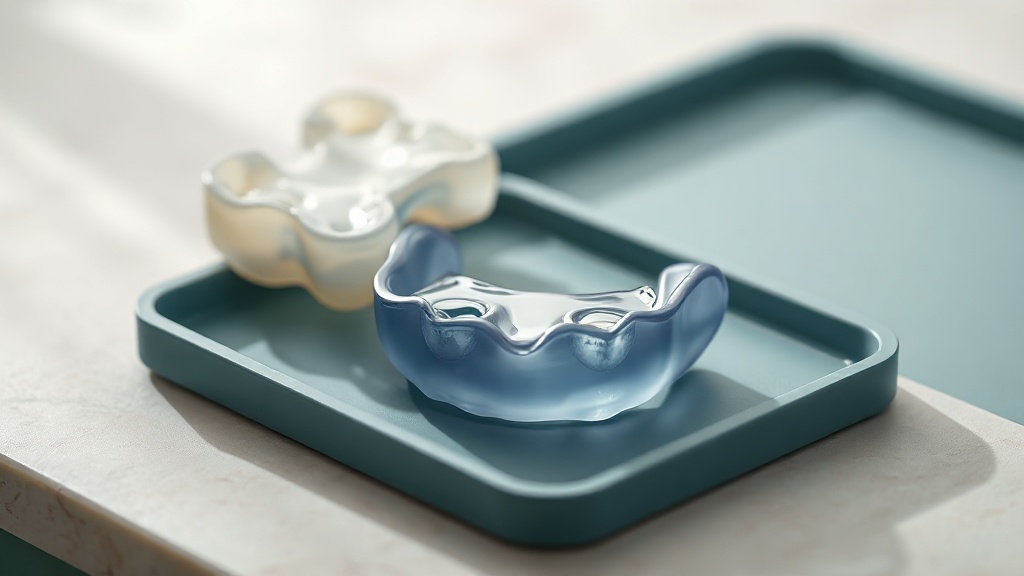
- Night guard prices span a wide range: roughly $15 to $40 for over-the-counter boil-and-bite guards, about $100 to $200 for mail-order custom guards, and around $300 to $800 (sometimes more) for a dentist-made custom guard.
- You are mostly paying for fit and materials: a dentist-made guard is built from an impression of your teeth in a lab, which is why it costs more and typically lasts longer and feels more comfortable.
- More expensive does not automatically mean necessary — for many people a well-fitted lower-cost option is reasonable, and evidence shows simple self-care can match a splint for jaw comfort.
- A night guard protects your teeth from grinding wear; it does not stop the grinding itself, which is a behaviour rather than a disease.
- If you grind heavily, have jaw pain, or are unsure what you need, a dental assessment first can save money by matching the guard to the actual problem.
In the US, mouth guards typically cost about $15 to $40 over the counter, roughly $100 to $200 for a mail-order custom guard, and about $300 to $800 for one made by a dentist. You are mainly paying for a more precise fit and more durable materials — and pricier is not always necessary.
What you are actually paying for
A night guard is a simple-looking piece of plastic, so the price spread — from a supermarket boil-and-bite guard to a several-hundred-dollar dentist appliance — can be baffling. The cost almost entirely comes down to two things: how precisely it fits your teeth, and what it is made of. At the cheapest end, an over-the-counter guard is a one-size-shaped piece you soften in hot water and bite into, or a stock tray that fits loosely. It costs little because there is no custom work — but the fit is approximate, it can feel bulky, and it tends to wear out faster. In the middle sit mail-order services that send you a home impression kit, then make a guard in a lab from the mould you return; you get a genuinely custom fit for less than a dentist charges, because you skip the chair time. At the top, a dentist takes a precise impression or digital scan of your teeth and has a guard fabricated in a professional lab, often in a harder, longer-lasting material and adjusted in person to your bite. That precision and durability is what the extra money buys. It is worth understanding this ladder before you spend, because the right rung depends on your situation — not on assuming the most expensive guard is automatically the best one for you.
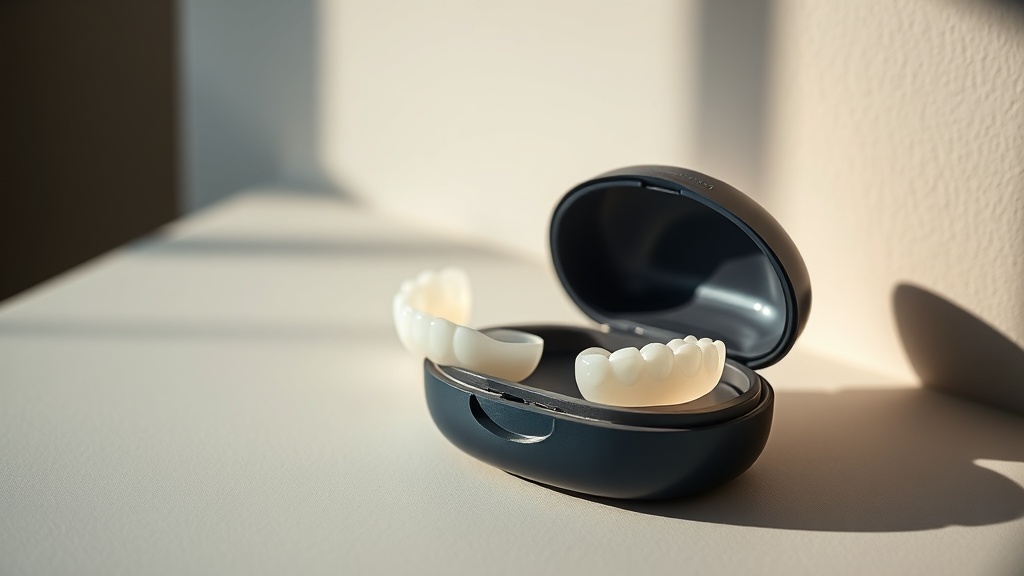
A custom night guard is made from an impression of your teeth — the fit and materials are what you pay for.
What the research says about value
Every claim below maps to a named, peer-reviewed source in the Sources section. According to PubMed.
| Claim | Evidence | Source |
|---|---|---|
| Dentist-prescribed self-care — education, jaw rest, thermal packs and gentle exercise — matched both a hard splint and a soft mouthguard for jaw symptoms at 3, 6 and 12 months. | 200-subject randomised controlled trial. | Truelove et al., 2006 |
| A Cochrane review found insufficient, very-low-certainty evidence that occlusal splints reliably relieve jaw-joint symptoms — so a pricier guard is not a guaranteed symptom fix. | Cochrane systematic review. | Singh et al., 2024 |
| Splints have a legitimate role protecting teeth from grinding wear, but irreversible bite adjustments have no basis in evidence. | Clinical review. | Beddis et al., 2018 |
| Bruxism (grinding and clenching) affects roughly 22% of adults — the reason night guards are such a common purchase. | Systematic review and meta-analysis. | Zielinski et al., 2024 |
| In healthy people, bruxism is best understood as a behaviour rather than a disorder to be cured — a guard manages the wear, it does not stop the grinding. | International expert consensus. | Lobbezoo et al., 2018 |
Typical night guard options and prices
| Option | Typical US price | What you get |
|---|---|---|
| Stock / boil-and-bite (OTC) | ~$15 to $40 | Cheap and immediate, approximate fit, wears out sooner |
| Mail-order custom (home impression) | ~$100 to $200 | Lab-made from your mould, better fit, no dentist visit |
| Dentist-made custom guard | ~$300 to $800+ | Precise fit and durable material, adjusted to your bite in person |
| Hard vs soft material | Varies within each tier | Soft suits light grinding; hard is more durable for heavy grinders |
| Replacement over time | Recurring | Cheaper guards are replaced more often, narrowing the long-run gap |
When the pricier guard is worth it — and when it is not
The honest answer to which should I buy is: it depends, and more money is not always the better spend. If you grind heavily — waking with a sore jaw, chipping teeth, or told by a dentist that your enamel is wearing — a durable, precisely fitted dentist-made guard is easier to justify, because a loose or thin guard may not withstand the forces or may not be worn consistently if it feels bulky. It also lets a dentist check that a guard is even the right tool for your problem. On the other hand, if your grinding is mild and occasional, a well-fitting lower-cost or mail-order guard can be perfectly reasonable, and the research offers a useful reality check: for jaw comfort specifically, simple self-care measures performed as well as splints in a controlled trial, and the overall evidence that any splint reliably relieves jaw-joint symptoms is weak. In other words, you are buying tooth protection and fit, not a guaranteed cure. It is also worth remembering what a guard does not do: it shields your teeth from the wear of grinding, but it does not stop you grinding, because grinding is a behaviour, not a disease the plastic treats. Matching the guard to how hard you actually grind — ideally with a professional opinion if you are unsure — is what keeps you from either under-protecting your teeth or overpaying for more guard than you need.
Evidence you can act on.
Occasional emails — new research, new protocols, no noise.
How to choose a night guard without overpaying
A quick, honest way to land on the right option for your situation and budget. None of this treats a medical condition — it is about protecting your teeth sensibly.
- 1
Gauge how hard you grind
a few days of noticingMild, occasional clenching is a different problem from heavy nightly grinding that chips teeth or wakes you with jaw ache. The heavier and more damaging the grinding, the more a durable, well-fitted guard earns its cost.
- 2
Start with a professional opinion if unsure
one visitIf you have jaw pain, worn or chipped teeth, or simply do not know what you need, a dental check first can match the guard to the actual problem — and sometimes reveals that a simpler, cheaper measure is enough. This can save money, not just spend it.
- 3
Try a lower-cost guard for mild cases
weeksFor light, occasional grinding, a well-fitting boil-and-bite or a mail-order custom guard is a reasonable, low-risk starting point. If it fits, is comfortable enough to actually wear, and protects your teeth, it may be all you need.
- 4
Invest in custom for heavy grinding
as neededIf grinding is heavy, if cheaper guards keep wearing out, or if fit and comfort stop you wearing them, a dentist-made guard usually pays off in durability, comfort and consistent use — the guard you actually wear is the one that protects your teeth.
- 5
Factor in replacement, not just sticker price
over timeCheap guards are replaced more often, so the gap between a $30 guard swapped yearly and a longer-lasting custom one narrows over time. Think in terms of cost per year of protection, not the price on day one.
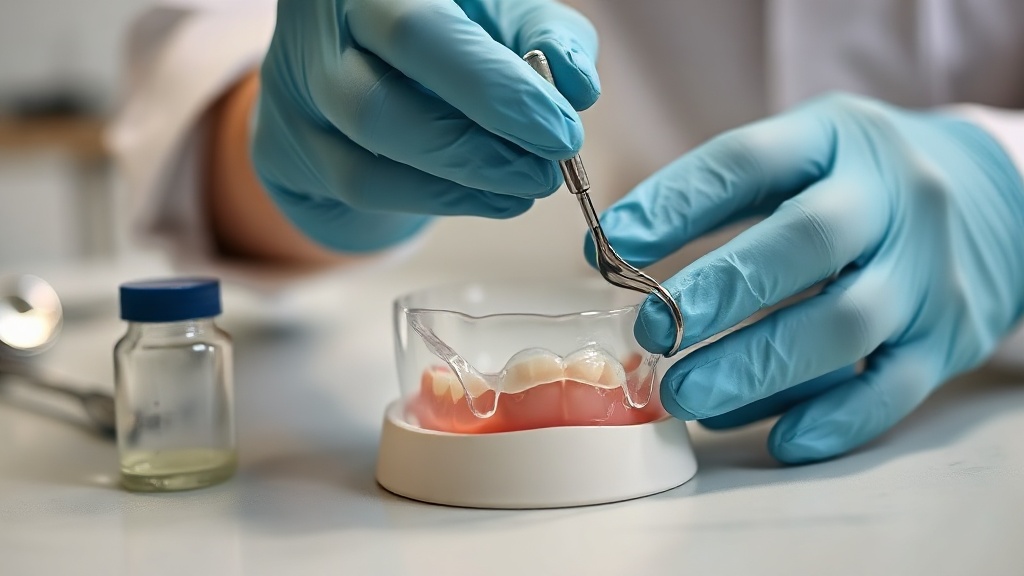
A dentist-made guard is fabricated and finished in a professional lab — the source of both its cost and its durability.
See a dentist rather than only buying a guard off the shelf if you wake with jaw pain or headaches, notice chipped, flattened or sensitive teeth, grind loudly enough to disturb a partner, or have had dental work like crowns or veneers that you want to protect. A dentist can confirm whether grinding is the issue, check for related jaw problems, and make sure a guard fits your bite correctly — an ill-fitting guard can be uncomfortable or even shift your teeth. If jaw pain is persistent, that deserves an in-person assessment in its own right.
Frequently asked questions
Sources
- 1.
- 2.
- 3.
- 4.
- 5.

Fix your breath at the source.
The complete science-backed protocol — engineered to eliminate volatile sulfur compounds at the biological source.
Start the Breath Protocol →Related reading
Educational purposes only. The content on this page is not medical advice and is not a substitute for consultation with a qualified dental or medical professional.
More from the library
 Best Of8 min
The Best Night Guards for Teeth Grinding: An Honest Guide
Custom, boil-and-bite or over-the-counter, soft or hard — an honest look at night guards for grinding, where protection is the real job.
Read →→ Guides8 min
How to Stop Grinding Teeth in Your Sleep, Naturally
Grinding your teeth at night is an involuntary, arousal-driven movement — here is what natural care can and cannot do about it.
Read →→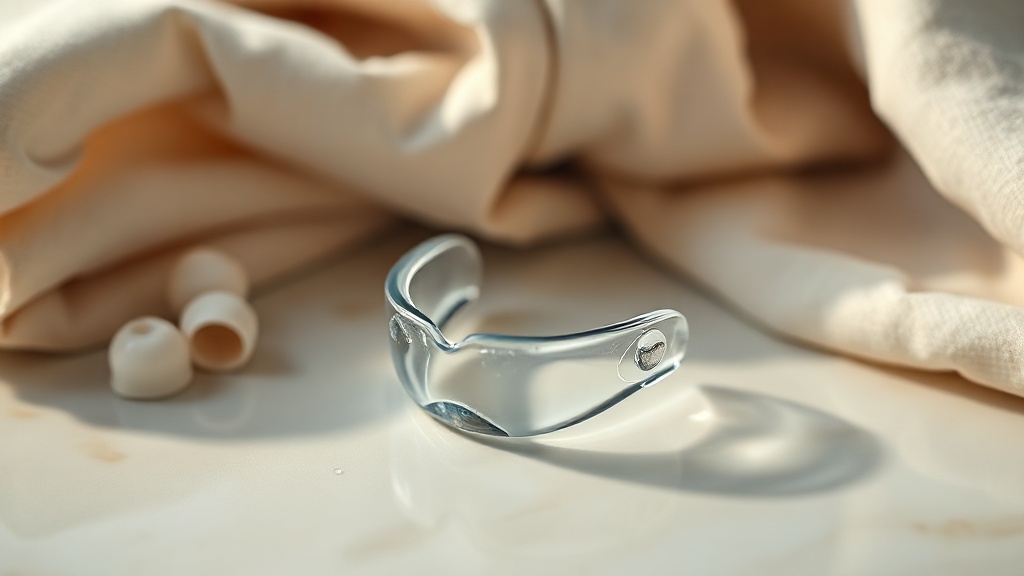 Reviews9 min
NTI Night Guard Review: Honest Look at Benefits, Risks & Cost
An honest review of the NTI anterior night guard - what it does for clenching, the bite-change risk sellers skip, and how it compares to a full night guard and self-care.
Read →→ Guides9 min
TMJ Disorder: The Complete Guide
What TMJ disorder really is, how common it is, and the conservative-care-first path most people never hear about.
Read →→ Guides8 min
Jaw Relaxation Exercises: A Step-by-Step Comfort Guide
A step-by-step down-regulation routine for a tight, clenched jaw, built on gentle relaxation rather than force.
Read →→ Guides9 min
Does Mewing Actually Work? An Honest, Evidence-Based Breakdown
The honest, evidence-based answer to whether tongue posture can reshape an adult jaw — what the research really shows, and why forcing it can backfire.
Read →→