Best Hydroxyapatite Toothpaste for Enamel: How to Pick
If your goal is specifically to strengthen and rebuild enamel, a few features matter more than others — here is how to pick for the surface, not the slogan.
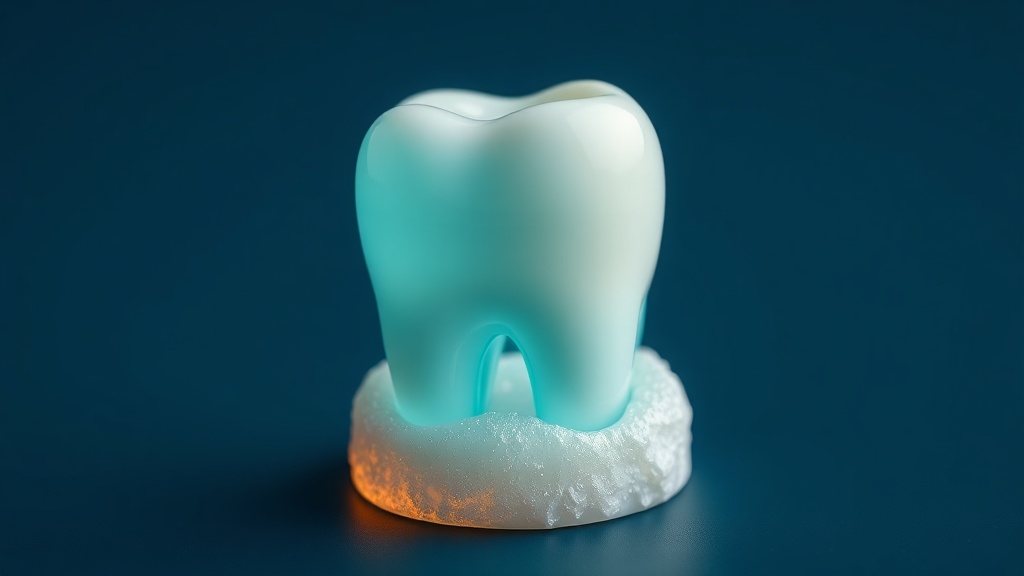
- If your specific goal is enamel, the best hydroxyapatite toothpaste is the one that maximizes surface remineralization: a meaningful concentration, low abrasivity to protect softened enamel, and ideally the ability to be left on rather than rinsed away.
- The single strongest enamel result came from a leave-on step — a 5% n-HA layer left on after brushing raised remineralization from 37.7% to 58.4% versus placebo — so a paste you can spit-not-rinse has a real edge for enamel.
- Concentration in the roughly 5–10% range is where the remineralization evidence sits; below that you are paying for the word, not the effect.
- A hydroxyapatite-plus-fluoride formula is a strong enamel pick too — a 24-month children''s trial inactivated about 74% of active lesions — while fluoride-free hydroxyapatite matched 1,450 ppm fluoride in adults.
- This is enamel support and prevention on early, non-cavitated surfaces — a genuinely softened white spot can remineralize, but a cavitated tooth cannot, and no best-of pick changes that.
For enamel specifically, prioritize three things: a real concentration of nano-hydroxyapatite (about 5–10%), low abrasivity so you are not scrubbing away softened enamel, and a spit-don''t-rinse or leave-on design, since leaving hydroxyapatite on the surface produced the strongest remineralization result. Fluoride-free or hydroxyapatite-plus-fluoride both work; choose by your decay risk.
What makes a toothpaste good for enamel specifically
Choosing for enamel is a narrower question than choosing a toothpaste in general, and it changes what matters. Your aim is to move the balance on the tooth surface toward remineralization — re-depositing calcium-phosphate mineral into the microscopic pores that acid opens up in softened enamel. Mature enamel is about 96% mineral and has no living cells, so it cannot heal from within; the only non-invasive route is rebuilding crystals at the surface from calcium and phosphate. That single fact drives every criterion. First, the paste needs enough hydroxyapatite to supply mineral, which is why the studied 5–10% range matters. Second, it should be gentle, because a highly abrasive paste scrubs away the very softened layer you are trying to rebuild — abrasion and remineralization pull in opposite directions. Third, and most overlooked, contact time helps: the strongest enamel result in the literature came not from a special formula but from leaving a hydroxyapatite layer on the teeth instead of rinsing it off. So the best enamel pick is less about a hero brand and more about a paste that delivers mineral, treats the surface kindly, and lets you keep it in contact with the teeth.
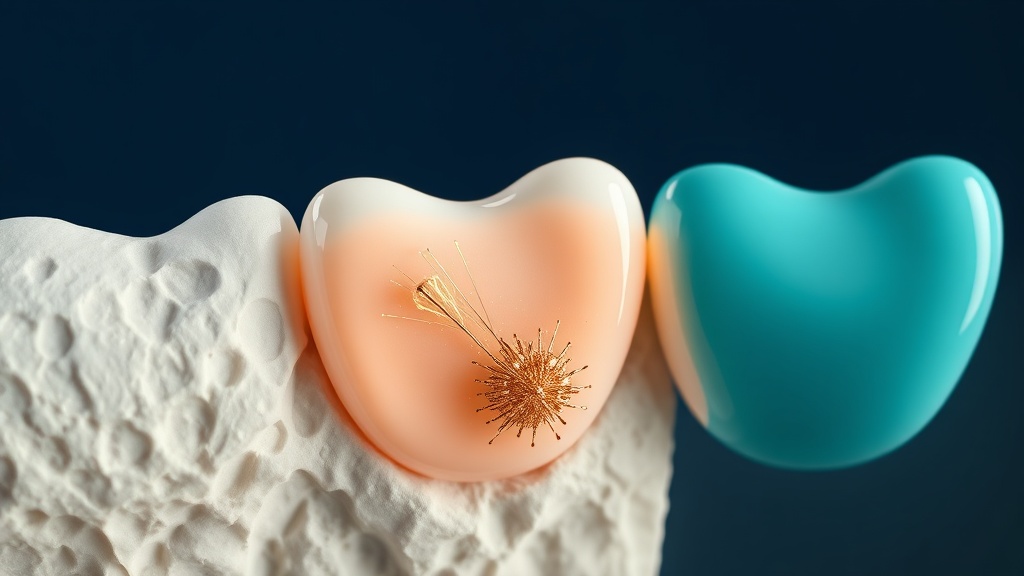
For enamel, the goal is mineral delivered gently and kept in contact — a softened surface knitting back into a smooth, harder layer.
What the enamel evidence shows
Every claim below maps to a named, peer-reviewed source in the Sources section. According to PubMed.
| Claim | Evidence | Source |
|---|---|---|
| A 5% n-HA leave-on layer after brushing raised remineralization from 37.7% to 58.4% versus placebo — the strongest signal for a spit-don''t-rinse or leave-on step. | In-situ randomized remineralization study. | Amaechi et al., 2021 |
| 5% and 10% n-HAP remineralized early enamel lesions about as well as 1,100 ppm fluoride — the basis for the 5–10% concentration target. | 28-day in-situ crossover study. | Najibfard & Amaechi, 2011 |
| A hydroxyapatite-fluoride toothpaste inactivated about 74% of active lesions over 24 months in a triple-blind children''s trial — a strong combined-formula enamel result. | 24-month triple-blind RCT (610 children). | Butera/Campus et al., 2025 |
| About 79.6% of lesions that looked advanced on X-ray were still non-cavitated — many early enamel spots are genuinely candidates for remineralization, not drilling. | Tooth-separation validation study. | Nascimento et al., 2020 |
| Once enamel cavitates it cannot repair itself — the hard ceiling on what any enamel toothpaste can do. | Review of enamel remineralization limits. | Liu et al., 2022 |
Enamel priorities, ranked
| Feature to look for | Why it matters for enamel | How much it matters |
|---|---|---|
| Spit-don''t-rinse or leave-on design | Contact time drove the biggest remineralization result | High |
| 5–10% (nano) hydroxyapatite | This is where the enamel remineralization evidence sits | High |
| Low abrasivity | Aggressive scrubbing removes the softened layer you want to rebuild | High |
| Fluoride included (optional) | Adds a more acid-resistant surface; strong combined-formula results | Medium — depends on your decay risk |
| Sensitivity or xylitol extras | Comfort and a modest plaque-acid benefit, not core to enamel | Low to medium |
Fluoride-free or fluoride-paired — for enamel, both can be right
For enamel specifically, you do not have to treat fluoride-free and fluoride as rivals. The remineralization evidence gives both a real place. On the fluoride-free side, a well-formulated hydroxyapatite paste matched 1,450 ppm fluoride over 18 months in adults, so if you prefer to skip fluoride you are not sacrificing your enamel to do it. On the combined side, a hydroxyapatite-plus-fluoride toothpaste inactivated roughly 74% of active lesions over two years in children, and fluoride brings something hydroxyapatite alone does not: remineralized enamel formed with trace fluoride is more acid-resistant than the original surface, which helps it hold up against the next acid attack. The honest framing is that hydroxyapatite is as good as fluoride for rebuilding mineral, graded at low certainty, and fluoride adds durability against future acid. So the best enamel pick depends on your decay risk. Lower-risk mouths that want fluoride-free can choose it with confidence; higher-risk mouths, or anyone whose dentist flags active lesions, are well served by including fluoride. Either way, concentration, gentleness and contact time are what turn the tube into rebuilt surface.
Evidence you can act on.
Occasional emails — new research, new protocols, no noise.
How to choose — and use — the best one for your enamel
Picking is half the job; using it in the way the enamel evidence rewards is the other half. None of this treats a disease — it supports the surface.
- 1
Prioritize a leave-on-friendly paste
when you buyChoose a formula pleasant enough to spit but not rinse, or one explicitly designed as a leave-on. That contact-time habit is what produced the biggest remineralization gain.
- 2
Confirm the concentration
when you buyCheck for 5–10% hydroxyapatite or nano-hydroxyapatite named high on the ingredients. That band is where the enamel remineralization evidence lives.
- 3
Keep abrasivity low
when you buySkip gritty whitening pastes. For enamel you want gentle; abrasion works directly against the softened surface you are trying to rebuild.
- 4
Decide the fluoride question by risk
onceFluoride-free is fine for lower-risk mouths; include fluoride if you or your dentist consider you higher-risk or you have active lesions. Both are legitimate enamel choices.
- 5
Brush gently, spit, and leave it on at night
twice dailyTwo unhurried minutes with a soft brush, then spit without rinsing — and if you can, a dab left on before bed when saliva is lowest mirrors the leave-on evidence most closely.
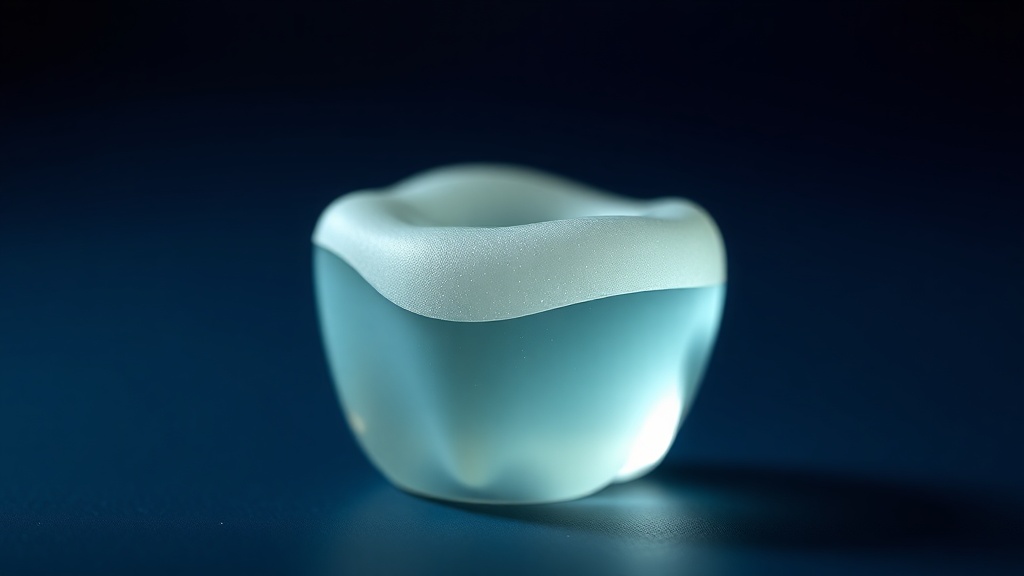
Spit, do not rinse — leaving a thin hydroxyapatite film on the enamel is the single habit the evidence rewards most.
The best enamel toothpaste still cannot diagnose or repair a cavity. If you see a white, brown or chalky spot that persists, any pit or hole, a surface you can catch with a fingernail, or new sensitivity, have a dentist stage it. Early, non-cavitated spots are exactly what hydroxyapatite can help; a cavitated tooth needs professional care, and trying to remineralize an open tooth at home can let decay progress unseen.
Frequently asked questions
Sources
- 1.
- 2.
- 3.
- 4.
- 5.
- 6.
- 7.
- 8.
- 9.

Fix your breath at the source.
The complete science-backed protocol — engineered to eliminate volatile sulfur compounds at the biological source.
Start the Breath Protocol →Related reading
Educational purposes only. The content on this page is not medical advice and is not a substitute for consultation with a qualified dental or medical professional.
More from the library
 Ingredients8 min
Hydroxyapatite Toothpaste: How It Remineralizes and Strengthens Enamel
The mineral your enamel is already made of, in a tube: what nano-hydroxyapatite does to the tooth surface, what the evidence shows, and where it stops.
Read →→ Best Of8 min
How to Choose the Best Hydroxyapatite Toothpaste
Skip the marketing and pick on the three things the research says actually matter.
Read →→ Best Of8 min
Hydroxyapatite Toothpaste Brands: How to Compare and Choose
Every credible brand rests on the same evidence — so here is what actually separates one hydroxyapatite toothpaste from the next, and how to match a pick to your mouth.
Read →→ Guides8 min
Does Hydroxyapatite Toothpaste Work? What the Evidence Shows
The fluoride-free ingredient dentists keep debating, measured against the actual clinical trials.
Read →→ Answers8 min
How to Get Rid of White Spots on Teeth: Your Options, Ranked
An honest, evidence-based ladder of options, from what you can do at home to what only a dentist can fix.
Read →→ Ingredients8 min
Hydroxyapatite Toothpaste Benefits: What the Evidence Actually Supports
A calm, science-first look at what hydroxyapatite toothpaste can genuinely do for your enamel, and where the evidence stops.
Read →→