The Best Cordless Water Flosser
A feature-first buyer's guide to picking a cordless water flosser you will actually use, judged by what the evidence says matters.
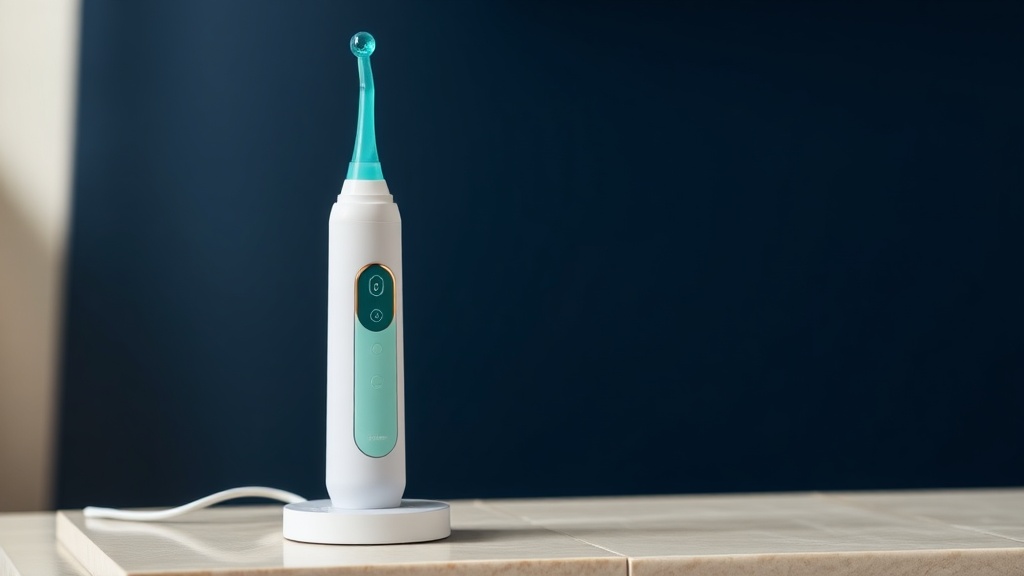
- The best cordless water flosser is the one you will actually use daily; portability and comfort matter more than a spec sheet, because consistency is what clears the debris behind bad breath.
- Cordless models trade tank size for portability: most hold roughly 150 to 300 ml, enough for a 45 to 60 second pass, so a smaller tank means a quick refill rather than a dealbreaker.
- Look for a usable pressure range with a genuine low setting, at least two or three tips, and a battery that holds a week or more of daily use.
- Clinical trials show water flossing plus brushing is an effective way to control gum inflammation and clear interdental debris, which supports fresher breath.
- No device cures halitosis; a water flosser works best alongside tongue cleaning, brushing and hydration, and any product making a cure claim is overselling.
The best cordless water flosser balances portability, a comfortable low-to-high pressure range, a tank large enough for one pass, and a battery that lasts about a week of daily use. Features matter less than daily consistency: the model you will genuinely reach for every day is the one that supports fresher breath.
How a cordless water flosser works
A water flosser cleans between the teeth with a pulsating jet of water rather than a strand of floss. A small pump drives the water, the pulse loosens the sticky biofilm on the tooth surface, and the flow flushes out the trapped food and bacteria that anaerobes turn into the volatile sulfur compounds behind bad breath. A cordless model packs that pump and a rechargeable battery into the handle, so there is no cord and no need for counter space beside an outlet. The trade-off is the tank: a handheld reservoir holds less water than a countertop unit, typically enough for one 45 to 60 second pass before a refill. For most people that is a fair swap, because the real benefit of any flosser comes from using it every day, and a device that travels, fits a small bathroom and charges by USB is far likelier to become a daily habit than a bulky one that sits unused.
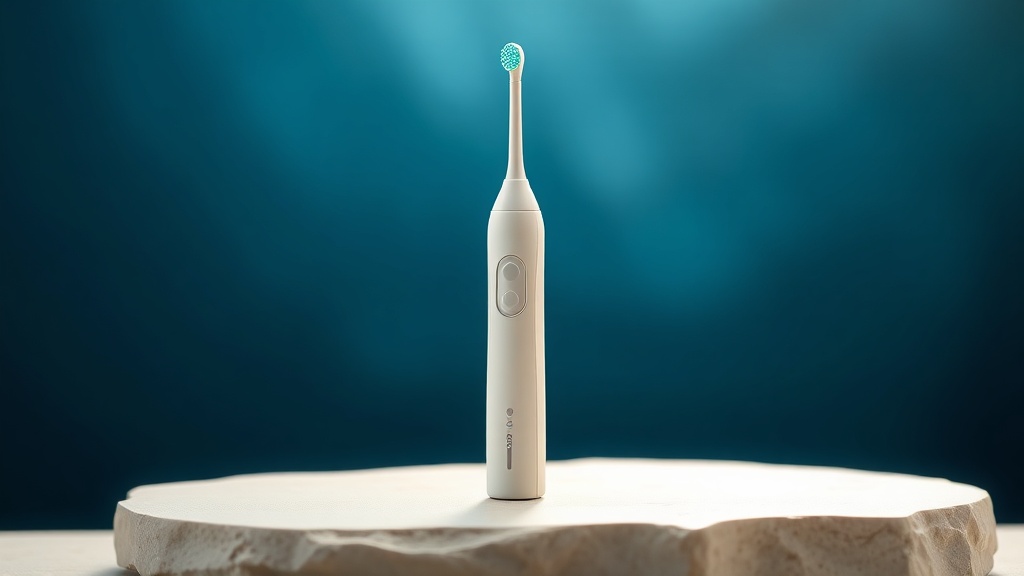
Cordless design trades a large reservoir for portability, and portability is what turns a water flosser into a daily habit.
What the research actually shows
Every claim below maps to a named, peer-reviewed source in the Sources section. According to PubMed.
| Claim | Evidence | Source |
|---|---|---|
| Over 4 weeks, a water flosser plus manual toothbrush significantly reduced whole-mouth bleeding on probing (0.41) more than string floss plus brushing (0.19), an effective regimen for controlling gum inflammation. | Single-blind RCT, 105 participants. | Mancinelli-Lyle et al., Int J Dent Hyg 2023 |
| Around 80 to 90% of bad breath begins in the mouth, mainly from bacteria between the teeth and on the tongue, so interdental cleaning targets a genuine source. | Clinical review of halitosis. | Scully & Porter, BMJ 2008 |
| Volatile sulfur compounds from anaerobic bacteria drive mouth odour, and they arise from the trapped proteins that flushing removes. | Review of the microbiology and treatment of halitosis. | Loesche & Kazor, Periodontol 2000, 2002 |
| The overall certainty of evidence for halitosis interventions is low to very low, so a water flosser is best framed as support for fresh breath, not a cure. | Cochrane systematic review of interventions for managing halitosis. | Kumbargere Nagraj et al., Cochrane 2019 |
Cordless water flosser types, compared
| Type | Tank and runtime | Best for | Main trade-off |
|---|---|---|---|
| Cordless compact / travel | Small tank, one short pass | Travel, small bathrooms, sharing a shelf | Frequent refills mid-session |
| Cordless standard | Mid tank, a full pass | Everyday home use without counter clutter | Battery needs periodic recharging |
| Countertop (corded) | Large reservoir, long runtime | Longest sessions and busy families | Needs counter space and an outlet |
| Cordless with extra tips | Varies by model | Braces, implants and sensitive gums | Costs more and more tips to store |
What separates a good one from a gimmick
Marketing leans hard on big pressure numbers and vague promises of a deep clean, but a handful of practical features are what actually decide whether a cordless flosser earns its place. First is a genuine low pressure setting, not just a high ceiling; sensitive gums need a gentle option or the device gets shelved. Second is tip variety: a standard jet tip covers most people, while orthodontic and periodontal tips help around braces, bridges and gum pockets. Third is battery life and charging, ideally a week or more of daily use and a waterproof USB charge so a bathroom splash is harmless. Fourth is a well-sealed reservoir that does not leak in a wash bag. Notice what is not on the list: any claim to cure bad breath, whiten teeth or reverse gum disease. Those are red flags. A water flosser is a mechanical cleaning tool, and the honest promise is cleaner spaces between the teeth, which supports fresher breath when paired with the rest of a good routine.
Evidence you can act on.
Occasional emails — new research, new protocols, no noise.
How to choose your cordless water flosser
Work through these six checks in order and you will land on the right model for your mouth and your routine, not the flashiest one on the shelf.
- 1
Decide where and how you will use it
onceBe honest about your bathroom and your travel habits. If counter space is tight or you are often away, a compact cordless wins. If you have room and want the longest sessions, a countertop unit may suit better, but only if it will not go unused.
- 2
Check for a real low pressure setting
onceA wide pressure range is only useful if the bottom of it is gentle. If you have sensitive or bleeding-prone gums, prioritise a model with a soft starting setting over one boasting the highest maximum pressure.
- 3
Weigh tank size against your patience for refills
onceA larger tank means fewer interruptions but a bulkier handle. If a mid-session refill does not bother you, a compact tank is a fine trade for portability.
- 4
Count the tips it includes
onceA standard tip suits most people. If you wear braces, have implants or a bridge, or manage gum pockets, look for orthodontic and periodontal tips in the box so you are not buying extras later.
- 5
Check battery life and charging
onceAim for a battery that lasts at least a week of daily use, and a waterproof or USB charging design so charging in a damp bathroom is safe and simple.
- 6
Match it to your routine, not the marketing
onceIgnore cure claims and dramatic before-and-after language. The best device is the one that fits your habits so well that you use it every day, because daily use is what clears the debris that feeds odour.
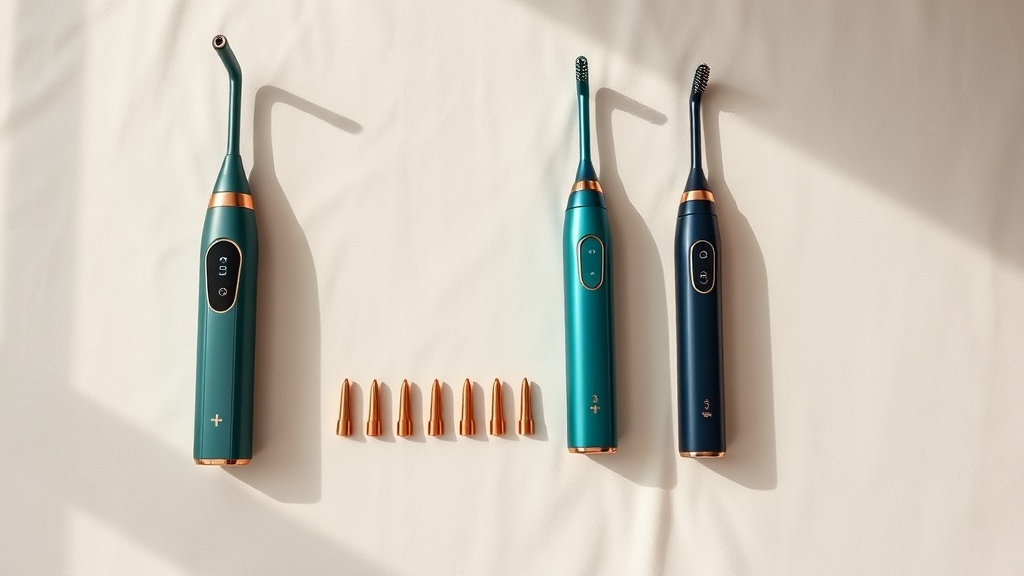
Choose by feature, not brand: pressure range, tip set, tank and battery tell you more than the name on the box.
If your gums bleed persistently, you have braces or implants and are unsure which tip to use, or bad breath continues despite a consistent routine, check in with a dentist or hygienist. They can recommend the right tip and pressure for your mouth and rule out gum disease or dry mouth that no device alone will fix.
Frequently asked questions
Sources
- 1.
- 2.
- 3.
- 4.

Fix your breath at the source.
The complete science-backed protocol — engineered to eliminate volatile sulfur compounds at the biological source.
Start the Breath Protocol →Related reading
Educational purposes only. The content on this page is not medical advice and is not a substitute for consultation with a qualified dental or medical professional.
More from the library
 Answers8 min
How to Use a Water Flosser: A Step-by-Step Guide for Fresh Breath
A practical, step-by-step technique guide to getting the most fresh-breath benefit from an oral irrigator.
Read →→ Guides9 min
How to Fix Bad Breath: A Practical, Step-by-Step Action Plan
The practical fix-it plan: four everyday moves — tongue, teeth, hydration, and microbiome — that target where bad breath actually starts.
Read →→ Best Of8 min
The Best Mouthwash for Bad Breath, by Active Ingredient
There is no single winner, only the right rinse for the right job. Here is how the active ingredients compare on the evidence, and which suits everyday fresh breath.
Read →→ Best Of9 min
Best Toothpaste for Bad Breath: What Ingredients Actually Matter
The active ingredient, not the brand on the tube, decides whether a toothpaste actually helps freshen your breath.
Read →→ Guides8 min
How to Get Rid of Bad Breath Permanently: An Evidence-Based Plan
The honest version: "permanently" means ongoing control, not a one-time fix. Here is the daily routine the research actually supports, and when to get help.
Read →→ Guides7 min
Bad Breath Even After Brushing? The Biological Reason (and Fix)
You brushed, flossed and rinsed — and the smell is still there. The reason usually isn't hygiene; it's where the odour-causing bacteria actually live.
Read →→