How Long Does Dental Bonding Last?
How many years composite bonding usually lasts, what wears it down, and the daily habits that help it go the distance.
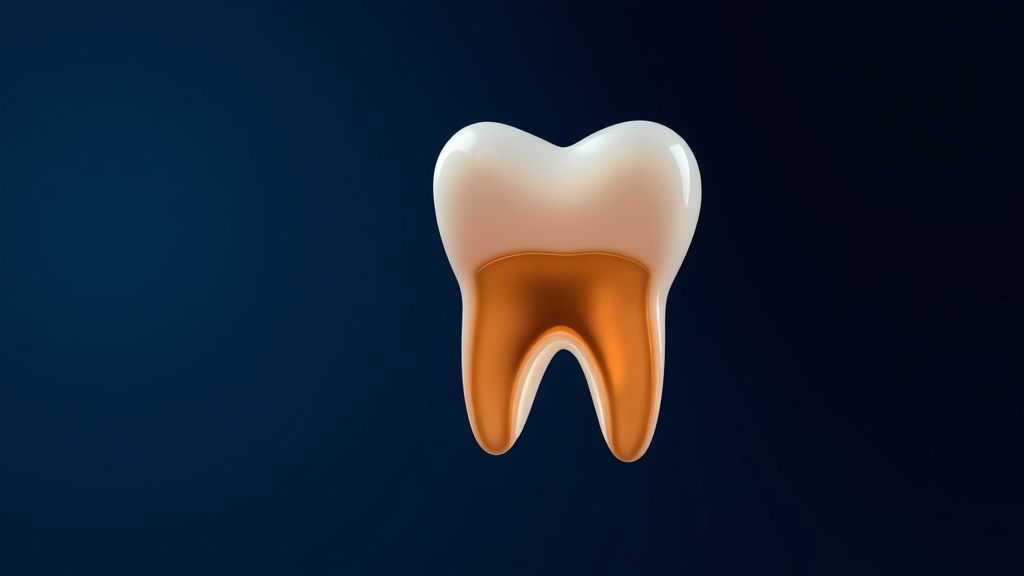
- Composite (resin) bonding typically lasts around five to ten years, but that is an average, not a guarantee - real lifespans in studies range from a couple of years to well over a decade depending on the tooth, the bite, and the habits around it.
- Front-tooth bonding placed for small repairs tends to last longest; larger cosmetic build-ups and the edges that take the force of biting wear out sooner.
- The most common way bonding ends is chipping or fracture, followed by staining at the margins and new decay forming where the bonding meets the tooth.
- Bonding is a repairable material - a chipped area can often be patched or re-polished rather than fully replaced, which is why many people keep the same bonding for years with occasional touch-ups.
- How long yours lasts is only partly in your hands: you cannot change how it was placed, but you can protect it by avoiding nail-biting and ice-chewing, wearing a night guard if you grind, and keeping the margins clean.
Composite dental bonding usually lasts about five to ten years, though published survival data range widely, from a few years to over a decade. Small front-tooth repairs last longest; large cosmetic build-ups and biting edges wear fastest. Chipping is the top reason it fails, but bonding is often repairable rather than fully replaced.
What dental bonding actually is - and why it wears
Dental bonding is tooth-coloured composite resin: a soft, mouldable plastic packed with fine glass filler that a dentist sculpts onto the tooth, hardens with a curing light, and polishes to match. That is its strength and its weakness. Because it is applied and shaped by hand in a single visit, it is fast, conservative, and repairable. But composite is softer and more porous than natural enamel or a lab-made ceramic, so it gradually abrades against opposing teeth, picks up stain at its edges, and can chip under a sharp load. Its lifespan is really a race between four processes: fracture, surface wear, staining at the margin, and new decay creeping in where the resin meets the tooth. In a systematic review of anterior composite restorations, the overall failure rate was about 24 percent, with annual failure rates spanning zero to roughly four percent and survival ranging from just over half to nearly all restorations still in place - and fracture of the tooth or the restoration was the single most common reason bonding failed. That spread is the honest headline: bonding does not have one fixed expiry date, it has a range shaped by where it sits and how it is treated.
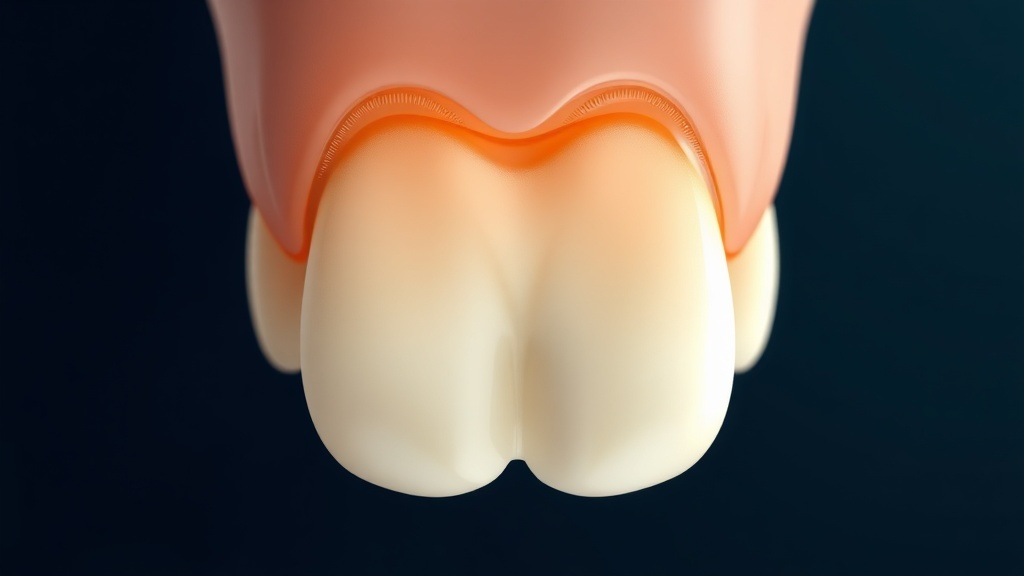
Bonding is composite resin fused to enamel - softer and more porous than the tooth beneath, which is why it wears, stains, and can chip over the years.
What the research actually shows
Every claim below maps to a named, peer-reviewed source in the Sources section. According to PubMed.
| Claim | Evidence | Source |
|---|---|---|
| Across anterior composite restorations the overall failure rate was about 24%, with annual failure rates of 0-4.1% and survival from 53.4% to 100%; fracture was the most common reason for failure. | Systematic review of 17 clinical studies (1,821 restorations). | Demarco et al., 2015 |
| Direct composite veneers had annual failure rates around 3.9-4.1% over 5-10 years, while ceramic veneers lasted significantly longer. | 10-year practice-based study of 1,459 veneers. | Mazzetti et al., 2022 |
| Recurrent (secondary) caries was the leading reason restorations failed, accounting for about 36.5% of failures - decay at the margin, not the material giving out. | Systematic review of restoration survival (31 studies). | Chisini et al., 2018 |
| Toothpaste with 1,000-1,500 ppm fluoride reduces caries with a dose-response - the everyday protection for the enamel margins where bonding tends to fail. | Cochrane systematic review. | Walsh et al., 2019 |
What affects how long it lasts
| What affects lifespan | Why it matters | Can you change it? |
|---|---|---|
| Where the bonding sits | Biting edges and large cosmetic build-ups take more force and wear faster than small, protected repairs | No - but your dentist chooses placement |
| Your bite and grinding | Clenching and grinding (bruxism) overload the resin and chip it | Partly - a night guard helps |
| Habits like nail-biting, ice, opening packets | Sharp point loads crack the edge of bonding | Yes |
| Coffee, red wine, tea, tobacco | Composite is porous and picks up stain at the margins over time | Partly |
| Margin hygiene | Plaque and new decay where bonding meets tooth is a top failure route | Yes - clean the margins well |
Why '5 to 10 years' hides a wide range
An average is a comforting number, but it flattens a lot of real variation. A tiny chip repair on a canine that never takes a heavy bite can quietly last well beyond a decade, while a full set of cosmetic edges rebuilt on someone who grinds at night may need attention in just a few years. The studies bear this out - survival for anterior composite ranged from barely over half to essentially all restorations still serving, and small Class III repairs consistently outlasted large build-ups and veneers. Three levers explain most of the difference. The first is load: the more force and the sharper the edge, the higher the fracture risk. The second is the tooth itself and the person - grinding, an uneven bite, and habits like nail-biting all shorten the odds. The third, and the most encouraging, is that bonding is repairable. Unlike a cracked crown, a chipped composite can often be re-bonded, patched, or polished in a short visit, so the practical lifespan of your bonding is frequently 'as long as you keep maintaining it' rather than a single hard stop. The realistic mindset is to treat bonding as a durable but maintainable material, not a permanent one.
Evidence you can act on.
Occasional emails — new research, new protocols, no noise.
How to make your bonding last
You cannot change how the bonding was placed, but a few honest habits tilt the odds toward the longer end of that range. None of this treats a disease - it simply protects the material and the tooth beneath it.
- 1
Protect the edges from point loads
every dayThe fastest way to end bonding early is a sharp, concentrated force on its edge. Do not bite your nails, chew ice, hold pins, or tear open packets with a bonded tooth. These point loads are what crack composite even when everyday chewing would not.
- 2
Guard against grinding
nightly if neededIf you clench or grind - many people do it in their sleep without knowing - the constant overload wears and chips resin. A custom night guard spreads that force off the bonding. Ask your dentist whether wear on your teeth suggests you need one.
- 3
Keep the margins spotless
twice dailyDecay at the seam where bonding meets tooth is one of the top reasons restorations fail. Brush gently twice a day and clean carefully along the margins; a fluoride or hydroxyapatite toothpaste supports the enamel right at that vulnerable join.
- 4
Go easy on stain
as neededComposite is porous and slowly picks up colour, especially at the edges. You do not need to give up coffee, tea, or red wine - just rinse with water afterwards, and know that gradual staining is a normal reason bonding gets refreshed.
- 5
Get small chips looked at early
as they appearA tiny chip caught early can usually be patched or re-polished; left alone, it can grow, catch food, and force a full replacement. Because bonding is repairable, prompt small fixes are what let one set of bonding last for many years.
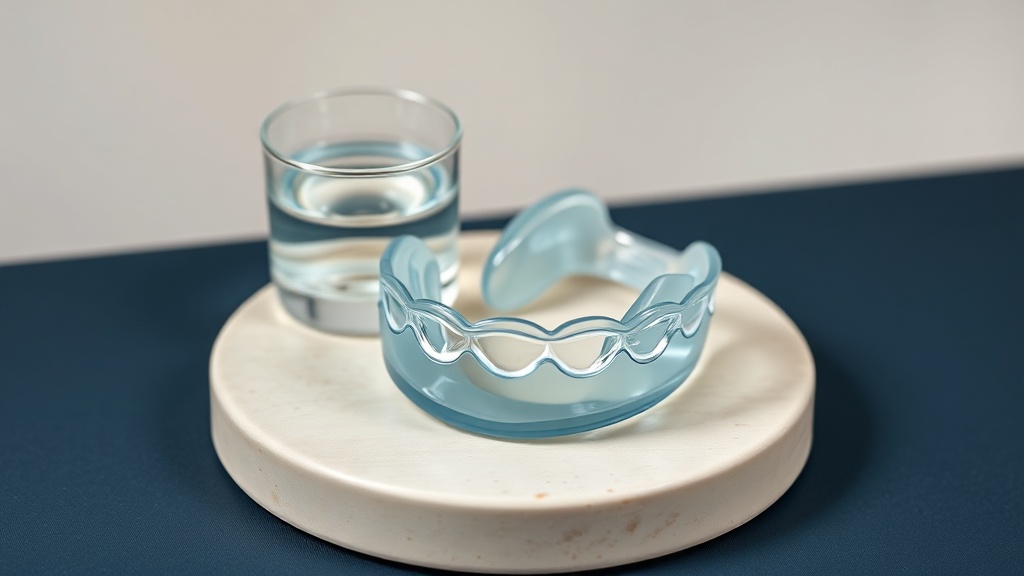
Protecting bonding from grinding and point loads - and cleaning its margins - is what pushes its lifespan toward the longer end of the range.
Bonding is a dental procedure, and only a dentist can place, repair, or assess it. See a dentist if a bonded tooth chips, feels rough or catches floss, develops a dark line at the margin, becomes sensitive, or if you notice grinding wear on your teeth. Only a professional can tell whether bonding needs a quick polish, a patch, or full replacement - and whether new decay has started underneath, which you cannot judge from the outside.
Frequently asked questions
Sources
- 1.
- 2.
- 3.
- 4.

Fix your breath at the source.
The complete science-backed protocol — engineered to eliminate volatile sulfur compounds at the biological source.
Start the Breath Protocol →Related reading
Educational purposes only. The content on this page is not medical advice and is not a substitute for consultation with a qualified dental or medical professional.
More from the library
 Guides9 min
Dental Bonding Cost: What Actually Drives the Price
Why bonding prices vary so much, the real cost drivers, and how to weigh long-term value - without a made-up number.
Read →→ Answers8 min
How to Remineralize Teeth: An Honest, Practical Guide
The practical routine that supports enamel remineralization, and the clear line between the early lesions it can rebuild and the decay it cannot.
Read →→ Ingredients8 min
How Fluoride Toothpaste Remineralizes Teeth
The chemistry behind fluoride's remineralizing power, and the honest line between the early lesions it can rebuild and the cavities it cannot.
Read →→ Guides8 min
White Spots on Teeth: Causes and What to Do
The two common reasons enamel turns chalky white, and the honest guide to which spots you can rebuild at home and which need professional care.
Read →→ Answers8 min
How to Get Rid of White Spots on Teeth: Your Options, Ranked
An honest, evidence-based ladder of options, from what you can do at home to what only a dentist can fix.
Read →→ Ingredients8 min
Hydroxyapatite Toothpaste Benefits: What the Evidence Actually Supports
A calm, science-first look at what hydroxyapatite toothpaste can genuinely do for your enamel, and where the evidence stops.
Read →→