Does Dry Mouth Cause Bad Breath?
Low saliva and bad breath are closely linked, and understanding the connection points straight to what helps.

- Yes, dry mouth can worsen breath, because saliva normally washes away food debris and bacteria and dilutes the odour compounds they produce.
- As the mouth becomes drier, more volatile sulphur compounds, the gases behind most bad breath, escape into mouth air, and this is measurable.
- Mouth breathing dries the tongue and palate and lets those odour volatiles escape more easily, which is a big reason morning breath is often worst.
- The link is real but not absolute: in some groups with dry mouth, measured breath odour did not neatly track dryness, so dry mouth is one contributor among several.
- The most useful moves are restoring moisture and stimulating saliva, plus reviewing any drying medications, rather than only masking the smell.
Yes. Saliva normally rinses away bacteria and food debris and dilutes the odour compounds behind bad breath, so when the mouth dries out, those volatile sulphur compounds build up and escape into the air. Mouth breathing makes it worse. Restoring moisture, stimulating saliva, and reviewing drying medications help more than masking alone.
Why a dry mouth smells
Most everyday bad breath comes from bacteria, especially on the back of the tongue, breaking down proteins and releasing volatile sulphur compounds (VSCs) such as hydrogen sulphide, the rotten-egg smell, and methyl mercaptan, a sharper odour. Saliva is your built-in defence against this. It physically washes bacteria and food debris away, dilutes the gases they make, buffers the acids that help them thrive, and carries antimicrobial proteins that keep their numbers down. When saliva falls, every one of those defences weakens at once. Research using a sulphide monitor showed that as the mouth becomes drier, more VSCs escape into mouth air and the pH on the tongue drops, tilting conditions further toward odour production. Mouth breathing compounds the problem by drying the tongue and palate directly, which both concentrates the bacteria and lets the volatiles escape into the air you exhale. That combination is exactly why breath is so often worst first thing in the morning, after hours of low overnight saliva and, for many people, an open mouth.
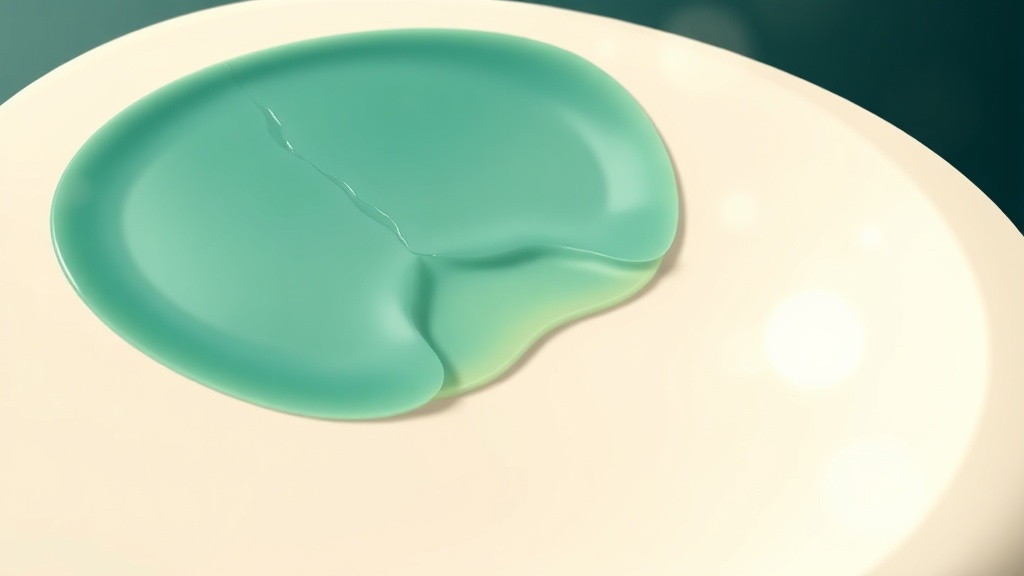
With less saliva to rinse and dilute, odour-causing bacteria and their volatile sulphur compounds build up.
What the research actually shows
Every claim below maps to a named, peer-reviewed source in the Sources section. According to PubMed.
| Claim | Evidence | Source |
|---|---|---|
| As the mouth becomes drier, more volatile sulphur compounds escape into mouth air and tongue pH falls; mouth breathing accelerates this. Some people who believe they have bad breath actually have a dry mouth. | Study using a sulphide monitor with induced dry-mouth conditions. | Kleinberg et al., Int Dent J 2002 |
| About 40% of people with bad breath have no underlying organic disease; it is physiological, driven by ordinary oral bacteria that saliva normally keeps in check. | Systematic review of halitosis and its physiological causes. | Scully and Porter, BMJ Clinical Evidence 2008 |
| The dry-mouth to odour link is not absolute: in Parkinson patients, dry mouth was far more common than in controls, yet salivary flow did not neatly correlate with measured halitosis. | Case-control study of subjective and objective halitosis with salivary measures. | Barbe et al., Gerodontology 2017 |
| Saliva protects the mouth through dilution, buffering, remineralisation and antimicrobial action, so low saliva undermines the natural defences against odour bacteria. | Narrative review of saliva physiology and oral health. | Llena-Puy, Med Oral Patol Oral Cir Bucal 2006 |
Dry-mouth breath: masking versus addressing the cause
| Approach | What it does | Lasting effect | Notes |
|---|---|---|---|
| Mint or breath spray | Covers the smell briefly | Minutes | Does nothing for dryness or bacteria |
| Sip water | Rinses and rewets tissues | Short | Simple, helpful, but temporary |
| Sugar-free gum | Stimulates your own saliva | Longer while chewing | Works if glands still respond |
| Alcohol-free moisturising rinse | Coats and freshens | Short to moderate | Avoid alcohol rinses, which dry further |
| Medication review | Reduces a drying cause | Ongoing | Highest-impact if a drug is the driver; via prescriber |
When dry mouth is not the whole reason for bad breath
Dry mouth is a common contributor to bad breath, but it is rarely the only one, and treating it as the sole cause can mislead. Research is a useful reality check here: in one study of people with Parkinson disease, dry mouth was much more common than in healthy controls, yet the amount of measured breath odour did not track cleanly with how dry the mouth was. That tells us other factors matter too, from the biofilm on the back of the tongue to tonsil stones, sinus drainage, reflux, or gum disease, none of which a moister mouth alone will fix. There is also a subtler point: some people who are convinced they have bad breath actually have a dry mouth and pseudo-malodour, or worry about a smell others do not notice. Sorting genuine odour from dryness-related sensation changes what will help, and it is a good reason to get a professional assessment rather than escalating mouthwash strength on your own. The practical takeaway is to restore moisture and stimulate saliva while also keeping up tongue cleaning and good hygiene.
Evidence you can act on.
Occasional emails — new research, new protocols, no noise.
How to freshen a dry, stale mouth
These steps target both the dryness and the bacteria behind the smell. Consistency matters more than any single product.
- 1
Rewet and rinse
through the daySip water regularly and use an alcohol-free moisturising rinse for dry stretches. Water dilutes odour compounds and rinses bacteria, while a moisturising rinse coats the tissues. Avoid alcohol-based rinses, which worsen dryness.
- 2
Stimulate your own saliva
after mealsChew sugar-free gum or use a xylitol lozenge, especially after eating. If your salivary glands still respond, this raises flow and restores some of saliva's natural rinsing and diluting action, which mints cannot do.
- 3
Clean the tongue
dailyGently clean the back of the tongue, where most odour bacteria live, as part of your routine. This tackles the bacterial side of the equation while moisture measures tackle the dryness side.
- 4
Address the underlying dryness
ongoingIf medications are drying your mouth, ask your prescriber or pharmacist about a review, since that is often the highest-impact step. Keep up fluoride and dental checkups, because dryness also raises decay risk.
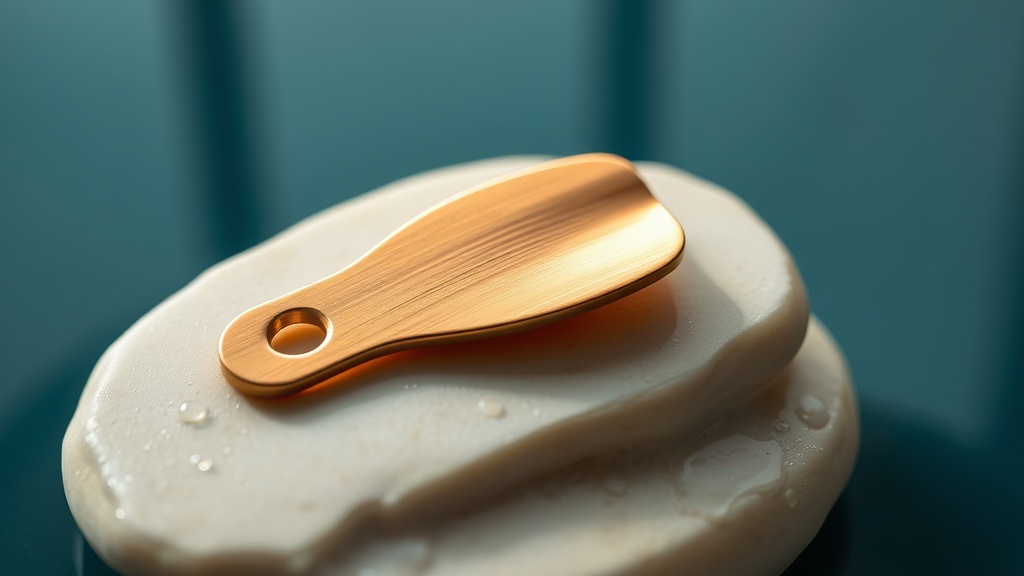
Cleaning the back of the tongue tackles the bacterial side of dry-mouth breath, alongside restoring moisture.
See a dentist or doctor if bad breath persists despite good hygiene and moisture measures, or if dry mouth comes with dry eyes, joint pain, or followed a new medication or radiotherapy. Persistent odour can stem from gum disease, tonsil stones, or other causes, and constant dryness can signal conditions such as Sjogren syndrome that need assessment.
Frequently asked questions
Sources
- 1.
- 2.
- 3.
- 4.

Fix your breath at the source.
The complete science-backed protocol — engineered to eliminate volatile sulfur compounds at the biological source.
Start the Breath Protocol →Related reading
Educational purposes only. The content on this page is not medical advice and is not a substitute for consultation with a qualified dental or medical professional.
More from the library
 Guides8 min
How to Fix Dry Mouth: An Evidence-Based Guide
Dry mouth is usually manageable once you know what is driving it and which supportive habits actually move the needle.
Read →→ Guides8 min
Dry Mouth at Night: Why It Happens and How to Sleep Easier
Nighttime dryness is common because your saliva naturally slows while you sleep, and a few targeted habits can make a real difference.
Read →→ Guides8 min
What Causes Dry Mouth? The Common Triggers, Explained
Dry mouth almost always has an identifiable trigger, and knowing yours is the first step toward relief.
Read →→ Best Of8 min
Best Mouthwash for Dry Mouth: What to Look For
The best dry-mouth rinse is the one that soothes without drying, and the label tells you more than the marketing.
Read →→ Reviews8 min
XyliMelts Side Effects: An Honest, Evidence-Based Review
An honest look at what XyliMelts adhering discs feel like overnight, what side effects people report, and where the evidence for comfort really stands.
Read →→ Answers8 min
Can You Cure Dry Mouth? What Actually Helps
Dry mouth is usually a symptom, not a disease — here is why it is managed rather than cured, and the realistic steps that bring relief.
Read →→