High-Fluoride Toothpaste for Dry Mouth
What prescription-strength fluoride toothpaste does for a dry mouth, why a dentist prescribes it, and how to use it well.
- High-fluoride toothpaste does nothing for the dry feeling itself; its job is to protect the teeth that low saliva leaves more exposed to decay.
- It is prescription-strength (commonly 5000 ppm fluoride, versus about 1350 to 1500 ppm in a standard paste), so a dentist decides whether you need it.
- The fluoride works by hardening and helping rebuild the mineral in enamel and exposed root surfaces, making teeth more resistant to acid.
- It is one tool in a bigger routine: saliva support for comfort, sugar-free habits, and regular dental care all work alongside it.
- Ask your dentist rather than self-prescribing. They can confirm the strength, show you how to use it, and check the areas most at risk.
High-fluoride toothpaste is a prescription-strength paste, usually 5000 ppm fluoride, that a dentist recommends when a dry mouth raises your risk of tooth decay. It does not relieve dryness. Instead it helps harden enamel and exposed roots so teeth better resist acid. You brush with it in place of, not on top of, your usual paste.
Why a dry mouth changes the maths on decay
Saliva is the mouth's quiet defence system. It rinses away food, buffers acid after meals, and carries the minerals that constantly repair the microscopic wear on your teeth. When saliva runs low, that repair service slows down and acid lingers, which is why a dry mouth is one of the strongest risk factors for tooth decay. In one 18-month study of adults with very low saliva, low flow carried more than a fivefold higher rate of new decay. High-fluoride toothpaste steps into that gap. Fluoride works at the tooth surface, drawing calcium and phosphate back into softened enamel and exposed roots and forming a tougher, more acid-resistant mineral. A standard paste carries around 1350 to 1500 parts per million of fluoride; a prescription paste carries about 5000, and that higher dose is what makes the difference on surfaces a dry mouth leaves vulnerable. It is worth being clear about what this does and does not do. It will not make your mouth feel less dry, and it is not a stand-in for saliva. It is a targeted way to keep the teeth themselves sound while you and your dentist manage the dryness separately.
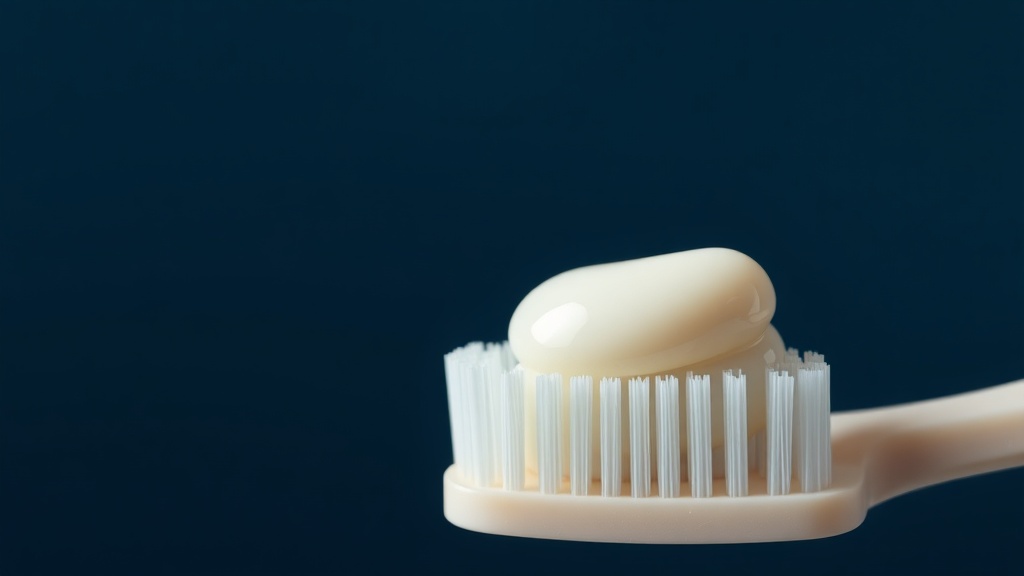
A prescription paste is used just like an ordinary one; the difference is the concentration of fluoride, not the routine.
What the research actually shows
Every claim below maps to a named, peer-reviewed source in the Sources section. According to PubMed.
| Claim | Evidence | Source |
|---|---|---|
| In people with very low saliva, low salivary flow carried more than a fivefold higher rate of new tooth decay over 18 months. | Prospective cohort of adults after stem-cell transplant. | Bulthuis et al., 2022 |
| A 5000 ppm fluoride toothpaste hardened softened root surfaces significantly better than a standard 1350 ppm paste. | Multicentre randomised controlled trial in adults. | Srinivasan et al., 2014 |
| In people with dry mouth, a fluoride varnish hardened most early root lesions, with about 90 percent becoming hard by 12 months. | Randomised controlled trial in xerostomic patients. | Sleibi et al., 2021 |
| Guidelines give a strong recommendation for topical fluoride in all Sjögren dry-mouth patients, while noting saliva flow itself has not been tied to fewer cavities. | ADA clinical practice guideline. | Zero et al., 2016 |
| After head and neck radiotherapy, about 1 in 3 people develop new decay within two years, showing what low saliva can do to teeth. | Systematic review of 22 studies. | Moore et al., 2019 |
How the fluoride options compare
| Option | How it helps teeth in a dry mouth | Who provides it |
|---|---|---|
| Standard 1350-1500 ppm toothpaste | Everyday fluoride; a sensible baseline for most people | Over the counter |
| High-fluoride 5000 ppm toothpaste | Hardens and helps rebuild enamel and exposed roots; studied on softened root surfaces | Dentist-prescribed |
| Fluoride varnish | Concentrated coat that hardens early root lesions; applied in the chair | Dentist-applied |
| Silver diamine fluoride | Can arrest existing soft spots and lower the rate of new root cavities; can stain teeth | Dentist-applied |
| Sugar-free xylitol gum or mints | Keeps saliva moving and is tooth-friendly; comfort, not a fluoride | Over the counter |
Honest limits, and why it is prescription-only
High-fluoride toothpaste has a strong evidence base for hardening teeth, but a few honest points keep expectations right. First, guidelines that strongly recommend topical fluoride for dry-mouth patients also note that raising saliva has not, by itself, been shown to reduce cavities, so fluoride is doing the protective work, not the saliva. Second, the benefit depends on you: in a study of 572 people at high risk after radiotherapy, sticking with daily fluoride was among the strongest factors that lowered new decay, which means the paste only helps if it is used consistently. Third, this is a prescription product for a reason. The higher dose means it is meant for adults whose risk justifies it, kept away from young children, and matched to your mouth by a professional. For soft spots already forming, a dentist may add an in-chair varnish or silver diamine fluoride, which can arrest existing lesions and lower the rate of new root cavities. None of this cares for a disease or replaces medical advice about why your mouth is dry; it is structure-and-surface protection for your teeth, prescribed and supervised.
Evidence you can act on.
Occasional emails — new research, new protocols, no noise.
How to use high-fluoride toothpaste well
Prescription paste rewards a slightly different technique from the ordinary tube. Follow your dentist's exact instructions; the steps below are the common shape of that advice.
- 1
Get it from your dentist
one visitBecause it is prescription-strength, start with a dental check. Your dentist confirms you need it, points out the surfaces most at risk, and writes the prescription.
- 2
Use it in place of your usual paste
twice dailyBrush with the high-fluoride paste morning and night instead of, not in addition to, your standard toothpaste, unless told otherwise. A pea-sized amount is plenty.
- 3
Spit, do not rinse
after brushingSpit out the excess but skip the water rinse afterwards. Leaving a thin film of fluoride on the teeth is what lets it keep working, which matters even more when saliva is low.
- 4
Pair it with saliva comfort
through the dayThe paste protects teeth but does nothing for dryness. Sip water, use sugar-free xylitol gum or mints, and consider a saliva spray or gel for the dry feeling itself.
- 5
Keep it away from children
alwaysStore it out of reach of young children, who should not use this strength. Follow the label and your dentist's age guidance closely.
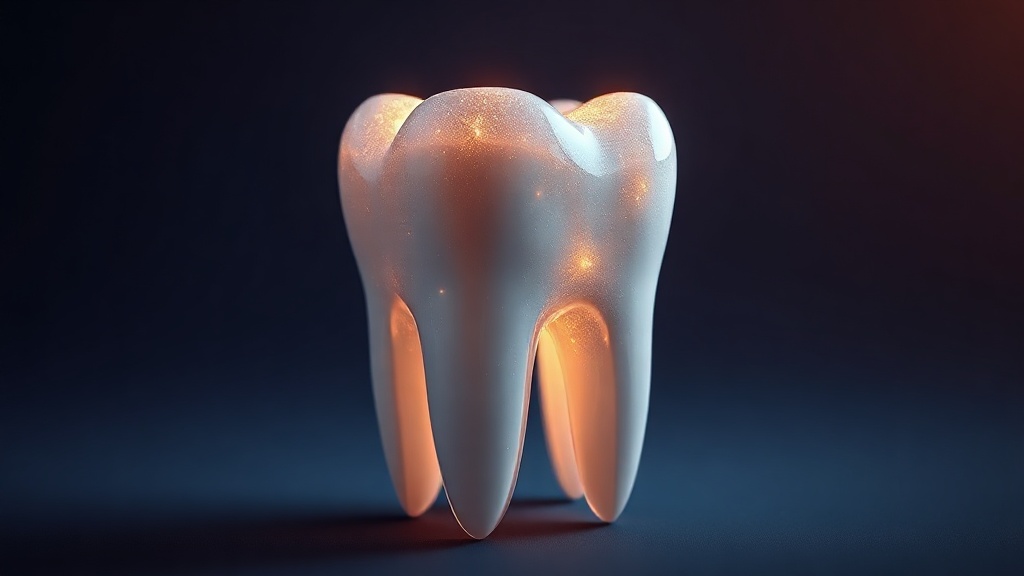
Fluoride works at the surface, drawing minerals back into softened enamel and roots so teeth better resist acid.
High-fluoride toothpaste is a dentist's call, so a visit is the starting point rather than an afterthought. See your dentist if your mouth is often dry, if you are noticing new sensitivity, chalky patches or cavities, or if dryness began after a new medication. Ask which fluoride strength suits you and how often to have your teeth checked. Never stop or change a prescribed medicine on your own to ease dry mouth; your prescriber can look at safer options. A dry mouth with rising decay risk is exactly the situation professional guidance is built for.
Frequently asked questions
Sources
- 1.
- 2.
- 3.
- 4.
- 5.
- 6.
- 7.
- 8.

Fix your breath at the source.
The complete science-backed protocol — engineered to eliminate volatile sulfur compounds at the biological source.
Start the Breath Protocol →Related reading
Educational purposes only. The content on this page is not medical advice and is not a substitute for consultation with a qualified dental or medical professional.
More from the library
 Guides8 min
What Causes Dry Mouth? The Common Triggers, Explained
Dry mouth almost always has an identifiable trigger, and knowing yours is the first step toward relief.
Read →→ Guides8 min
How to Fix Dry Mouth: An Evidence-Based Guide
Dry mouth is usually manageable once you know what is driving it and which supportive habits actually move the needle.
Read →→ Best Of8 min
Best Mouthwash for Dry Mouth: What to Look For
The best dry-mouth rinse is the one that soothes without drying, and the label tells you more than the marketing.
Read →→ Guides9 min
Dry Mouth and Diabetes
Diabetes and dry mouth often travel together — here is the honest evidence on why, what it means for your teeth, and how to get relief alongside your diabetes care.
Read →→ Guides8 min
Dry Mouth at Night: Why It Happens and How to Sleep Easier
Nighttime dryness is common because your saliva naturally slows while you sleep, and a few targeted habits can make a real difference.
Read →→ Answers8 min
Does Dry Mouth Cause Bad Breath?
Low saliva and bad breath are closely linked, and understanding the connection points straight to what helps.
Read →→