TMJ Treatment Cost: What You Pay OTC vs Dentist (2026)
The conservative-care ladder, priced out rung by rung, with a candid note on what each option actually buys you.
- Most TMJ symptoms are managed with low-cost, conservative care; the price ladder runs from essentially free self-care to a few thousand dollars for the most involved options.
- Basic self-care — jaw rest, soft foods, warm and cold packs — costs little to nothing, and in a 200-person trial it matched a custom splint for jaw symptoms.
- A custom dental night guard typically runs $300 to $800, but the evidence that appliances reduce jaw pain is weak, so it helps to know what you are paying for.
- Physical therapy, at roughly $75 to $120 a session, is among the better-supported and better-value options for jaw comfort.
- Botox for jaw clenching ($400 to $1,200 per session, repeated every few months) is not FDA-approved for TMJ, is rarely covered, and a 2023 guideline advised against it for chronic jaw pain.
Most TMJ care is inexpensive. Basic self-care costs little to nothing, an over-the-counter night guard runs about $10 to $40, a custom dental splint $300 to $800, and physical therapy $75 to $120 a session. Botox is $400 to $1,200 per visit. A typical mild case often totals well under $600.
The conservative-care ladder
There is a sensible order to spending money on jaw comfort, and it is shaped like a ladder. The bottom rungs are cheap, gentle and reversible; the top rungs are pricier, more involved and harder to undo. Most people ease their symptoms on the lower rungs and never need to climb far. That matters because jaw discomfort tends to come and go, so pouring money into an expensive fix early often means paying for more than the problem requires. The lowest rung is plain self-care — resting the jaw, softening your diet, applying warmth or cold, and easing the stress that fuels clenching — which costs almost nothing. Above that sit over-the-counter guards, then physical therapy, then a dentist-made custom splint, and finally muscle injections. Each rung buys you something specific, and the honest truth is that the cheaper rungs are often as useful as the expensive ones. Understanding the ladder is the difference between paying for comfort and paying for a label.

Start at the bottom: the cheapest, gentlest rungs ease symptoms for most people before any big spend.
What the research actually shows
Every claim below maps to a named, peer-reviewed source in the Sources section. According to PubMed.
| Claim | Evidence | Source |
|---|---|---|
| Dentist-guided self-care — education, jaw rest, thermal packs and gentle exercise — matched custom splint therapy for jaw symptoms at 3, 6 and 12 months in a 200-person trial. | Randomized controlled trial. | Truelove et al., 2006 |
| Jaw exercise therapy produced a meaningful reduction in TMD pain across 16 trials — a low-cost option supported by pooled evidence. | Meta-analysis of 16 randomized trials (812 participants). | de Melo et al., 2023 |
| A Cochrane review found only very low-certainty evidence that occlusal splints reduce TMD pain, so a custom appliance is not a guaranteed return on its higher cost. | Cochrane systematic review of 57 trials. | Singh et al., 2024 |
| A 2023 international guideline issued a recommendation against botulinum toxin (Botox) for chronic TMD pain — relevant before paying for repeat injections. | GRADE clinical practice guideline. | Busse et al., 2023 |
TMJ care options and what they cost
| Option | What it is | Typical US self-pay cost* | Honest note |
|---|---|---|---|
| Self-care basics | Jaw rest, soft foods, warm and cold packs, stress management | ~$0 to $30 | First-line; matched a custom splint in a trial |
| OTC night guard | A boil-and-bite guard from a pharmacy | ~$10 to $40 | Cushions teeth from grinding; fit and comfort vary |
| Custom dental splint | A dentist-made guard fitted to your bite | ~$300 to $800 (specialty up to $1,500+) | Better fit, but pain-relief evidence is weak |
| Physical therapy | Guided jaw and neck exercises and manual therapy | ~$75 to $120 per session | Among the better-supported, better-value options |
| Botox for clenching | Injections into the jaw muscles, repeated every 3 to 6 months | ~$400 to $1,200 per session | Not FDA-approved for TMJ; rarely covered |
What you are really paying for
The most expensive options are not automatically the most effective, and this is where an honest guide earns its keep. A custom dental splint buys you a precise fit and, if you grind at night, a cushion that protects your teeth — a genuine benefit. What it does not reliably buy is less jaw pain: the best review of the evidence rates that effect as very low certainty. Botox is a different story again. Injecting the jaw muscles can reduce the intensity of clenching for a few months, but it does not switch off whatever is driving the clench, so the effect fades and the cost recurs every few months; it is not FDA-approved for TMJ, is seldom covered by insurance, and a major 2023 guideline recommended against it for chronic jaw pain. Physical therapy, meanwhile, is one of the better-supported options and costs a fraction of a surgical route. The pattern is consistent: your money tends to go furthest on the gentle, active rungs of the ladder, and least far on the passive, pricey ones.
Evidence you can act on.
Occasional emails — new research, new protocols, no noise.
A cost-smart order to try things
Spending in this order gives most people comfort for the least money, and stops you paying for an expensive option before a cheaper one has had a fair chance. None of this treats a disorder — it simply supports everyday jaw comfort.
- 1
Start with free self-care
2 to 4 weeksRest the jaw, switch to softer foods during a flare, alternate warm and cold packs, and notice when you clench during the day. This rung costs almost nothing and, in trials, has held its own against a custom appliance.
- 2
Add an OTC guard if you grind at night
~$10 to $40If you wake with a sore jaw or worn teeth, an inexpensive boil-and-bite guard can cushion the grinding and protect your teeth while you work on the cause. Comfort varies, so it is a low-stakes experiment, not a commitment.
- 3
Try guided physical therapy or exercises
~$75 to $120 per sessionJaw and neck exercises and hands-on therapy are among the better-supported, better-value ways to ease jaw tension. A short course is far cheaper than injections or surgery and builds skills you keep.
- 4
See a dentist for a custom splint only if needed
~$300 to $800A fitted appliance is worth discussing if grinding is heavy or an OTC guard fails, but go in knowing the pain-relief evidence is weak, so you are mainly buying fit and tooth protection.
- 5
Consider injections last, with eyes open
~$400 to $1,200 per sessionOnly after conservative care, and knowing the cost repeats every few months, is not usually covered, and is advised against by guideline for chronic pain. Ask your clinician to justify it for your specific case.
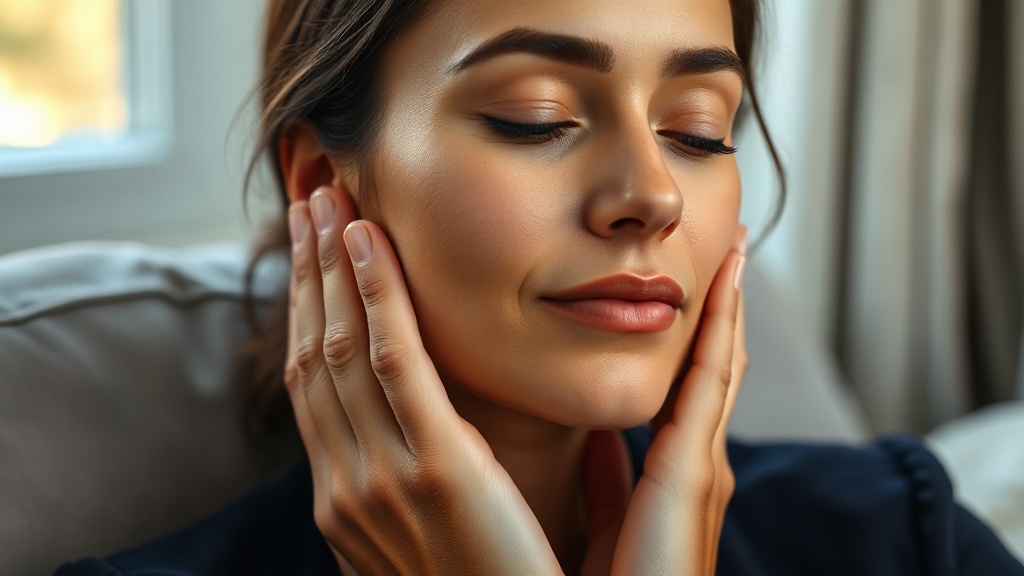
The cheapest rung is often the most useful: gentle self-care that supports everyday jaw comfort at home.
Budgeting aside, book an in-person assessment if jaw pain is severe or persistent, if your jaw locks or catches, if chewing is genuinely difficult, or if symptoms are not settling with self-care. Seek urgent care if the jaw locks open and will not close, will not open at all, follows an injury, or comes with fever and swelling. A dentist or orofacial-pain specialist can tailor a plan to your jaw and help you avoid paying for care you do not need.
Frequently asked questions
Sources
- 1.
- 2.
- 3.
- 4.
- 5.
- 6.

Fix your breath at the source.
The complete science-backed protocol — engineered to eliminate volatile sulfur compounds at the biological source.
Start the Breath Protocol →Related reading
Educational purposes only. The content on this page is not medical advice and is not a substitute for consultation with a qualified dental or medical professional.
More from the library
 Guides8 min
TMJ Surgery Cost: What to Expect (and Conservative Options First)
A calm, sober look at the price of jaw-joint surgery, why it is rarely the first step, and the questions to ask before you commit.
Read →→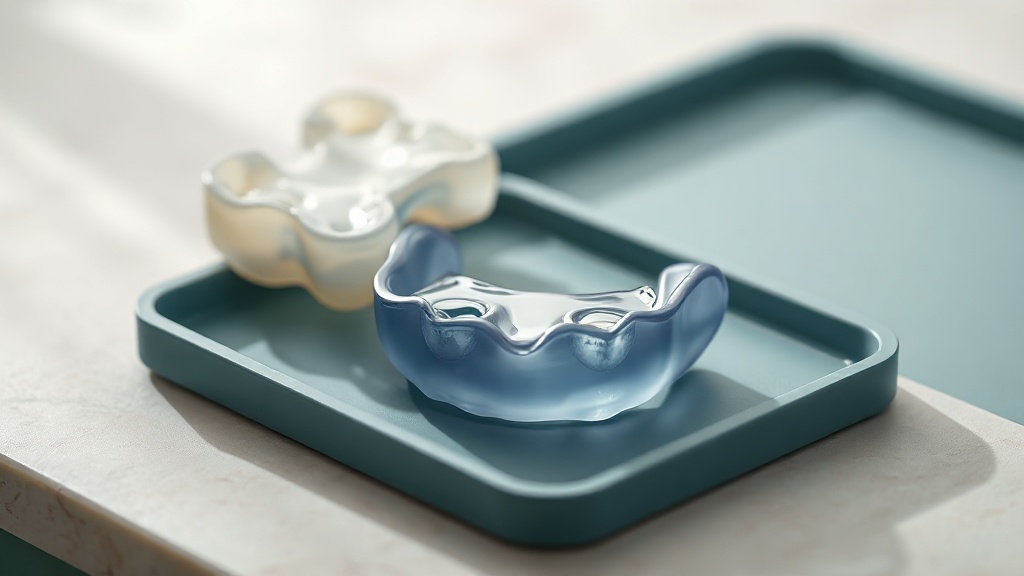 Guides8 min
How Much Does a Mouth Guard Cost? OTC vs Dentist Prices, Honestly
A clear, honest breakdown of what night guards cost — from boil-and-bite to custom lab-made — what actually drives the price, and how to decide when the pricier option is worth it.
Read →→ Guides9 min
Home Remedies for TMJ: 9 Natural Ways to Relieve Jaw Pain at Home
Simple at-home self-care, soft foods, warmth, gentle movement and load reduction, can genuinely ease TMJ jaw discomfort for many people.
Read →→ Guides9 min
TMJ Disorder: The Complete Guide
What TMJ disorder really is, how common it is, and the conservative-care-first path most people never hear about.
Read →→ Guides8 min
Jaw Relaxation Exercises: A Step-by-Step Comfort Guide
A step-by-step down-regulation routine for a tight, clenched jaw, built on gentle relaxation rather than force.
Read →→ Guides9 min
Does Mewing Actually Work? An Honest, Evidence-Based Breakdown
The honest, evidence-based answer to whether tongue posture can reshape an adult jaw — what the research really shows, and why forcing it can backfire.
Read →→