TMJ Headache: Why the Jaw Refers Pain to Your Head, and How to Ease It
How temporomandibular disorder refers pain to the head, gentle self-care for a TMJ headache, and when recurrent or severe headaches need a professional.

- A jaw problem really can cause a headache. The temporalis muscle you clench with fans right across your temple, so a tight, overworked jaw refers a dull, pressing ache into the sides and front of the head.
- A headache linked to jaw-muscle pain is typically long-lasting, felt on both sides across the temples and forehead, and has a pressing or tightening quality rather than a sharp throb.
- Calming the jaw can genuinely ease these headaches. In a controlled trial, counseling and behavioral management of the jaw muscle reduced headache intensity and frequency, with or without a splint.
- TMJ headaches overlap heavily with tension-type headache and migraine, and even specialists can find them hard to tell apart, so recurrent or severe headaches need a professional to sort out the cause.
- Some headaches are warning signs. A sudden worst-ever headache, or one with fever, a stiff neck, weakness, vision changes or confusion, is a medical emergency, not a jaw issue.
Yes, jaw strain can cause headaches. Overworked chewing muscles, especially the temporalis across your temple, refer a dull, pressing ache into the head. Easing the jaw with unclenching, warmth and gentle massage often helps. But TMJ headaches mimic migraine and tension headache, so recurrent or severe head pain needs a professional diagnosis.
How a jaw problem becomes a headache
The muscle that does most of your clenching, the temporalis, is a broad fan that spreads out across your temple, exactly where so many headaches are felt. When that muscle is chronically tight from grinding or clenching, it aches and it refers pain outward, so a jaw problem is felt as a head problem. The masseter in the cheek behaves the same way, and both share nerve pathways through the trigeminal system with the rest of the face and head, which is why signals from an irritated jaw can be experienced as a headache rather than jaw pain. Doctors now formally recognise this as headache attributed to temporomandibular disorder. When researchers described its typical pattern, it was long-lasting, often four hours or more, felt on both sides across the frontal and temporal regions, and pressing or tightening in quality rather than sharply throbbing. If that sounds like a tension headache, that is exactly the problem, and exactly why the jaw is so often overlooked as the source. The useful insight is that the ache in your temples may be starting one layer deeper, in a chewing muscle that never gets to switch off.
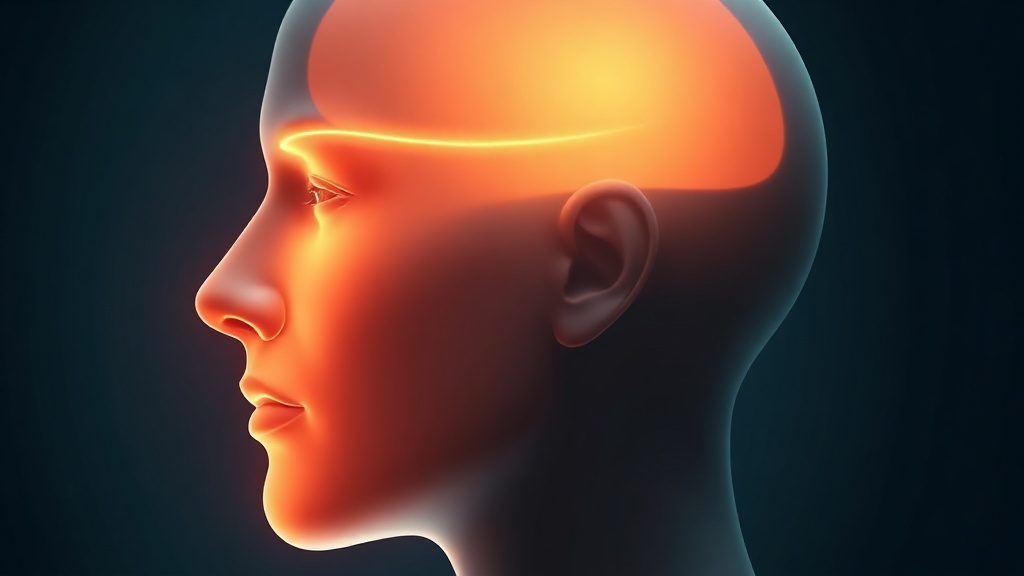
The temporalis muscle fans across the temple, so a tight, overworked jaw can refer a pressing ache up into the head.
What the research actually shows
Every claim below maps to a named, peer-reviewed source in the Sources section. According to PubMed.
| Claim | Evidence | Source |
|---|---|---|
| Headache attributed to jaw-muscle (masticatory myofascial) pain is typically long-duration, bilateral frontotemporal, and pressing or tightening; counseling and behavioral jaw management reduced headache intensity and frequency. | Randomized controlled trial in TMD patients with headache. | Costa et al., 2015 |
| Primary headaches (migraine, tension-type) and TMD are comorbid, and treating both together is more effective than treating each separately. | Narrative review of the TMD-headache relationship. | Speciali & Dach, 2015 |
| TMD is an important comorbidity of migraine and can be clinically difficult to distinguish from tension-type headache. | Clinical study across a headache center and an orofacial pain clinic. | Silva et al., 2014 |
| Headache frequency, tension-type headache and migraine are among the factors associated with TMD onset. | Systematic review of 21 cohort studies. | Da-Cas et al., 2024 |
| Low-cost self-care of the jaw matched splint therapy for jaw pain at 3, 6 and 12 months, supporting conservative first-line relief. | 200-subject randomized controlled trial. | Truelove et al., 2006 |
Is it a jaw-related headache, or something else?
| Feature | More like a jaw-related (TMD) headache | Flag to get checked |
|---|---|---|
| Where it sits | Both temples and the forehead, often near the ears | One-sided and throbbing, with nausea or light sensitivity |
| Link to the jaw | Worse with chewing or clenching, or on waking after grinding | No relationship at all to jaw use |
| Jaw signs alongside it | Tender temple and cheek muscles, a tight or clicking jaw | No jaw signs, but fever, stiff neck or confusion |
| How it feels | A dull, pressing, tightening ache | Sudden, worst-ever, or steadily escalating pain |
Why it is so easily confused with other headaches
Here is the honest complication: a jaw-related headache looks a great deal like the two most common headaches there are. Its bilateral, pressing quality overlaps almost exactly with tension-type headache, and TMD also travels closely with migraine, so much so that clinicians working across headache and orofacial-pain clinics report real difficulty telling them apart. These conditions are genuinely comorbid, meaning having one raises the odds of the others, and they can feed each other. That overlap cuts two ways. It means the jaw is worth considering when stubborn tension-type headaches are not responding to the usual measures, because calming the chewing muscles sometimes lifts a headache that painkillers alone did not. But it also means you should not talk yourself out of a proper diagnosis by deciding it must just be your jaw. Migraine in particular is a distinct neurological condition with its own effective treatments, and the encouraging evidence is that when jaw pain and headaches travel together, addressing both at once works better than chasing either alone. The practical takeaway is to treat the jaw as one lever you can pull yourself, while letting a professional confirm what you are actually dealing with.
Evidence you can act on.
Occasional emails — new research, new protocols, no noise.
Gentle relief for a jaw-related headache
These steps calm the chewing muscles that can refer pain into your head. They ease discomfort and are worth trying, but they do not diagnose or cure a headache disorder. Recurrent or severe headaches still need a professional.
- 1
Unclench and drop the jaw
throughout the dayLet your lips rest together with your teeth slightly apart and your tongue resting gently behind your top teeth. Teeth only belong together when you eat. Releasing a daytime clench takes the constant load off the temporalis, which is often what is pressing on your temples.
- 2
Warm the jaw and temples
10-15 minutesA warm, moist compress over the cheek and along the temple relaxes the tight chewing and temple muscles and can soften a pressing headache. Keep the warmth comfortable and gentle rather than hot, and give it time to work.
- 3
Massage the temple and cheek muscles
1-2 minutesUsing fingertips, make slow, light circles at the temple and down over the cheek muscle. Gentle self-massage of these muscles can ease referred head pain in the short term. Use soft pressure, and stop if it becomes tender rather than soothing.
- 4
Lighten the chewing load
during a headache spellWhen a headache flares, favour softer foods, skip gum and chewy snacks, and avoid opening wide. Less work for the chewing muscles means less of the referred ache they can send into your head.
- 5
Keep a simple headache diary
a few weeksNote when your headaches happen and whether they track with clenching, grinding, stressful days or waking up. A clear pattern both helps you and gives a dentist or doctor the information they need to pin down the cause and the best plan.
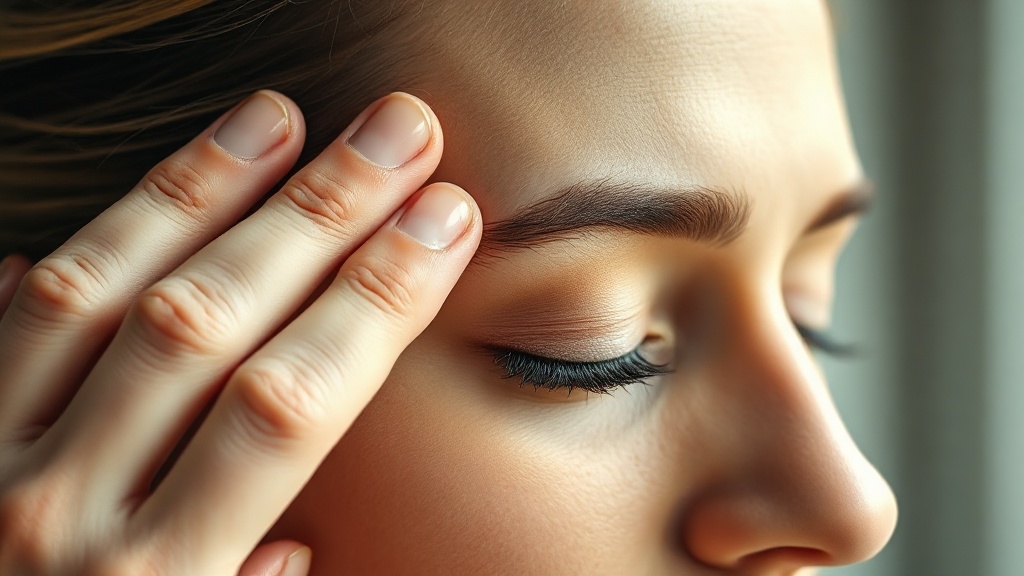
Slow, gentle massage of the temple and cheek muscles can ease a referred, jaw-related headache. Soft pressure only.
Recurrent, severe or worsening headaches always deserve a professional opinion, both to ease them and to rule out other causes rather than assuming it is only the jaw. See a dentist or TMJ specialist for a persistent jaw-linked headache, and a doctor for headaches that are frequent or not settling. Some headaches need emergency care right away: a sudden, severe worst-ever or thunderclap headache; a headache with fever, a stiff neck, or a rash; head pain with weakness, numbness, vision loss, confusion or slurred speech; a headache after a head injury; or a new, steadily worsening headache, especially over age 50 or one that wakes you from sleep.
Frequently asked questions
Sources
- 1.
- 2.
- 3.
- 4.
- 5.
- 6.
- 7.
- 8.

Fix your breath at the source.
The complete science-backed protocol — engineered to eliminate volatile sulfur compounds at the biological source.
Start the Breath Protocol →Related reading
Educational purposes only. The content on this page is not medical advice and is not a substitute for consultation with a qualified dental or medical professional.
More from the library
 Guides8 min
TMJ and Neck Pain: Why They Travel Together and How to Find Relief
The jaw and the upper neck share nerves and muscles, so trouble in one often shows up in the other.
Read →→ Guides9 min
TMJ Flare-Up: How to Calm Jaw Pain Fast
What a TMJ flare is, why it happens, and the gentle, proven steps that calm jaw pain fastest — plus when to get help.
Read →→ Guides8 min
TMJ Physical Therapy: Exercises, Timeline, and What to Expect
A clear-eyed look at what physical therapy can and cannot do for jaw pain — and how to start safely.
Read →→ Causes10 min
Jaw Pain on One Side: Common Causes and When to Worry
Why does one side of your jaw hurt? The common causes - joint, muscle, dental and neck - explained honestly, with the red flags that mean it is time to get help.
Read →→ Guides8 min
Jaw Relaxation Exercises: A Step-by-Step Comfort Guide
A step-by-step down-regulation routine for a tight, clenched jaw, built on gentle relaxation rather than force.
Read →→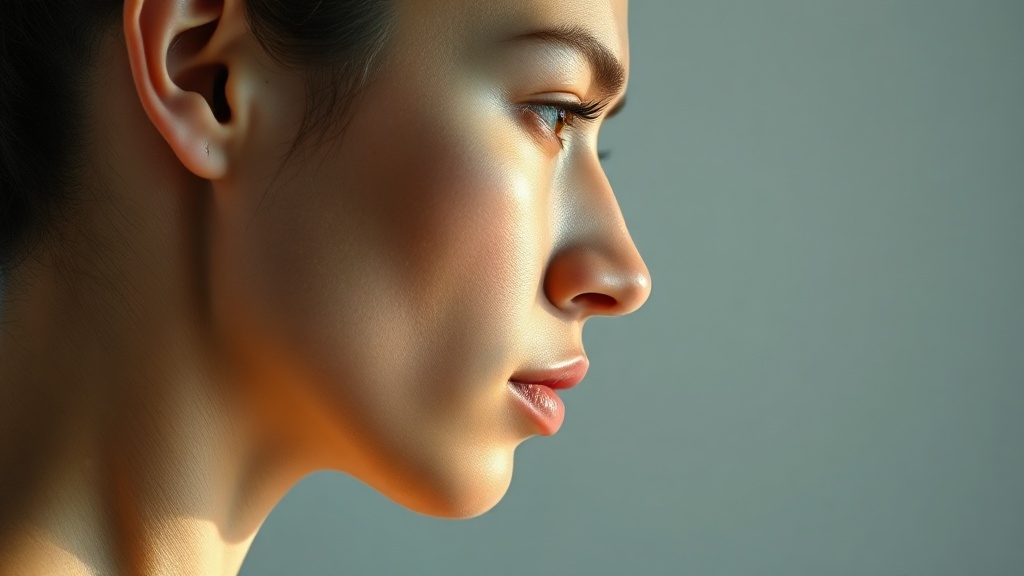 Guides9 min
Does Mewing Actually Work? An Honest, Evidence-Based Breakdown
The honest, evidence-based answer to whether tongue posture can reshape an adult jaw — what the research really shows, and why forcing it can backfire.
Read →→