
Scaling and Root Planing Cost: What Drives the Price
The honest cost drivers behind scaling and root planing, how it is billed, and where insurance fits.

- Scaling and root planing (SRP) is usually billed by area of the mouth (quadrant), so the biggest cost driver is simply how many quadrants are affected, one or two costs far less than all four.
- Severity matters: deeper pockets and heavier tartar take more instrumentation and sometimes more visits, which raises the fee, while limited early disease is quicker and cheaper.
- Who does it (a general practice hygienist versus a periodontist), whether you have sedation, and optional add-ons such as a local antibiotic placed in a pocket all move the price.
- Because SRP is therapeutic rather than cosmetic, it is more often at least partly covered by dental insurance than procedures done for looks, but coverage and frequency limits vary by plan.
- The recurring cost of maintenance cleanings afterwards is part of the real total, and it is what protects the investment, under regular care most treated people go on to lose no teeth.
Scaling and root planing cost is driven mainly by how many quadrants of the mouth need treatment, since it is billed by area, plus severity, whether a specialist does it, sedation, optional adjuncts, and your insurance. It is best expressed as a range. Because it is therapeutic, not cosmetic, it is more often partly covered. Only an exam and itemised quote give a real figure.
Why SRP is priced by the quadrant
The thing that surprises people most about SRP pricing is that it is not one flat fee for a deep clean; it is typically charged by area of the mouth. Dentists divide the mouth into four quadrants, upper left, upper right, lower left, lower right, and SRP is billed per quadrant that needs it. Someone with early disease confined to one part of the mouth might have a single quadrant treated, while someone with generalised disease may need all four, which is why two people can be quoted wildly different totals for what sounds like the same procedure. Within each quadrant, severity then scales the work: shallow pockets with light tartar are quick, whereas deep pockets packed with hardened calculus take longer, sometimes need to be revisited, and demand more of the clinician. On top of the core cleaning sit the variables you can partly choose, whether a general hygienist or a periodontist performs it, whether you opt for sedation over local anaesthetic alone, and whether an adjunct such as a local antibiotic is placed into a deep pocket. Each is a legitimate cost, but each is also a lever, so understanding what is core and what is optional is the key to reading your quote sensibly.
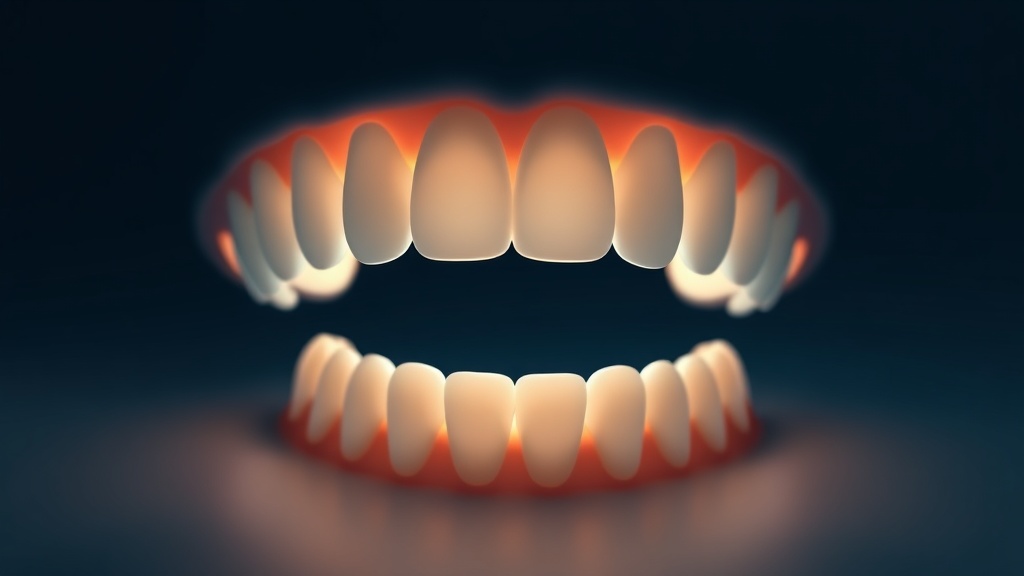
SRP is billed by quadrant, so how many areas are affected is the biggest single driver.
The clinical facts behind the cost
Every claim below maps to a named, peer-reviewed source in the Sources section. According to PubMed.
| Claim | Evidence | Source |
|---|---|---|
| SRP can be delivered quadrant-by-quadrant or as a full-mouth session with clinically equivalent results, so the number of affected areas, not the scheduling, drives the core cost. | Systematic review of full-mouth versus quadrant delivery. | Cochrane review, 2022 |
| SRP adds about 0.5 mm of attachment, and adjuncts such as local antibiotics or lasers add only a further 0.2 to 0.6 mm, an optional extra cost of limited additional benefit. | American Dental Association systematic review and meta-analysis. | Smiley et al., 2015 |
| Deeper pockets require more instrumentation; subgingival instrumentation closes roughly 74% of pockets, so severity scales the work and the fee. | European Federation of Periodontology systematic review. | Suvan et al., 2020 |
| Leaving deep pockets untreated raises the odds of losing that tooth many times over, so declining SRP can carry a far larger downstream cost. | Long-term cohort of residual pockets and tooth loss. | Matuliene et al., 2008 |
| Ongoing maintenance keeps tooth loss to about 0.1 tooth per patient per year, a recurring cost that protects the result. | Systematic review of tooth loss during supportive care. | Carvalho et al., 2021 |
What pushes an SRP quote up or down
| Factor | Tends to raise the cost | Tends to lower it |
|---|---|---|
| Number of quadrants | All four quadrants affected | One or two quadrants |
| Severity | Deep pockets, heavy tartar, extra visits | Mild, early, limited disease |
| Who performs it | A periodontist for advanced cases | A general practice hygienist for straightforward ones |
| Sedation | IV or oral sedation added | Local anaesthetic only |
| Adjuncts | Local antibiotic placed per deep pocket | Core scaling and root planing only |
| Insurance | No periodontal benefit on your plan | A plan that covers SRP |
Insurance, adjuncts, and the true total
Here is the piece most cost articles skip: the sticker price of the SRP appointments is not the whole cost, and it is also not usually the whole out-of-pocket amount. On the coverage side, SRP has an advantage over cosmetic gum work, because it is a recognised therapeutic treatment for a diagnosed disease, dental plans much more commonly contribute to it, though they often cap how often it can be repeated. It is worth asking the practice to submit a pre-treatment estimate so you know your share before you start. On the spending side, watch the optional extras. Adjuncts such as local antibiotics placed into individual pockets are frequently offered and can add up quickly when applied per site, yet the evidence shows they add only a small fraction of a millimetre of benefit over a thorough cleaning alone. That does not make them worthless, but it does mean you can reasonably ask whether they are essential in your case. Finally, budget for the long game: the maintenance cleanings that follow, typically every three to four months, are a recurring cost, but they are also what keep the disease arrested and most treated people keeping all their teeth. Framed against the alternative, the downstream cost of an untreated deep pocket that eventually costs you the tooth, the deep clean plus maintenance is usually the economical path, not the expensive one.
Evidence you can act on.
Occasional emails — new research, new protocols, no noise.
How to get an honest, accurate quote
You cannot price SRP from an article, but you can make sure the estimate is fair and complete. This is about being an informed patient; SRP itself is done only by your dental team.
- 1
Get examined and charted
one visitOnly pocket measurements and x-rays reveal how many quadrants need treatment and how severe each is. Ask for an itemised written estimate built from that charting, not a generic figure.
- 2
Ask how many quadrants
same visitSince SRP is billed by area, the number of affected quadrants is the biggest driver. Confirm exactly how many are being treated and why, so the total makes sense.
- 3
Separate core from optional
same visitAsk which parts are the essential cleaning and which are add-ons, such as a local antibiotic or sedation. Knowing what is optional lets you decide where the evidence justifies the extra spend.
- 4
Submit an insurance pre-estimate
before bookingBecause SRP is therapeutic, many plans contribute. Ask the practice to submit a pre-treatment estimate so you know your share and any frequency limits in advance.
- 5
Budget for maintenance
ongoingFactor in the maintenance cleanings that follow, usually every three to four months. They are a recurring cost, but they are what protect the result and keep the disease from returning.

An itemised, quadrant-by-quadrant estimate, plus a pre-treatment insurance estimate, is the figure that counts.
No article or calculator can tell you what your scaling and root planing will cost, because it depends on how many quadrants are affected and how severe the disease is, which only pocket charting reveals. Book an assessment, ask for an itemised, quadrant-by-quadrant estimate, and have the practice submit an insurance pre-estimate. A good clinician will also be clear about which parts are essential and which are optional.
Frequently asked questions
Sources
- 1.
- 2.
- 3.
- 4.
- 5.

Fix your breath at the source.
The complete science-backed protocol — engineered to eliminate volatile sulfur compounds at the biological source.
Start the Breath Protocol →Related reading
Educational purposes only. The content on this page is not medical advice and is not a substitute for consultation with a qualified dental or medical professional.
More from the library
 Guides8 min
Scaling and Root Planing: What It Is and What to Expect
What scaling and root planing does, why a toothbrush cannot replace it, and what to expect in the chair.
Read →→ Guides8 min
Deep Cleaning Teeth Cost: What Actually Drives the Price
Why a deep clean costs more than a regular clean, the real drivers, and how to avoid billing surprises.
Read →→ Guides8 min
Deep Cleaning Teeth: The Plain-English Guide
What a deep cleaning actually is, how it differs from a regular clean, and whether you really need one.
Read →→ Guides9 min
Gum Disease Treatment: The Professional Path and How Home Care Supports It
The evidence-based treatment path for gum disease, why professional care is non-negotiable, and how home habits support but never replace it.
Read →→ Guides8 min
Gum Disease Symptoms: The Early Warnings You Can Feel
The symptoms of gum disease you can feel and notice yourself, why bleeding comes first, and when a symptom means see a dentist now.
Read →→ Answers8 min
Can Receding Gums Grow Back? The Honest Answer
It is the question everyone with recession asks. The straight answer, and what you can realistically do instead.
Read →→