Saltwater Rinse for Gums
Warm salt water is a soothing, low-cost way to comfort irritated gums, but it works by supporting healing, not by drawing out infection. Here is the recipe and what the evidence really shows.
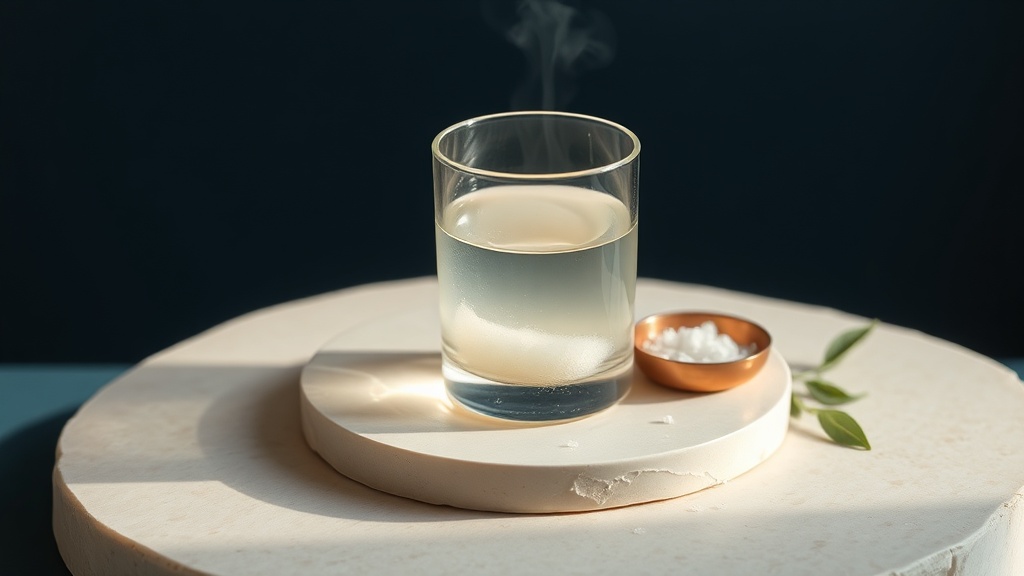
- A warm saltwater rinse is a safe, soothing comfort measure for sore, irritated or recently treated gums, not a treatment for gum disease.
- It does not draw out infection. Laboratory work shows dilute salt water supports gum healing by encouraging gum cells to migrate and lay down collagen.
- The recipe is simple: about half a teaspoon of salt in a cup of warm water, swished gently for around 30 seconds, then spat out.
- Because it is gentle, it can be used a few times a day after meals or dental work, but it is no substitute for brushing and cleaning between the teeth.
- Salt water soothes symptoms; it cannot remove tartar or close gum pockets, so persistent bleeding or pain needs a dentist.
To make a saltwater rinse for your gums, dissolve about half a teaspoon of salt in a cup of warm water, swish gently for 30 seconds, then spit it out. Use it up to a few times a day for soothing relief. Warm salt water comforts irritated gums and supports healing, but it does not cure gum disease.
How a saltwater rinse actually helps your gums
The popular idea that salt water draws out infection through osmosis is not how it works. Laboratory research on gum cells tells a more interesting story: dilute salt water supports the healing response, encouraging gum fibroblasts to migrate and to lay down collagen, the scaffolding of healthy tissue, in a process that depends on chloride rather than on any osmotic drawing-out. In plain terms, warm salt water creates a mild, tissue-friendly environment that soothes the area and gently supports the gums natural repair, while the warmth and gentle swishing loosen loose debris and food. That is why it feels so comforting on a sore or recently treated gum, and why dentists often suggest it after procedures. It is a genuinely useful comfort and hygiene aid. What it is not is an antibacterial treatment: it is far milder than a medicated rinse, it does not meaningfully reduce plaque or bacteria in the way an essential-oil or chlorhexidine rinse can, and it certainly does not reach the source of gum disease below the gumline. Understood correctly, salt water soothes and supports; it does not cure.
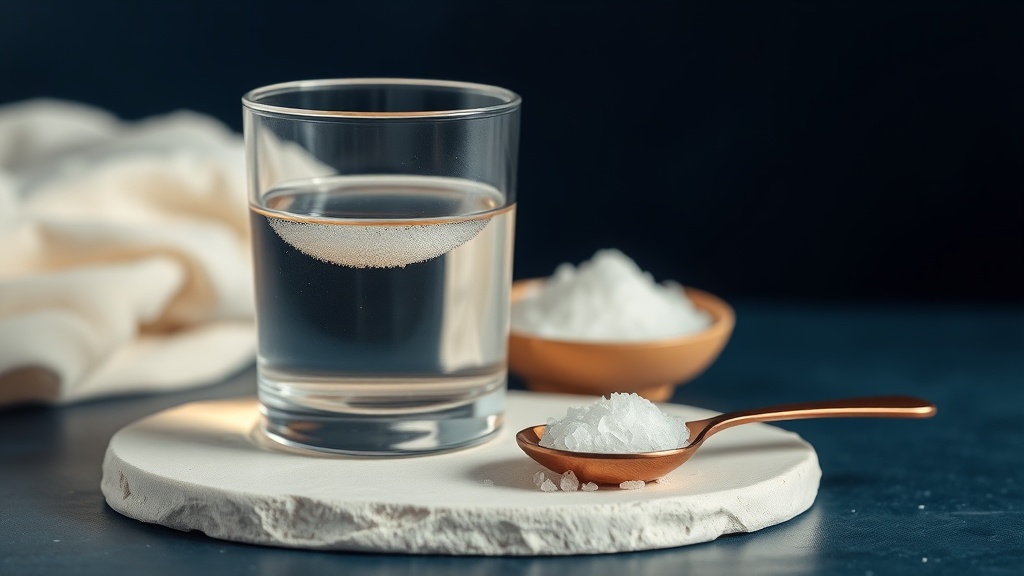
Half a teaspoon of salt in a cup of warm water: a gentle rinse that soothes and supports gum healing rather than drawing out infection.
What the research actually shows
Every claim below maps to a named, peer-reviewed source in the Sources section. According to PubMed.
| Claim | Evidence | Source |
|---|---|---|
| Dilute saline supports gum wound healing by promoting fibroblast migration and collagen production in a chloride-dependent way, not by osmotically drawing out infection. | Laboratory study of saline and gingival fibroblast healing. | Huynh et al., 2016 |
| Gingivitis is reversible: in the experimental model, clinical signs returned to baseline once consistent plaque control resumed, underlining that mechanical cleaning, not a rinse, is the foundation. | Clinical study of experimental gingivitis and its resolution. | Wellappuli et al., 2017 |
| Chlorhexidine, a medicated antiseptic rinse, produces a large reduction in plaque but stains teeth and alters taste with prolonged use, illustrating that true antibacterial rinses are stronger and more compromising than salt water. | Cochrane review of chlorhexidine mouthrinse. | James et al., Cochrane 2017 |
| Professional subgingival instrumentation reduces pocket depth by about 1.4 mm and closes roughly 74% of pockets, the level of care a rinse cannot substitute for. | Systematic review of subgingival instrumentation. | Suvan et al., 2020 |
Saltwater rinse compared with other mouth rinses
| Rinse | Best for | Evidence on gums | Main tradeoff |
|---|---|---|---|
| Warm salt water | Soothing sore or recently treated gums | Supports healing and comfort; gentle | No antibacterial or tartar-removing power |
| Chlorhexidine | Short antibacterial courses | Large plaque reduction in reviews | Stains teeth and alters taste after about four weeks |
| Essential-oil rinse | Daily plaque and gingivitis adjunct | Reaches between-teeth surfaces; helps gingivitis | A finisher, not a deep-pocket treatment |
| Plain warm water | Quick freshening or rinsing debris | Harmless, gentle rinsing | No active soothing or healing benefit |
What a saltwater rinse cannot do
Salt water is genuinely helpful within its lane, but the folk claims around it oversell it, and believing them can be risky. It does not draw infection out of the gum, and it does not cure gum disease or gingivitis; the improvement people feel is soothing and supportive, not curative. It cannot remove plaque the way brushing does, and it certainly cannot remove the hardened tartar that clings below the gumline and drives established gum disease, where professional instrumentation closes the great majority of pockets. There is also a limit to more being better: a very strong, over-salted rinse can irritate rather than soothe, so a mild concentration is the goal. Perhaps the most important caveat is psychological. If you are worried enough about your gums to be rinsing with salt water every day, that worry is a reason to be seen, not a reason to keep self-treating. Salt water is a comfort aid that sits alongside good daily cleaning and professional care; it is never a replacement for either, and leaning on it to avoid the dentist is exactly the wrong use.
Evidence you can act on.
Occasional emails — new research, new protocols, no noise.
How to make and use a saltwater rinse
A gentle recipe and routine that soothes without overdoing it.
- 1
Warm a cup of water
once per useUse about a cup (240 ml) of warm, not hot, water. Warmth is more soothing and helps the salt dissolve; water hot enough to scald will irritate tender gums.
- 2
Dissolve about half a teaspoon of salt
once per useStir in roughly half a teaspoon of table or sea salt until it dissolves. A mild concentration is the aim; a heavily over-salted rinse can irritate the very tissue you are trying to soothe.
- 3
Swish gently for about 30 seconds
as neededTake a mouthful and swish gently around the mouth for around 30 seconds, tilting your head to bathe the sore area. There is no need to force or gargle hard; gentle is enough.
- 4
Spit it out, do not swallow
as neededSpit the rinse into the sink rather than swallowing it, so you are not taking in extra salt. Repeat with the rest of the cup if you like.
- 5
Use it up to a few times a day
as neededYou can rinse a few times a day, for instance after meals or when the gum feels sore. It is gentle enough for regular use, but it is a comfort measure, so there is no need to overdo it.
- 6
Keep brushing and cleaning between teeth
dailyA rinse does not remove plaque, so keep brushing gently twice a day and cleaning between the teeth. Salt water supports those habits; it never replaces them.
- 7
Be cautious right after an extraction
as advisedAfter a tooth extraction, follow your dentist advice: usually avoid vigorous rinsing for the first day to protect the clot, then gentle salt-water rinsing can help keep the site clean as it heals.

Swish gently and spit: warm salt water is a soothing comfort measure that works alongside brushing, not a replacement for it.
Reach for salt water to soothe, but not to postpone care. See a dentist if your gums bleed persistently, stay swollen or painful, produce pus, taste or smell unpleasant, or if any teeth feel loose. Those are signs of gum disease that a rinse can mask but cannot fix, because the tartar and deep pockets behind them need professional cleaning. Salt water is a comfort aid on the way to that appointment, not an alternative to it, and ongoing gum problems should always be assessed in person.
Frequently asked questions
Sources
- 1.
- 2.
- 3.
- 4.
- 5.

Fix your breath at the source.
The complete science-backed protocol — engineered to eliminate volatile sulfur compounds at the biological source.
Start the Breath Protocol →Related reading
Educational purposes only. The content on this page is not medical advice and is not a substitute for consultation with a qualified dental or medical professional.
More from the library
 Guides8 min
Swollen Gums: What They Mean and What to Do
A calm, honest guide to why gums swell, why the everyday cause is reversible, and the point at which swelling is a signal to see a professional quickly.
Read →→ Guides8 min
Bleeding Gums: What They Mean and What to Do
A calm, honest guide to why gums bleed, why it is almost always reversible in the early stage, and the point at which bleeding is a signal to see a professional.
Read →→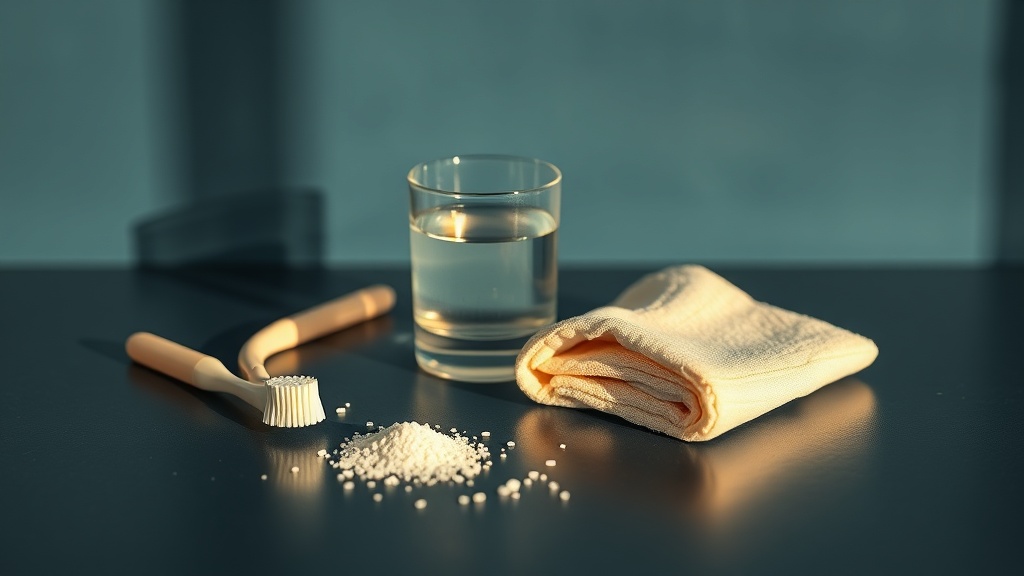 Answers8 min
How to Stop Bleeding Gums: A Practical Guide
A calm, step-by-step routine for settling bleeding gums, why keeping at it works, and the point at which stopping the bleeding needs a professional rather than home care.
Read →→ Guides9 min
Gum Inflammation: How It Works and How to Calm It
The mechanism behind red, swollen, bleeding gums — and the evidence-based ways to settle it.
Read →→ Guides8 min
Gum Disease Symptoms: The Early Warnings You Can Feel
The symptoms of gum disease you can feel and notice yourself, why bleeding comes first, and when a symptom means see a dentist now.
Read →→ Answers8 min
Can Receding Gums Grow Back? The Honest Answer
It is the question everyone with recession asks. The straight answer, and what you can realistically do instead.
Read →→