Swollen Gums: What They Mean and What to Do
A calm, honest guide to why gums swell, why the everyday cause is reversible, and the point at which swelling is a signal to see a professional quickly.

- Swollen, puffy or tender gums are usually a sign of gingivitis, the mild and reversible stage of gum inflammation caused by plaque at the gumline.
- Swelling is the tissue reacting to irritation with extra blood flow and fluid. Remove the plaque driving it consistently and the swelling usually settles.
- Everyday factors add to it: pregnancy and hormonal shifts, mouth-breathing, food trapped between teeth, certain medications, and a diet very low in vitamin C.
- Home care soothes and reverses most everyday swelling: gentle soft-bristle brushing, daily cleaning between the teeth, a warm saltwater rinse for comfort, and a professional cleaning.
- Fast, painful, one-sided swelling, a distinct lump or a gum abscess, or swelling with fever or difficulty swallowing is different, it needs prompt professional care, not home measures.
Swollen gums are most often a sign of gingivitis: mild, plaque-driven inflammation that makes the tissue puffy, red and tender. This everyday swelling is reversible with gentle daily cleaning plus a professional cleaning. But fast, painful or one-sided swelling, a lump or abscess, or swelling with fever needs prompt dental care rather than home treatment.
Why gums swell in the first place
Healthy gums are firm, pale pink and hug the teeth in a thin, scalloped line. Swelling changes that: the tissue becomes puffy, rounded, redder and tender. Behind the change is the body's ordinary response to irritation. When plaque, the daily film of bacteria, is left along the gumline, the bacteria in it irritate the gum, and the body responds by sending more blood and fluid to the area. That extra blood and fluid is the swelling you see and feel. It is the same inflammatory response that makes any irritated tissue puff up, just happening in the mouth. This plaque-driven swelling is gingivitis, and like bleeding it sits in the reversible tier: it has not yet damaged the bone or the fibres that anchor the teeth. The evidence for reversibility is striking. In classic experiments, when people stopped cleaning their teeth, gum inflammation, including swelling, built within two to three weeks, and when they resumed good plaque control, every clinical measure, swelling included, returned to baseline. So for most people, swollen gums are the tissue asking for better, gentler cleaning rather than announcing permanent harm. Roughly a third of people inflame more strongly to the same plaque, which is why some notice puffiness more readily than others.
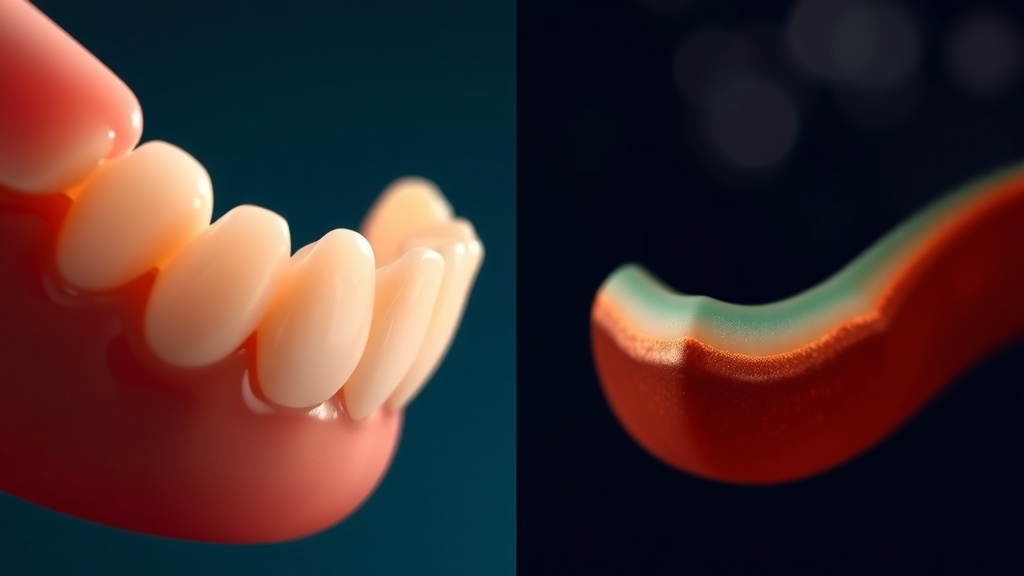
Plaque irritation draws extra blood and fluid into the gum, turning a firm, thin, healthy margin into a puffy, rounded, tender one.
What the research actually shows
Every claim above maps to a named, peer-reviewed source in the Sources section. According to PubMed.
| Claim | Evidence | Source |
|---|---|---|
| Gingival inflammation, including swelling, is reversible: it builds within two to three weeks of stopping cleaning and returns to baseline once good plaque control resumes. | Experimental-gingivitis clinical study. | Wellappuli et al., 2017 |
| Managing gingivitis is the rational way to prevent it progressing, because inflammation caught at the reversible stage need not advance. | European Federation of Periodontology consensus. | Chapple et al., 2015 |
| Severe vitamin C deficiency causes gum swelling and bleeding that resolve within about four days of restoring the vitamin. | Review of vitamin C and periodontal tissue. | Van der Velden, 2020 |
| An anti-inflammatory diet lowered gingival inflammation even with plaque levels unchanged, showing diet can independently reduce puffiness. | Four-week randomised controlled trial. | Woelber et al., 2019 |
| A warm saline rinse supports gum tissue healing through fibroblast migration and collagen responses, which is why it soothes swollen gums. | Laboratory study of gingival fibroblasts. | Huynh et al., 2016 |
Everyday swelling versus swelling to get seen quickly
| What you notice | What it usually means | Sensible next step |
|---|---|---|
| Generally puffy, tender gums along the gumline | Plaque-driven gingivitis | Improve gentle daily cleaning; it usually settles in one to two weeks |
| Swelling worse during pregnancy | Hormones heightening the response to plaque | Keep cleaning gently; tell your dentist you are pregnant |
| Puffiness around one tooth with trapped food | Local irritation from debris | Clean the area gently; see a dentist if it persists |
| A painful lump, pimple or abscess on the gum | Possible infection | See a dentist promptly, do not wait it out |
| Fast one-sided swelling, fever or trouble swallowing | Possible spreading infection | Seek urgent dental or medical care |
| Persistent gum overgrowth on a medication | Medication effect on gum tissue | Ask your dentist and doctor; do not stop medicines yourself |
The other things that make gums swell
Plaque is the usual driver, but several factors decide how swollen your gums get. Hormones are a big one: in pregnancy, higher hormone levels exaggerate the gum response to the same plaque, so many people develop puffy, tender gums, sometimes called pregnancy gingivitis, that ease after birth and respond to gentle cleaning meanwhile. Mouth-breathing dries the front gums and can leave them puffier, which is why some people wake with swelling that settles through the day. Food packed between teeth, or a rough filling edge, can irritate one spot and swell it locally. Certain medications are a distinct cause: some can make gum tissue overgrow, a change that needs a dentist's input rather than a change of routine on your own. And nutrition plays its part, severe vitamin C deficiency causes swollen, bleeding gums that clear within days of restoring the vitamin. Set against all of these is one category that behaves differently and matters most to recognise: infection. A gum abscess, a painful lump or pimple, fast one-sided swelling, or swelling with fever or trouble swallowing is not ordinary gingivitis. That is a signal to be seen promptly, because an infection can spread and needs professional treatment. Knowing which kind of swelling you have is the difference between a home routine and a same-week dental visit.
Evidence you can act on.
Occasional emails — new research, new protocols, no noise.
How to soothe swollen gums at home
For everyday plaque-driven swelling, this routine lowers the irritation and supports the tissue so firm, healthy gums can return. It is gentle care, not treatment of a disease, and it does not apply to a painful abscess or spreading swelling, which need a dentist.
- 1
Brush gently twice a day with a soft brush
2 minutes, twice dailyAngle a soft-bristle brush at about forty-five degrees to the gumline and use small, gentle strokes. Swollen gums are tender, so ease off the pressure, gentle thoroughness clears plaque without adding trauma to already inflamed tissue.
- 2
Clean between the teeth daily
1 to 2 minutes dailyPlaque and trapped food between the teeth are a common source of localised swelling. Daily flossing or interdental brushes clears them. Be gentle around puffy areas; a little tenderness is normal and usually eases within a week or two.
- 3
Rinse with warm salt water for comfort
30 seconds, up to a few times dailyA warm saltwater rinse soothes swollen, tender gums and supports the tissue as it heals. Its benefit is comfort and gentle cleansing, not curing anything. An alcohol-free rinse can also lower surface bacteria between brushings.
- 4
Ease the contributing factors
ongoingStay hydrated, which helps if mouth-breathing is drying your gums; get enough vitamin C from fruit and vegetables; and go easier on sugary foods. These support the tissue alongside good cleaning rather than replacing it.
- 5
See a dentist for a cleaning and check
as advisedA professional cleaning removes hardened tartar you cannot reach and lets a dentist confirm the swelling is simple gingivitis rather than something needing more attention. Book sooner if it is painful, one-sided, or not settling.

A warm saltwater rinse soothes swollen, tender gums and supports healing, working alongside gentle brushing and interdental cleaning.
See a dentist promptly if gum swelling is painful, comes on fast, is concentrated on one side or around a single tooth, or forms a distinct lump, pimple or abscess. Seek urgent care if swelling spreads to the face or neck, or comes with fever or difficulty swallowing or breathing, as this can signal a spreading infection. Also have persistent swelling checked if it has not improved after two weeks of good home care, or if it appears alongside a new medication, loose teeth or receding gums. These need professional diagnosis and treatment rather than home measures.
Frequently asked questions
Sources
- 1.
- 2.
- 3.
- 4.
- 5.
- 6.
- 7.
- 8.

Fix your breath at the source.
The complete science-backed protocol — engineered to eliminate volatile sulfur compounds at the biological source.
Start the Breath Protocol →Related reading
Educational purposes only. The content on this page is not medical advice and is not a substitute for consultation with a qualified dental or medical professional.
More from the library
 Causes8 min
Why Are My Gums Swollen? The Real Causes
A clear run-through of what actually makes gums swell, from everyday plaque to hormones, medicines and infection, and how to tell an ordinary cause from one that needs prompt care.
Read →→ Guides8 min
Bleeding Gums: What They Mean and What to Do
A calm, honest guide to why gums bleed, why it is almost always reversible in the early stage, and the point at which bleeding is a signal to see a professional.
Read →→ Guides8 min
Gum Recession Treatment: Every Option, Compared
The right treatment depends on why your gums receded and how far. Here is the full ladder, with what each rung can honestly deliver.
Read →→ Guides8 min
How to Stop Receding Gums: What Actually Slows It
You cannot will your gum line back up, but you can often stop it from dropping further. Here is what the evidence supports.
Read →→ Guides8 min
Gum Disease Symptoms: The Early Warnings You Can Feel
The symptoms of gum disease you can feel and notice yourself, why bleeding comes first, and when a symptom means see a dentist now.
Read →→ Answers8 min
Can Receding Gums Grow Back? The Honest Answer
It is the question everyone with recession asks. The straight answer, and what you can realistically do instead.
Read →→