
Gum Inflammation: The Complete Guide
The mechanism behind red, swollen, bleeding gums — and the evidence-based ways to settle it.
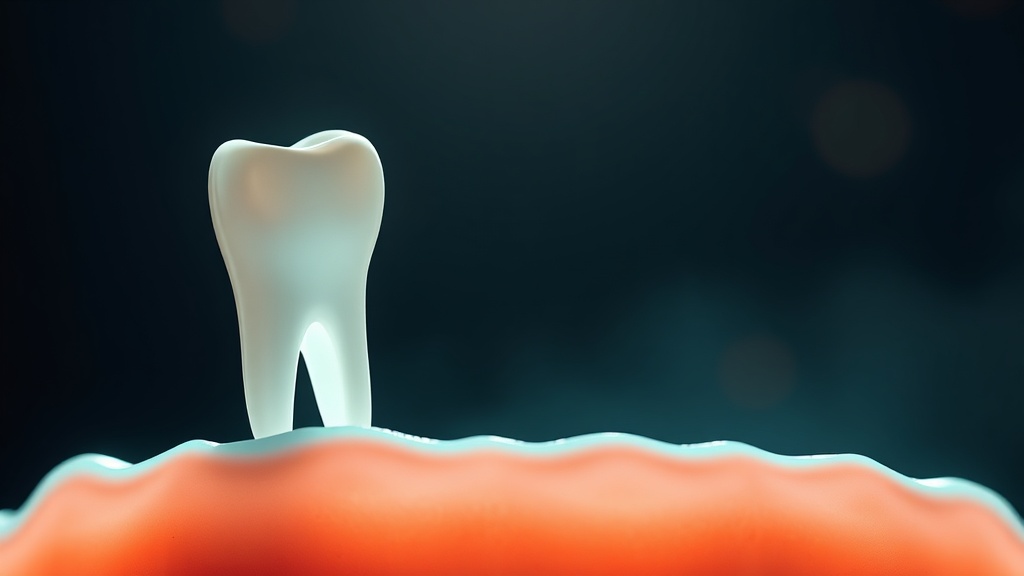
- Gum inflammation is your immune system responding to plaque bacteria at the gum line — the redness, swelling and bleeding are the response, not the bacteria directly.
- Caught early, this inflammation (gingivitis) is fully reversible: stop cleaning and gums inflame within 2–3 weeks; resume plaque control and they return to baseline.
- About a third of people are 'high responders' whose gums over-react to the same amount of plaque — which is why some people inflame and progress more easily than others.
- If low-grade inflammation is left unchecked in a susceptible person it can advance to periodontitis, where the bone and attachment lost are not regained — inflammation is controlled, not reversed.
- Beyond plaque control, an anti-inflammatory diet, adequate vitamin C and not smoking measurably lower gum inflammation; deep or stubborn inflammation needs professional cleaning a toothbrush cannot substitute for.
Gum inflammation is the immune system reacting to plaque at the gum line, producing redness, swelling and bleeding. In its early stage (gingivitis) it is reversible with consistent plaque control. Left unchecked in susceptible people it can progress to periodontitis, which is not reversible. Diet, vitamin C and not smoking help; deep inflammation needs a dentist.
What gum inflammation actually is
Inflammation is the body's universal repair-and-defence response, and in the gums it is triggered almost entirely by dental plaque — the living bacterial film that reforms at the gum line within hours of cleaning. When plaque is left to mature at the margin, the bacteria and their by-products cross the thin gum barrier, and the immune system floods the area with defensive cells and signalling molecules. Blood vessels widen and become leaky, which is what makes an inflamed gum look red and puffy and bleed easily when brushed. This is gingivitis: real inflammation, but confined to the soft tissue, with no lasting damage to the bone or the fibres anchoring the tooth. The landmark 'experimental gingivitis' studies proved how directly it tracks plaque — healthy volunteers who stopped all cleaning developed measurable inflammation within days to a couple of weeks, and it resolved completely once they cleaned again. So gum inflammation is best understood not as an infection that has to be fought off, but as a reversible reaction to a build-up that keeps returning: remove the trigger consistently, and the tissue settles.
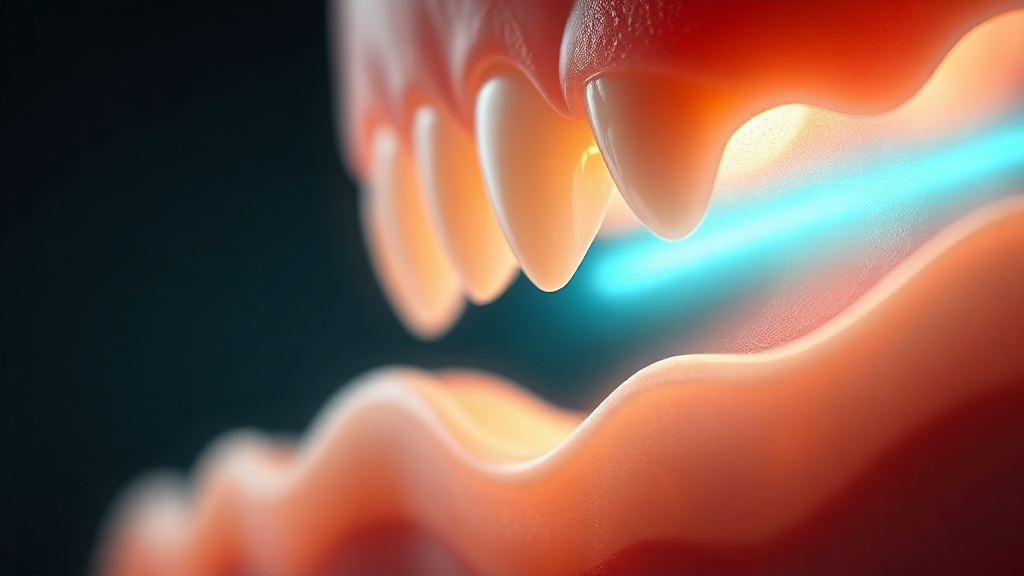
As plaque accumulates at the margin, blood vessels widen and the gum swells and reddens — visible inflammation.
What the research actually shows
Every claim below maps to a named, peer-reviewed source in the Sources section. According to PubMed.
| Claim | Evidence | Source |
|---|---|---|
| Stopping oral hygiene induces gum inflammation within about 2–3 weeks; resuming plaque control returns all clinical measures to baseline. | Experimental-gingivitis studies. | Wellappuli et al., 2017; Keijser et al., 2025 |
| Gingivitis is reversible but periodontitis is 'a ubiquitous and irreversible inflammatory condition' — lost attachment and bone are not regained. | Consensus report. | Chapple et al., 2015 (EFP) |
| About one-third of people are high responders whose gums over-inflame to the same plaque load, flagging higher risk of progression. | Experimental-gingivitis response phenotyping. | Wellappuli 2017; Trombelli et al. |
| An anti-inflammatory diet lowered gingival inflammation (index 1.04 to 0.61) even though plaque levels were unchanged. | 4-week randomized trial (n=30). | Woelber et al., 2019 |
| Vitamin C supplementation improves gingival bleeding but does not reduce pocket depth or restore attachment in periodontitis. | Systematic review. | Fageeh et al., 2021 |
Reversible inflammation vs the point of no return
| Feature | Gingivitis (gum inflammation) | Periodontitis (advanced) |
|---|---|---|
| What is inflamed | The gum soft tissue only | Gum plus the bone and attachment fibres |
| Reversible? | Yes — returns to baseline with plaque control | No — loss is permanent, only controlled |
| Typical signs | Red, puffy, bleeding gums; no looseness | Deep pockets, recession, loose or drifting teeth |
| Who can manage it | You, with consistent home care | A dental professional, with home care alongside |
| Time frame | Settles in ~1–2 weeks of good care | Managed for life once it has occurred |
Why some gums inflame more — and what tips it over
If inflammation tracks plaque so directly, why do two people with similar habits end up so differently? Part of the answer is individual susceptibility. Research phenotyping the gum's response to a standard plaque challenge finds that roughly a third of people are 'high responders' whose tissue mounts an outsized inflammatory reaction to the same bacterial load. That heightened response, sustained over years, is what raises the odds of crossing from reversible gingivitis into periodontitis — the stage where the inflammation reaches the bone and the damage no longer reverses. Importantly, not all gingivitis progresses, and clinicians cannot reliably predict which cases will, which is exactly why calming inflammation early is worth doing for everyone rather than waiting to see. Several levers modulate the inflammatory load itself. An anti-inflammatory diet has been shown to lower gum bleeding even without changing plaque, adequate vitamin C supports the collagen and reduces bleeding in people who were short of it, and omega-3 adds a modest anti-inflammatory effect as an adjunct to professional care. The single biggest amplifier to remove is smoking, which both worsens inflammation and blunts recovery. And once inflammation is anchored to hardened deposits below the gum, no diet or home routine can reach it — that is the professional's job.
Evidence you can act on.
Occasional emails — new research, new protocols, no noise.
How to calm gum inflammation
These steps lower the plaque and the inflammatory load that drive gum inflammation. They support and calm the tissue; they do not cure a disease, and deep or stubborn inflammation still needs professional care.
- 1
Disrupt plaque at the gum line, gently, twice a day
2 minutes, twice dailyPlaque control is the direct lever on gum inflammation. Use a soft brush at the gum margin with light pressure; a powered brush can help remove more plaque over time. Consistency matters more than force — the inflammation tracks the plaque, so daily removal is what settles it.
- 2
Clean between the teeth every day
about 1 minute dailyThe margins between teeth are where brushing misses most and where inflammation often hides. Floss or an interdental brush adds a gum-health benefit brushing alone cannot, reaching the plaque that keeps those sites inflamed.
- 3
Eat to lower the inflammatory load
ongoingAn anti-inflammatory pattern — more vegetables, omega-3-rich foods, fewer refined sugars — has been shown to reduce gum bleeding independent of plaque. Ensuring adequate vitamin C supports the gum collagen and reduces bleeding, especially if your intake was low.
- 4
Remove the biggest amplifier: tobacco
ongoingSmoking worsens gum inflammation and slows healing, and quitting shifts the odds back toward those of non-smokers over time. It is the highest-impact single change many people can make for their gums.
- 5
Get inflammation you cannot reach cleaned professionally
per dentist adviceWhen inflammation is anchored to hardened calculus below the gum, home care cannot remove it. A professional cleaning (scaling and root planing where needed) clears what a brush cannot and gives the tissue a chance to settle.

Plaque control plus an anti-inflammatory diet and adequate vitamin C lower the inflammatory load on the gums.
Book a dental visit if your gum inflammation does not clearly improve within one to two weeks of consistent, gentle home care, if you see deepening redness, pus or a bad taste, if teeth feel loose or are drifting, or if gums are receding. These can signal that inflammation has reached below the gum line, where only a professional cleaning can remove the hardened deposits driving it. Regular check-ups also catch high-responder patterns early — long before the reversible stage becomes the permanent one. Home care manages gingivitis; it does not replace the dentist for anything deeper.
Frequently asked questions
Sources
- 1.
- 2.
- 3.
- 4.
- 5.
- 6.
- 7.
- 8.
- 9.
- 10.
- 11.

Fix your breath at the source.
The complete science-backed protocol — engineered to eliminate volatile sulfur compounds at the biological source.
Start the Breath Protocol →Related reading
Educational purposes only. The content on this page is not medical advice and is not a substitute for consultation with a qualified dental or medical professional.
More from the library
 Causes8 min
Why Do My Gums Hurt? The Real Causes of Sore Gums
A calm, evidence-based look at what makes gums ache — and when tenderness is a sign to see a dentist.
Read →→ Causes8 min
Itchy Gums: The Causes of That Itch and What Helps
Why gums itch, what the sensation is telling you, and when an itch is worth a dental visit.
Read →→ Causes9 min
Pregnancy Gingivitis: Gentle, Safe Gum Care
A reassuring, evidence-based guide to caring for your gums through pregnancy — safely and gently.
Read →→ Guides8 min
How to Stop Receding Gums: What Actually Slows It
You cannot will your gum line back up, but you can often stop it from dropping further. Here is what the evidence supports.
Read →→ Guides8 min
Gum Disease Symptoms: The Early Warnings You Can Feel
The symptoms of gum disease you can feel and notice yourself, why bleeding comes first, and when a symptom means see a dentist now.
Read →→ Answers8 min
Can Receding Gums Grow Back? The Honest Answer
It is the question everyone with recession asks. The straight answer, and what you can realistically do instead.
Read →→