How to Make Tonsil Stones Fall Out
Why most tonsil stones fall out by themselves, and the gentle, low-pressure way to help one along without ever gouging at delicate tonsil tissue.
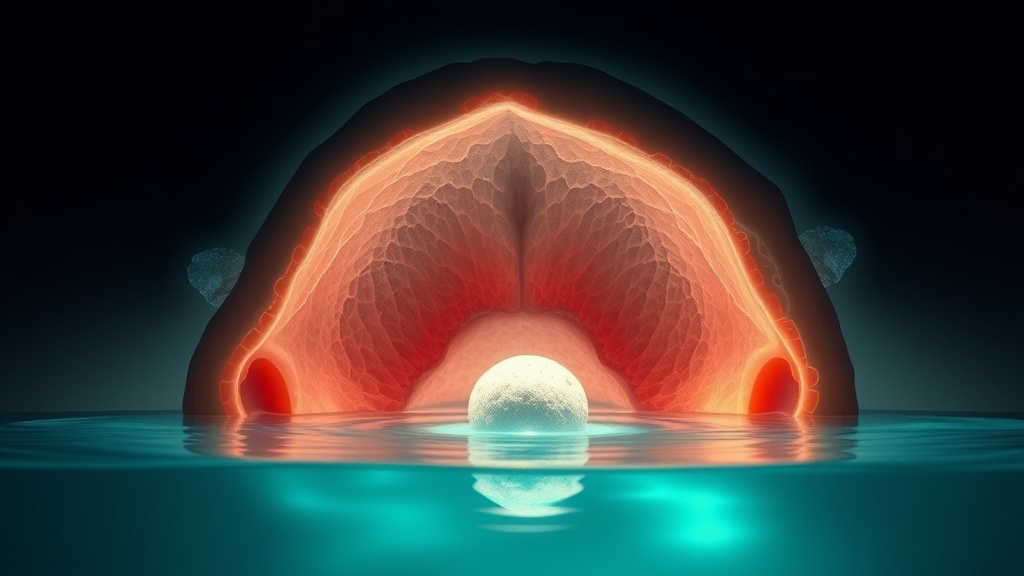
- Most tonsil stones fall out on their own: on repeat scans, of the stones that shifted position, 92% migrated toward the throat opening — the direction of expulsion — and 12.1% disappeared entirely.
- The single safest way to help one along is a gentle, low-pressure stream of water aimed at the crypt, because a tonsil stone is a soft biofilm that can be physically dislodged, not a mineral that must be dissolved.
- Gargling, a soft cotton swab, and even a firm, deliberate cough can each nudge a loose stone free — the common thread is gentle pressure, never sharp force.
- Never dig with a metal pick, bobby pin, or fingernail: the tonsil bed bleeds and tears easily, and improvised rigid tools are a documented cause of oropharyngeal injury.
- You are clearing debris, not treating a disease — if a stone will not budge gently, leave it, because forcing it does more harm than the stone ever would.
To make a tonsil stone fall out, aim a gentle, low-pressure stream of water at it — from a needle-free syringe or a water flosser on its lowest setting — while relaxing your throat. Gargling, a soft cotton swab, or a firm cough can also loosen it. Most stones work free on their own, so never gouge with sharp tools.
Why a rinse works when picking does not
A tonsil stone is not a mineral pebble cemented into place — it is a soft, living biofilm: an organised community of bacteria and trapped debris that has settled into the folds of your tonsil. That distinction is the whole reason a rinse works. Because the material is soft and only loosely lodged, a moving column of water can shear it free, the same way a stream lifts silt off a riverbed. In laboratory work, a pulsatile water jet stripped away roughly 99.9% of a comparable oral biofilm in about three seconds — pure hydraulic force, no scrubbing and no chemistry. Picking, by contrast, tries to lever a soft mass out of a delicate pocket with a hard point, and the pocket loses that contest every time: the tissue bruises, tears, or bleeds long before the stone gives way. The goal, then, is not to attack the stone but to flush the crypt — to let water do gently what a metal tool does dangerously.

A moving column of water can shear a soft tonsil stone loose — no scrubbing, no sharp tools.
What the research actually shows
Every claim below maps to a named, peer-reviewed source in the Sources section. According to PubMed.
| Claim | Evidence | Source |
|---|---|---|
| Of the tonsil stones that shifted position on follow-up scans, 92% moved toward the throat opening and 12.1% disappeared entirely — the body tends to expel them. | Follow-up CT of 326 scan pairs. | Yamashita et al., 2021 |
| A pulsatile water jet removed about 99.9% of an oral biofilm in roughly three seconds — hydraulic force alone dislodges soft deposits. | SEM-confirmed ex-vivo biofilm study. | Gorur et al., 2009 |
| A single low-pressure oral-irrigation cycle significantly lowered volatile sulfur gases and removed about a quarter of dental plaque. | Independent single-use trial (n=20). | Karm et al., 2025 |
| A tonsil stone behaves as a soft living biofilm rather than an inert stone, which is why physical disruption clears it and dissolving agents do not. | Confocal microscopy and microelectrode study of 16 adults. | Stoodley et al., 2009 |
| About 8.2% of people have a pronounced gag reflex, so tolerance — not force — is the real limit when working near the tonsils. | Population survey (n=11,771). | van Houtem et al., 2015 |
Ways to help a stone fall out, ranked by safety
| Method | How it helps a stone fall out | Is it safe? |
|---|---|---|
| Low-pressure water rinse (needle-free syringe or flosser on its lowest setting) | A moving column of water shears the soft stone loose from the crypt | Yes — the safest active method, if the pressure stays gentle |
| Gargling (water or warm salt water) | Agitates the crypt surface and can float a loose stone free | Yes — low-risk and soothing |
| Soft cotton swab, gentle pressure from below | Nudges a visible, already-loose stone up and out | Usually — only on a stone you can see, never poking blindly |
| A firm, deliberate cough or throat-clearing | Muscle contraction can pop a loose stone from a shallow crypt | Yes — completely passive |
| Metal pick, bobby pin, or fingernail | Tries to lever the stone out with a hard point | No — a documented cause of bleeding and oropharyngeal injury |
Working with your gag reflex, not against it
The reason most people fail to dislodge a tonsil stone is not the stone — it is the gag reflex. Roughly one in twelve people has a pronounced gag response, and about half of everyone gags at least sometimes when something touches the back of the mouth. The instinct is to push through it with a bigger tool and more force, which is exactly backwards. The research on managing a strong gag reflex points the other way: the reliable lever is to reduce the provoking stimulus — a smaller tool, less contact with the soft palate, a slower approach — rather than trying to override the reflex by willpower. Practically, that means working in front of a mirror in good light, breathing steadily through your nose, and touching only the stone, not the surrounding tissue. It also means respecting how fragile the area is: the tonsil bed is richly supplied with blood and bleeds readily, so if you provoke a gag or see any bleeding, stop. The stone is not worth it, and it will very likely loosen on its own within days.
Evidence you can act on.
Occasional emails — new research, new protocols, no noise.
How to make a tonsil stone fall out, step by step
Here is the gentle sequence, from least invasive to most. Stop at the first step that works — and stop entirely if you gag hard or see any blood. None of this treats a condition; you are simply clearing debris from a pocket.
- 1
Start by letting it come to you
a few daysBefore doing anything active, know that most stones fall out by themselves. On repeat imaging, the stones that move overwhelmingly drift toward the throat opening, where they are swallowed or coughed away. Eating crunchy foods, drinking water, and normal talking all help this along. If a stone is not bothering you, waiting is a legitimate and often winning strategy.
- 2
Gargle firmly with warm salt water
about 30 secondsMix roughly half a teaspoon of salt into a glass of warm water and gargle vigorously, tipping your head back so the water reaches the back of the throat. The agitation can float a loosely seated stone out of its crypt, and the warmth soothes irritated tissue. Salt water is not a strong antimicrobial, so treat it as a gentle debris-loosener, not a cure.
- 3
Flush the crypt with a low-pressure water stream
under a minuteThis is the most effective at-home method. Use a needle-free plastic syringe or a water flosser set to its lowest pressure, and aim a gentle stream directly at the stone while looking in a mirror. A single irrigation cycle has been shown to measurably lower the sulfur gases behind the smell. Keep the pressure low — forceful jets can bruise or bleed the tissue and trigger a gag.
- 4
Use a soft swab only on a stone you can see
secondsIf a stone is clearly visible and already loose, you can gently press the tissue just below it with a cotton swab or a clean fingertip to ease it upward, the way you would coax a seed from a pod. Push from below, never dig from above, and abandon the attempt the moment it resists or you gag.
- 5
Know when to simply stop
—If a stone will not release with gentle rinsing, leave it. Digging with a metal pick, a bobby pin, or a fingernail risks puncturing the delicate tissue, bleeding, and infection, and rigid tools are a documented cause of oropharyngeal trauma. A stubborn stone is far less dangerous than the wound from forcing it — give it time or see a professional.
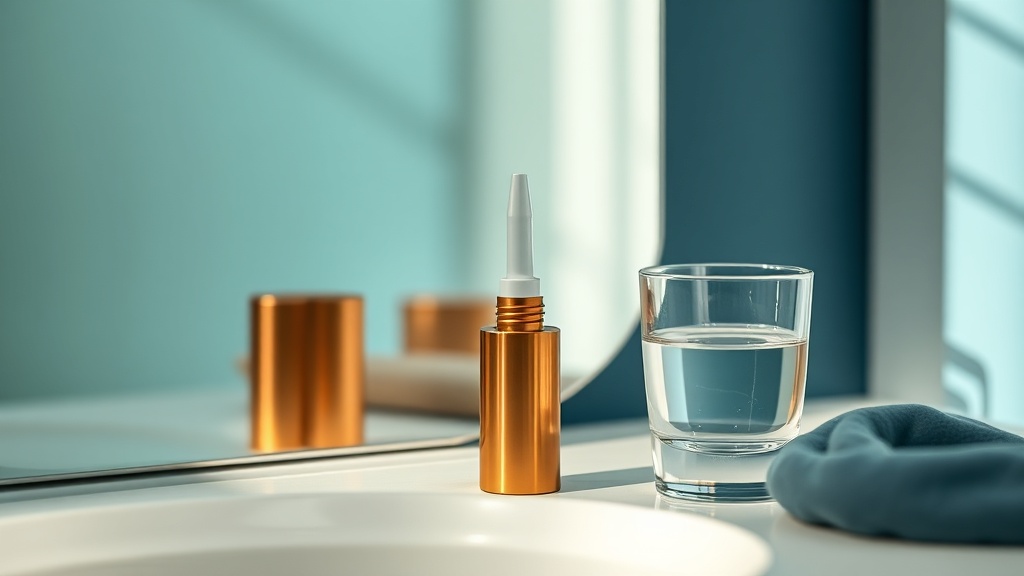
Good light, a mirror, low pressure, and slow breathing do more to free a stone than force ever will.
Most tonsil stones are harmless and can be cleared gently at home. See a dentist or an ENT if a stone will not come out and is causing real discomfort, if one tonsil stays visibly larger than the other, if you have repeated throat infections, ongoing pain or difficulty swallowing, persistent ear pain, or any bleeding. A tonsil that stays enlarged on one side in particular should always be assessed in person, so a professional can rule out other causes rather than you self-treating.
Frequently asked questions
Sources
- 1.
- 2.
- 3.
- 4.
- 5.
- 6.
- 7.
- 8.

Fix your breath at the source.
The complete science-backed protocol — engineered to eliminate volatile sulfur compounds at the biological source.
Start the Breath Protocol →Related reading
Educational purposes only. The content on this page is not medical advice and is not a substitute for consultation with a qualified dental or medical professional.
More from the library
 Causes8 min
How Do Tonsil Stones Form? The Biology, Honestly Explained
The unglamorous truth about what a tonsil stone is, how it builds up in the folds of your tonsils, and why the crypts that make them are simply part of your anatomy.
Read →→ Guides8 min
What Causes Tonsil Stones? The Biology Behind Them
Why some people get tonsil stones again and again, explained by the anatomy of the tonsil crypts.
Read →→ Best Of8 min
Best Mouthwash for Tonsil Stones: What Actually Helps
A rinse can freshen and flush, but it cannot dislodge a deep stone. Here is how to choose well.
Read →→ Answers8 min
Can Tonsil Stones Cause Bad Breath? What the Evidence Says
Why a small stone in the throat can create an outsized smell, and how to know if it is yours.
Read →→ Answers8 min
Can Tonsil Stones Make You Sick? An Honest Look
A calm, honest look at whether tonsil stones can actually make you unwell, the local nuisances they do cause, and the red flags worth taking seriously.
Read →→ Answers8 min
Can a Dentist Remove Tonsil Stones? Your Professional Options
Who actually removes tonsil stones, the in-office options from simple expression to crypt reshaping, and how to know when a professional is worth it.
Read →→