
Pregnancy Gingivitis Gum Care
A reassuring, evidence-based guide to caring for your gums through pregnancy — safely and gently.

- Pregnancy gingivitis is common: hormonal changes make the gums over-respond to ordinary plaque, so they redden, swell and bleed more easily even with the same routine.
- It is the reversible form of gum inflammation — consistent, gentle plaque control plus a professional cleaning genuinely reduces it, and it usually eases after birth.
- Dental care is safe and important during pregnancy. The common belief that dental visits should be avoided is a myth that leaves gums untreated; check-ups, cleanings and essential treatment are recommended.
- The most effective home care is unglamorous and gentle: soft-brush twice daily, clean between the teeth daily, stay hydrated, and support it with good prenatal nutrition.
- Coordinate with both your dentist and your OB or midwife, and never use a medication, mouthwash or gum product for your gums in pregnancy without professional advice.
Pregnancy gingivitis is a common, hormone-driven exaggeration of the gum's response to plaque, causing redness, swelling and bleeding. It is reversible with gentle, consistent cleaning and a professional cleaning, and eases after birth. Dental care is safe and encouraged in pregnancy — see your dentist and OB, and avoid any gum product or medicine without professional advice.
What pregnancy gingivitis is — and why it is so common
Pregnancy gingivitis is the exaggerated version of ordinary gum inflammation. The trigger is the same as always — plaque at the gum line — but pregnancy changes how strongly your gums react to it. As oestrogen and progesterone rise, they increase blood flow to the gums and heighten the local inflammatory response, so a level of plaque that once caused no visible trouble now produces red, puffy, tender gums that bleed easily. This is why it is so prevalent: studies report pregnancy-associated gingivitis affecting anywhere from about a third to nearly all pregnant people, depending on the group and how it is measured. It typically becomes noticeable in the early months, is most pronounced through the middle and later trimesters when hormones peak, and settles in the months after birth as levels normalise. The crucial, reassuring fact is that this is the reversible kind of gum inflammation. It has not damaged the bone or the attachment holding your teeth; it is soft-tissue inflammation responding to a build-up that keeps returning. That means the same simple lever still works — remove the plaque consistently and gently — and it means the goal of care in pregnancy is not to fight a disease but to keep the gums calm and comfortable through a temporary, hormonally sensitive window.
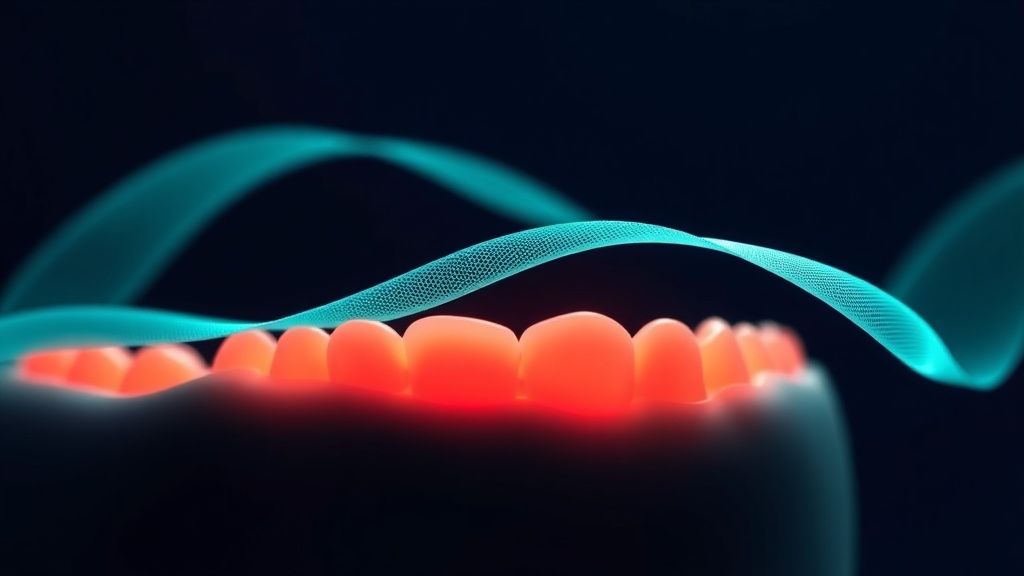
Pregnancy gingivitis is reversible soft-tissue inflammation — gentle, consistent plaque control calms it.
What the research actually shows
Every claim below maps to a named, peer-reviewed source in the Sources section. According to PubMed.
| Claim | Evidence | Source |
|---|---|---|
| Pregnancy-associated gingivitis is highly prevalent, with reported rates ranging from about 35% to 100% across studies. | Prospective study and review. | Gursoy et al., 2014 |
| Rising oestrogen and progesterone are linked to the increased prevalence and severity of gingival inflammation in pregnancy. | Review of pregnancy and gingival inflammation. | Wu et al., 2015 |
| Not using oral-hygiene aids and not attending dental visits were the strongest factors associated with gingivitis in pregnant women. | Cross-sectional study (n=92). | Gallardo Chavez et al., 2022 |
| Beliefs that dental treatment is unsafe in pregnancy are common but unfounded and reduce needed dental care. | Systematic review of beliefs. | Kamalabadi et al., 2023 |
| Essential dental treatment, including local anaesthetics, was not associated with increased risk of adverse pregnancy outcomes at 13–21 weeks. | Randomized controlled trial (n=823). | Michalowicz et al., 2008 |
A trimester-by-trimester care rhythm
| Stage | What tends to happen | Care focus |
|---|---|---|
| First trimester | Gums may start reacting; nausea can affect brushing | Gentle routine; rinse with water after any vomiting; tell your dentist you are pregnant |
| Second trimester | Often the best window for dental visits | Schedule a check-up and professional cleaning; keep daily cleaning consistent |
| Third trimester | Inflammation often at its peak; comfort matters | Keep cleaning gently; shorter dental appointments, comfortable positioning |
| After birth | Hormones normalise; gums usually calm | A follow-up cleaning; reassess any lump or lingering bleeding |
Clearing up the safety myth
One of the biggest obstacles to healthy gums in pregnancy is not the biology but a belief: the widespread idea that dental care should be avoided while pregnant. Reviews of what expectant parents believe find this myth is common — many worry that a dental visit, an X-ray, or local anaesthetic could harm the baby, and so they skip the very care that would calm their gums. The evidence points the other way. A large randomised trial found that essential dental treatment, including the use of local anaesthetics, during the second trimester was not associated with increased risk of adverse pregnancy outcomes, and professional bodies consider routine and preventive dental care safe throughout pregnancy. Cleanings, exams, and necessary treatment are appropriate; the practice will use safe positioning and shielding and will coordinate around your pregnancy. There is a nuance to state honestly: gum inflammation has been associated in some studies with outcomes such as preterm birth, but treating gum disease during pregnancy has not been shown to reliably prevent those outcomes — so the reason to keep up dental care is your own gum health and comfort, not a promise about birth outcomes. The practical takeaway is clear and calm: pregnancy is a time to stay in dental care, not step away from it, and to make decisions with both your dentist and your OB or midwife.
Evidence you can act on.
Occasional emails — new research, new protocols, no noise.
Your gentle pregnancy gum-care routine
This is supportive, preventive care — not treatment of a disease — designed to keep your gums calm through pregnancy. Coordinate it with your dentist and prenatal team, and clear any product or medicine with them first.
- 1
Brush gently, twice a day, two minutes
2 minutes, twice dailyUse a soft-bristled brush at the gum line with light pressure and a careful technique. This is the foundation — most pregnancy gum trouble comes down to plaque the gums are now over-reacting to, and gentle, thorough brushing is the direct answer.
- 2
Clean between the teeth every day
about 1 minute dailyFloss or an interdental brush reaches the between-teeth plaque a brush misses, where pregnancy inflammation often concentrates. A little bleeding at first is expected with inflamed gums; keep it gentle and consistent and it usually improves within a week or two.
- 3
Manage nausea without harming enamel
as neededIf morning sickness leads to vomiting, rinse your mouth with water afterwards and wait a while before brushing, so you are not brushing acid into the enamel. If toothpaste flavour triggers nausea, a bland or milder paste can help you keep up the routine.
- 4
Support your gums through nutrition and hydration
ongoingA balanced, vegetable- and fruit-rich diet with adequate vitamin C supports the gum tissue and helps reduce bleeding. Stay well hydrated. Discuss any supplements with your OB or midwife rather than self-prescribing.
- 5
See your dentist and coordinate with your OB
per trimester / as advisedBook a check-up and professional cleaning — the second trimester is often the most comfortable window — and tell the practice you are pregnant and how far along. Keep your OB or midwife informed, and raise any lump, persistent bleeding or pain promptly.

Routine dental care is safe and encouraged in pregnancy — a professional cleaning is a cornerstone of gum care.
Pregnancy gingivitis is common and manageable, but it is care to share with professionals, not to handle entirely alone. See a dentist for a routine check-up and cleaning during pregnancy, and sooner if you notice a gum lump, swelling with pain, pus or a bad taste, a loose tooth, or bleeding that will not settle. Keep your OB or midwife informed and coordinate care between them. Dental cleanings and essential treatment are safe in pregnancy. And never take any medication or use any mouthwash or gum product for your gums without first checking with your dentist and prenatal provider.
Frequently asked questions
Sources
- 1.
- 2.
- 3.
- 4.
- 5.
- 6.
- 7.
- 8.
- 9.

Fix your breath at the source.
The complete science-backed protocol — engineered to eliminate volatile sulfur compounds at the biological source.
Start the Breath Protocol →Related reading
Educational purposes only. The content on this page is not medical advice and is not a substitute for consultation with a qualified dental or medical professional.
More from the library
 Causes9 min
Swollen Gums During Pregnancy: Why It Happens
Why pregnancy makes gums swell, what is normal, and the safe steps to take with your dental and prenatal team.
Read →→ Causes9 min
Bleeding Gums During Pregnancy: Why and What Helps
Why pregnancy gums bleed, why gentle cleaning is still the answer, and when to call your dental and prenatal team.
Read →→ Guides9 min
Gum Inflammation: How It Works and How to Calm It
The mechanism behind red, swollen, bleeding gums — and the evidence-based ways to settle it.
Read →→ Answers8 min
Can Receding Gums Grow Back? The Honest Answer
It is the question everyone with recession asks. The straight answer, and what you can realistically do instead.
Read →→ Guides8 min
Gum Disease Symptoms: The Early Warnings You Can Feel
The symptoms of gum disease you can feel and notice yourself, why bleeding comes first, and when a symptom means see a dentist now.
Read →→ Guides8 min
Periodontal Disease: The Full Spectrum, Explained
A clear, honest overview of periodontal disease as a spectrum: the difference between gingivitis and periodontitis, what the colloquial phrase gum disease misses, and why early bleeding is the signal to act.
Read →→