Dry Mouth During Menopause: Why It Happens and How to Feel Better
The honest link between menopause and a dry mouth, why it is often more than hormones, and calm ways to ease the dryness.

- A drier mouth is a common experience around menopause, and you are not imagining it. Falling oestrogen is part of the reason.
- Oestrogen receptors sit in the salivary glands and mouth lining, which gives a plausible route for hormonal change to affect how moist your mouth feels.
- It is usually more than hormones: mid-life medications, disturbed sleep, mouth breathing and stress often stack on top, and medications are the leading everyday cause overall.
- Products help the feeling, not the hormones. Water, sugar-free gum or mints, sprays and gels can ease dryness, but they do not change what is happening hormonally.
- Because dry mouth can have many causes and raises decay risk, a check with your doctor, gynaecologist or dentist is worth it, especially if it is persistent or came with a new medication.
Dry mouth is a recognised complaint around menopause, linked in part to falling oestrogen, since hormone receptors sit in salivary tissue. It is rarely the whole story though, as medications, poor sleep, mouth breathing and stress often add to it. Comfort measures ease the feeling, while a clinician helps sort out the causes and protect your teeth.
How menopause and a dry mouth connect
Menopause changes the body's hormone balance, and the mouth is more involved in that than most people expect. Researchers have found oestrogen receptors in the salivary glands and the lining of the mouth, which means these tissues can respond to hormonal shifts. As oestrogen falls, some women notice the mouth feels drier, stickier or more tender, and reviews of menopause and oral health list dry mouth and a burning sensation among the principal oral complaints of this stage. It helps to know that feeling dry does not always match measured saliva. In burning mouth syndrome, which has a clear link to the peri- and post-menopausal years, the mouth can feel dry and sore even when saliva flow tests as normal, because the change is partly in how the nerves report sensation. That is why the honest picture is a mix: a genuine hormonal contribution layered with everything else that arrives in mid-life. Understanding this matters, because it points to comfort measures that work on the feeling and, separately, to a clinician who can look at the causes.

Night-time dryness is a common menopause pattern; water and moisture support on the nightstand make the small hours easier.
What the research actually shows
Every claim below maps to a named, peer-reviewed source in the Sources section. According to PubMed.
| Claim | Evidence | Source |
|---|---|---|
| Dry mouth and burning mouth are among the principal oral complaints around and after menopause, and hormone therapy does not reliably relieve them. | Systematic review of menopause and oral health. | Meurman et al., 2009 |
| In perimenopausal women, dry mouth was significantly linked to age, the number of medications, psychotropic drugs and several menopausal symptoms. | Study of 118 perimenopausal outpatients. | Shinohara et al., 2021 |
| Women were more likely than men to show measurably low saliva flow (about 2.4 times the odds) in a screening study where most participants were post-menopausal. | Cross-sectional screening study of 561 adults. | Ekkert et al., 2024 |
| Burning mouth syndrome, which overlaps with dry-mouth sensations, has a clear predisposition in peri- and post-menopausal women and can occur even when salivation is normal. | Clinical review of burning mouth syndrome. | Gurvits and Tan, 2013 |
| Around 1 in 5 older adults report dry mouth overall, so menopause sits within a broader rise in dryness with age. | Systematic review and meta-analysis. | Kamnoedboon et al., 2026 |
What can feed a dry mouth around menopause
| Factor | Why it matters | Can you act on it? |
|---|---|---|
| Lower oestrogen | Hormone receptors in salivary tissue mean hormonal shifts can change how moist the mouth feels | Partly - discuss with your clinician |
| Medications | Many common mid-life medicines list dry mouth as a side effect, and they are the leading everyday cause overall | Yes - review with your prescriber |
| Disturbed sleep and mouth breathing | Waking at night and breathing through the mouth dry the tissues, a frequent menopause overlap | Often yes |
| Stress and anxiety | Tension can reduce the flow of saliva in the moment | Often yes |
| Burning or altered taste | A separate menopause-linked sensation that can travel with dryness | Ask a professional |
Why it is usually more than hormones
It is tempting to put a mid-life dry mouth down to hormones alone, but the evidence pushes back on a single cause. In one study of perimenopausal women, dryness tracked most strongly with age, the number of medications and psychotropic drugs, not with hormones in isolation. That fits the wider picture, where medications are the single most frequently reported cause of dry mouth across all adults. Mid-life often brings new prescriptions for blood pressure, mood or bladder, and many of them reduce saliva as a side effect. On top of that, broken sleep and mouth breathing, both common around menopause, dry the tissues overnight, which is why so many women describe the worst dryness first thing in the morning. There is also an honest note on hormone therapy: reviews find it does not reliably relieve oral dryness, so it is not a reliable answer for the mouth even when it helps other symptoms, and it is a decision for your doctor. The practical takeaway is reassuring. Because several fixable factors usually stack together, there are usually several things you can adjust to feel better, rather than one hormone to blame.
Evidence you can act on.
Occasional emails — new research, new protocols, no noise.
Calm ways to ease a menopausal dry mouth
These steps work on the feeling of dryness and protect your teeth while you and a clinician look at the causes. None of this changes your hormones or cares for a disease; it simply makes the days and nights more comfortable.
- 1
Keep moisture within reach
through the day and nightSip water regularly rather than in large gulps, and keep a glass by the bed. Frequent small sips keep the tissues moist better than occasional big drinks.
- 2
Keep saliva moving
as neededSugar-free xylitol gum or mints gently stimulate saliva and freshen the mouth. Because a dry mouth raises decay risk, keeping these sugar-free matters.
- 3
Try a saliva spray or gel at night
before bedMoisturising sprays and gels give longer-lasting comfort than water for night-time dryness. A bedroom humidifier and nose breathing can help too if you wake up parched.
- 4
Protect your teeth
twice dailyBrush and floss thoroughly and ask your dentist whether a higher-strength fluoride is right for you. Low saliva leaves teeth more exposed, so steady dental care pays off.
- 5
Review the whole picture with a professional
at your next visitBring a list of your medications and symptoms to your doctor or dentist. They can spot a medication cause, weigh options and check for anything that needs more attention. Never stop a prescribed medicine on your own.

Comfort measures work on the feeling of dryness; a clinician helps sort the hormonal and non-hormonal causes behind it.
A passing dry spell is normal, but some things deserve a proper look. See your doctor, gynaecologist or dentist if dry mouth is persistent, began after a new medication, comes with dry eyes or joint aches, or is leaving you with new sensitivity or cavities. Dry eyes and dry mouth together, in particular, are worth mentioning so a clinician can check what is behind them. Never stop or change a prescribed medicine on your own to ease dryness; your prescriber can look at safer options. Menopause is a good moment to review the whole picture with someone who can see it in context.
Frequently asked questions
Sources
- 1.
- 2.
- 3.
- 4.
- 5.
- 6.
- 7.
- 8.

Fix your breath at the source.
The complete science-backed protocol — engineered to eliminate volatile sulfur compounds at the biological source.
Start the Breath Protocol →Related reading
Educational purposes only. The content on this page is not medical advice and is not a substitute for consultation with a qualified dental or medical professional.
More from the library
 Guides8 min
What Causes Dry Mouth? The Common Triggers, Explained
Dry mouth almost always has an identifiable trigger, and knowing yours is the first step toward relief.
Read →→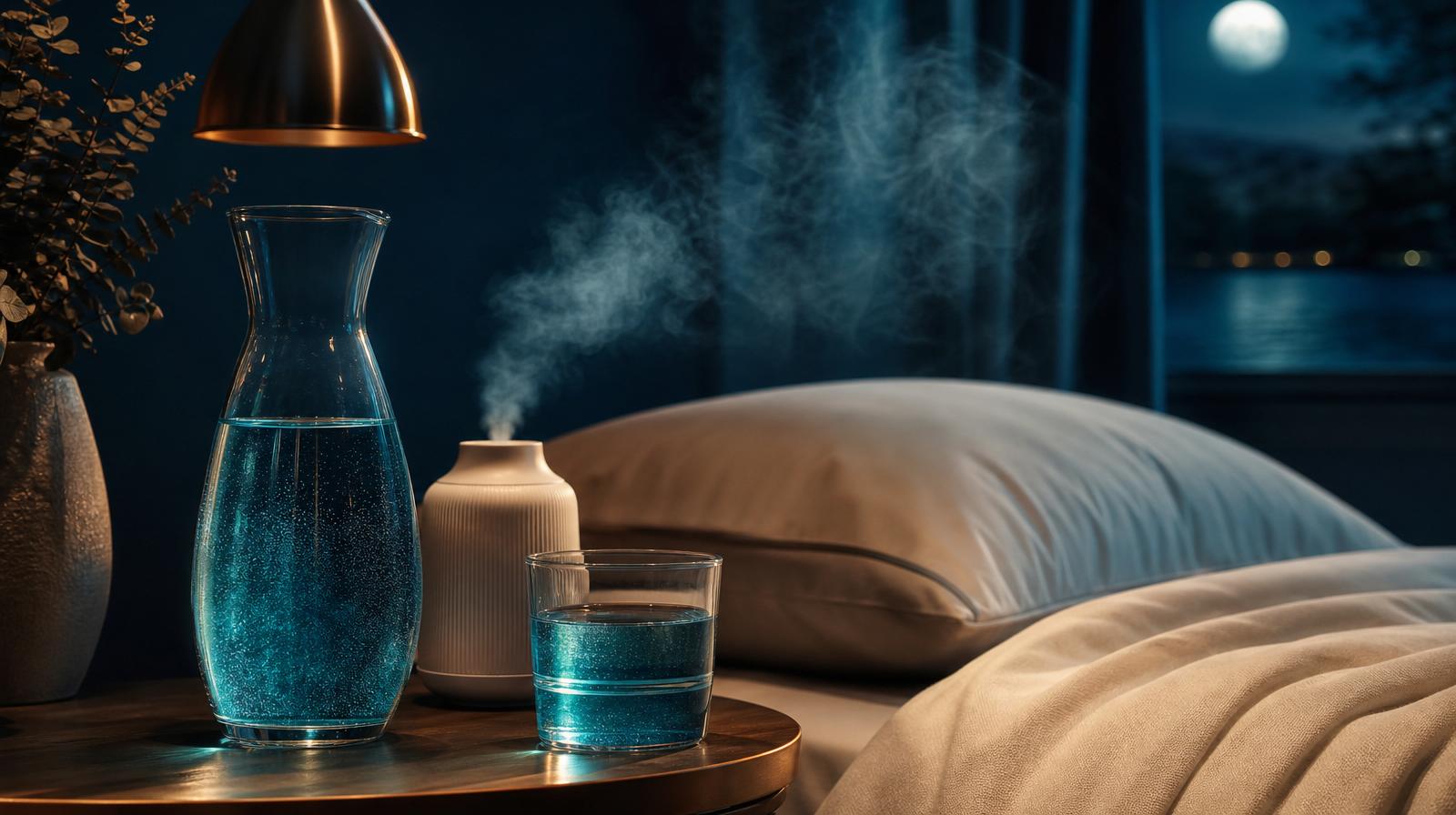 Guides8 min
Dry Mouth at Night: Why It Happens and How to Sleep Easier
Nighttime dryness is common because your saliva naturally slows while you sleep, and a few targeted habits can make a real difference.
Read →→ Guides8 min
How to Fix Dry Mouth: An Evidence-Based Guide
Dry mouth is usually manageable once you know what is driving it and which supportive habits actually move the needle.
Read →→ Best Of8 min
Best Mouthwash for Dry Mouth: What to Look For
The best dry-mouth rinse is the one that soothes without drying, and the label tells you more than the marketing.
Read →→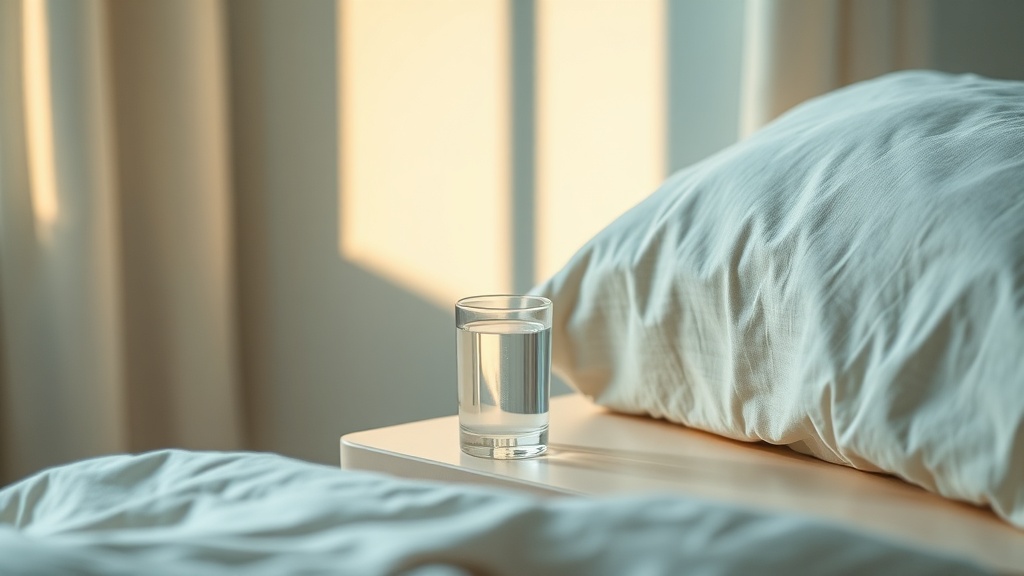 Answers8 min
Does Dry Mouth Cause Bad Breath?
Low saliva and bad breath are closely linked, and understanding the connection points straight to what helps.
Read →→ Reviews8 min
XyliMelts Side Effects: An Honest, Evidence-Based Review
An honest look at what XyliMelts adhering discs feel like overnight, what side effects people report, and where the evidence for comfort really stands.
Read →→