Why Are My Gums Swollen?
A clear run-through of what actually makes gums swell, from everyday plaque to hormones, medicines and infection, and how to tell an ordinary cause from one that needs prompt care.
- The most common reason gums swell is plaque-driven inflammation at the gumline, known as gingivitis, the mild and reversible stage of gum disease.
- Swelling is simply the tissue reacting to irritation with extra blood and fluid, which is why it usually settles once the plaque driving it is cleaned away.
- Other everyday causes stack on top: pregnancy hormones, mouth-breathing, food trapped between teeth, a rough filling edge, some medications, and a diet very low in vitamin C.
- A distinct category behaves differently and matters most: infection. A gum abscess, painful lump, or fast one-sided swelling is not ordinary gingivitis and needs prompt care.
- Have swelling checked if it is painful, fast, one-sided, forms a lump, comes with fever or trouble swallowing, or has not settled after two weeks of good home care.
Gums most often swell because plaque has inflamed the tissue at the gumline, the condition called gingivitis, which draws in extra blood and fluid. Pregnancy, mouth-breathing, trapped food, some medicines and low vitamin C add to it. This everyday swelling is reversible with gentle cleaning, but a painful abscess, fast one-sided swelling or fever needs prompt dental care.
The one cause behind most swelling
When gums swell, the usual explanation is the same as for gums that bleed: plaque. Plaque is the soft daily film of bacteria that gathers along the gumline, and where it is left in place, the bacteria irritate the gum. The body meets that irritation the way it meets any irritation, by sending more blood and fluid to the area, and that influx is exactly what makes the tissue puffy, rounded, red and tender. This plaque-driven swelling is gingivitis, the mild and reversible stage of gum disease, and it has not yet touched the bone or the fibres that hold the teeth in place. The reason this is reassuring rather than alarming is that the swelling responds directly to cleaning. In classic experiments, when people stopped brushing, gum inflammation including swelling appeared within two to three weeks, and when they resumed good plaque control, every measure returned to baseline. So the default answer to why gums swell is plaque, and the default remedy is better, gentler cleaning. About one in three people are high responders whose gums inflame more strongly to the same amount of plaque, which is part of why two people with similar routines can have very different amounts of puffiness. That tendency is not a fault; it simply means those people gain the most from consistent daily care.
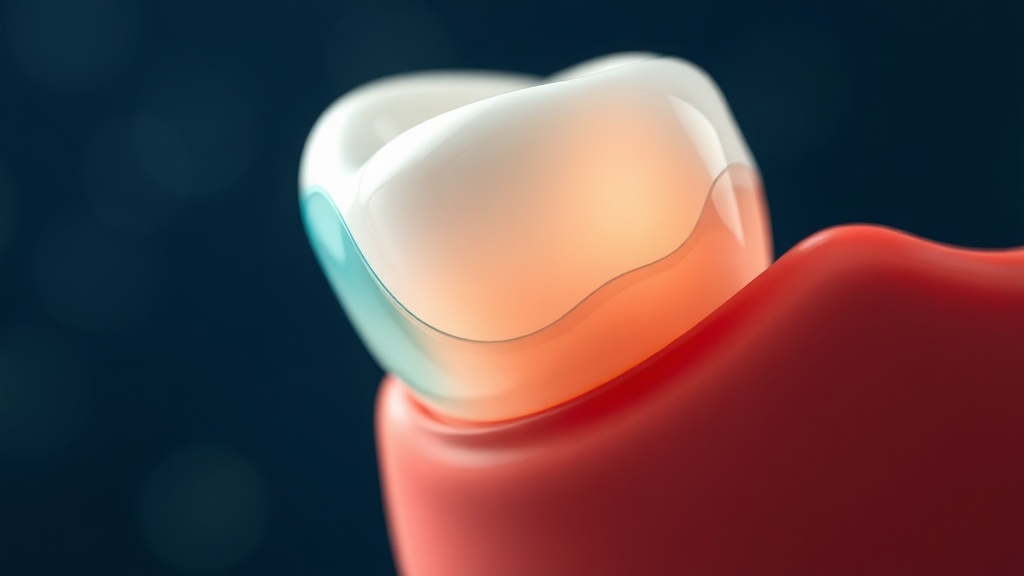
Plaque at the gumline irritates the gum, drawing in extra blood and fluid, which is the swelling you see and feel.
What the research actually shows
Every claim above maps to a named, peer-reviewed source in the Sources section. According to PubMed.
| Claim | Evidence | Source |
|---|---|---|
| Gingival inflammation, including swelling, is reversible: it builds within two to three weeks of stopping cleaning and returns to baseline once good plaque control resumes. | Experimental-gingivitis clinical study. | Wellappuli et al., 2017 |
| About one third of people are high responders whose gums inflame more strongly to the same plaque load, explaining why some swell more than others. | Analysis of individual gingival response. | Wellappuli et al., 2017 |
| Severe vitamin C deficiency causes swollen, bleeding gums that resolve within about four days of restoring the vitamin. | Review of vitamin C and periodontal tissue. | Van der Velden, 2020 |
| A diet low in vitamin C is a modest but significant risk marker for gum inflammation, strongest in smokers. | NHANES III analysis of 12,419 adults. | Nishida et al., 2000 |
| A residual deep gum pocket carries steeply higher odds of tooth loss, which is why persistent swelling with deeper disease needs professional care, not home measures. | Eleven-year cohort study. | Matuliene et al., 2008 |
Causes of swollen gums at a glance
| Cause | Why it swells the gum | Can you address it at home? |
|---|---|---|
| Plaque at the gumline (gingivitis) | Bacteria inflame the tissue, drawing in blood and fluid | Yes, with gentle cleaning plus a professional cleaning |
| Pregnancy and hormones | Hormones heighten the gum response to plaque | Partly, keep cleaning; tell your dentist you are pregnant |
| Mouth-breathing | Dries the front gums, leaving them puffier | Partly, stay hydrated; address nasal congestion |
| Trapped food or a rough filling edge | Local irritation of one area | Clean gently; see a dentist if it persists |
| Certain medications | Some cause gum tissue to overgrow | No, ask your dentist and doctor; do not stop medicines yourself |
| Very low vitamin C | Weakens gum tissue and small vessels | Partly, improve diet; severe cases need medical input |
| Infection or abscess | Pus and inflammation from a localised infection | No, this needs prompt professional treatment |
Hormones, medicines, and the swelling that is different
Beyond plaque, a handful of factors decide how swollen your gums become, and one category stands apart. Hormones are a frequent contributor: in pregnancy, higher hormone levels amplify the gum response to the very same plaque, so puffy, tender gums are common and usually ease after birth while responding to gentle cleaning meanwhile. Mouth-breathing dries the front gums and can leave them looking swollen, often worst on waking. Local irritants, food wedged between teeth, a rough filling margin, a partial denture that rubs, can swell a single area. Certain medications are a distinct cause worth naming because the fix is different: some can make gum tissue overgrow, and that change is managed with a dentist and doctor rather than by adjusting anything yourself. Nutrition contributes too, with severe vitamin C deficiency causing swollen, bleeding gums that clear within days of repletion. Then there is the category that does not behave like gingivitis at all: infection. A gum abscess, a painful pimple or lump, fast swelling concentrated on one side, or swelling with fever or difficulty swallowing is a sign of infection that can spread, and it calls for prompt professional care rather than a home routine. Recognising which kind of swelling you are dealing with, the slow general puffiness of plaque versus the fast, painful, localised swelling of infection, is the single most useful judgement you can make.
Evidence you can act on.
Occasional emails — new research, new protocols, no noise.
How to work out what is behind your swelling
These steps help you read your own gums and respond sensibly for everyday plaque-driven swelling. They support the tissue and lower the plaque behind most puffiness; they are not treatment of a disease, and painful or spreading swelling needs prompt care.
- 1
Look at the pattern of the swelling
right awayGeneral, mild puffiness along the gumline that is tender but not acutely painful points to plaque and gingivitis. Swelling that is painful, fast, one-sided, or a distinct lump points instead to infection and should be seen promptly, not managed at home.
- 2
Improve gentle daily cleaning
1 to 2 weeksBrush gently twice a day with a soft brush and clean between the teeth daily to clear the plaque and trapped food that drive most swelling. A warm saltwater rinse soothes tender gums meanwhile. Expect everyday swelling to ease over one to two weeks.
- 3
Address the contributing factors
ongoingStay hydrated if mouth-breathing is drying your gums, get enough vitamin C from fruit and vegetables, and clear any food that keeps packing into one spot. These support recovery alongside cleaning rather than replacing it.
- 4
Note medicines and life stage
ongoingIf you are pregnant, or have started a medication, note it and raise it with your dentist and doctor, some medicines swell or overgrow gum tissue. Do not stop or change a prescribed medicine on your own; let the professionals adjust the plan.
- 5
See a dentist to confirm the cause
as advisedA professional cleaning removes tartar you cannot reach and lets a dentist tell you whether the swelling is gingivitis, a medication effect, or an infection needing treatment. Book promptly if it is painful, one-sided, or not settling.
Hormones, mouth-breathing, trapped food, some medicines and low vitamin C each add to plaque as reasons gums swell.
See a dentist promptly if gum swelling is painful, comes on fast, is concentrated on one side or around a single tooth, or forms a distinct lump, pimple or abscess. Seek urgent care if swelling spreads to the face or neck or comes with fever or difficulty swallowing or breathing, which can signal a spreading infection. Also have persistent swelling checked if it has not improved after two weeks of good home care, or if it appears with a new medication, loose teeth or receding gums. These need professional diagnosis and treatment rather than home care.
Frequently asked questions
Sources
- 1.
- 2.
- 3.
- 4.
- 5.
- 6.
- 7.
- 8.

Fix your breath at the source.
The complete science-backed protocol — engineered to eliminate volatile sulfur compounds at the biological source.
Start the Breath Protocol →Related reading
Educational purposes only. The content on this page is not medical advice and is not a substitute for consultation with a qualified dental or medical professional.
More from the library
 Guides8 min
Swollen Gums: What They Mean and What to Do
A calm, honest guide to why gums swell, why the everyday cause is reversible, and the point at which swelling is a signal to see a professional quickly.
Read →→ Guides8 min
Bleeding Gums: What They Mean and What to Do
A calm, honest guide to why gums bleed, why it is almost always reversible in the early stage, and the point at which bleeding is a signal to see a professional.
Read →→ Causes8 min
Why Are My Gums Bleeding? The Real Causes
A clear run-through of what actually makes gums bleed, from everyday plaque to hormones and medicines, and how to tell an ordinary cause from one that needs a professional.
Read →→ Guides8 min
Gum Recession Treatment: Every Option, Compared
The right treatment depends on why your gums receded and how far. Here is the full ladder, with what each rung can honestly deliver.
Read →→ Guides8 min
Gum Disease Symptoms: The Early Warnings You Can Feel
The symptoms of gum disease you can feel and notice yourself, why bleeding comes first, and when a symptom means see a dentist now.
Read →→ Answers8 min
Can Receding Gums Grow Back? The Honest Answer
It is the question everyone with recession asks. The straight answer, and what you can realistically do instead.
Read →→