
Why Are My Gums Bleeding?
A clear run-through of what actually makes gums bleed, from everyday plaque to hormones and medicines, and how to tell an ordinary cause from one that needs a professional.

- By far the most common reason gums bleed is plaque-driven inflammation at the gumline, known as gingivitis, the mild and reversible stage of gum disease.
- Everyday triggers add to it: starting to floss again, brushing too hard with a stiff brush, hormonal shifts in pregnancy, certain medications, and a diet very low in vitamin C.
- Because inflamed gums bleed easily, bleeding is a signal of irritation, not a sign your gums are too delicate to clean. In most cases better, gentler cleaning reverses it.
- The less common but important causes include periodontitis, where inflammation has reached the deeper support of the teeth, and, rarely, wider medical conditions that affect bleeding.
- Bleeding that is spontaneous, heavy, one-sided, or paired with loose teeth, receding gums or easy bruising elsewhere should be assessed by a professional rather than managed at home.
Gums most often bleed because a film of plaque has inflamed the tissue at the gumline, the condition called gingivitis. Newly resumed flossing, hard brushing, pregnancy hormones, some medicines and low vitamin C can all add to it. This everyday bleeding is reversible with gentle cleaning, but spontaneous, heavy or persistent bleeding needs a dentist.
The one cause behind most bleeding
If your gums bleed, the odds strongly favour a single explanation: plaque. Plaque is the soft film of bacteria that forms on teeth every day, and where it collects along the gumline it irritates the gum. Irritated tissue becomes inflamed, which means more blood flow, swelling and fragile surface vessels, so it bleeds at the lightest touch. This plaque-driven inflammation is gingivitis, and it is genuinely near-universal: worldwide, gingival bleeding is the most prevalent sign of periodontal disease. What makes gingivitis reassuring rather than alarming is that it lives entirely in the reversible tier. It has not yet damaged the bone or the fibres that hold teeth in place. In classic experiments, when volunteers stopped cleaning their teeth, gum inflammation and bleeding appeared within two to three weeks, and when they resumed good cleaning, every measure returned to baseline. So the most common cause of bleeding gums is also the most fixable one. Interestingly, roughly one in three people are high responders whose gums inflame more strongly to the same amount of plaque, which is why two people with similar habits can have very different amounts of bleeding. That is not a flaw to fear, but a reason those people benefit most from consistent daily cleaning.
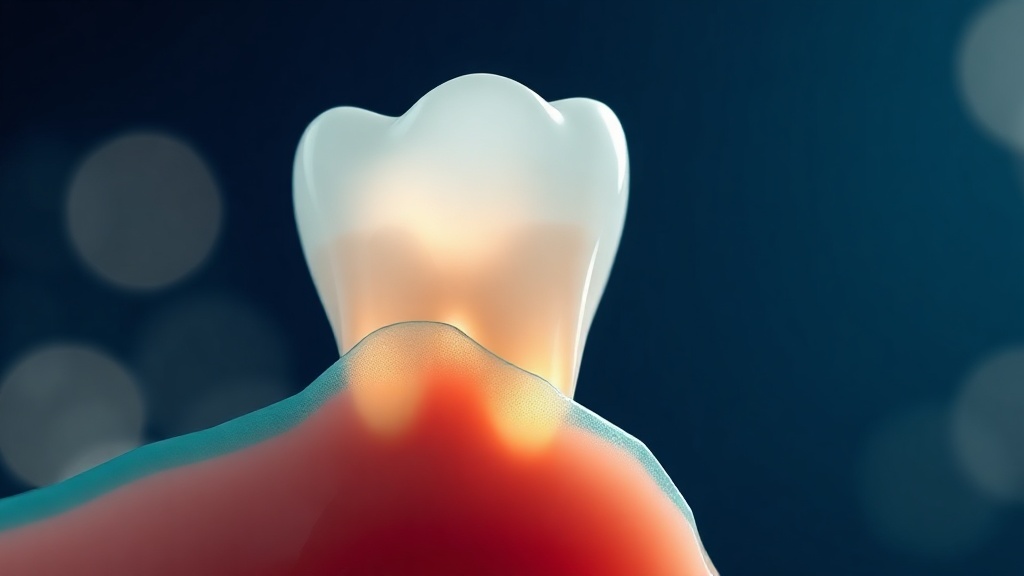
Plaque at the gumline inflames the gum, raising blood flow and swelling the surface vessels so the tissue bleeds when disturbed.
What the research actually shows
Every claim above maps to a named, peer-reviewed source in the Sources section. According to PubMed.
| Claim | Evidence | Source |
|---|---|---|
| Gingival bleeding is the single most prevalent sign of periodontal disease worldwide, making plaque-driven inflammation the default explanation for bleeding gums. | WHO global review of periodontal health. | Petersen & Ogawa, 2005 |
| Bleeding from plaque is reversible: stopping cleaning brings on inflammation within two to three weeks, and resuming it returns bleeding to baseline. | Experimental-gingivitis clinical study. | Wellappuli et al., 2017 |
| About one third of people are high responders whose gums inflame more strongly to the same plaque load, explaining why some bleed more than others. | Analysis of individual gingival response. | Wellappuli et al., 2017 |
| A diet very low in vitamin C is a modest but significant risk marker for gum bleeding, strongest in smokers, and severe deficiency causes bleeding directly. | NHANES III analysis of 12,419 adults. | Nishida et al., 2000 |
| Smoking is the biggest modifiable driver of gum disease, and it can mask bleeding by reducing blood flow, so smokers may bleed less while damage progresses. | Prospective meta-analysis of smoking and periodontitis. | Leite et al., 2018 |
Common causes of bleeding gums at a glance
| Cause | Why it makes gums bleed | Can you address it at home? |
|---|---|---|
| Plaque at the gumline (gingivitis) | Bacteria inflame the tissue so it bleeds easily | Yes, with gentle, consistent cleaning plus a professional cleaning |
| Just started flossing again | Inflamed tissue reacts to being cleaned after a gap | Yes, keep going gently; it usually settles in one to two weeks |
| Brushing too hard with a stiff brush | Physical trauma bruises the gum margin | Yes, switch to a soft brush and a lighter touch |
| Pregnancy and hormonal changes | Hormones heighten the gum response to plaque | Partly, keep cleaning; tell your dentist you are pregnant |
| Certain medications (e.g. blood thinners) | Reduce clotting or alter gum tissue | Mention to your doctor and dentist; do not stop medicines on your own |
| Very low vitamin C | Weakens gum collagen and small vessels | Partly, improve diet; severe cases need medical input |
| Periodontitis or another condition | Deeper inflammation or a systemic cause | No, this needs professional assessment |
The everyday triggers that tip gums over the edge
Plaque sets the stage, but several everyday factors decide how much your gums actually bleed. Resuming flossing after a break is a classic one: the tissue between the teeth has been quietly inflamed, and cleaning it for the first time in a while makes it bleed briefly before it heals. Brushing too hard with a stiff brush is different, that is mechanical trauma, and while it can make gums bleed it can also, over time, wear the gum back, which is why a soft brush and a gentle hand always win. Hormones matter too. In pregnancy, higher hormone levels exaggerate the gum response to the very same plaque, so many people notice pregnancy-related bleeding even with unchanged habits; it typically eases after birth, and good cleaning keeps it in check meanwhile. Some medications, blood thinners in particular, make any bleeding more obvious, and a few can change the gum tissue itself. Nutrition plays a supporting role: severe vitamin C deficiency causes bleeding gums that clear within days of restoring the vitamin, and a diet low in vitamin C is a modest risk marker. None of these erase the main point, that plaque control is the lever, but they explain why your gums may bleed more at some times than others.
Evidence you can act on.
Occasional emails — new research, new protocols, no noise.
How to work out what is behind your bleeding
These steps help you read your own gums and respond sensibly. They support the tissue and lower the plaque driving most bleeding; they do not treat a disease, and persistent bleeding still means a professional visit.
- 1
Notice when and where it bleeds
a few daysBleeding only when you brush or floss, especially in spots you have neglected, points strongly to plaque and gingivitis. Bleeding with no trigger at all, or always from the same single site, is more of a reason to be seen.
- 2
Switch to a soft brush and a gentle technique
immediatelyRule out hard brushing as a cause by using a soft-bristle brush at a gentle forty-five-degree angle. If bleeding was partly trauma, this alone helps within days while still clearing plaque effectively.
- 3
Clean between the teeth daily and keep at it
1 to 2 weeksStart or restart daily flossing or interdental brushes. Expect brief bleeding at first, then improvement over one to two weeks as inflammation settles. Persisting gently is the test: real gingivitis responds.
- 4
Review diet, medicines and life stage
ongoingSupport your gums with adequate vitamin C from fruit and vegetables. If you are pregnant, on blood thinners, or have started a new medication, note it, and raise it with your dentist and doctor rather than adjusting anything yourself.
- 5
Get a professional cleaning and check
as advisedA dentist or hygienist removes the hardened tartar you cannot reach and tells you whether the cause is simple gingivitis or something deeper. This is the step that turns guesswork into an answer.

Flossing after a gap, hard brushing, low vitamin C and some medicines each raise how much inflamed gums bleed, on top of the underlying plaque.
See a dentist if your gums bleed on their own without being touched, if bleeding is heavy or will not stop, if it always comes from one particular spot, or if it continues despite two weeks of careful, gentle cleaning. Get seen sooner if bleeding comes with loose or shifting teeth, gums pulling away from the teeth, pus, persistent bad taste, or if you also bruise easily elsewhere on your body. These patterns can signal periodontitis or, rarely, a wider medical condition, and they need a professional diagnosis rather than home care.
Frequently asked questions
Sources
- 1.
- 2.
- 3.
- 4.
- 5.
- 6.
- 7.
- 8.
- 9.

Fix your breath at the source.
The complete science-backed protocol — engineered to eliminate volatile sulfur compounds at the biological source.
Start the Breath Protocol →Related reading
Educational purposes only. The content on this page is not medical advice and is not a substitute for consultation with a qualified dental or medical professional.
More from the library
 Guides8 min
Bleeding Gums: What They Mean and What to Do
A calm, honest guide to why gums bleed, why it is almost always reversible in the early stage, and the point at which bleeding is a signal to see a professional.
Read →→ Answers8 min
How to Stop Bleeding Gums: A Practical Guide
A calm, step-by-step routine for settling bleeding gums, why keeping at it works, and the point at which stopping the bleeding needs a professional rather than home care.
Read →→ Causes8 min
Why Do My Gums Bleed When I Floss?
The specific reason flossing makes gums bleed, why it is usually a good sign that improves with time, and the point at which flossing-related bleeding needs a professional.
Read →→ Answers8 min
Can Receding Gums Grow Back? The Honest Answer
It is the question everyone with recession asks. The straight answer, and what you can realistically do instead.
Read →→ Guides8 min
Gum Disease Symptoms: The Early Warnings You Can Feel
The symptoms of gum disease you can feel and notice yourself, why bleeding comes first, and when a symptom means see a dentist now.
Read →→ Guides8 min
Periodontal Disease: The Full Spectrum, Explained
A clear, honest overview of periodontal disease as a spectrum: the difference between gingivitis and periodontitis, what the colloquial phrase gum disease misses, and why early bleeding is the signal to act.
Read →→