
What Causes Receding Gums? The Everyday Habits Behind Them
The plain-language guide to what makes gums recede — the daily habits and health factors that quietly drive it.

- Receding gums usually come down to everyday things: how hard you brush, how well plaque is cleared, whether you smoke, and whether you grind your teeth.
- The biggest surprise for most people is that brushing harder makes it worse, not better — force and stiff bristles physically wear the gum away.
- Plaque left along the gumline inflames and breaks down the margin; that early, puffy, bleeding stage (gingivitis) is reversible if you act on it.
- Smoking and teeth-grinding are big background multipliers that quietly speed recession and slow the gum from recovering.
- The habits that drive most recession are exactly the ones you can change — which is good news, because stopping the cause stops the damage getting worse.
Receding gums are mostly caused by everyday habits: brushing too hard, missing plaque between the teeth, smoking, and grinding. Hormonal shifts and getting older add to it. The encouraging part is these causes are changeable — stopping them stops the recession spreading, even though lost gum will not grow back on its own.
The brushing paradox
It feels logical that scrubbing harder cleans better, so this is the cause most people get exactly backwards. The thin band of gum on the outer surface of your teeth is delicate, and repeated force from a stiff brush — especially with a gritty, abrasive toothpaste — slowly wears it back, the same way a stream wears a bank. You can see the fingerprint of this in the data: recession clusters on the cheek-facing surfaces people brush hardest, far more than on the surfaces tucked between the teeth. If bacteria alone were to blame, the damage would not follow your brushing hand so faithfully. The fix is almost anticlimactic. Switching to a soft brush, holding it loosely, and letting the bristles do the work instead of your arm removes the force that is causing the wear. Plaque still needs to come off — you are not brushing less thoroughly, just less violently. What you cannot do, sadly, is scrub the gum back into place; once it has worn down, gentler brushing protects what remains but does not rebuild it.
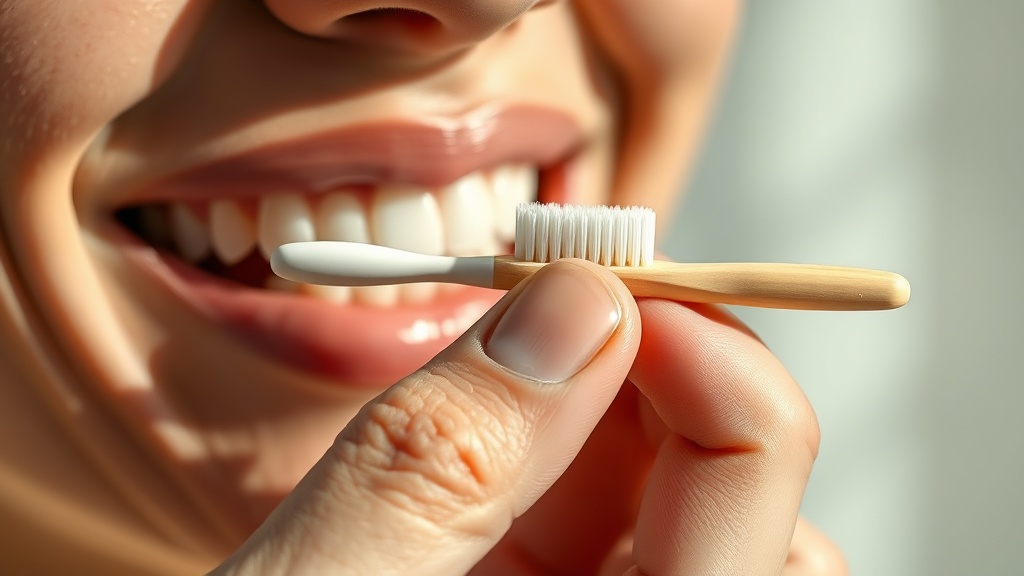
Holding the brush loosely and letting soft bristles do the work — not scrubbing harder — is the single change that protects the gumline most.
What the research actually shows
Every claim below maps to a named, peer-reviewed source in the Sources section. According to PubMed.
| Claim | Evidence | Source |
|---|---|---|
| Recession clusters on the cheek-side surfaces people scrub hardest — the mark of mechanical wear. | NHANES III national survey. | Albandar & Kingman, 1999 |
| Nearly everyone has some recession by young adulthood, so everyday factors act early in life. | Young-adult cohort. | Seong et al., 2018 |
| Smokers have higher odds of recession (about OR 1.84). | Systematic review. | Marschner et al., 2025 |
| Plaque-driven gingivitis is reversible with daily cleaning; deeper attachment loss is not. | EFP consensus report. | Chapple et al., 2015 |
| A soft powered brush reduces plaque and gum inflammation modestly compared with harder scrubbing. | Cochrane review. | Yaacob et al., 2014 |
Everyday causes and easy first changes
| Everyday cause | How it wears the gums | Easy first change |
|---|---|---|
| Brushing too hard | Grinds the gum margin back over time | Hold the brush like a pencil |
| Stiff bristles and abrasive paste | Sands down the soft outer surface | Soft, end-rounded bristles; low-abrasion paste |
| Skipping between-teeth cleaning | Plaque inflames and breaks down the margin | Clean between teeth gently, daily |
| Smoking | Damages the gum, hides bleeding, slows healing | A realistic quit plan |
| Grinding or clenching | Stresses and flexes the gumline | Ask about a nightguard |
The quiet multipliers
Beyond brushing, a few everyday factors work in the background and make any recession worse. Plaque is the obvious one: the sticky film that builds along the gumline keeps the margin irritated and inflamed, and in its early stage that inflammation — gingivitis — is genuinely reversible if you clean it away consistently. Left alone, though, it can deepen into something that damages the support permanently. Smoking is the heavyweight multiplier: it raises recession risk and, cruelly, reduces the bleeding that would otherwise warn you something is wrong, so problems advance more quietly. Grinding and clenching load the gumline in ways that can accelerate wear, which is why a nightguard sometimes helps. Hormonal shifts — during pregnancy, for example — make gums more reactive to the same amount of plaque, so inflammation flares more easily. And age simply stacks the odds: the longer any of these run, the more recession accumulates. The theme running through all of them is that they are influences you can act on, and acting on them is what keeps the gum you still have.
Evidence you can act on.
Occasional emails — new research, new protocols, no noise.
Change the habits driving it
The goal is to remove the everyday stresses wearing your gums back. None of this treats a disease — it protects the tissue you still have so recession stops advancing.
- 1
Lighten your brushing
every brushPressure is the enemy here. Ease off, and if you tend to scrub, a powered brush with a pressure sensor can retrain your hand within a couple of weeks.
- 2
Swap your brush and paste
one purchaseChoose soft, end-rounded bristles and a lower-abrasion toothpaste so you are cleaning the plaque, not sanding the gum.
- 3
Clean between the teeth, gently
once dailyAn interdental brush or a rubber-tip cleaner removes the plaque a toothbrush misses, with fewer gum abrasions than aggressive flossing.
- 4
Tackle smoking and grinding
ongoingA quit plan lowers recession risk over time, and a nightguard takes load off the gumline if you clench or grind.
- 5
Get a check-up
one visitA dentist can catch inflammation early, confirm the cause, and measure the recession so you can track whether your changes are holding it steady.
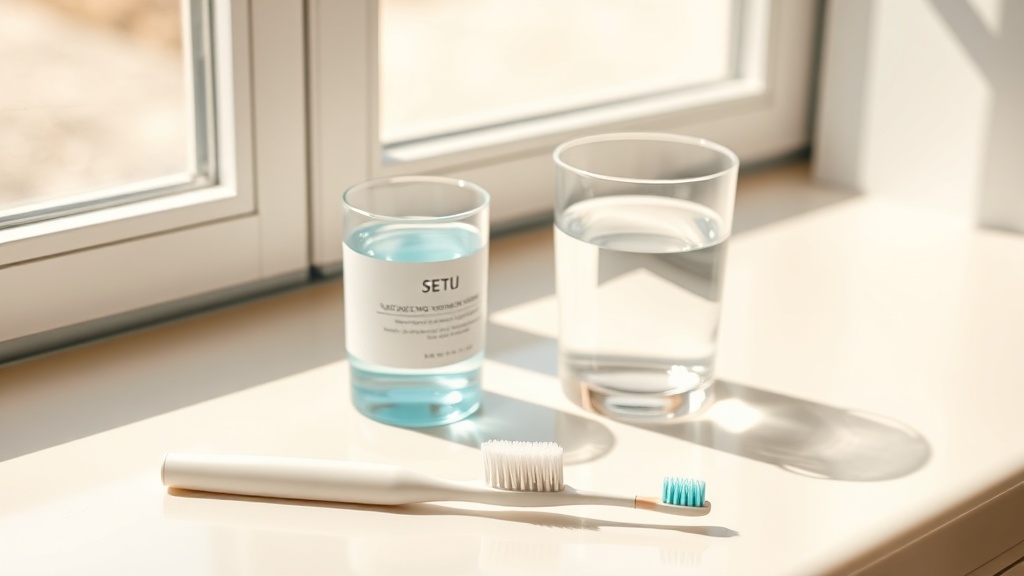
The everyday tools that protect a gumline are simple — a soft brush, gentle between-teeth cleaning, and staying hydrated.
Everyday changes protect your gums, but they are not a substitute for a dental exam — especially if your gums bleed a lot, look inflamed, feel loose, or the recession is spreading. A dentist or periodontist can find the exact cause, treat inflammation you cannot reach at home, and tell you whether a root needs surgical coverage. If you smoke and notice recession, that is a strong reason to get checked. This article is educational and is not a diagnosis.
Frequently asked questions
Sources
- 1.
- 2.
- 3.
- 4.
- 5.
- 6.
- 7.
- 8.
- 9.

Fix your breath at the source.
The complete science-backed protocol — engineered to eliminate volatile sulfur compounds at the biological source.
Start the Breath Protocol →Related reading
Educational purposes only. The content on this page is not medical advice and is not a substitute for consultation with a qualified dental or medical professional.
More from the library
 Causes8 min
What Causes Gum Recession? A Clinical Look
The clinical causes of gum recession, grouped the way dentists think about them — mechanical, inflammatory, and predisposing.
Read →→ Causes8 min
Why Are My Gums Receding? The Real Causes
A personal walk-through of why gums recede, how to spot which cause is driving yours, and what to do about each one.
Read →→ Guides8 min
How to Stop Receding Gums: What Actually Slows It
You cannot will your gum line back up, but you can often stop it from dropping further. Here is what the evidence supports.
Read →→ Guides8 min
Bleeding Gums: What They Mean and What to Do
A calm, honest guide to why gums bleed, why it is almost always reversible in the early stage, and the point at which bleeding is a signal to see a professional.
Read →→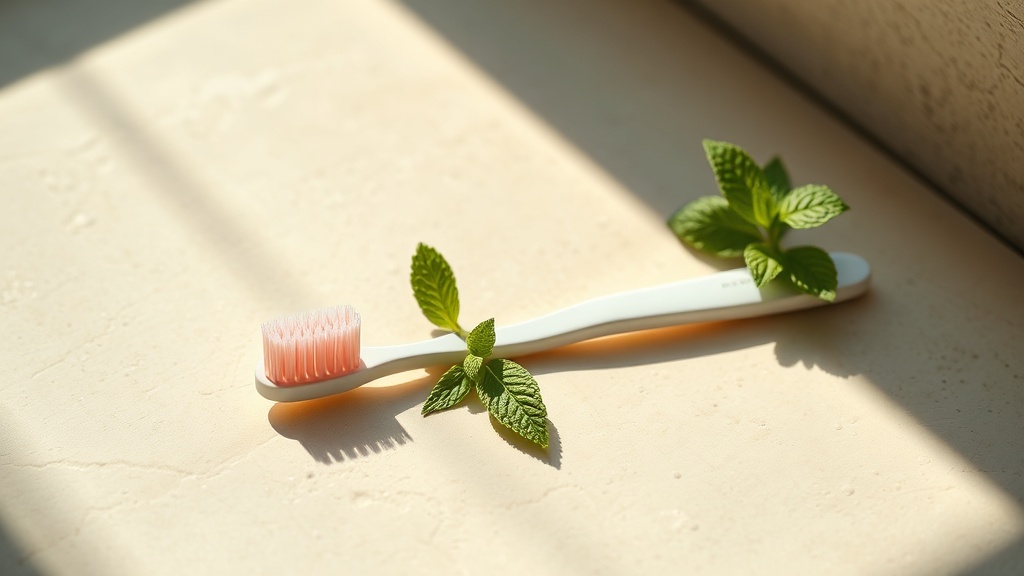 Guides8 min
Gum Disease Symptoms: The Early Warnings You Can Feel
The symptoms of gum disease you can feel and notice yourself, why bleeding comes first, and when a symptom means see a dentist now.
Read →→ Answers8 min
Can Receding Gums Grow Back? The Honest Answer
It is the question everyone with recession asks. The straight answer, and what you can realistically do instead.
Read →→