Jaw Popping: What Causes It
The small cartilage disc behind the click, and how to tell a harmless pop from one worth checking.
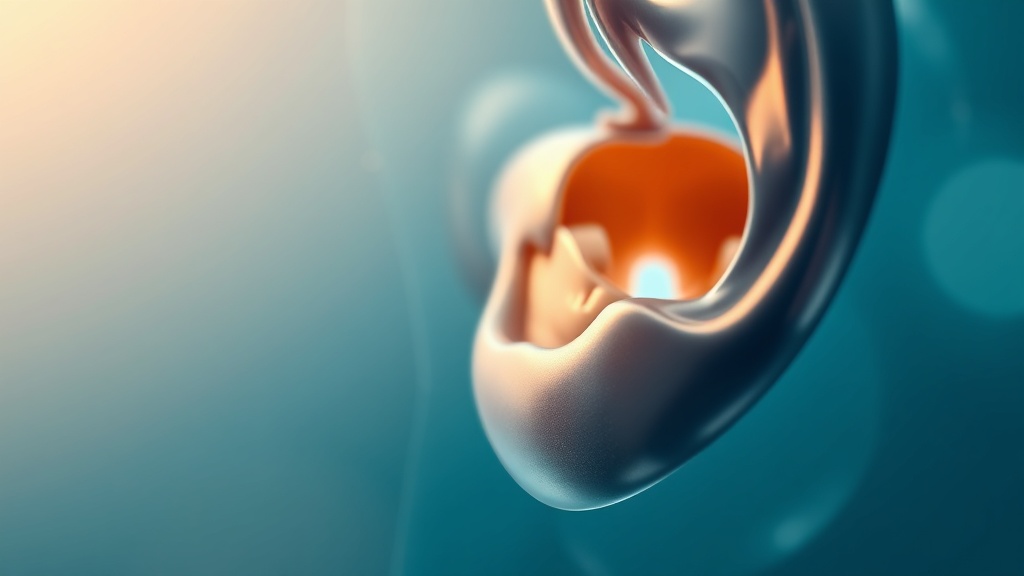
- Most jaw popping comes from a small cartilage disc inside the jaw joint slipping slightly out of place and then snapping back onto the bone as you open, a pattern clinicians call disc displacement with reduction.
- This is the single most common jaw-joint variation in adults, so an occasional, painless click is very common and usually not a sign of damage.
- The pop itself is not the problem; what matters is whether it comes with pain, locking, or a limited or crooked opening.
- You cannot un-pop the joint by willpower, but you can lower the load on it with soft-food rest, gentle movement, and easing clenching, which is comfort care rather than a cure.
- A jaw that catches, locks open, or will not open, or one that suddenly becomes painful, needs a dentist or TMJ-aware clinician, and a jaw stuck locked is an urgent same-day problem.
Jaw popping usually happens because the cushioning disc in the jaw joint sits slightly forward, and as you open, the jaw bone slides back underneath it with an audible click. A painless click without locking is extremely common and rarely harmful. It is worth checking only when pain, catching, or limited opening come with it.
What is actually happening when your jaw pops
Your jaw joint, the temporomandibular joint, sits just in front of each ear, where the rounded top of the lower jaw (the condyle) meets a socket in the skull. Between the two bones is a small, firm pad of cartilage called the articular disc. Its job is to cushion the joint and glide along with the condyle as you open and close, like a moving cushion that always stays between the two surfaces. In the most common cause of jaw popping, that disc slips a little forward when your mouth is closed, so it is no longer sitting neatly on top of the condyle. When you open, the condyle rolls and slides forward until it slips back under the disc and recaptures it, and that sudden recapture is the pop or click you hear and feel. Because the disc has slipped forward again by the time you close, you sometimes get a second, quieter click on the way down, which clinicians call reciprocal clicking. This whole pattern has a name, disc displacement with reduction, and the word reduction here simply means the disc is being reduced, or put back, onto the bone each time. It is a mechanical event, not an infection or a break, which is why so many people have a jaw that has clicked the same way for years without anything getting worse. What decides whether it matters is not the sound but what comes with it.
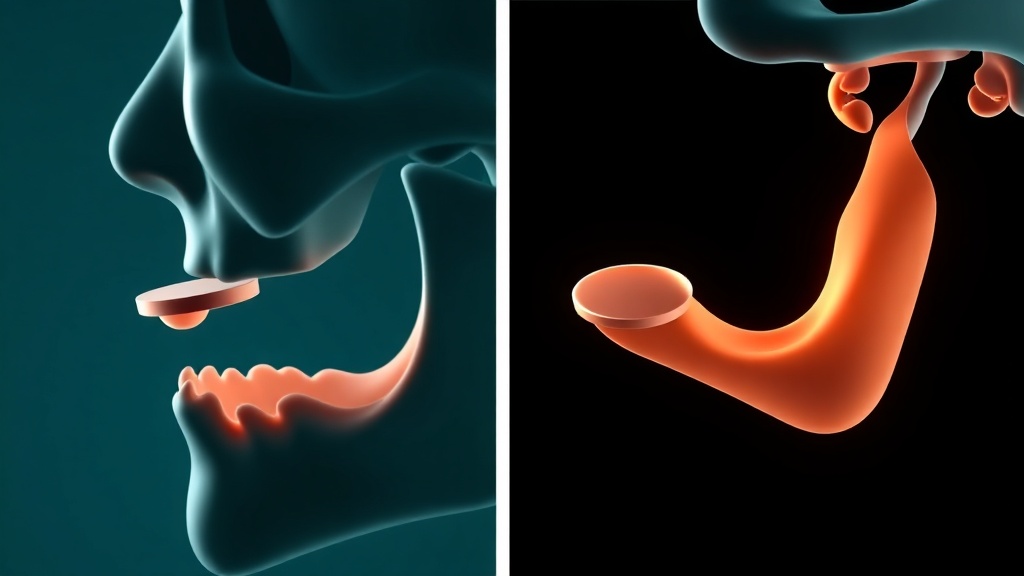
The click of disc displacement with reduction: the disc sits forward when closed (left), and the jaw bone slides back under it as you open (right).
What the research actually shows
Every claim below maps to a named, peer-reviewed source in the Sources section. According to PubMed.
| Claim | Evidence | Source |
|---|---|---|
| Around 31% of adults have some sign or symptom of a temporomandibular disorder, and disc displacement with reduction, the classic clicking pattern, is the single most common subtype. | Systematic review and meta-analysis of TMD prevalence. | Valesan et al., 2021 |
| For chronic jaw-joint symptoms, the interventions that help most are those that encourage coping, gentle movement and activity, rather than aggressive treatment of a painless click. | GRADE clinical practice guideline (drawing on 153 randomised trials). | Busse et al., 2023 |
| Simple dentist-guided self-care matched a custom hard splint and a soft mouthguard for jaw symptoms at 3, 6 and 12 months. | 200-participant randomised controlled trial. | Truelove et al., 2006 |
| Gentle jaw exercise therapy produced a moderate reduction in painful TMD symptoms across trials. | Meta-analysis of 16 randomised trials (812 participants), pooled effect SMD around -0.58. | de Melo et al., 2023 |
| A validated clinical examination (the DC/TMD) can accurately identify the type of jaw-joint problem, which is why a persistent or painful click is best assessed in person. | Diagnostic-accuracy study; sensitivity at least 0.86 and specificity at least 0.98. | Schiffman et al., 2014 |
A harmless click versus a pop worth checking
| Feature | Usually harmless | Worth getting checked |
|---|---|---|
| Pain | No pain with the click | Aching, sharp, or spreading pain around the joint |
| Opening | Opens fully and smoothly | Limited opening, catching, or a jaw that locks |
| Pattern | Occasional single click, stable for years | New, worsening, or paired with grinding and clenching |
| Other signs | Just the sound, nothing else | Ear pain, headaches, or the jaw veering to one side |
| Locking | Never locks | Jaw catches open or will not open at all |
When a pop matters, and when it usually does not
The reassuring reality is that a painless click, on its own, is one of the most common findings in the whole jaw. It reflects the shape and position of that little disc, not decay or disease, and for huge numbers of people it simply clicks and carries on, unchanged, for years. That is why the modern guidance for jaw symptoms leans toward reassurance, gentle movement and coping strategies rather than rushing into hardware, and why simple self-care has repeatedly matched custom appliances for comfort. Where a pop earns attention is when the story around it changes. If clicking is joined by pain, if the jaw starts catching or deviating to one side as it opens, or if your opening becomes noticeably limited, the disc may be interfering with the smooth glide of the joint rather than being cleanly recaptured. The most important escalation is locking. If the disc jams in front of the condyle and is not recaptured, the jaw can get stuck, either open and unable to close, or in a closed lock where it will not open past a couple of centimetres. A closed lock, sometimes the sequel to years of painless clicking, is disc displacement without reduction and is a reason to be seen promptly rather than to wait it out. None of this means a lifelong clicker is heading for trouble; most are not. It simply means the sound is a poor alarm and the symptoms around it are the signal to watch.
Evidence you can act on.
Occasional emails — new research, new protocols, no noise.
How to ease the load on a clicking jaw
You cannot force the disc back into place yourself, but you can lower the strain on the joint so it is more comfortable. This is comfort care, not a cure, and nothing here should push into pain.
- 1
Give the joint a rest with softer food
a few days at a timeDuring a flare, favour softer foods, cut things into smaller pieces, and avoid chewy or hard items and gum. Steer clear of the wide-open yawns and big bites that can make a disc slip further. Resting the joint gives irritated tissue a chance to settle.
- 2
Use gentle warmth and slow movement
10 to 15 minutesA warm compress over the joint and cheek muscles can ease tightness, and slow, small opening-and-closing movements keep the joint mobile. Keep every movement within the comfortable, click-free range rather than testing how wide you can go.
- 3
Unclench and mind your resting posture
throughout the dayCheck that your teeth are apart and your jaw is relaxed, not resting together. Clenching and daytime jaw tension load the joint continuously. A tall head-over-shoulders posture, rather than a jutting chin, also keeps the joint tracking more evenly.
- 4
Try simple guided jaw exercises
a few minutes dailyGentle, controlled jaw exercises have a modest but real track record for jaw comfort. A dentist or physical therapist can show you a controlled-opening routine suited to your joint, which is safer than copying an aggressive video.
- 5
Do not test or force the click
ongoingRepeatedly wiggling the jaw to reproduce the pop, or pushing hard to make it stop, only irritates the joint. If a click is painless and stable, the best thing is usually to leave it alone and get on with your day.

You can feel the joint just in front of your ear. A painless click there is common; pain, catching or locking is the cue to be seen.
See a dentist or a TMJ-aware clinician if your jaw popping comes with pain, if your opening is getting more limited, if the jaw catches or deviates to one side, or if clicking is paired with clenching, grinding, ear pain or headaches. Seek urgent, same-day care if your jaw locks open and you cannot close it, or locks closed and will not open, or if popping follows a blow or injury to the face. A locked or injured jaw is not something to wait out, and a validated in-person exam is the right way to sort a harmless click from a disc problem that needs management.
Frequently asked questions
Sources
- 1.
- 2.
- 3.
- 4.
- 5.
- 6.

Fix your breath at the source.
The complete science-backed protocol — engineered to eliminate volatile sulfur compounds at the biological source.
Start the Breath Protocol →Related reading
Educational purposes only. The content on this page is not medical advice and is not a substitute for consultation with a qualified dental or medical professional.
More from the library
 Causes8 min
Why Does My Jaw Pop? Causes, When to Worry & How to Ease It
The honest answer to a click that unnerves a lot of people: usually benign, occasionally a signal — and how to tell the difference.
Read →→ Guides9 min
Jaw Clicking: Why It Happens and When to Worry
Painless jaw clicking is common and usually harmless. Here is why the joint clicks, what the research shows about how it changes over time, and when to get it checked.
Read →→ Guides9 min
TMJ Disorder: The Complete Guide
What TMJ disorder really is, how common it is, and the conservative-care-first path most people never hear about.
Read →→ Guides8 min
How to Unlock a Locked Jaw: Gentle Self-Relief Steps
Calm, evidence-based ways to coax a recently stuck jaw open again — and the red flags that mean it is time to get help.
Read →→ Guides8 min
Jaw Relaxation Exercises: A Step-by-Step Comfort Guide
A step-by-step down-regulation routine for a tight, clenched jaw, built on gentle relaxation rather than force.
Read →→ Guides9 min
Does Mewing Actually Work? An Honest, Evidence-Based Breakdown
The honest, evidence-based answer to whether tongue posture can reshape an adult jaw — what the research really shows, and why forcing it can backfire.
Read →→