Can a CPAP Cause Dry Mouth? Comfort Fixes That Work
A dry mouth is one of the most common CPAP complaints, and it almost always has a fixable cause. Here is what is really drying you out overnight, and how to fix it without giving up the therapy that helps you breathe.
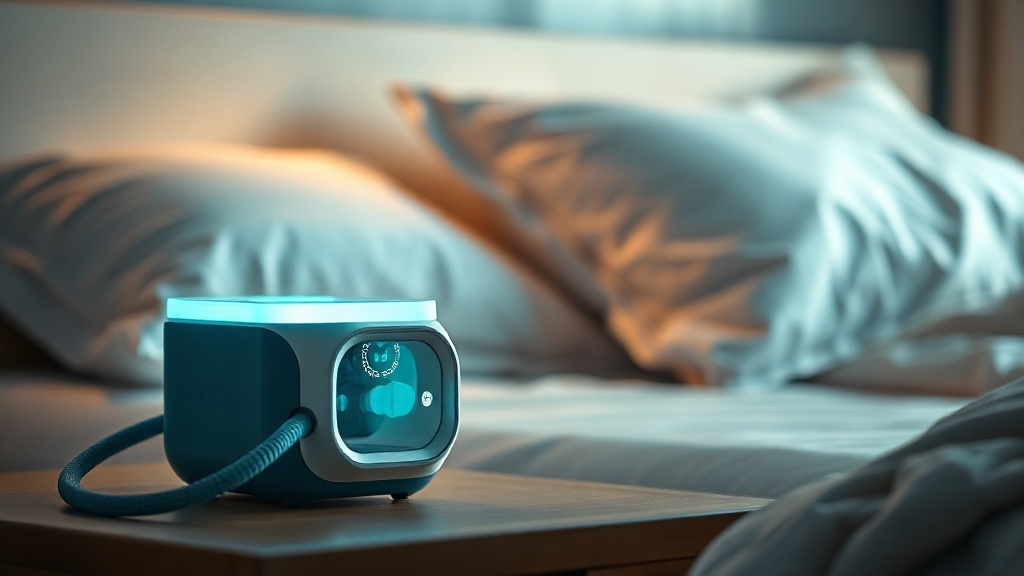
- Yes, CPAP commonly causes a dry mouth, not because the therapy is harmful, but because pressurised air escaping through an open mouth or a leaking mask dries the tissue overnight.
- The mechanism is simple: water only evaporates from your mouth when you are mouth-breathing, and a steady flow of air across an open mouth speeds that loss up.
- The best-evidenced fix is heated humidification. In a randomized crossover trial, adding a heated humidifier to CPAP significantly reduced mouth dryness.
- Simple adjustments help too: easing a blocked nose, a chin strap or full-face mask to stop mouth leak, resealing a leaky mask, and an overnight moisture product for comfort.
- Do not quit your CPAP over a dry mouth, and do not tape your mouth shut as a home fix. Bring dryness to your sleep clinician; it is almost always solvable within the therapy.
Yes, a CPAP often causes a dry mouth. It happens when pressurised air escapes through an open mouth or a leaking mask and dries the tissue overnight, especially in mouth-breathers. The most effective fix is adding heated humidification, along with easing nasal congestion and stopping mouth leak; it is not a reason to stop the therapy.
Why CPAP dries your mouth
A CPAP works by pushing a steady stream of pressurised air into your airway to hold it open while you sleep. That air has to go somewhere, and the trouble starts when it travels across an open mouth. If you are a mouth-breather, or if the pressure nudges air from your nose out through your lips, a continuous draught passes over the delicate tissues inside your mouth all night. Saliva forms only a paper-thin film over the palate and cheeks, and that film is all that stands between comfort and dryness. Airflow strips it away. The physiology is well described: water evaporates from the mouth only when you are breathing through it, and under a constant flow that loss can outpace the small trickle of saliva your glands make overnight, which is already the lowest point of your day. The result is the familiar sandpaper mouth on waking. Direct measurements during mask-delivered ventilation confirm it, with oral breathing significantly lowering the moisture in the mouth and worsening the feeling of dryness. A leaking mask makes it worse still, firing an extra jet of dry, unhumidified air past your lips and often your eyes. None of this means the therapy is harming you; it means the air needs conditioning and the mouth needs to stay closed.
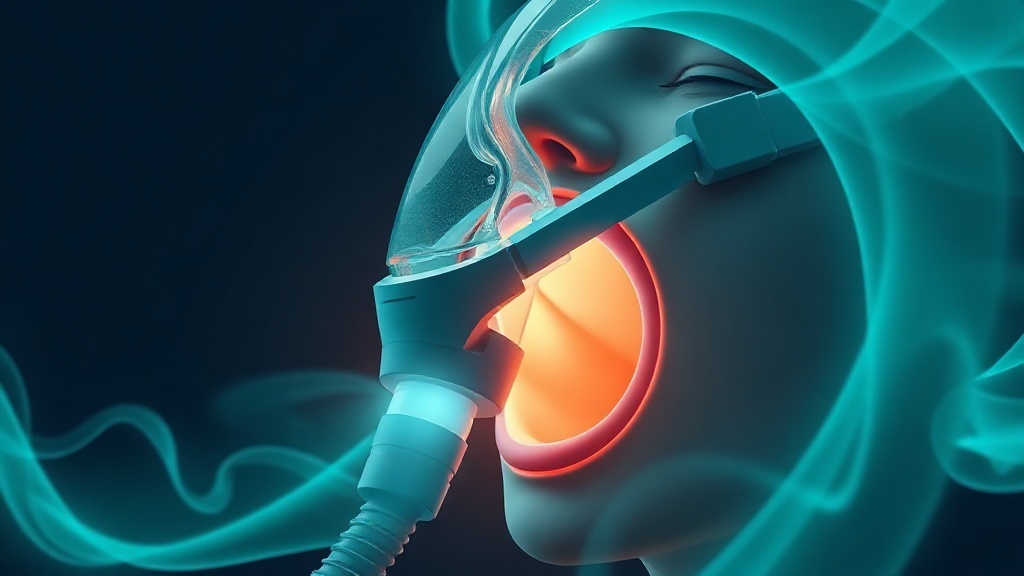
When air escapes across an open mouth or a leaking mask, it evaporates the thin film of saliva that keeps the mouth comfortable.
What the research actually shows
Every claim below maps to a named, peer-reviewed source in the Sources section. According to PubMed.
| Claim | Evidence | Source |
|---|---|---|
| Adding heated humidification to CPAP significantly reduced mouth dryness compared with CPAP alone. | Randomized crossover trial (44 patients). | Ruhle et al., 2011 |
| Water evaporates from the mouth only during mouth-breathing, up to about 0.21 mL/min, and dryness sets in when that loss outpaces saliva flow. | Physiological analysis of oral fluid balance. | Dawes, 2004 |
| During mask-delivered ventilation, oral breathing significantly reduced oral moisture (p=0.001) and worsened the feeling of dryness (p=0.002). | Clinical measurement study (16 subjects). | Oto et al., 2013 |
| Overnight heated humidification significantly reduced night-time oral dryness in people with xerostomia. | Controlled nocturnal pilot study. | Hay and Morton, 2006 |
| Nighttime mouth-taping carries a potentially serious risk of harm, including asphyxiation where the nose is blocked, so it is not a safe fix. | Systematic review of 10 studies (213 patients). | Rhee et al., 2025 |
Why your mouth is dry on CPAP, and the fix
| What is happening | Why it dries you out | What helps |
|---|---|---|
| Mouth-breathing under pressure | Air flows across open oral tissue and evaporates the thin protective film | Heated humidifier; chin strap or full-face mask |
| Mask air leak | A jet of dry, unhumidified air escapes and dries the mouth and eyes | Refit or resize the mask; check the seal |
| Blocked or congested nose | Forces you to breathe through the mouth all night | Ease congestion; ask about nasal options |
| Humidifier off or set too low | The delivered air is dry | Turn on or raise heated humidification |
| A medication you also take | Many common drugs reduce saliva independently | Review with your prescriber, never stop on your own |
It may not be the CPAP alone
It is worth widening the lens, because the machine is not always the whole story. Many people on CPAP are also older or taking regular medications, and medications are the single most common cause of dry mouth in their own right. So a CPAP can unmask or amplify a dryness that was partly there already, which is one reason humidification alone sometimes only gets you part of the way. If you take medicines for blood pressure, mood, allergies, bladder or sleep, mention it to your clinician, and never stop or change a prescribed drug on your own to chase a drier-feeling morning. There is also a popular internet fix that deserves a firm warning: taping your mouth shut. The only systematic review of nighttime mouth-taping concluded there is a potentially serious risk of harm, including asphyxiation in people with nasal obstruction, and sleep-apnoea patients tend to puff air around the tape anyway, so it does not reliably work. The safe way to keep the mouth closed is a chin strap or a full-face mask chosen with your provider, not adhesive over your lips. For overnight comfort while you sort out the cause, a saliva substitute or a slow-dissolving adhering disc designed for sleep can ease the dryness, and CPAP-related dry mouth is one of the very reasons such overnight products exist.
Evidence you can act on.
Occasional emails — new research, new protocols, no noise.
How to stop CPAP drying your mouth
Work through these in order. Most people solve CPAP dry mouth with humidification and a better-sealed, mouth-closed setup, all without stopping the therapy.
- 1
Turn on, or turn up, the heated humidifier
tonightThis is the single best-evidenced fix. In a randomized trial, adding heated humidification to CPAP significantly cut mouth dryness. If your machine has a humidifier, switch it on and raise the setting; if it does not, ask your provider about adding one or a heated tube.
- 2
Clear your nose before bed
nightlyA blocked nose forces you to breathe through your mouth, which is what dries it out. Easing congestion or allergies makes nasal breathing easier and helps keep your lips together. Persistent stuffiness is worth raising with a clinician rather than living with it.
- 3
Stop the mouth leak
with your providerIf your mouth falls open under pressure, a chin strap or a switch to a full-face mask can keep it closed and the air conditioned. This is the safe way to keep your mouth shut overnight, chosen with your provider, and it targets the main cause of the dryness directly.
- 4
Fix mask leaks
at your next checkA poorly sealed mask leaks a jet of dry air that dries your mouth and eyes. Recheck the fit, replace worn cushions, and resize if needed. A well-sealed mask keeps the humidified air where it belongs and often eases the dryness on its own.
- 5
Add overnight moisture for comfort, and do not tape your mouth
nightlyWhile you tune the setup, a saliva substitute, gel or slow-dissolving overnight disc can ease the dry feeling through the night. Skip the viral mouth-taping trend, which carries a real risk of harm; keep your mouth closed with a strap or mask instead.
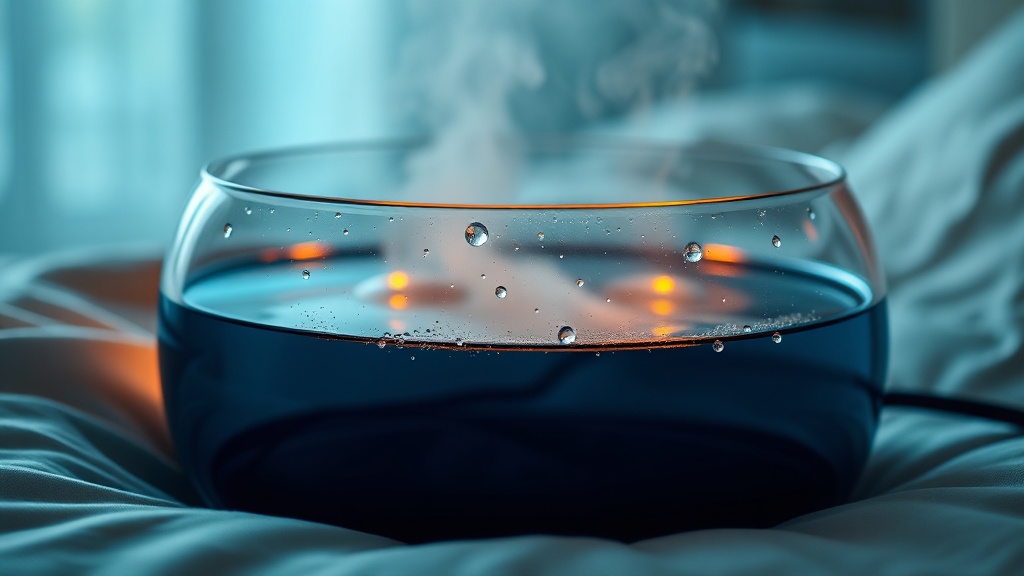
Heated humidification conditions the air before it reaches you, and it is the best-evidenced single fix for CPAP dry mouth.
Talk to your sleep clinician or CPAP provider if your mouth stays dry despite humidification, if leaks or congestion will not settle, if your sleep is suffering, or if the dryness is tempting you to abandon the therapy. They can adjust your pressure, add or raise humidification, fit a heated tube, or change your mask, all without you stopping treatment. Two rules matter most: never stop using your CPAP on your own because of a dry mouth, and never tape your mouth shut as a fix. If you also take regular medications or have dry eyes as well, mention it, because the cause may be more than the machine.
Frequently asked questions
Sources
- 1.
- 2.
- 3.
- 4.
- 5.
- 6.
- 7.
- 8.

Fix your breath at the source.
The complete science-backed protocol — engineered to eliminate volatile sulfur compounds at the biological source.
Start the Breath Protocol →Related reading
Educational purposes only. The content on this page is not medical advice and is not a substitute for consultation with a qualified dental or medical professional.
More from the library
 Guides8 min
Dry Mouth at Night: Why It Happens and How to Sleep Easier
Nighttime dryness is common because your saliva naturally slows while you sleep, and a few targeted habits can make a real difference.
Read →→ Guides9 min
How to Prevent Dry Mouth While You Sleep
The practical, evidence-led bedtime plan for a mouth that stays comfortable through the night.
Read →→ Guides8 min
What Causes Dry Mouth? The Common Triggers, Explained
Dry mouth almost always has an identifiable trigger, and knowing yours is the first step toward relief.
Read →→ Best Of8 min
Best Humidifier for Dry Mouth
How a humidifier eases overnight dry mouth, which type to pick, and how to get the most from it.
Read →→ Guides8 min
How to Fix Dry Mouth: An Evidence-Based Guide
Dry mouth is usually manageable once you know what is driving it and which supportive habits actually move the needle.
Read →→ Best Of8 min
Best Mouthwash for Dry Mouth: What to Look For
The best dry-mouth rinse is the one that soothes without drying, and the label tells you more than the marketing.
Read →→