The Best Tonsil Stone Removal Tools
A calm, evidence-led guide to the tools that clear tonsil stone debris without hurting the delicate crypt tissue — and the one category you should never put near your throat.
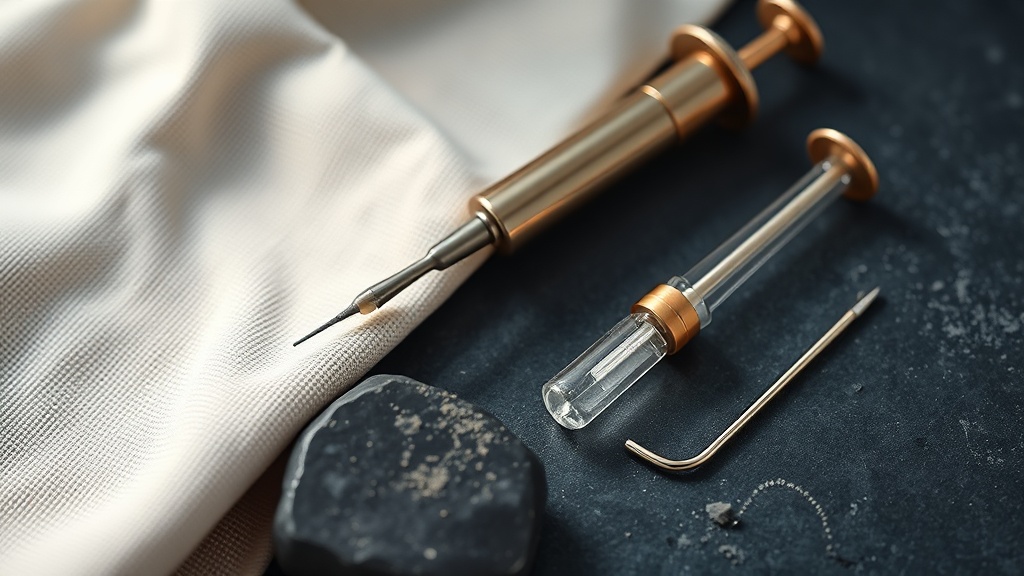
- The safest tonsil stone removal tools work by gently dislodging debris, not by scraping or gouging — a low-pressure water flosser is the most sensible first choice.
- Metal picks, bobby pins and sharpened objects are the one category to avoid: the tonsil bed bleeds readily, and rigid tools have caused serious throat injuries in documented cases.
- About 1 in 12 people has a pronounced gag reflex, so the best tool for you is often whichever one reaches the crypt with the least contact at the back of the mouth.
- No at-home tool has been tested in a randomized trial for tonsil stones specifically; the safety case comes from dental-device research, so gentleness matters more than any brand.
- These tools clear debris cosmetically to help control the odour it produces — they do not treat, cure or prevent any condition, and stubborn or one-sided swelling belongs with a professional.
The best tonsil stone removal tool is a low-pressure water flosser or a soft rubber-tipped pick, used gently in front of a mirror. Both dislodge debris without cutting the delicate crypt tissue. Avoid metal picks and bobby pins entirely — the tonsil bed bleeds easily, and rigid objects have caused serious injury.
Why the tool matters more than the technique
A tonsil stone is not a mineral pebble you can simply pop out. Research using confocal microscopy shows it behaves like a living biofilm — an organised community of bacteria — lodged inside the folded pockets of the tonsil called crypts. That matters for choosing a tool, because a biofilm is best broken up by gentle physical disruption rather than force. In laboratory work, a pulsatile stream of water stripped roughly 99.9% of a comparable oral biofilm from a surface in about three seconds, and in an independent trial a single cycle of oral irrigation measurably lowered the volatile sulfur gases behind bad breath. The lesson is that a well-aimed, low-pressure flow of water does the job people usually try to do with a sharp point — and does it without touching the tissue. The best removal tool, then, is whichever one lets you dislodge debris while keeping pressure and contact low. Everything that follows is a variation on that single idea: loosen and float the debris out, never dig it out.
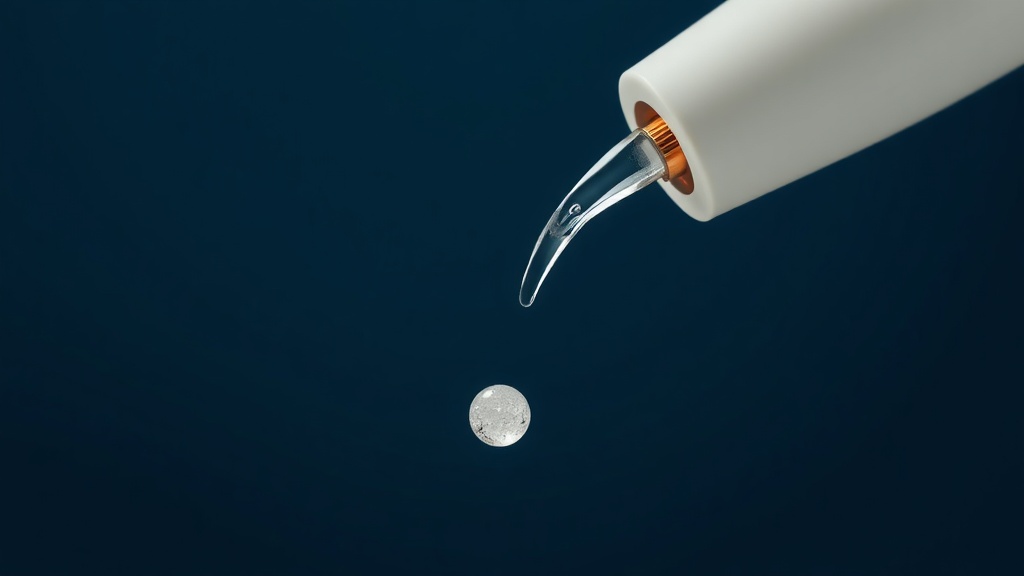
A low-pressure water stream floats debris loose without touching the delicate crypt tissue.
What the research actually shows
Every claim below maps to a named, peer-reviewed source in the Sources section. According to PubMed.
| Claim | Evidence | Source |
|---|---|---|
| A single cycle of oral irrigation significantly lowered total volatile sulfur compounds and methyl mercaptan — direct evidence that flushing reduces the gases behind bad breath. | Independent single-arm trial (n=20). | Karm et al., 2025 |
| A pulsatile water jet removed roughly 99.9% of an oral biofilm from a surface in about three seconds. | Ex-vivo scanning-electron-microscopy study. | Gorur et al., 2009 |
| Oral irrigation was safe and well-accepted when used appropriately. | Independent scoping review of 275 sources. | Sarkisova et al., 2024 |
| Rigid instruments near the throat can cause severe oropharyngeal trauma. | Case report plus review of 13 injuries. | Kumar et al., 2008 |
| About 8.2% of people report a pronounced gag reflex, which shapes how far back a tool can comfortably reach. | Population survey (n=11,771). | van Houtem et al., 2015 |
The tools, ranked by how safely they clear debris
| Tool | How it clears debris | Safety verdict |
|---|---|---|
| Low-pressure water flosser | Hydraulic stream floats debris out of the crypt | Best first choice — keep pressure low |
| Soft rubber-tipped pick | Gently presses the tissue to coax a stone free | Good — push the tonsil, never into it |
| Curved-tip or bulb syringe | A manual water jet you fully control | Good — warm water, gentle squeeze |
| Cotton swab | Light pressure on the surrounding tissue | Okay if damp and gentle; stop if it hurts |
| Metal pick, bobby pin, toothpick | Scrapes or gouges the stone directly | Avoid entirely — risk of bleeding and injury |
The gag reflex, and how the right tool works around it
The back of the mouth is sensitive by design, and for a sizeable minority that sensitivity is pronounced. In a survey of more than eleven thousand people, about 8.2% reported a notable gag reflex, and roughly half of people gag at least occasionally when something touches the soft palate or tonsil area. That single fact quietly decides which tool will actually work for you, because the best tool is useless if you cannot tolerate it near your throat. The most useful evidence-based trick is counter-intuitive: rather than trying to suppress the reflex, reduce the stimulus that triggers it. A slimmer tip, a shorter reach, and less posterior contact provoke far less gagging than a bulky tool pressed deep. Working in front of a mirror with good light helps you place the tool precisely and briefly, so you spend less time in the sensitive zone. If gagging still defeats you, that is not a personal failing — it is a strong reason to let stones clear on their own or to have a professional remove a stubborn one.
Evidence you can act on.
Occasional emails — new research, new protocols, no noise.
How to use a removal tool safely
These steps describe how to use a removal tool safely to clear debris — a purely cosmetic goal. None of this treats a disease; it simply tidies the crypt so trapped material has less chance to sit, mature and smell.
- 1
Start with light, and a mirror
30 secondsStand at a well-lit mirror so you can see the tonsil and the stone before anything goes near it. A small headlamp or phone light aimed into the mouth turns guesswork into a precise, brief action, which is the single biggest safety upgrade you can make.
- 2
Reach for water first
under a minuteA low-pressure water flosser or a curved-tip syringe filled with warm water is the gentlest effective tool. Aim the stream at the base of the stone, not the tonsil itself, and let the flow float the debris loose. Keep the pressure on the lowest useful setting — forceful jets can bruise or bleed the tissue.
- 3
If you use a pick, make it soft
under a minuteIf water alone will not shift a visible stone, a soft rubber-tipped pick or a dampened cotton swab can gently press the surrounding tissue to coax it out. Push the tonsil, not into it, and stop the moment you feel pain or see blood.
- 4
Respect the stop signals
—Bleeding, sharp pain, or a stone that simply will not move are all signals to stop. The tonsil bed bleeds readily, and a stone that resists gentle clearing will usually work loose on its own within days. Nothing is worth gouging for.
- 5
Never use metal or sharp objects
—Metal ear picks, bobby pins, toothpicks and fingernails are the one category to rule out completely. Rigid tools have caused serious throat injuries, and the risk of puncturing delicate tissue far outweighs any convenience. If you cannot clear it gently, leave it.

A soft rubber tip, a mirror and good light — the safe alternative to digging with anything sharp.
Most tonsil stones are harmless and clear with gentle care. See a dentist or ENT if one tonsil stays visibly larger than the other, if you have repeated throat infections, ongoing pain or difficulty swallowing, persistent ear pain, or any bleeding that does not quickly settle. A lasting one-sided enlargement in particular should always be checked in person rather than probed at home.
Frequently asked questions
Sources
- 1.
- 2.
- 3.
- 4.
- 5.
- 6.
- 7.
- 8.
- 9.
- 10.
- 11.

Fix your breath at the source.
The complete science-backed protocol — engineered to eliminate volatile sulfur compounds at the biological source.
Start the Breath Protocol →Related reading
Educational purposes only. The content on this page is not medical advice and is not a substitute for consultation with a qualified dental or medical professional.
More from the library
 Best Of8 min
Best Mouthwash for Tonsil Stones: What Actually Helps
A rinse can freshen and flush, but it cannot dislodge a deep stone. Here is how to choose well.
Read →→ Guides8 min
How to Get Rid of Tonsil Stones: A Step-by-Step Guide
The safe, evidence-informed way to dislodge tonsil stones and keep the crypts from refilling.
Read →→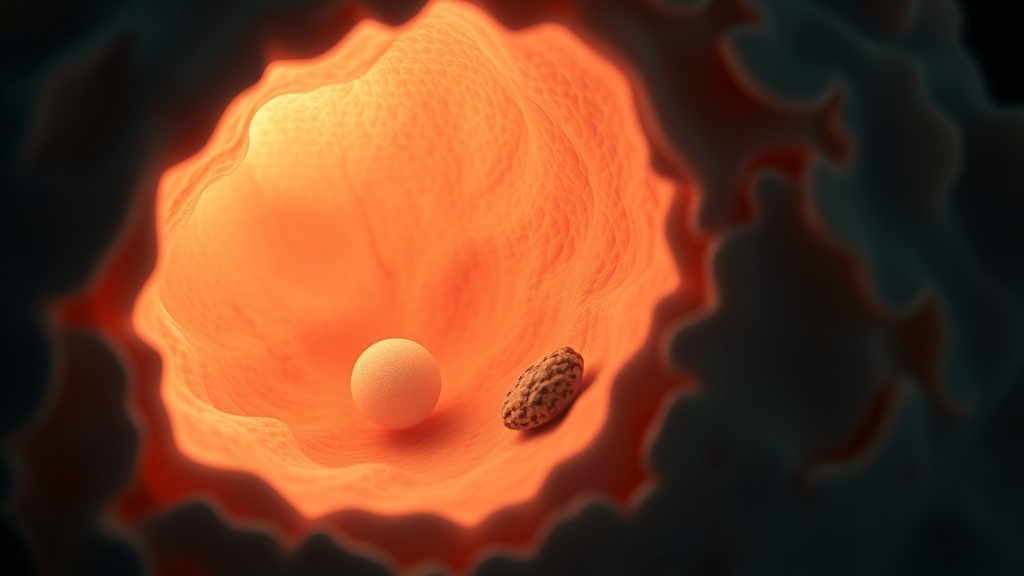 Causes8 min
How Do Tonsil Stones Form? The Biology, Honestly Explained
The unglamorous truth about what a tonsil stone is, how it builds up in the folds of your tonsils, and why the crypts that make them are simply part of your anatomy.
Read →→ Answers8 min
Can Tonsil Stones Cause Bad Breath? What the Evidence Says
Why a small stone in the throat can create an outsized smell, and how to know if it is yours.
Read →→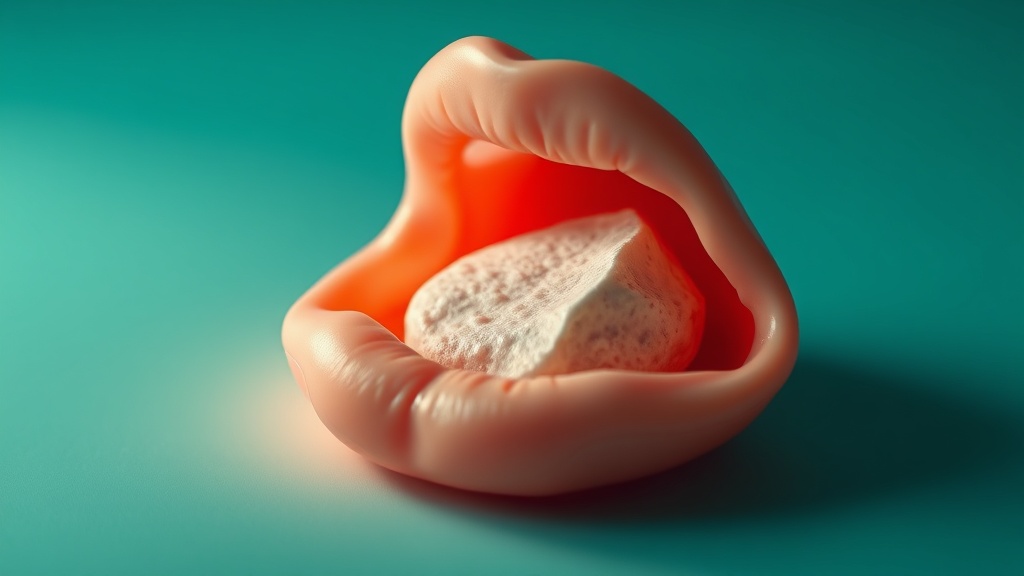 Answers8 min
Can Tonsil Stones Make You Sick? An Honest Look
A calm, honest look at whether tonsil stones can actually make you unwell, the local nuisances they do cause, and the red flags worth taking seriously.
Read →→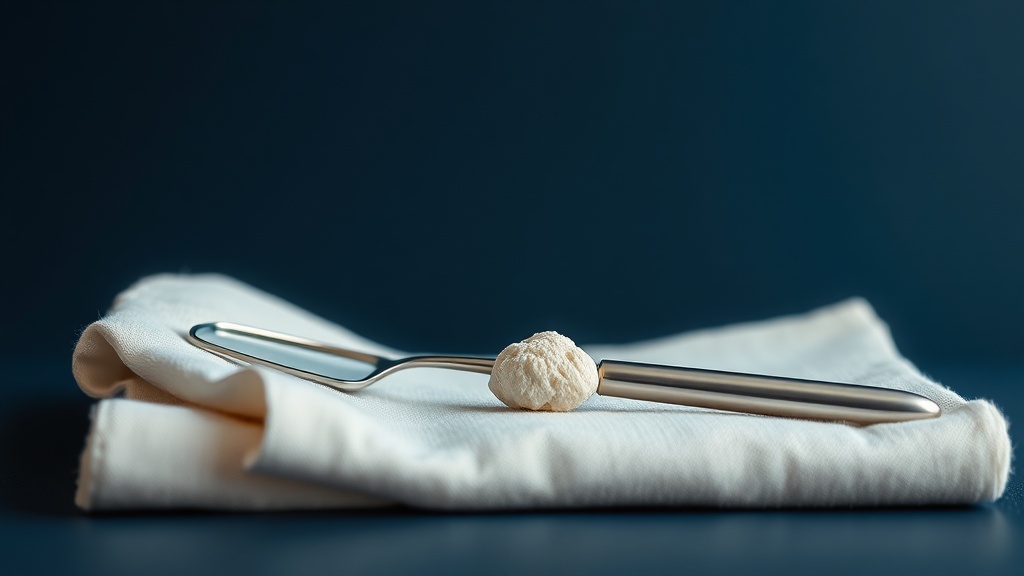 Answers8 min
Can a Dentist Remove Tonsil Stones? Your Professional Options
Who actually removes tonsil stones, the in-office options from simple expression to crypt reshaping, and how to know when a professional is worth it.
Read →→