The Best Soft-Bristle Toothbrush for Gingivitis
The bristles matter less than how you use them. Here is how soft-bristle manual and powered brushes compare on the evidence for controlling the plaque behind gingivitis.
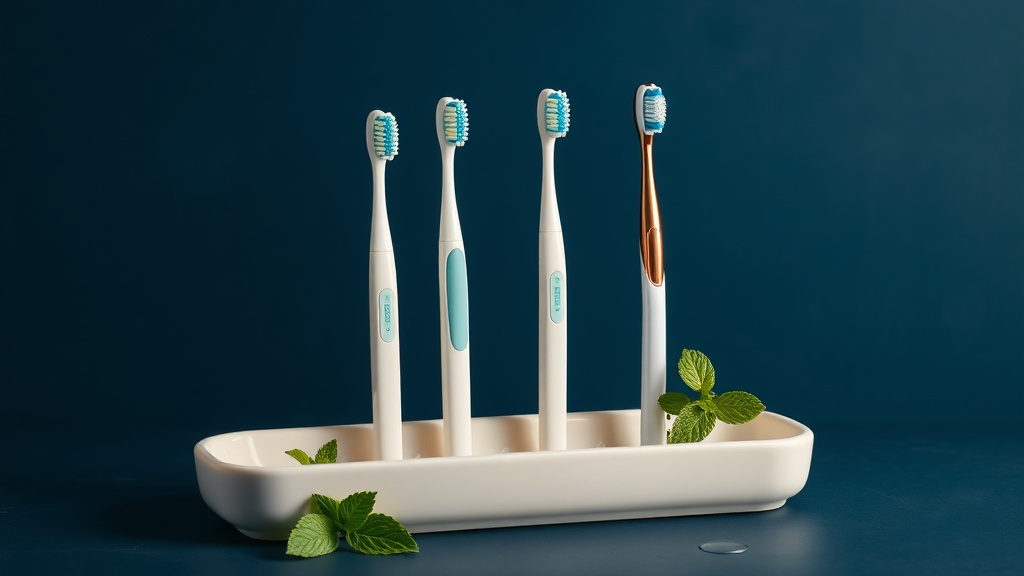
- There is no single best soft-bristle toothbrush for gingivitis; what matters most is soft, end-rounded bristles used gently twice a day.
- Gingivitis is the reversible stage of gum inflammation: when plaque is removed consistently, the bleeding and redness can settle back toward baseline.
- Powered brushes, especially oscillating-rotating heads, remove modestly more plaque and reduce gingivitis a little more than manual brushing in most studies.
- That powered advantage largely disappears in people who already brush thoroughly by hand, so a soft manual brush used well is a legitimate choice.
- A brush supports gum health by controlling plaque; it does not treat gum disease, and gums that keep bleeding need a dentist, not a firmer brush.
The best soft-bristle toothbrush for gingivitis is one with soft, end-rounded bristles that you use gently for two minutes twice a day. Powered oscillating-rotating brushes remove slightly more plaque in studies, but a soft manual brush used with good technique is close behind. Technique matters more than the hardware.
What actually makes a toothbrush help gingivitis
Gingivitis is inflammation of the gums driven by the film of bacteria, called plaque, that builds up along the gumline. It is the early, reversible stage of gum trouble: the gums become red, puffy and quick to bleed, but no permanent attachment or bone has been lost. Remove the plaque consistently and the inflammation can calm down. In the classic experimental model, stopping brushing lets gingivitis develop within two to three weeks, and resuming careful plaque control returns the bleeding and gingival scores toward where they started. This is why a toothbrush is central: its whole job for your gums is to disrupt and clear that plaque at the margin where the tooth meets the gum, every day, before it can inflame the tissue. The bristles do the work, and soft, end-rounded filaments used with the angled Bass technique reach the gumline gently without gouging the tissue. The brush does not neutralise disease or heal gums directly; it simply keeps removing the cause so the gums can recover on their own.
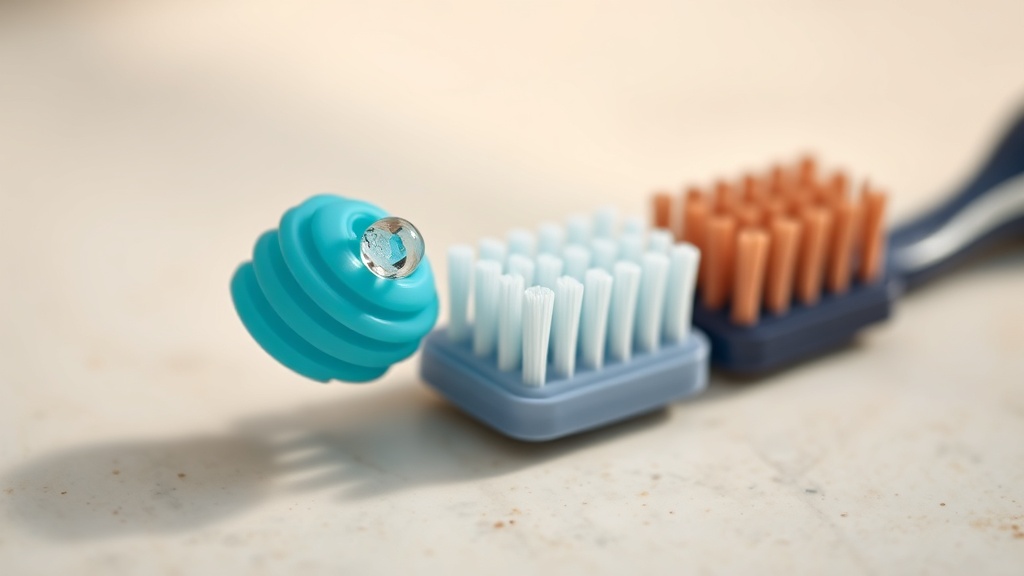
Soft, end-rounded bristles are the feature that matters most: they clear plaque at the gumline without traumatising already-inflamed tissue.
What the research actually shows
Every claim below maps to a named, peer-reviewed source in the Sources section. According to PubMed.
| Claim | Evidence | Source |
|---|---|---|
| Powered toothbrushes reduced plaque by roughly 11% in the short term and 21% over the longer term, and gingivitis by about 6% and 11%, versus manual brushing. | Cochrane systematic review of powered versus manual toothbrushing (multiple RCTs). | Yaacob et al., Cochrane 2014 |
| Brushing twice daily for at least two minutes with the Bass technique positively affected plaque and gingival indices, and soft, end-rounded, cross-angled bristles performed best. | Scoping review of toothbrushing technique and gingival outcomes. | Kaneyasu et al., 2024 |
| In the experimental-gingivitis model, all clinical parameters rose during two weeks without hygiene and returned to baseline once plaque control resumed, confirming gingivitis is reversible. | Clinical study of experimental gingivitis and its resolution. | Wellappuli et al., 2017 |
| The measured advantage of powered brushes largely disappears in patients who are adequately instructed and motivated to brush well by hand. | Comparison of powered versus manual brushing with instruction. | Nagy et al., 2016 |
| Over 11 years, regular powered-brush users retained about 19.5% more teeth, with less pocket-depth and attachment-loss progression. | Long-term population cohort (SHIP) linking brushing to tooth retention. | Pitchika et al., 2019 |
Best soft-bristle toothbrush for gingivitis, by type
| Brush type | Best for | Evidence on gingivitis | Main tradeoff |
|---|---|---|---|
| Soft manual brush | Everyday gentle plaque control | Clears gumline plaque well when used with good technique | Depends entirely on your technique and consistency |
| Powered oscillating-rotating | A helpful nudge for most people | Best-evidenced mode; modestly more plaque and gingivitis reduction | Costs more; still needs guiding along the gumline |
| Sonic (high-vibration) soft | Those who like a gentle powered feel | Reduces plaque and gingivitis with comparable powered benefit | Fewer head trials than oscillating-rotating |
| Extra-soft / sensitive | Tender, bleeding gums | Cleans gently without adding trauma to inflamed tissue | May need more passes to clear heavier plaque |
| Pressure-sensor powered | Heavy-handed brushers | Helps control force, protecting the inflamed gum margin | The sensor only helps if you heed it |
Why gentler beats firmer for inflamed gums
It is tempting to think that if plaque is the problem, a stiffer brush and harder scrubbing must clean better. The evidence does not support that, and for gums it backfires. Plaque is a soft, sticky film; it lifts away with light, well-directed contact, not force. Hard bristles and heavy pressure do not remove meaningfully more plaque, but they do abrade the gum margin and can make already-inflamed, bleeding tissue worse. That is why the reviews consistently point to soft, end-rounded bristles rather than firm ones. Pressure is the hidden variable: many people brush far harder than they realise, and simple pressure-control feedback has been shown to cut habitual over-force within a couple of weeks. A powered brush with a pressure sensor, or just a lighter grip on a manual brush, protects the gumline while still clearing the film that drives gingivitis. The goal is thorough, gentle, daily contact at the margin, repeated over weeks, so the gums are given a clean surface to recover against. Scrubbing hard once is worse than brushing softly and consistently.
Evidence you can act on.
Occasional emails — new research, new protocols, no noise.
How to choose and use your toothbrush
Pick soft bristles first, then use them with technique that actually helps inflamed gums.
- 1
Choose soft or extra-soft, end-rounded bristles
onceLook for soft or extra-soft filaments with rounded tips. If your gums are currently bleeding, extra-soft is kinder while they settle. The bristle softness and rounding matter more than the brand on the handle.
- 2
Consider a powered brush if you want an edge
onceAn oscillating-rotating or sonic brush removes a little more plaque for most people and can help if you find technique hard. It is a nudge, not a requirement; a soft manual brush used well performs close behind.
- 3
Angle the bristles into the gumline
dailyPoint the bristles at about 45 degrees toward the gumline and use small, gentle movements, the Bass technique. This is where plaque inflames the gums, so it is the spot that most needs cleaning, not the flat faces of the teeth alone.
- 4
Brush two minutes, twice a day
dailyTwo unhurried minutes, morning and night, is the routine linked to better plaque and gingival scores. Consistency over weeks is what lets reversible inflammation calm down.
- 5
Keep the pressure light
dailyHold the brush like a pen, not a fist. If you have a pressure sensor, respect it. Light pressure clears plaque just as well and spares the inflamed margin.
- 6
Add cleaning between the teeth
dailyA brush cannot reach between teeth, where gingivitis often lingers. Interdental brushes or floss finish the job the toothbrush starts.
- 7
Replace the brush every three months
ongoingFrayed, splayed bristles clean poorly and can scratch. Swap the brush or head roughly every three months, or sooner if it looks worn.
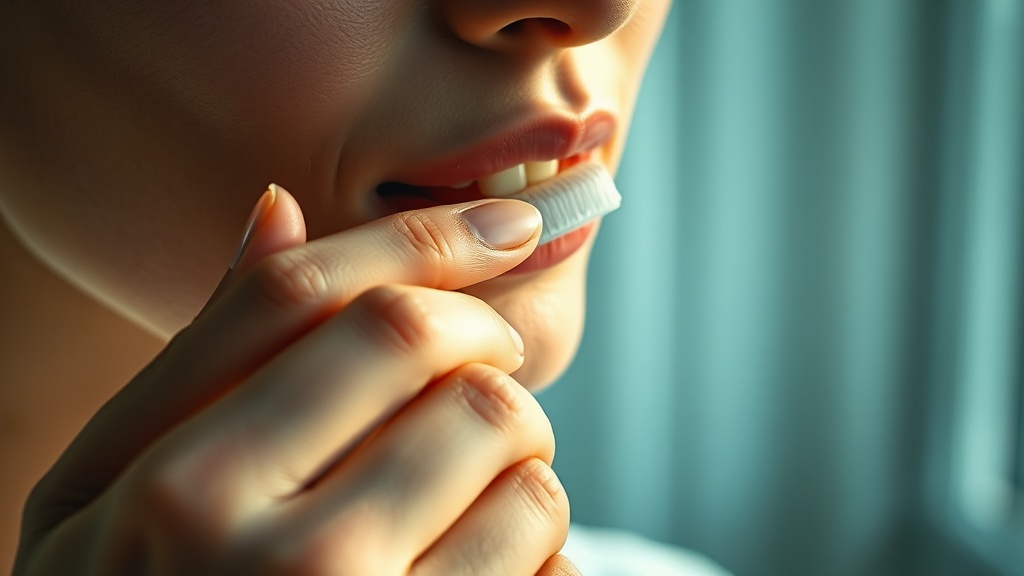
Technique beats hardware: a soft brush angled gently into the gumline, used lightly for two minutes, is what the evidence rewards.
If your gums keep bleeding, look swollen, or feel sore despite a couple of weeks of gentle, thorough brushing and cleaning between the teeth, see a dentist or hygienist. Persistent bleeding can mean hardened tartar below the gumline that no toothbrush can remove, or gum disease that has moved beyond the reversible stage. A professional cleaning and assessment is the right next step; a firmer brush is not.
Frequently asked questions
Sources
- 1.
- 2.
- 3.
- 4.
- 5.
- 6.
- 7.
- 8.

Fix your breath at the source.
The complete science-backed protocol — engineered to eliminate volatile sulfur compounds at the biological source.
Start the Breath Protocol →Related reading
Educational purposes only. The content on this page is not medical advice and is not a substitute for consultation with a qualified dental or medical professional.
More from the library
 Guides9 min
Gingivitis: Causes, Symptoms and How It Is Treated
The whole picture on gingivitis in one place, from plaque and bleeding to professional treatment and everyday gum-supporting habits.
Read →→ Answers9 min
Is Gingivitis Reversible? The Honest Answer
The honest, evidence-based answer on whether gingivitis is reversible, how it happens, and the point at which it no longer is.
Read →→ Answers8 min
How to Get Rid of Gingivitis: A Fast, Practical Routine
The fast, practical routine that clears the plaque driving gingivitis - and roughly how long it takes for the bleeding to stop.
Read →→ Best Of8 min
The Best Soft-Bristle Toothbrush for Gum Recession, by Type
Aggressive brushing is part of how gums recede, and gums do not grow back on their own. Here is how gentle soft-bristle brushes compare for protecting a receding gumline.
Read →→ Guides8 min
Gum Disease Symptoms: The Early Warnings You Can Feel
The symptoms of gum disease you can feel and notice yourself, why bleeding comes first, and when a symptom means see a dentist now.
Read →→ Answers8 min
Can Receding Gums Grow Back? The Honest Answer
It is the question everyone with recession asks. The straight answer, and what you can realistically do instead.
Read →→