The Best Soft-Bristle Toothbrush for Gum Recession
Aggressive brushing is part of how gums recede, and gums do not grow back on their own. Here is how gentle soft-bristle brushes compare for protecting a receding gumline.
- Receding gums do not grow back on their own; the job of the right brush is to help stop the gumline receding further, not to reverse it.
- Recession is most common and most severe on the cheek-facing surfaces of teeth, the pattern that points to mechanical abrasion from hard brushing, not bacteria alone.
- A soft or extra-soft, end-rounded brush used with light pressure protects the exposed gum margin far better than a firm brush.
- Powered brushes with a pressure sensor help because they warn you the instant you push too hard, retraining a heavy hand.
- A toothbrush supports gum health and controls plaque; covering an exposed root is a surgical procedure, so ongoing recession needs a dentist.
The best soft-bristle toothbrush for gum recession is a soft or extra-soft, end-rounded brush used with light pressure, ideally one with a pressure sensor. Recession is driven partly by hard brushing, and gums do not grow back on their own, so a gentle brush that protects the gumline is what the evidence supports.
How your toothbrush is linked to receding gums
Gum recession is the gum margin migrating down the tooth, exposing the softer root surface. It has two main drivers, and one of them is in your hand. Where recession is caused by gum disease, it follows the bacteria. But a large share of recession is mechanical: it shows up most on the cheek-facing surfaces of the teeth and is more severe there than between the teeth, which is the fingerprint of abrasion rather than infection. That cheek-side, wear-pattern distribution is exactly what you would expect from a firm brush and a heavy, horizontal scrubbing action dragging across the delicate margin day after day. The crucial, and often hard, truth is that once gum tissue has receded over a root, it does not spontaneously grow back. The only situation in the literature where tissue creeps back over an exposed root is after gum surgery, and even then the coverage is incomplete and unpredictable. So the realistic aim of choosing the right brush is protective: stop adding mechanical trauma to the margin, keep plaque under control, and prevent the recession you have from getting worse.
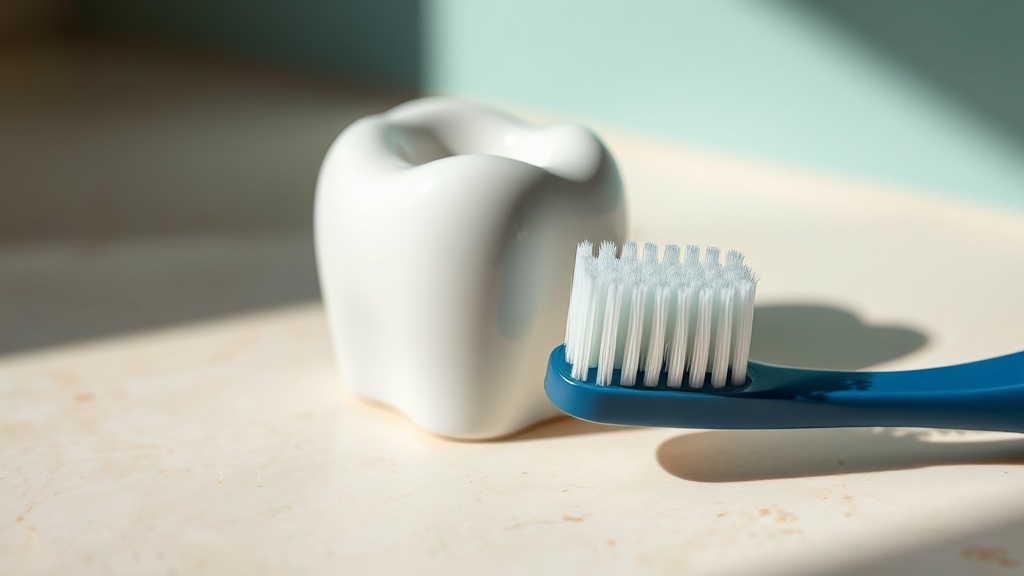
Recession concentrates on the cheek-facing surfaces, the wear pattern of hard brushing. A gentle, extra-soft brush protects the margin you still have.
What the research actually shows
Every claim below maps to a named, peer-reviewed source in the Sources section. According to PubMed.
| Claim | Evidence | Source |
|---|---|---|
| Recession is more prevalent and more severe on buccal (cheek-side) surfaces than between the teeth, the signature of mechanical abrasion rather than bacterial disease; about 22.5% of US adults aged 30 and over had 3 mm or more of recession. | National survey (NHANES III) of recession, bleeding and calculus. | Albandar & Kingman, 1999 |
| Across seven European countries, recession of at least 1 mm was found in 87.9% of adults, and much of it is considered largely preventable. | Multi-country epidemiological study of recession and dentine hypersensitivity. | West et al., 2024 |
| The only spontaneous tissue re-coverage of an exposed root described in the literature (creeping attachment) occurs only after mucogingival surgery, and even then coverage is not always complete or predictable. | Review of creeping attachment and root coverage. | Wan et al., 2020 |
| Covering an exposed root is achieved by periodontal plastic surgery; no source describes gums regrowing over an exposed root on their own. | Review of periodontal plastic surgery for root coverage. | Zucchelli & Mounssif, 2015 |
| Pressure-control feedback cut habitual over-brushing force within about two weeks, showing heavy pressure is a modifiable habit. | Clinical study of brushing force with pressure feedback. | Heasman et al., 2001 |
Best soft-bristle toothbrush for gum recession, by type
| Brush type | Best for | Evidence on recession | Main tradeoff |
|---|---|---|---|
| Extra-soft manual | Delicate or already-receded gumlines | Cleans with the least mechanical stress on the margin | Needs patience and careful coverage |
| Soft manual | Everyday gentle brushing | Effective plaque control with light pressure | Easy to press too hard out of old habit |
| Powered with pressure sensor | Retraining a heavy hand | Warns you the instant you push too hard | Only works if you respond to the alert |
| Sonic soft | A gentle powered clean | Cleans well at low pressure without hard scrubbing | The buzzing sensation is not for everyone |
| Small / compact head | Reaching the gumline precisely | Better angulation reduces dragging across the margin | Slower to cover the whole mouth |
Why technique, not just the brush, protects the gumline
Choosing soft bristles is only half the answer; how you move them decides whether they protect or wear the margin. The habit that damages gums is a hard, horizontal sawing motion with heavy pressure, which drags the bristles sideways across the exposed root and margin. Replace it with light pressure and small, gentle movements or a soft roll away from the gumline, and you remove plaque without abrading tissue. Pressure is the single most important thing to control, because most people push much harder than they think, and untreated mechanical recession tends to creep further down the tooth over years rather than stabilising on its own. This is where a powered brush with a pressure sensor earns its place: it is not that the motor cleans better for recession, it is that the sensor retrains your hand, and habitual over-force can be reduced within a couple of weeks once you get that feedback. Hold the brush like a pen rather than gripping it, let the bristles do the work, and treat the gumline as something to preserve, not to scour. Gentle and consistent protects; hard and fast erodes.
Evidence you can act on.
Occasional emails — new research, new protocols, no noise.
How to choose and brush to protect receding gums
Pick the gentlest effective brush, then retrain the pressure and motion that cause abrasion.
- 1
Choose extra-soft, end-rounded bristles
onceFor an already-receding gumline, extra-soft filaments with rounded tips are the safest choice. They clean plaque with the least mechanical stress on the exposed, more vulnerable root surface.
- 2
Use a pressure sensor if you brush hard
onceIf you know you are heavy-handed, a powered brush with a pressure sensor is worth it, not for extra power but for the alert that retrains your force. Habitual over-brushing can ease within a couple of weeks with that feedback.
- 3
Hold the brush like a pen
dailyA pen grip naturally lightens your pressure compared with a fist grip. Light pressure removes plaque just as well while sparing the margin from abrasion.
- 4
Swap sawing for gentle rolls or small circles
dailyAvoid hard horizontal scrubbing across the gumline. Angle the bristles to the margin and use small, gentle movements or roll away from the gum, which cleans the area without dragging across the exposed root.
- 5
Do not brush straight after acidic food or drink
dailySoftened surfaces abrade more easily. Wait a while after citrus, wine or fizzy drinks before brushing, so you are not wearing an already-weakened margin.
- 6
Clean between the teeth gently
dailyInterdental cleaning matters, but be as gentle here as at the gumline. Choose an interdental brush that fits without forcing, or floss carefully, to avoid adding trauma.
- 7
Have the recession monitored
ongoingAsk a dentist or hygienist to track your gum levels over time. If recession keeps advancing or roots become sensitive, they can advise on protection or, where appropriate, surgical root coverage.
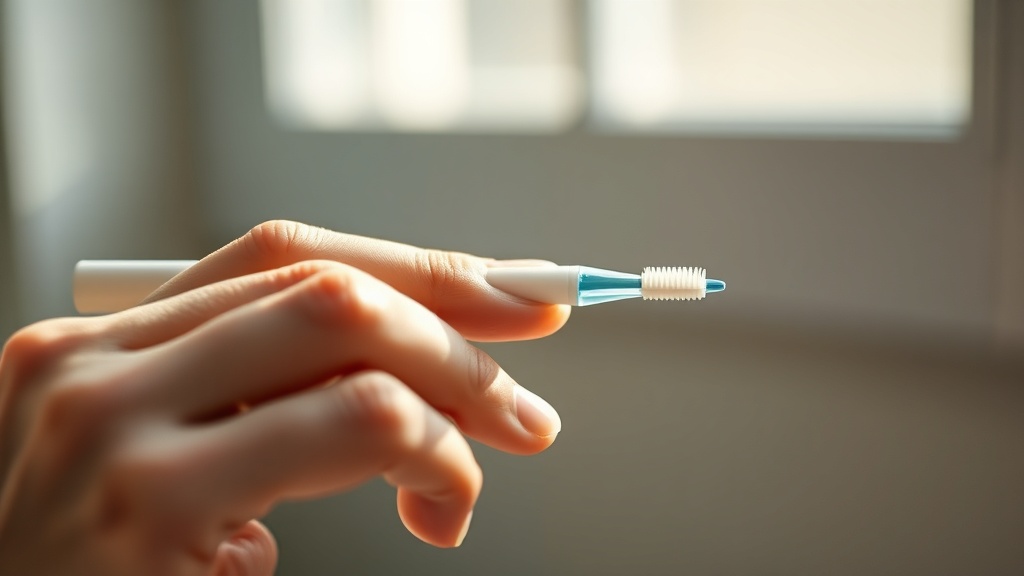
A light pen grip and gentle motion are what protect a receding margin; the brush is only as safe as the pressure behind it.
Recession is time-sensitive, and the more a gum recedes, the harder it is to address, so do not wait it out. See a dentist if your gums are visibly receding, roots feel sensitive to hot, cold or brushing, or the margin keeps dropping. A professional can identify whether hard brushing, gum disease or both are at play, protect exposed roots, and discuss surgical root coverage when it is warranted. A softer brush helps prevent further loss, but it cannot regrow what has already gone.
Frequently asked questions
Sources
- 1.
- 2.
- 3.
- 4.
- 5.
- 6.
- 7.

Fix your breath at the source.
The complete science-backed protocol — engineered to eliminate volatile sulfur compounds at the biological source.
Start the Breath Protocol →Related reading
Educational purposes only. The content on this page is not medical advice and is not a substitute for consultation with a qualified dental or medical professional.
More from the library
 Guides8 min
How to Stop Receding Gums: What Actually Slows It
You cannot will your gum line back up, but you can often stop it from dropping further. Here is what the evidence supports.
Read →→ Guides8 min
Gum Recession Treatment: Every Option, Compared
The right treatment depends on why your gums receded and how far. Here is the full ladder, with what each rung can honestly deliver.
Read →→ Answers8 min
Can Receding Gums Grow Back? The Honest Answer
It is the question everyone with recession asks. The straight answer, and what you can realistically do instead.
Read →→ Best Of8 min
The Best Soft-Bristle Toothbrush for Gingivitis, by Type
The bristles matter less than how you use them. Here is how soft-bristle manual and powered brushes compare on the evidence for controlling the plaque behind gingivitis.
Read →→ Guides8 min
Gum Disease Symptoms: The Early Warnings You Can Feel
The symptoms of gum disease you can feel and notice yourself, why bleeding comes first, and when a symptom means see a dentist now.
Read →→ Guides8 min
Periodontal Disease: The Full Spectrum, Explained
A clear, honest overview of periodontal disease as a spectrum: the difference between gingivitis and periodontitis, what the colloquial phrase gum disease misses, and why early bleeding is the signal to act.
Read →→