
Is Gingivitis Reversible?
The honest, evidence-based answer on whether gingivitis is reversible, how it happens, and the point at which it no longer is.
- Yes: gingivitis, the earliest stage of gum disease, is genuinely reversible with professional cleaning plus consistent daily plaque control.
- This is one of the best-established facts in gum research: stop cleaning and gums inflame within two to three weeks; resume it and every clinical measure returns to baseline.
- Reversible means the gum tissue itself heals, because in gingivitis no bone or attachment has been lost; there is no permanent damage to undo.
- Reversibility ends when the disease progresses to periodontitis: lost bone and attachment cannot be regrown at home, only stabilised, which is why acting early matters.
- The reversal is not automatic; it depends on removing the hardened tartar a dentist clears and keeping plaque down every day thereafter.
Yes, gingivitis is reversible. Because it is inflammation driven by plaque, and no bone or attachment has yet been lost, the gums return to full health once a dentist removes hardened tartar and you keep plaque under control daily. Reversibility ends only if it progresses to periodontitis, where structural loss is permanent.
Why gingivitis can be reversed
Gingivitis is reversible for one simple reason: it is an active inflammatory response to plaque, not a wound in the tissue. When plaque sits along the gumline, bacteria irritate the gum and the body responds with inflammation, which produces the familiar redness, swelling and bleeding. Nothing in the supporting structures has been destroyed at this stage; the bone and the fibres that attach the tooth are intact. Remove the trigger and the response fades, the same way a splinter left in the skin keeps the area inflamed until it is taken out and then settles. The evidence for this is unusually clean. In the classic experimental model of gingivitis, healthy volunteers who stopped all oral hygiene developed clear gum inflammation within two to three weeks, and when they resumed cleaning, their gums returned to health. Later trials using standardised scores confirmed that pocket depth, bleeding, and gingival and plaque indices all rose during the no-hygiene phase and returned to baseline during the resolution phase. That round trip, inflammation appearing and then fully resolving, is the definition of a reversible condition.
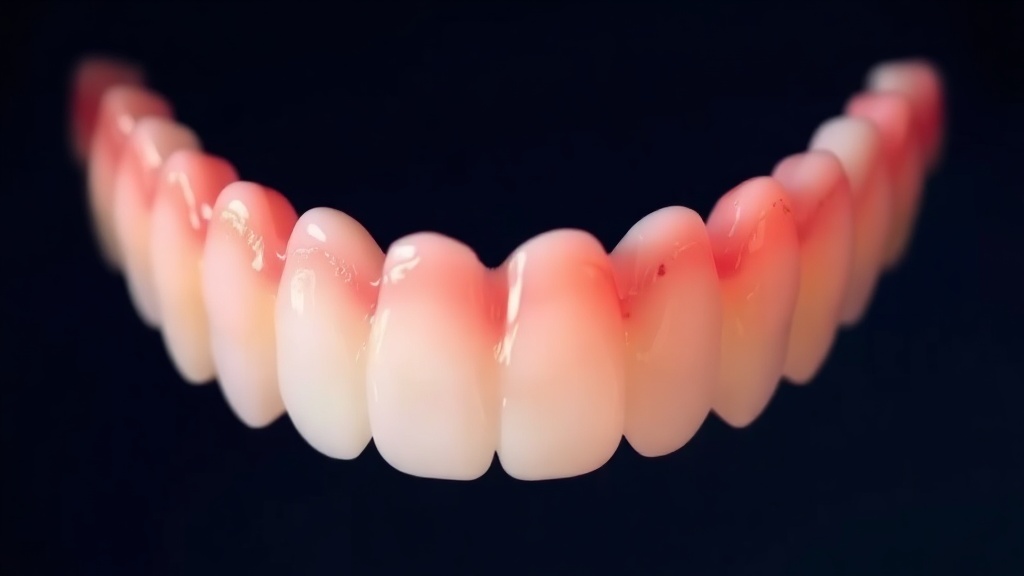
Gingivitis is a round trip: gums inflame when plaque builds up and return fully to health when it is cleared, because nothing structural is lost.
What the research actually shows
Every claim above maps to a named, peer-reviewed source listed in Sources. According to PubMed.
| Claim | Evidence | Source |
|---|---|---|
| Stopping oral hygiene induces gum inflammation within about two to three weeks, and resuming plaque control reverses it back to health. | Original experimental-gingivitis-in-man study. | Loe et al., 1965 |
| Every clinical parameter, including pocket depth, bleeding, and gingival and plaque index, returned to baseline during the resolution phase. | Experimental gingivitis clinical trial. | Wellappuli et al., 2017 |
| Gingivitis is reversible with plaque control, while periodontitis is a ubiquitous and irreversible condition where lost attachment and bone are not regained. | EFP consensus on primary prevention of periodontitis. | Chapple et al., 2015 |
| After periodontitis, a treated patient is classed as periodontitis on a reduced periodontium: inflammation is controlled but structural loss is permanent. | 2017 World Workshop consensus on periodontitis. | Papapanou et al., 2017 |
| Not all gingivitis progresses and clinicians cannot reliably predict which cases will, which is why reversing it early is the sensible strategy. | Review of gingivitis and periodontitis prevention. | Jin et al., 2011 |
Reversible or not: knowing the line
| Stage | Reversible? | Why |
|---|---|---|
| Healthy gums | N/A | Nothing to reverse; the goal to maintain |
| Gingivitis (early) | Yes | Inflammation only; no bone or attachment lost |
| Periodontitis (established) | No | Bone and attachment lost; can be stabilised, not regrown at home |
| Gum recession | No | Lost gum does not grow back on its own; coverage is surgical |
Where reversibility ends, and why timing matters
The honest boundary is this: gingivitis is reversible, but the disease it can become is not. If plaque-driven inflammation persists in a susceptible person, it can progress to periodontitis, in which the inflammation destroys the fibres and bone that hold teeth in place. That loss is permanent. Professional treatment can halt the disease and stabilise things, and a treated patient is then described as having periodontitis on a reduced periodontium, meaning the inflammation is controlled but the lost support does not return. Gum recession follows the same rule; once gum has receded, it does not grow back on its own, and covering an exposed root is a surgical procedure, not something a paste or rinse achieves. This is exactly why timing matters so much. Reversal is essentially free and reliable at the gingivitis stage and impossible to fully achieve later. Two facts make the case for acting early rather than waiting: roughly one in three people are high responders whose gums inflame more strongly to the same plaque, and clinicians cannot reliably predict which mild cases of gingivitis will progress. Since you cannot know in advance whether you are in the group that will cross the line, reversing gingivitis while it is still reversible is the safe bet.
Evidence you can act on.
Occasional emails — new research, new protocols, no noise.
How to reverse gingivitis, step by step
Reversal is a partnership: a dentist removes what you cannot, and you keep plaque down daily. These steps support that recovery; the diagnosis and professional cleaning come from your dental team.
- 1
Start with a professional cleaning
one appointmentA dentist or hygienist removes the hardened tartar and plaque you cannot reach, especially at and just below the gumline. This is the step home care cannot replace, and without it the inflammation tends to persist no matter how well you brush.
- 2
Control plaque at the gumline every day
2 minutes, twice dailyAngle a soft brush into the gumline and brush gently for two minutes, twice a day. This sustained drop in plaque is what lets the gum tissue calm and heal; consistency matters far more than occasional intensity.
- 3
Clean between the teeth daily
1 minute dailyFloss or interdental brushes clear plaque from the surfaces a brush misses, where gingivitis often lingers. Daily interdental cleaning is well supported for reducing gum inflammation in those gaps.
- 4
Support recovery with lifestyle and diet
ongoingNot smoking helps the gums respond and heal, and adequate vitamin C supports gum collagen, with an anti-inflammatory diet linked to less bleeding. These help the reversal along rather than driving it.
- 5
Give it two to three weeks, then re-check
2-3 weeksExpect visible improvement within a couple of weeks, matching the timeline in the research. Have your dentist confirm the gums have returned to health, and keep up the routine so gingivitis does not simply return.
A sustained, everyday drop in plaque, not a one-off effort, is what allows gingivitis to reverse and stay reversed.
Reversing gingivitis depends on a professional cleaning, so a dental visit is part of the plan, not optional. See a dentist to confirm the diagnosis and remove hardened tartar, and go promptly if your gums are receding, teeth feel loose or have shifted, deep pockets or gaps are opening up, or there is pus, because these suggest the disease has progressed to a stage that is no longer reversible at home and needs professional treatment. The earlier you are seen, the more likely you are still in the reversible window.
Frequently asked questions
Sources
- 1.
- 2.
- 3.
- 4.
- 5.
- 6.
- 7.

Fix your breath at the source.
The complete science-backed protocol — engineered to eliminate volatile sulfur compounds at the biological source.
Start the Breath Protocol →Related reading
Educational purposes only. The content on this page is not medical advice and is not a substitute for consultation with a qualified dental or medical professional.
More from the library
 Answers8 min
What Is Gingivitis? A Plain-English Guide to Early Gum Disease
A clear, honest explainer on what gingivitis is, why it happens, and why the early stage can return to full health.
Read →→ Guides9 min
Gingivitis: Causes, Symptoms and How It Is Treated
The whole picture on gingivitis in one place, from plaque and bleeding to professional treatment and everyday gum-supporting habits.
Read →→ Answers8 min
Can Receding Gums Grow Back? The Honest Answer
It is the question everyone with recession asks. The straight answer, and what you can realistically do instead.
Read →→ Guides8 min
How to Stop Receding Gums: What Actually Slows It
You cannot will your gum line back up, but you can often stop it from dropping further. Here is what the evidence supports.
Read →→ Guides8 min
Gum Disease Symptoms: The Early Warnings You Can Feel
The symptoms of gum disease you can feel and notice yourself, why bleeding comes first, and when a symptom means see a dentist now.
Read →→ Guides8 min
Periodontal Disease: The Full Spectrum, Explained
A clear, honest overview of periodontal disease as a spectrum: the difference between gingivitis and periodontitis, what the colloquial phrase gum disease misses, and why early bleeding is the signal to act.
Read →→