
How to Get Rid of Gingivitis: A Fast, Practical Routine
The fast, practical routine that clears the plaque driving gingivitis - and roughly how long it takes for the bleeding to stop.

- Getting rid of gingivitis means removing the plaque that causes it. There is no shortcut product - the routine itself is the fix, and it works fast when done properly.
- Start with a professional cleaning. It removes the hardened calculus you physically cannot reach at home, so your daily routine can actually keep the surfaces clean.
- The daily core is twice-daily, two-minute brushing with the Bass technique plus cleaning between every tooth once a day - that combination has the strongest evidence for lowering bleeding.
- An alcohol-free essential-oil or antiseptic rinse can help as a short adjunct, but it works alongside brushing and interdental cleaning, never instead of them.
- Because gingivitis is reversible, most people see bleeding settle within two to three weeks of consistent plaque control. If it does not, see a dentist.
To get rid of gingivitis, remove the plaque driving it. Book a professional cleaning to clear hardened calculus, then brush twice daily for two minutes with the Bass technique, clean between every tooth once a day, and add a short adjunct rinse. Bleeding usually settles within two to three weeks.
Why this routine works - and works quickly
Gingivitis is inflammation caused by plaque sitting along the gumline, so the entire job is to take that plaque away and stop it rebuilding. This is why a routine, not a product, is the answer: brushing and interdental cleaning physically disrupt the bacterial film, and the gums - which were only reacting to it - settle down once it is gone. The speed surprises people. In the classic experimental studies, gingivitis appeared within two to three weeks of stopping hygiene and resolved on a similar timescale once cleaning resumed, with bleeding, redness and swelling returning to baseline. The one thing a toothbrush cannot do is remove calculus, the hardened plaque that cements onto teeth. That is why the fastest results come from pairing a professional cleaning, which resets the surfaces, with a rigorous daily routine that keeps them clean. Do both and you are working with your body''s own capacity to heal, not against it.
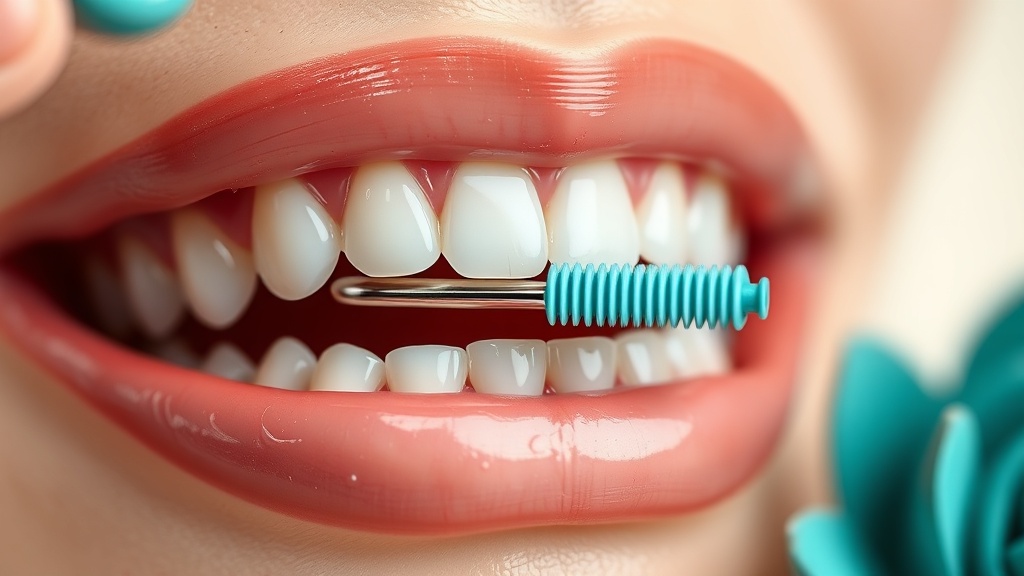
A toothbrush reaches only three of five tooth surfaces - cleaning between the teeth clears the plaque where gingivitis so often starts.
What the research actually shows
Every claim below maps to a named, peer-reviewed source in the Sources section. According to PubMed.
| Claim | Evidence | Source |
|---|---|---|
| Gingivitis is reversible on a short timescale: signs that rose over about two weeks without brushing returned to baseline once hygiene resumed. | Experimental-gingivitis clinical study. | Wellappuli et al., 2017 |
| Brushing twice daily for at least two minutes with the Bass technique positively affected plaque and gingival indices; soft, end-rounded bristles performed best. | Scoping review of brushing technique. | Kaneyasu et al., 2024 |
| Interdental brushes reduced plaque and gingivitis more than floss - the single strongest interdental finding for gum health. | Systematic review of interdental brushes. | Slot et al., 2008 |
| An alcohol-free essential-oil mouthrinse reduced plaque by 31.6 percent and gingivitis by 24.0 percent versus control over six months, as an adjunct. | Six-month randomised controlled trial. | Cortelli et al., 2013 |
| Powered brushes reduced plaque by around 21 percent and gingivitis by around 11 percent long-term versus manual brushing. | Cochrane systematic review. | Yaacob et al., 2014 (Cochrane) |
What clears plaque, and where
| Tool | What it clears | How often |
|---|---|---|
| Toothbrush (Bass technique) | Plaque on the outer, inner and biting surfaces | Twice daily, two minutes |
| Interdental brush or floss | Plaque between teeth, where a brush cannot reach | Once daily |
| Alcohol-free essential-oil rinse | Extra bacteria on between-teeth and surface areas | A short adjunct course |
| Professional cleaning | Hardened calculus you cannot remove at home | Every six months, or as advised |
Where home care hits its limit
A fast home routine handles the reversible, plaque-driven part of gingivitis beautifully - but it is honest to name its ceiling. Once plaque hardens into calculus, especially below the gumline, no toothbrush, floss or rinse can remove it, and the surface it creates simply gathers more plaque. Studies of leftover calculus show the amount a home routine leaves behind climbs steeply with pocket depth. That is why the single most effective move for many people is not a better gadget but a professional cleaning that clears the deposits first, letting the daily routine do its job on a clean surface. It is also why you should not keep waiting and hoping if bleeding persists past a few weeks of genuine effort: persistent inflammation can mean there is calculus you cannot reach, or that things have moved beyond simple gingivitis. Getting rid of gingivitis fast is realistic; doing it entirely alone is not always.
Evidence you can act on.
Occasional emails — new research, new protocols, no noise.
The fast routine, step by step
This is a routine, not a cure in a bottle. Done consistently, it removes the plaque driving the inflammation and lets the gums settle - usually within a few weeks.
- 1
Book a professional cleaning to reset
one visitStart here if you can. A hygienist removes the hardened calculus your brush cannot touch, so the rest of the routine works on genuinely clean surfaces. It also confirms you are dealing with reversible gingivitis, not something further along.
- 2
Brush twice daily for two minutes, Bass technique
twice dailyAngle a soft, end-rounded brush at 45 degrees into the gumline and use small, gentle strokes. Twice a day, two full minutes. This technique, not the force, is what lowers plaque and bleeding - scrubbing hard does more harm than good.
- 3
Clean between every tooth once a day
once dailyAn interdental brush sized to each gap, or floss where gaps are tight, clears the plaque a toothbrush leaves behind between teeth. This is where gingivitis most often starts and the step most people skip - do not.
- 4
Add a short adjunct rinse
a short courseAn alcohol-free essential-oil rinse used for a couple of weeks can lower the bacterial load on the surfaces you have just cleaned. Treat it as a helper. It reaches between-teeth and surface areas, not deep pockets, and it does not replace brushing.
- 5
Give it two to three weeks
2 to 3 weeksKeep the routine tight and watch the bleeding fade - most people see clear improvement in this window. If your gums still bleed after a few weeks of honest effort, that is your cue to see a dentist rather than push harder at home.

With consistent plaque control, bleeding and redness typically settle within two to three weeks.
If your gums are still bleeding, red or swollen after two to three weeks of a genuinely consistent routine, book a dentist or hygienist. Persistent inflammation can mean there is calculus below the gumline that only a professional can remove, or that the condition has moved beyond simple gingivitis. Receding gums, loose teeth or a lingering bad taste are all reasons not to wait.
Frequently asked questions
Sources
- 1.
- 2.
- 3.
- 4.
- 5.
- 6.

Fix your breath at the source.
The complete science-backed protocol — engineered to eliminate volatile sulfur compounds at the biological source.
Start the Breath Protocol →Related reading
Educational purposes only. The content on this page is not medical advice and is not a substitute for consultation with a qualified dental or medical professional.
More from the library
 Answers8 min
How to Treat Gingivitis: The Full Professional and Home Path
The complete treatment pathway for gingivitis - what the dentist does, what you do at home, and the risk factors that decide whether it holds.
Read →→ Answers8 min
Is Gingivitis Curable? The Honest Answer
Early gingivitis is genuinely reversible - but the cure is a professional cleaning and daily hygiene, not a product, and periodontitis is a different story.
Read →→ Guides8 min
How to Stop Receding Gums: What Actually Slows It
You cannot will your gum line back up, but you can often stop it from dropping further. Here is what the evidence supports.
Read →→ Guides8 min
Gum Recession Treatment: Every Option, Compared
The right treatment depends on why your gums receded and how far. Here is the full ladder, with what each rung can honestly deliver.
Read →→ Guides8 min
Gum Disease Symptoms: The Early Warnings You Can Feel
The symptoms of gum disease you can feel and notice yourself, why bleeding comes first, and when a symptom means see a dentist now.
Read →→ Answers8 min
Can Receding Gums Grow Back? The Honest Answer
It is the question everyone with recession asks. The straight answer, and what you can realistically do instead.
Read →→