Saliva Substitutes for Xerostomia: The Best Options, Honestly Reviewed
The honest guide to saliva substitutes for clinical dry mouth: what each format does, what the evidence supports, and how to match one to your situation.
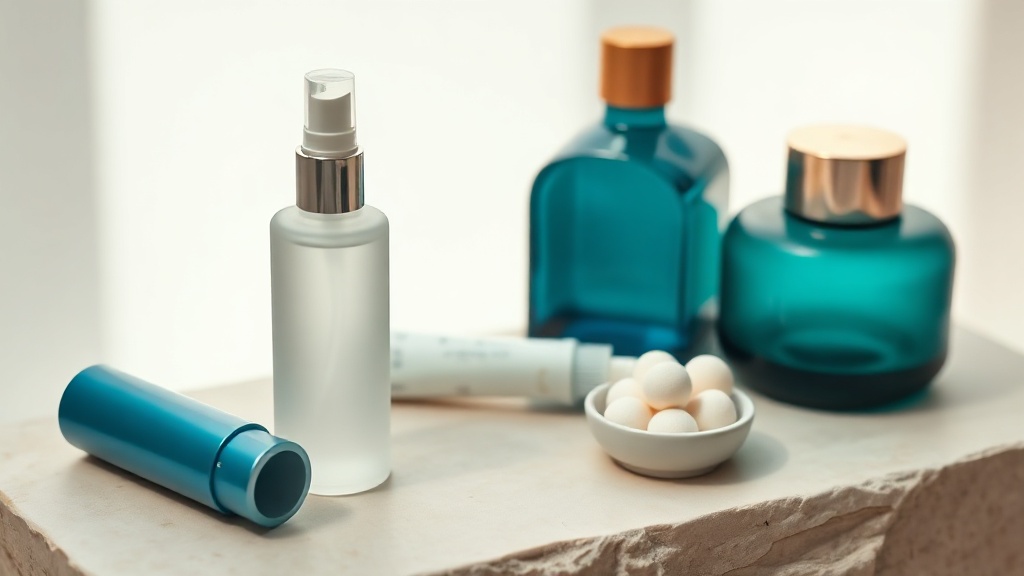
- Xerostomia is the feeling of a dry mouth; saliva substitutes do not restore your own saliva, they stand in for it — coating, moistening and lubricating the tissues so the mouth feels more comfortable.
- The honest evidence bar is modest: a Cochrane review of 36 trials found no strong evidence that any single topical product reliably relieves dry mouth, so the goal is comfort and function, not a cure.
- The best-supported single format is an oxygenated glycerol triester (OGT) spray, which beat a plain electrolyte spray by about two points on a ten-point dryness scale.
- Format should follow your situation: sprays and gels for daytime coating, an adhering overnight disc for the long dry stretch of sleep, and sugar-free gum only when some of your own gland function remains.
- For xerostomia driven by Sjogren, head-and-neck radiation, or a prescription medicine, a saliva substitute is a comfort layer alongside professional care — never a reason to stop or change a prescribed drug on your own.
The best saliva substitute for xerostomia is the one matched to your dry-mouth moment. Evidence is modest across the board, but an oxygenated glycerol triester spray has the strongest signal, moisturizing gels help with daytime and swallowing comfort, and an adhering overnight disc targets the long dry stretch of sleep.
What a saliva substitute actually does
A saliva substitute is a stand-in, not a replacement. Real saliva is a remarkable fluid — it lubricates, buffers acid, carries minerals back to enamel and holds antimicrobial proteins. A product cannot reproduce all of that, and honest labelling never pretends to. What a good saliva substitute does is mechanical and sensory: it puts a moist, slippery film over the tongue, cheeks and palate so speaking, chewing and swallowing feel easier and the raw, sticky sensation eases. Formats differ mainly in how they deliver and how long they cling. A spray lays down a quick, light coat you can reapply through the day. A gel is thicker and stays put longer, which is why many people reach for one before bed or before a meal. An adhering disc parks a slow-release reservoir against the gum or cheek so it keeps working for hours, including overnight when your own flow naturally drops. Some products lean on a humectant such as glycerin to hold water against the tissue; the best-studied of them uses an oxygenated glycerol triester that spreads into a longer-lasting lubricating layer. None of this treats an underlying condition — it makes the mouth feel and function better while the cause is managed elsewhere.

A saliva substitute works by laying a moist, slippery film over the tissues so the mouth feels lubricated and comfortable.
What the research actually shows
Every claim below maps to a named, peer-reviewed source in the Sources section. According to PubMed.
| Claim | Evidence | Source |
|---|---|---|
| Across 36 randomized trials there was no strong evidence that any one topical product reliably relieves dry mouth — a signal to expect comfort, not resolution. | Cochrane systematic review of topical therapies (1,597 participants); only 1 of 36 trials was low risk of bias. | Furness et al., 2011 |
| An oxygenated glycerol triester (OGT) spray was the single clearest topical signal, beating a plain electrolyte spray by about two points on a ten-point dryness scale. | Standardized mean difference 0.77 (95% CI 0.38 to 1.15) in the same Cochrane review. | Furness et al., 2011 |
| Dryness can still be felt even when saliva production rises, so a product that improves comfort is doing its job even without a big flow change. | Cochrane review noting the recurring dissociation between measured flow and symptom relief. | Furness et al., 2013 |
| In a head-to-head crossover trial, three different saliva substitutes each reduced dryness versus baseline, but none reached the pre-set target of halving symptoms — partial relief, not a fix. | Multicentre randomized crossover trial in xerostomia patients. | Salom et al., 2015 |
| A moisturizing jelly and a topical gel each significantly improved dry-mouth and swallowing scores after radiotherapy, with the edible jelly performing best — real functional benefit, not just a wetter feeling. | Randomized trial in 62 post-radiotherapy patients (p<0.0001). | Nuchit et al., 2019 |
The main formats, side by side
| Type of saliva substitute | What the evidence supports | Best moment to use it |
|---|---|---|
| Spray (incl. oxygenated glycerol triester) | The best-supported single format; light, fast coat you reapply often | Daytime top-ups, before speaking or a meeting |
| Moisturizing gel | Improves comfort and swallowing; thicker and longer-clinging | Before meals and before bed, or for a sore, sticky mouth |
| Adhering overnight disc (xylitol reservoir) | Promising for overnight wetness, but evidence is thin and uncontrolled | The long dry stretch of sleep |
| Sugar-free (xylitol) gum or lozenge | Raises your own flow — but only where some gland function remains | Daytime, when you can still make saliva to stimulate |
| Acid or gustatory stimulant (e.g. malic acid) | Can ease symptoms; often more comfort than measurable flow, and can be erosive | Sparingly, ideally paired with fluoride to protect enamel |
Why more saliva is not always the goal — match the product to the cause
It is tempting to assume the answer is simply making more saliva, but two things complicate that. First, feeling dry and measuring low flow do not always travel together — plenty of people feel parched with near-normal readings, which is why a lubricating film often helps more than a stimulant. Second, stimulants only work if there is gland tissue left to stimulate. Sugar-free gum reliably lifts flow in people who retain some function, but it does little in severe radiation damage or advanced Sjogren, where the glands cannot respond; in those cases a substitute that coats and holds moisture is the more realistic tool. So the smart approach is to match the format to your cause. If a medication is the driver, the priority is a conversation with your prescriber about the drug itself, with a substitute for comfort in the meantime. If radiation or Sjogren has reduced your capacity to make saliva, lean on gels, sprays and overnight discs for coating rather than expecting a stimulant to rescue flow. And whatever you choose, protect the teeth: with less saliva buffering acid, a high-fluoride routine matters more, not less. The product relieves the feeling; the fluoride and the professional care guard the structure.
Evidence you can act on.
Occasional emails — new research, new protocols, no noise.
How to choose and use a saliva substitute
None of these steps treat a disease — they help you pick a comfort layer that fits your dry-mouth pattern and use it well. If your dryness is persistent or severe, start with a dentist or doctor.
- 1
Map your driest moments first
a day or two of noticingIs it worst overnight, at mealtimes, or all day? A mostly-nocturnal problem points to a gel or an adhering overnight disc; a mealtime or all-day problem points to a spray you can reapply and a gel before eating. Matching the format to the moment does more than picking the priciest product.
- 2
Start with the best-supported, gentlest option
1 to 2 weeksA moisturizing spray or gel is a sensible first trial, and an oxygenated glycerol triester spray has the strongest evidence behind it. Give any one product a fair run of one to two weeks before judging it, and reapply as often as the label allows — these are meant to be topped up, not used once.
- 3
Add an overnight tool if sleep is the problem
nightlyIf you wake with a stuck, parched mouth, a thicker gel at bedtime or a slow-dissolving adhering disc can carry moisture through the night, when your own flow is naturally lowest. Expect comfort rather than a cure, and keep water within reach.
- 4
Keep some of your own flow working, if you can
daytimeWhere gland function remains, sugar-free xylitol gum or lozenges and simple sips of water help your mouth do more of its own work. If you use an acid-based stimulant such as malic acid, use it sparingly and pair it with fluoride, because acids can erode enamel over time.
- 5
Protect the teeth and loop in a professional
ongoingA dry mouth leaves enamel more exposed, so a high-fluoride routine and regular dental visits matter more than usual. Bring your product list and your medication list to those visits — and never stop or change a prescribed medicine on your own to chase dryness relief.
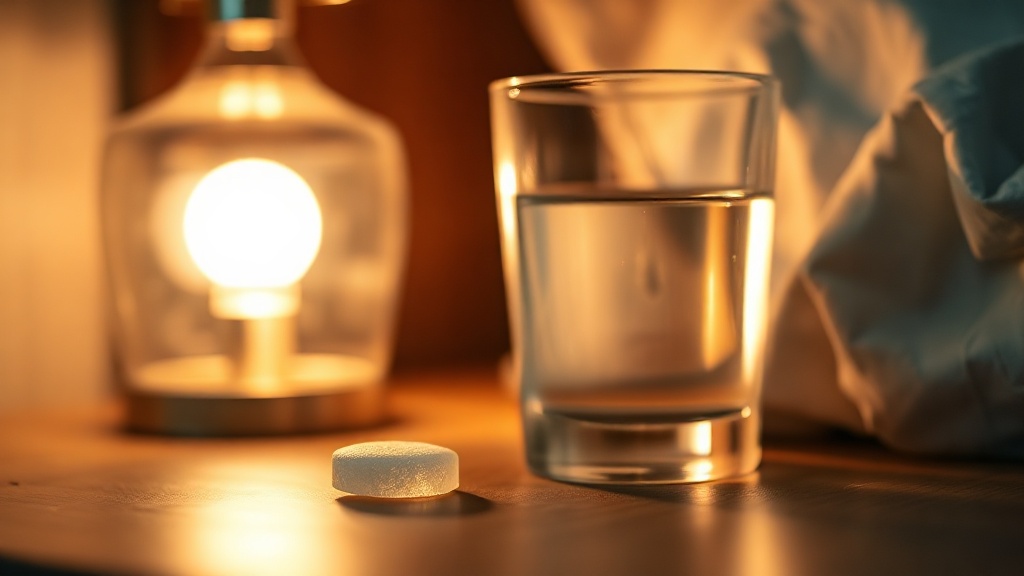
For dryness that peaks during sleep, an adhering overnight disc parks a slow-release moisture reservoir against the gum through the night.
See a dentist or doctor if your dry mouth is persistent, severe, or paired with dry eyes, difficulty swallowing, or a new prescription — these deserve a proper assessment rather than self-management. If you have had head-and-neck radiation, live with Sjogren, or take several medications, ask specifically about a high-fluoride caries-protection plan. And if you suspect a medicine is drying your mouth, raise it with the prescriber who manages that drug; reviewing or adjusting medication is their call, never something to do on your own.
Frequently asked questions
Sources
- 1.
- 2.
- 3.
- 4.
- 5.
- 6.
- 7.
- 8.
- 9.

Fix your breath at the source.
The complete science-backed protocol — engineered to eliminate volatile sulfur compounds at the biological source.
Start the Breath Protocol →Related reading
Educational purposes only. The content on this page is not medical advice and is not a substitute for consultation with a qualified dental or medical professional.
More from the library
 Reviews8 min
Does Biotene Work? An Honest Review
What Biotene is, what the evidence really shows, and who it helps — an honest, balanced review.
Read →→ Ingredients10 min
Pilocarpine for Dry Mouth: What to Know
A neutral, educational look at pilocarpine, the prescription salivary-stimulant medicine doctors use for severe dry mouth.
Read →→ Best Of8 min
Best Dry Mouth Sprays: What the Evidence Actually Shows
The honest, evidence-led guide to choosing a dry mouth spray that genuinely eases the dry feeling.
Read →→ Guides8 min
What Causes Dry Mouth? The Common Triggers, Explained
Dry mouth almost always has an identifiable trigger, and knowing yours is the first step toward relief.
Read →→ Guides8 min
How to Fix Dry Mouth: An Evidence-Based Guide
Dry mouth is usually manageable once you know what is driving it and which supportive habits actually move the needle.
Read →→ Guides8 min
Dry Mouth at Night: Why It Happens and How to Sleep Easier
Nighttime dryness is common because your saliva naturally slows while you sleep, and a few targeted habits can make a real difference.
Read →→